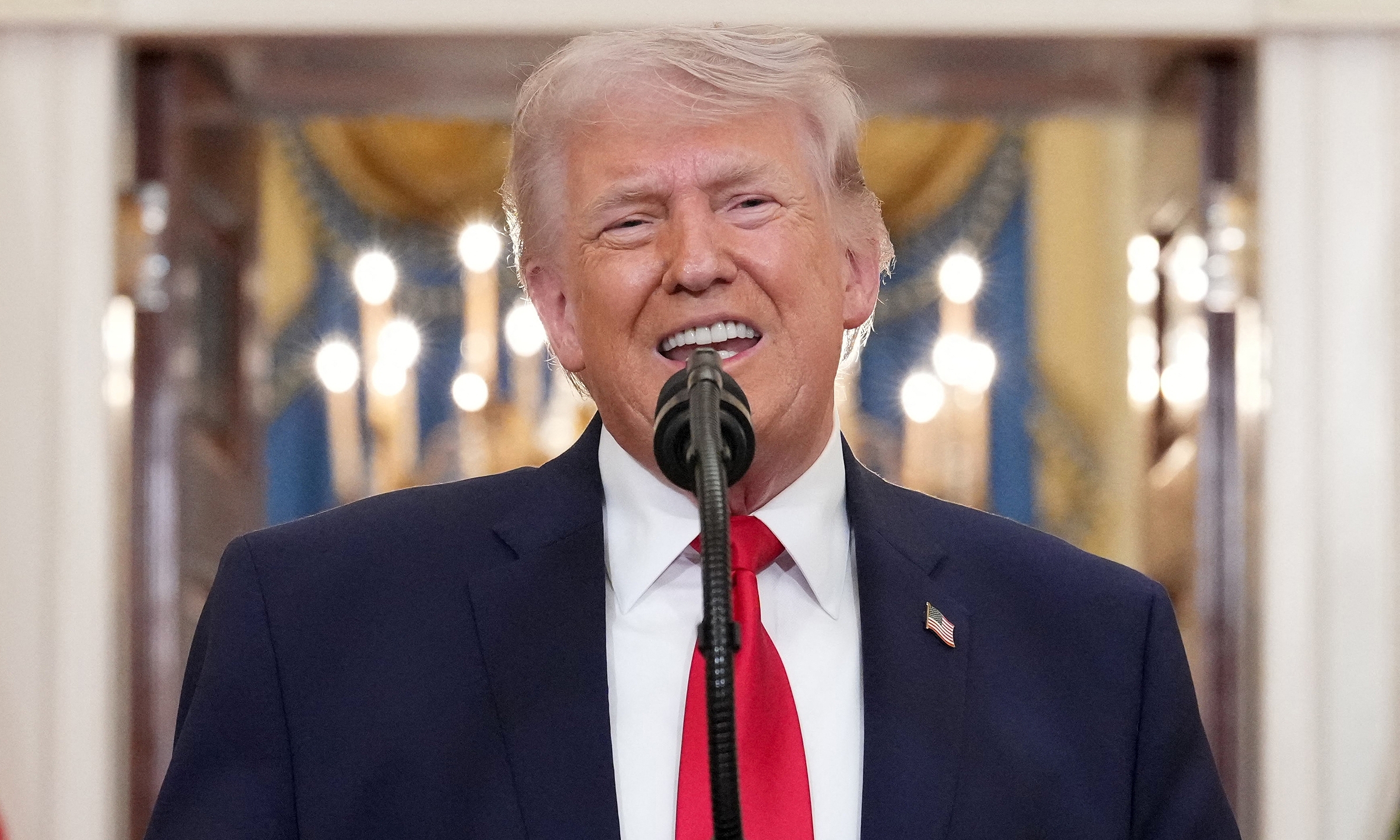
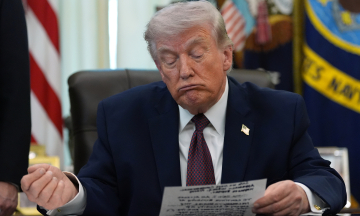
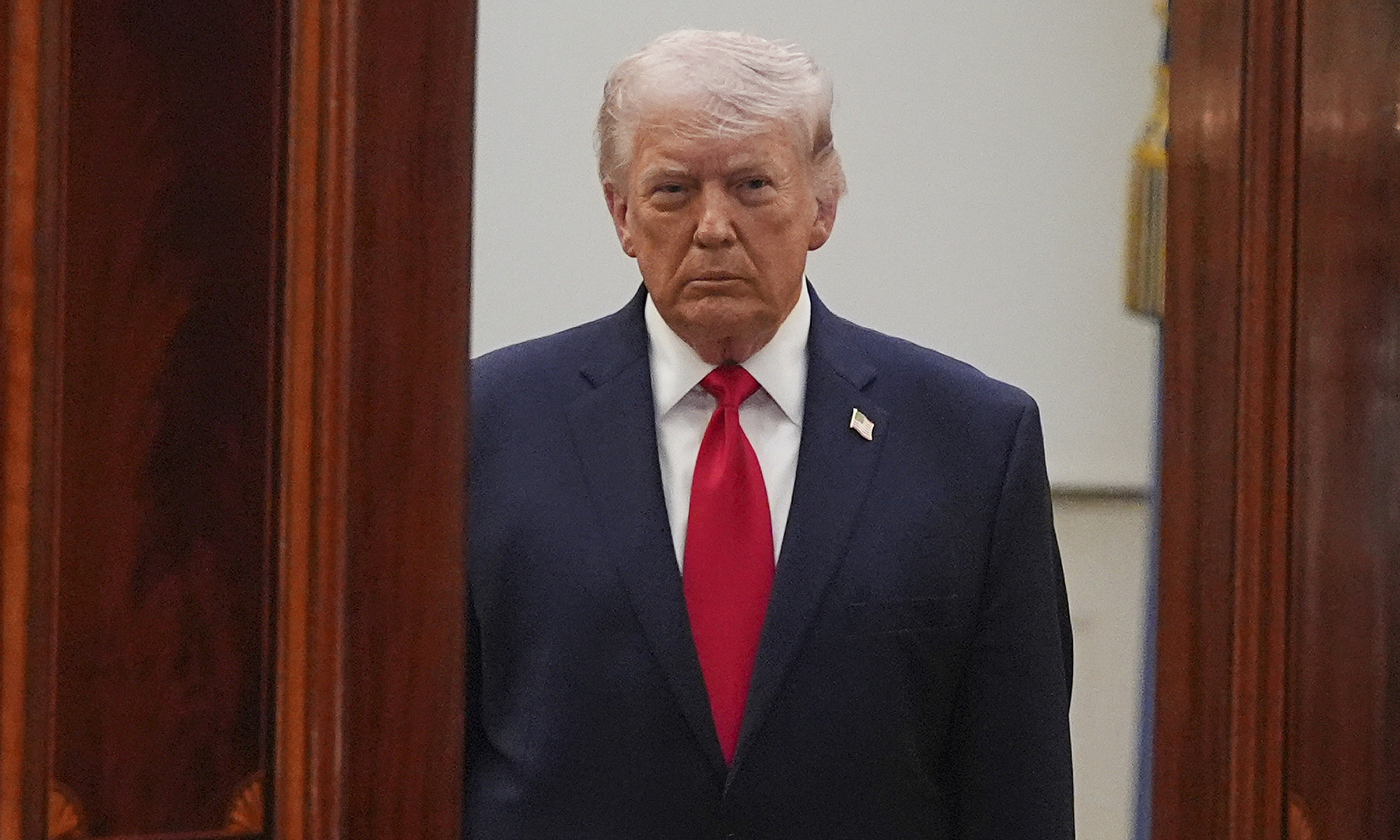
President Donald Trump disclosed on 5/4 that the U.S. supplied weapons to anti-government protestors in Iran, marking his first public acknowledgment of such an action. "We sent them many guns, delivered via the Kurds, and I believe the Kurds retained some of those weapons," Trump told Fox News journalist Trey Yingst, emphasizing the substantial quantity of weapons transferred.
This confirmation comes during a period of escalating conflict that has persisted for over one month. Trump has consistently threatened to destroy Iranian power plants and bridges if the nation fails to clear the Strait of Hormuz, underscoring the heightened tensions.
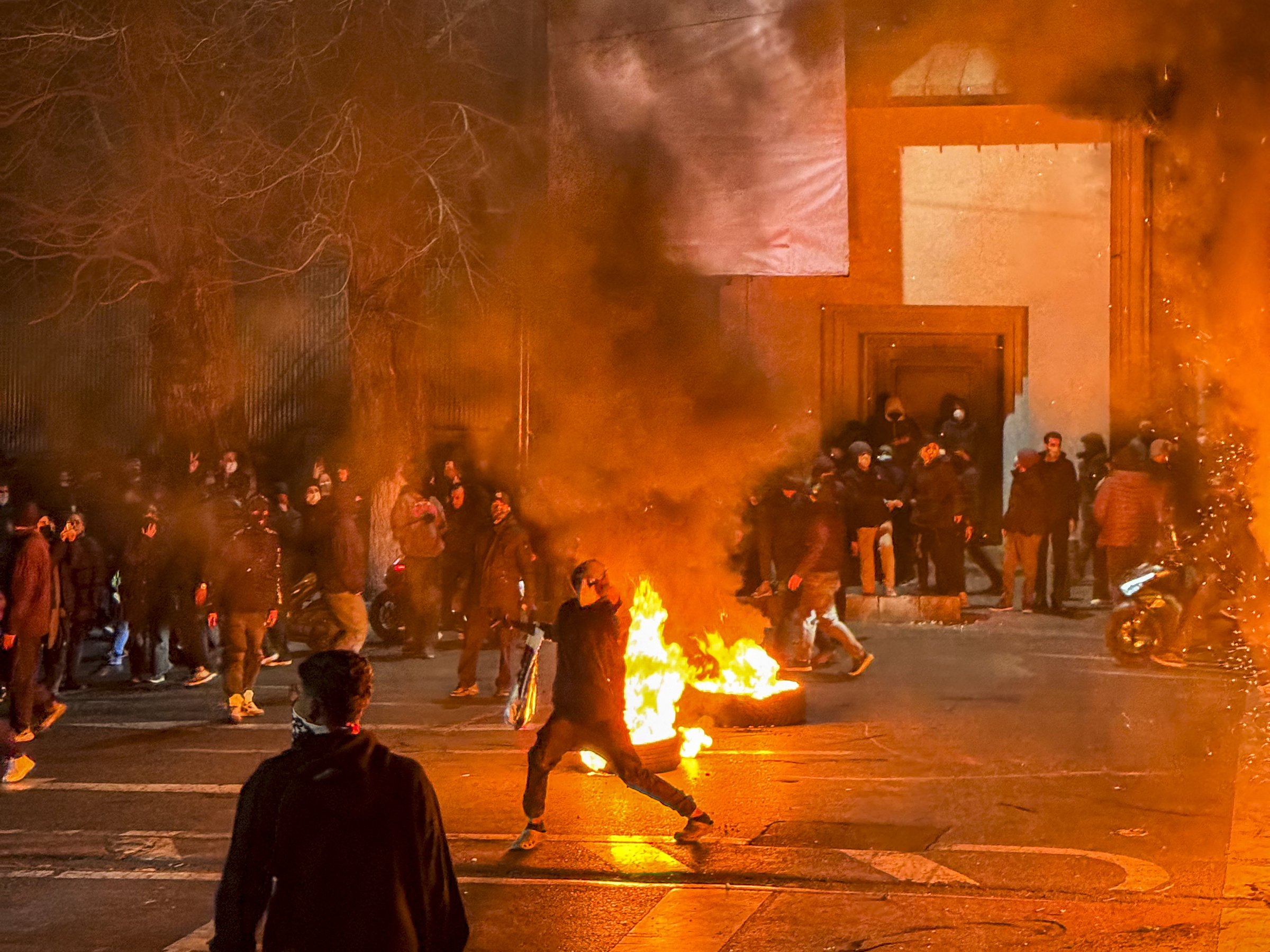 |
Protestors burn fires on the streets of Tehran, Iran, on 9/1. *Photo: AFP*
Further highlighting the regional instability, Israeli Prime Minister Benjamin Netanyahu stated last month that coordinated airstrikes with the U.S. effectively damaged Tehran's missile and nuclear programs, but he deemed these efforts insufficient. Netanyahu stressed the necessity of "ground elements" beyond aerial operations, though he withheld specific details and refused to publicize concrete plans. He also argued that Iranians should actively leverage the conditions created by airstrikes "to change the country's reality."
Iran experienced widespread protests across 100 cities and towns from late 12/2025 to 1/2026. These demonstrations originated with Tehran merchants protesting harsh economic conditions and rising prices, and quickly expanded to include students in other regions. At that time, Iranian President Masoud Pezeshkian acknowledged protestors' legitimate demands and urged the government to improve the economy, while also warning of a firm stance against disruptive actions. Trump had then declared the U.S. might intervene if the Iranian government "killed peaceful protestors," but Washington ultimately announced no specific actions during that period.
Iranian officials, however, accused external forces of escalating violence, exploiting public gatherings for instability, using social media for incitement, and deploying organized criminal groups to inflict casualties. By late 1/2026, Iran's Islamic Revolutionary Guard Corps (IRGC) reported thwarting a "terrorist plot" orchestrated by intelligence agencies from 10 nations to incite unrest. Tehran accused the U.S. and Israel of direct involvement, providing funding, training, and media support to opposition groups.
The IRGC announced the arrest of 735 individuals connected to anti-security networks, the summoning of approximately 11,000 people considered susceptible to radicalization, the confiscation of 743 illegal firearms, and the identification of 46 individuals with foreign intelligence connections. Iran's figures, released on 21/1, indicated that 3,117 people died during the protest wave, including 2,427 security personnel and civilians.
Thanh Danh (According to Fox, Reuters, Telegraph)