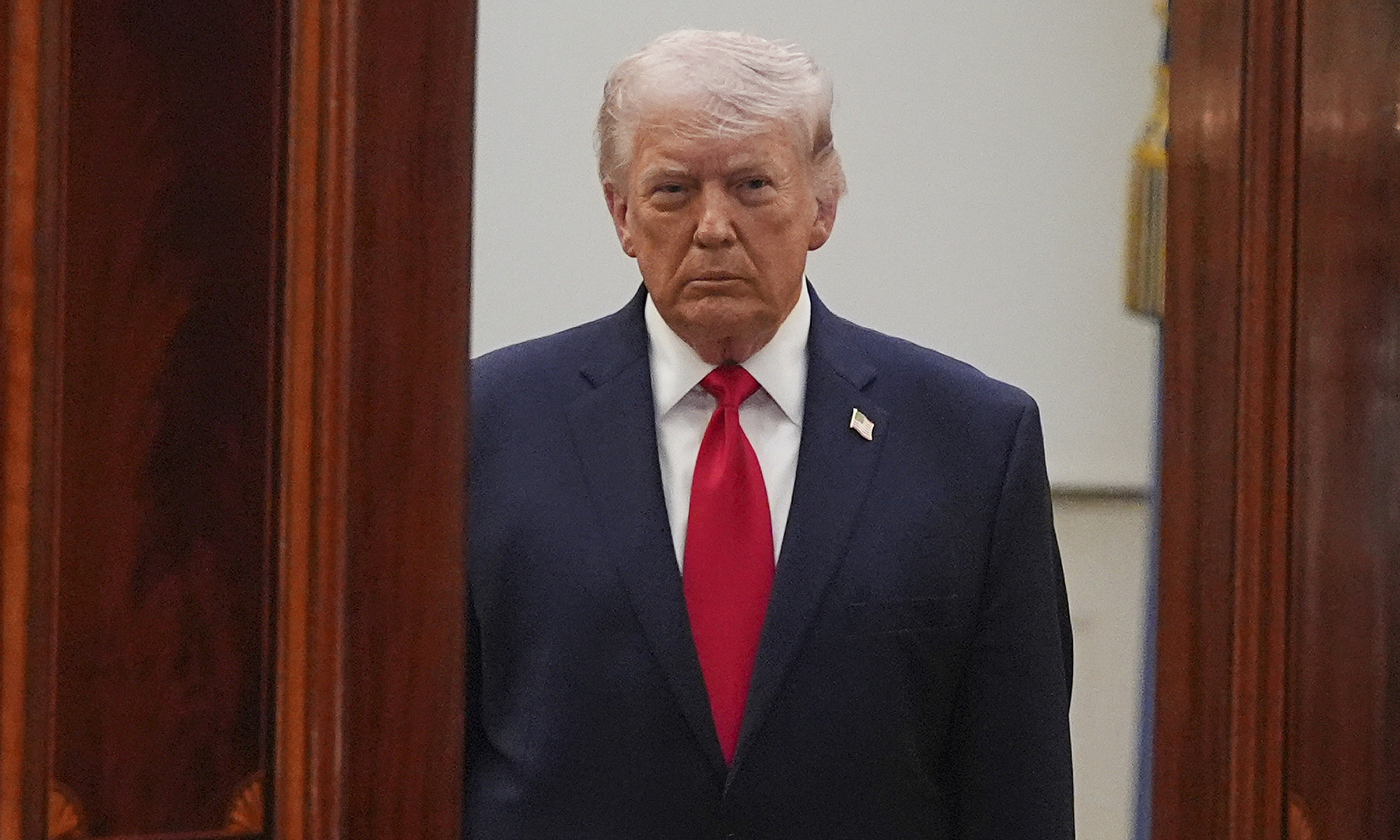
US President Donald Trump reiterated an ultimatum on 4/4, demanding that Iran agree to a ceasefire or open the Strait of Hormuz by 6/4. "Time is running out, only 48 hours left before hell descends upon them," the US President wrote.
Iran immediately rejected this ultimatum. Major General Ali Abdollahi Aliabadi, commander of the Khatam al-Anbiya Central Command, which oversees combat operations for Iran's armed forces, called the US President's threat "hopeless, insecure, unbalanced, and foolish".
"Do not forget that if conflict escalates, the entire region will become hell for you. The illusion of defeating Iran has turned into a quagmire that will engulf you," Ebrahim Zolfaghari, spokesperson for the Khatam al-Anbiya Central Command, later stated.
According to observers, the Trump administration is beginning to feel the negative repercussions as the conflict with Iran enters its sixth week. This is especially true after Iran shot down a F-15E fighter jet, forcing the US to conduct a large-scale, high-risk operation to rescue a pilot within Iranian territory.
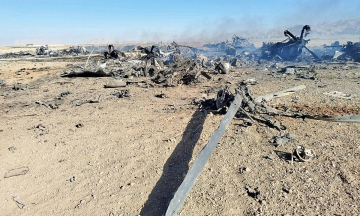
President Trump asserted that the US military's successful rescue operation, with no fatalities or injuries, "once again proves we have achieved absolute control over Iranian airspace". However, the US had to abandon and destroy two transport aircraft during the rescue mission, indicating significant material losses from the operation.
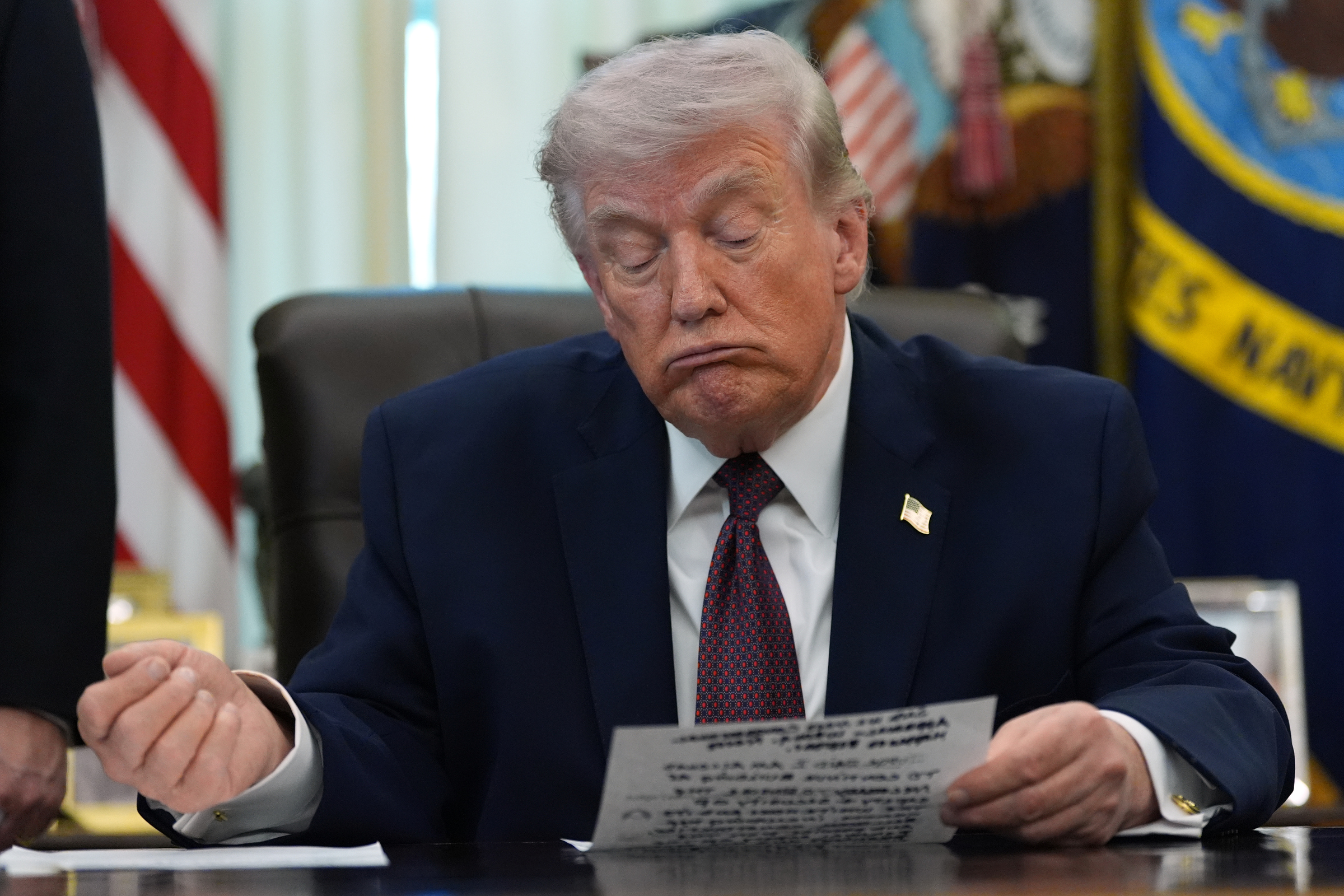 |
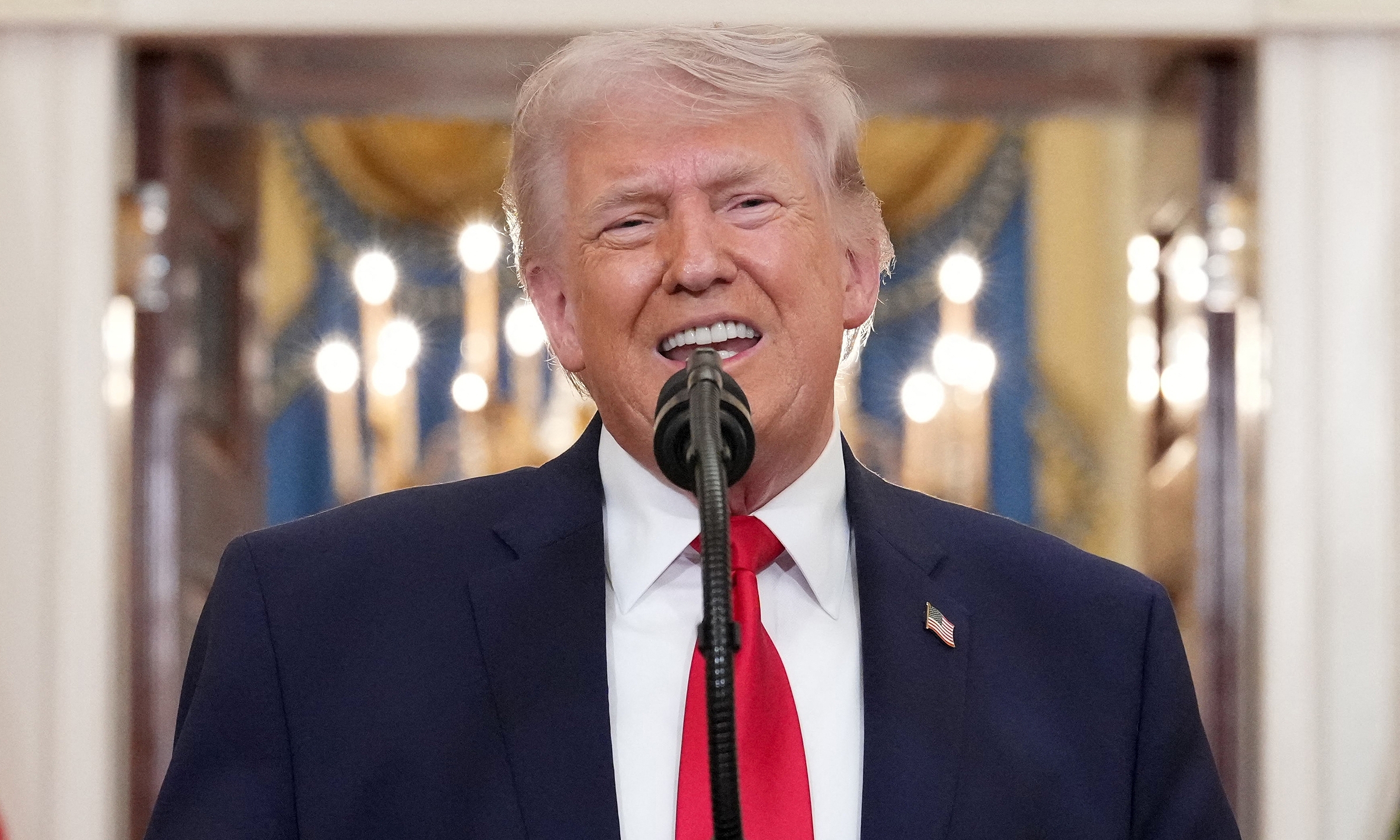
President Donald Trump speaks to reporters at the White House on 31/3. Photo: AP
Public opinion polls reveal increasing opposition among American citizens to the war initiated by the President. The situation is so dire that some of President Trump's loyal supporters are also starting to criticize the conflict, which shows no sign of ending.
Meanwhile, a senior official noted that President Trump often starts his day by watching videos compiled by the US military showcasing battlefield successes. He believes that, as Commander-in-Chief, eliminating Iran's nuclear threat could be one of the greatest achievements of his second term.
White House Chief of Staff Susie Wiles expressed concern that aides are painting an overly optimistic picture, telling President Trump only what he wants to hear instead of what he needs to hear. She urged colleagues to be "more frank with the boss" about political and economic risks. The Chief of Staff and close advisors met with the President in the Oval Office, warning him that the longer the conflict drags on, the bleaker voter support and the Republican Party's prospects in the November midterm elections would become.
The meeting in the Oval Office underscored a reality the White House could no longer ignore. Time is running out before President Trump, the Republican Party, and the American people pay an even higher price.
**Unexpected reaction from Iran**
President Trump initially appeared confident in the early results of Operation Shock and Awe, as the first strike killed Iranian Supreme Leader Ali Khamenei and several other high-ranking Iranian officials on 28/2. However, Iran responded fiercely, launching missiles and unmanned aerial vehicles (UAVs) against Israel, and targeting US bases in the Gulf region, from Kuwait, Bahrain to Arab Saudi, UAE, and Qatar.
This reaction surprised US officials, a fact President Trump acknowledged in an interview with CNN. Based on past precedents, they had believed that the US had a winning formula: deliver an overwhelming preemptive strike, and Iran's response would be limited retaliation to appease domestic public opinion.
Iran further escalated pressure by almost completely blockading the Strait of Hormuz, a critical route for approximately 20% of global oil supplies from the Gulf, causing fuel prices to surge.
President Trump justified this as a "short-term price" necessary to eliminate the risk of Iran acquiring nuclear weapons. He also argued that Iran's response further demonstrated its threat.
However, as the conflict extended without a clear resolution, the cost to the US gradually became "long-term". President Trump had pledged to revive the economy and keep the US out of conflicts during his campaign for a second term. Now, he has initiated a war without congressional authorization, and its economic consequences are just beginning to emerge.
The conflict has destabilized global energy and financial markets. The US is no exception, with gasoline prices exceeding 4 US dollars a gallon and stock market indices hitting multi-year lows. The US has recorded 13 soldiers killed and hundreds injured when Iran retaliated against Washington's bases in the Gulf.
One month after the conflict began, global growth forecasts were revised downwards, and fuel shortages appeared in Europe and Asia. Experts warn that the world has yet to fully grasp the severity of the issue. A prolonged blockade of the Strait of Hormuz could push the global economy into recession.
According to two advisors and two members of Congress who have spoken with President Trump, the escalating political and economic costs are compelling the President to seek an "honorable exit". President Trump told them he wants to conclude the operation, concerned that a prolonged conflict would negatively impact the Republican Party ahead of the midterm elections. However, he also desires a decisive victory from this campaign.
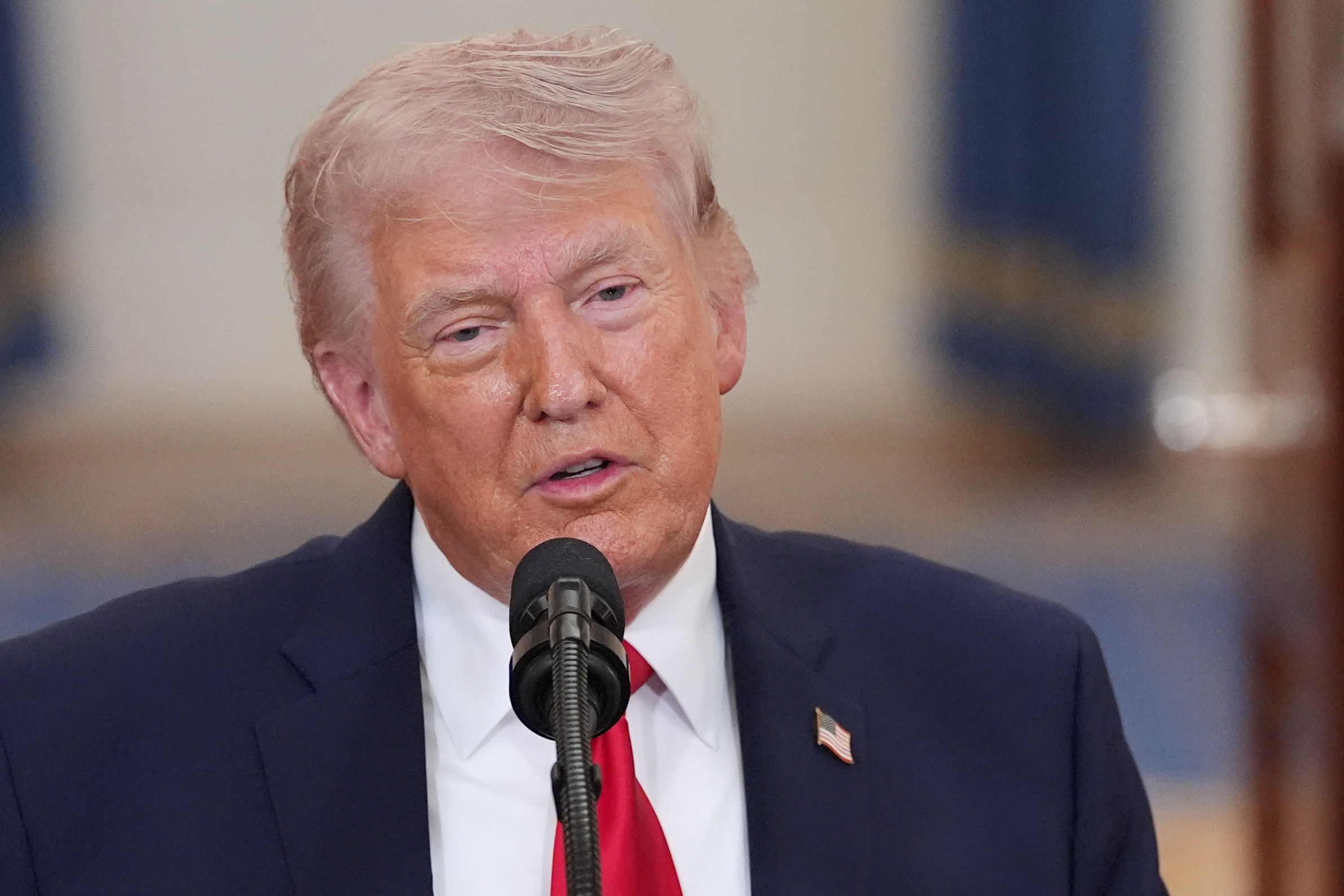 |
President Donald Trump addresses the nation from the White House Grand Foyer on 1/4. Photo: AP
In a national address on the evening of 1/4, President Trump attempted to "walk a tightrope" while updating the war situation. He lauded victories and declared the campaign "nearing completion", but simultaneously threatened to deliver "extremely powerful" strikes against Iran in the next two to three weeks, destroying the nation's energy infrastructure.
"We will send them back to the Stone Age, where they belong," the President declared.
According to Pentagon data, the operation was an "undeniable success", having destroyed 90% of Iran's missile capabilities, neutralized 70% of its launchers and 150 naval vessels, and killed Mr. Khamenei along with many senior officials.
"We hold all the advantages. They have nothing," President Trump said. "We are on track to quickly achieve all US military objectives."
Days later, Iran "poured cold water" on President Trump's declaration of victory. Their downing of a F-15E fighter jet, an A-10 attack aircraft, and damage to several helicopters made President Trump's assessment of Iran's military capabilities as "nothing" less credible.
The successful US rescue of the second pilot from the F-15E helped President Trump avert a catastrophic scenario, preventing Iran from using a captured pilot as a bargaining chip.
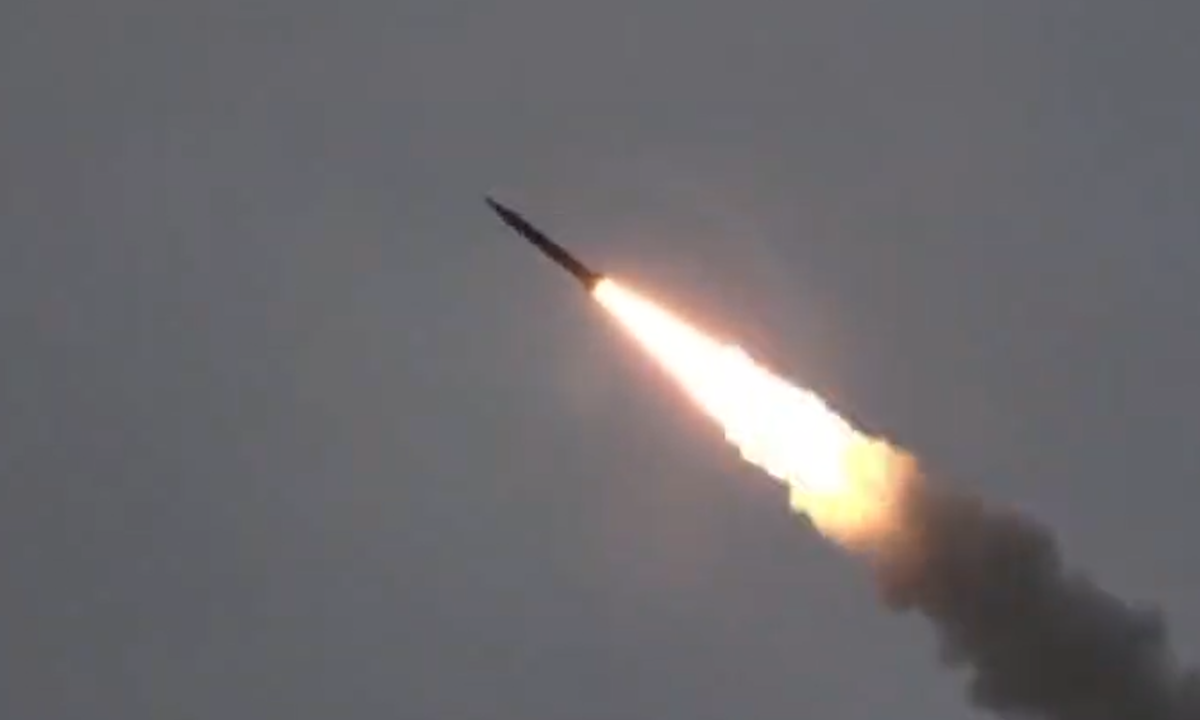
US aircraft burning at the scene in Iran on 5/4. Video: Tasnim
However, the ultimate goal of the operation remains vague, as President Trump simultaneously announced an escalation of fighting and promised an early conclusion. Special Envoy for the Middle East Steve Witkoff, a long-time friend of the President, explained that this approach reflects a mindset shaped by President Trump's business career, a field where maintaining multiple options is crucial.
"The President always has many scenarios," Mr. Witkoff said. "He keeps many options, many 'exit routes', and then navigates step-by-step during implementation."
**Narrowing exit**
Wars often unfold beyond a President's calculations. Iran has demonstrated its resolve to fight to the end, meaning President Trump faces a greater risk of entanglement if he further escalates in the coming weeks, which would narrow rather than open his exit options.
Another potential obstacle comes from ally Israel. President Trump has long favored operations that aides call "one-and-done", as applied in Yemen, Syria, Somalia, or Venezuela. However, Israeli Prime Minister Benjamin Netanyahu has a different approach.
Over the past six months, Mr. Netanyahu has consistently told President Trump that previous successes were merely stepping stones for a more decisive and prolonged campaign, according to an Israeli official. Furthermore, Arab Saudi also tends to favor prolonging the war, viewing it as a rare opportunity to weaken a common adversary.
This situation presents President Trump with a dilemma. He wants to end the war but cannot leave empty-handed without achieving his goal of halting Iran's nuclear program. Meanwhile, establishing a pro-Western government in Iran is not simple, and reopening the Strait of Hormuz would require a prolonged military occupation or a ceasefire agreement.
Some advisors perceive a degree of acceptance of reality emerging in President Trump's thinking. In private conversations, he often reiterates that the ruling party typically loses seats in midterm elections.
"He is struggling to overcome this precedent," an aide observed.
By Nhu Tam (According to TIME, AFP, Reuters)