 |
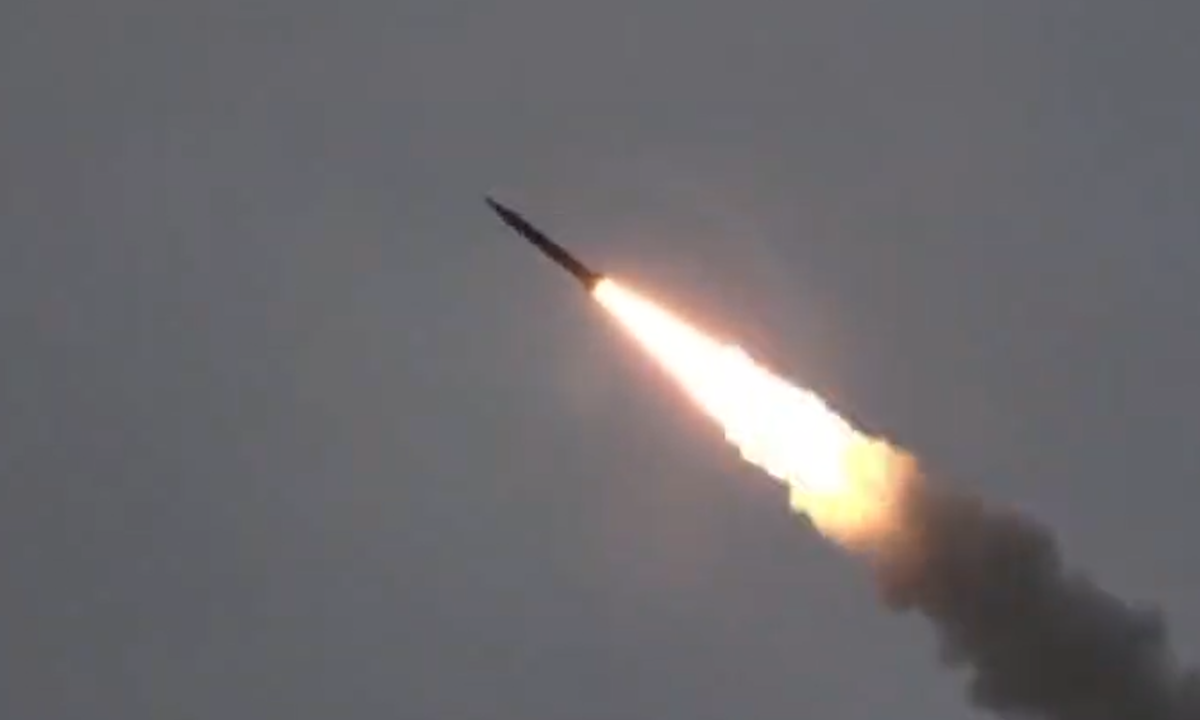
Based on released materials, US military news outlet War Zone assessed that US forces lost two MC-130J Commando II special operations transport aircraft and two AH/MH-6 Little Bird helicopters during the operation, not just two transport aircraft as initially reported. |
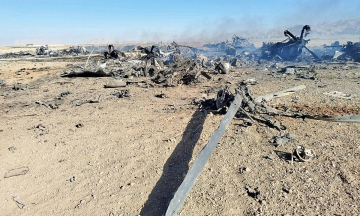
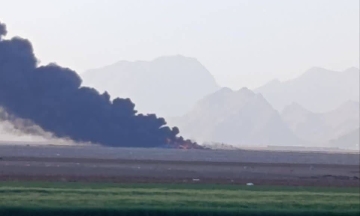
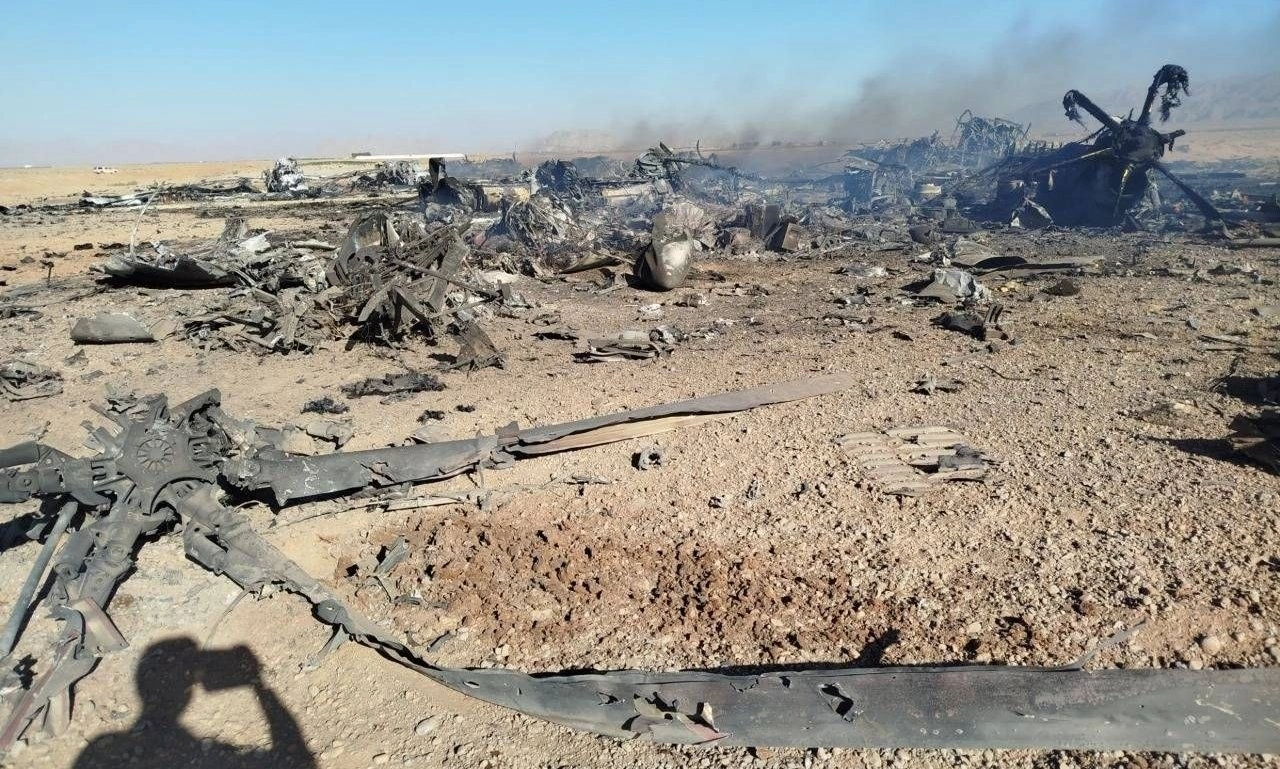
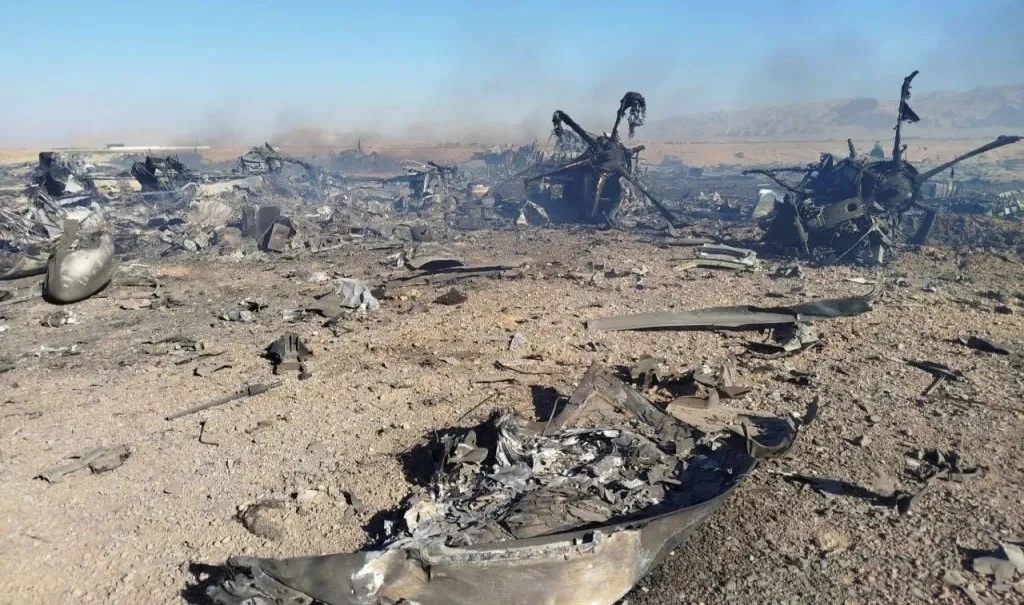
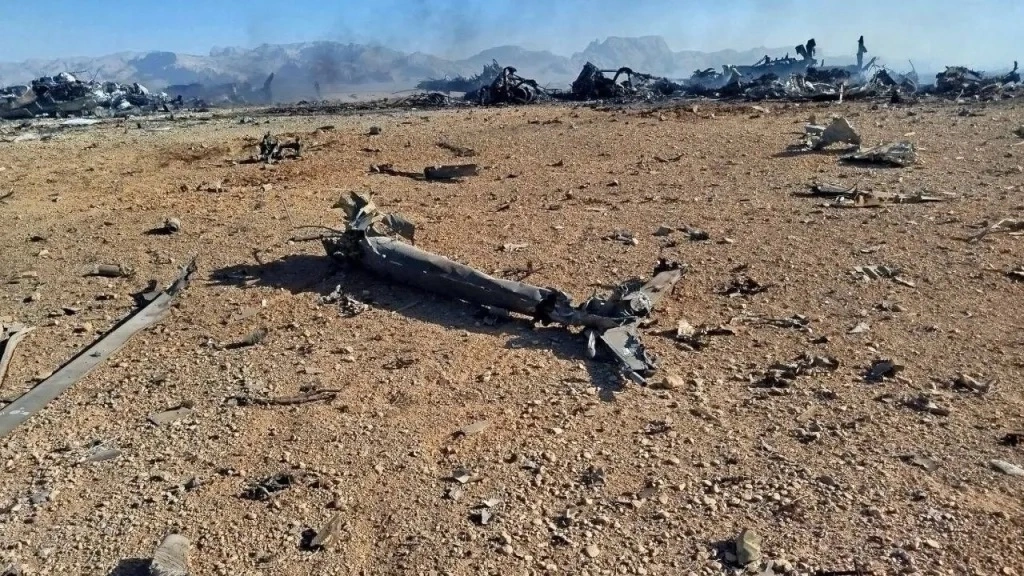
Iran’s IRIB television and radio on 5/4 broadcast images of charred aircraft wreckage on the ground, reportedly the scene where US aircraft were destroyed after an operation to rescue an F-15E fighter pilot shot down in the Middle Eastern country.
On the same day, the Iranian military announced that its forces had shot down two helicopters and one C-130 transport aircraft involved in the search for the US pilot.
Meanwhile, the New York Times cited an anonymous US official who stated that two transport aircraft, tasked with evacuating special forces soldiers and the pilot, became stranded at a forward operating base in Iran. Commanders decided to dispatch three additional aircraft to pick up all US personnel, while also choosing to "blow up the two disabled aircraft rather than let them fall into Iranian hands."
 |
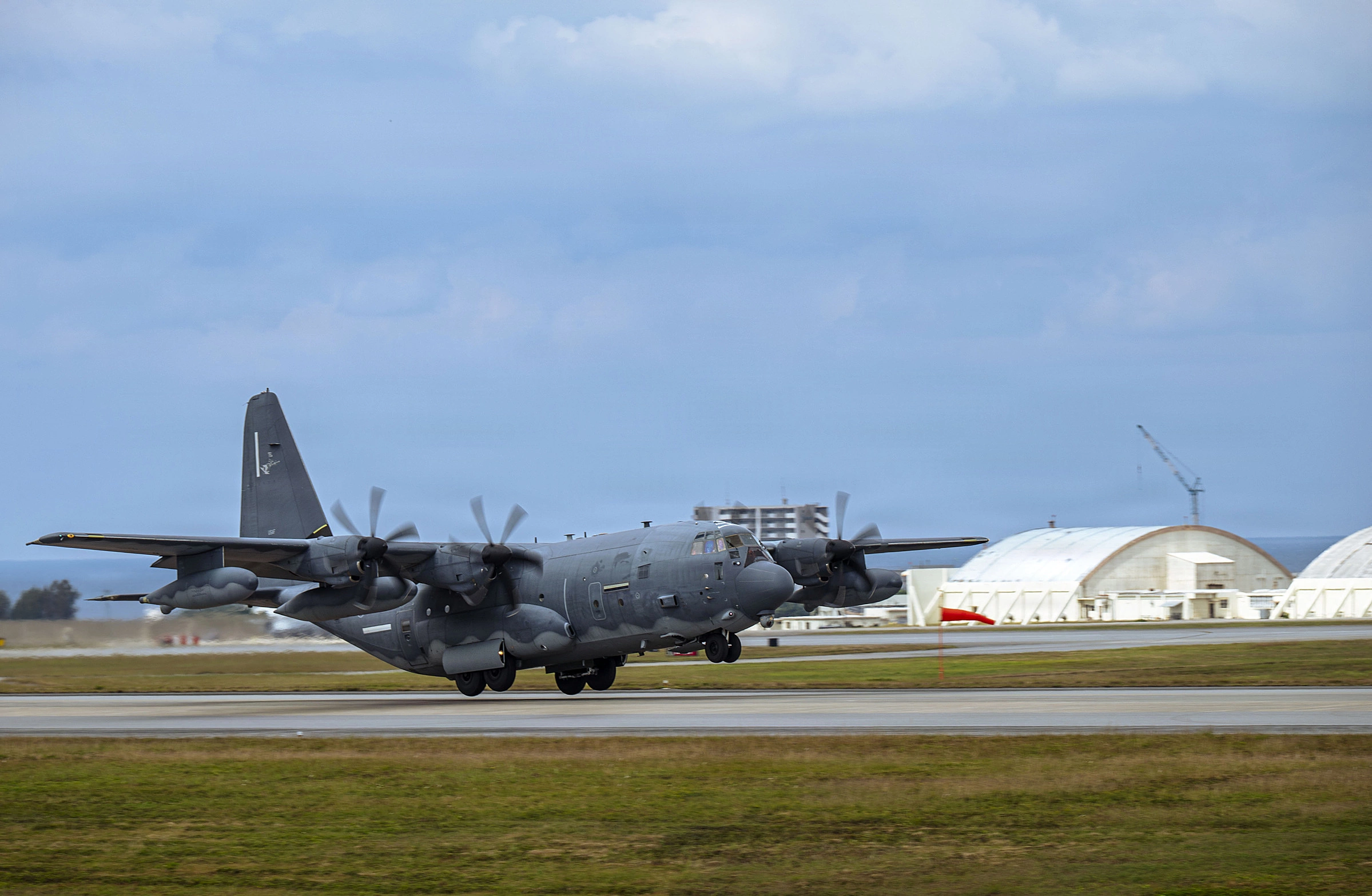 |
According to Pentagon documents, the MC-130J Commando II is an aircraft developed specifically for the US Air Force Special Operations Command (AFSOC). It is designed to conduct clandestine missions, such as low-altitude flight and infiltration of enemy airspace, resupply, and rescue of ground special operations units.
The MC-130J can also serve as an aerial refueling tanker for helicopters and transport cargo in high-threat environments.
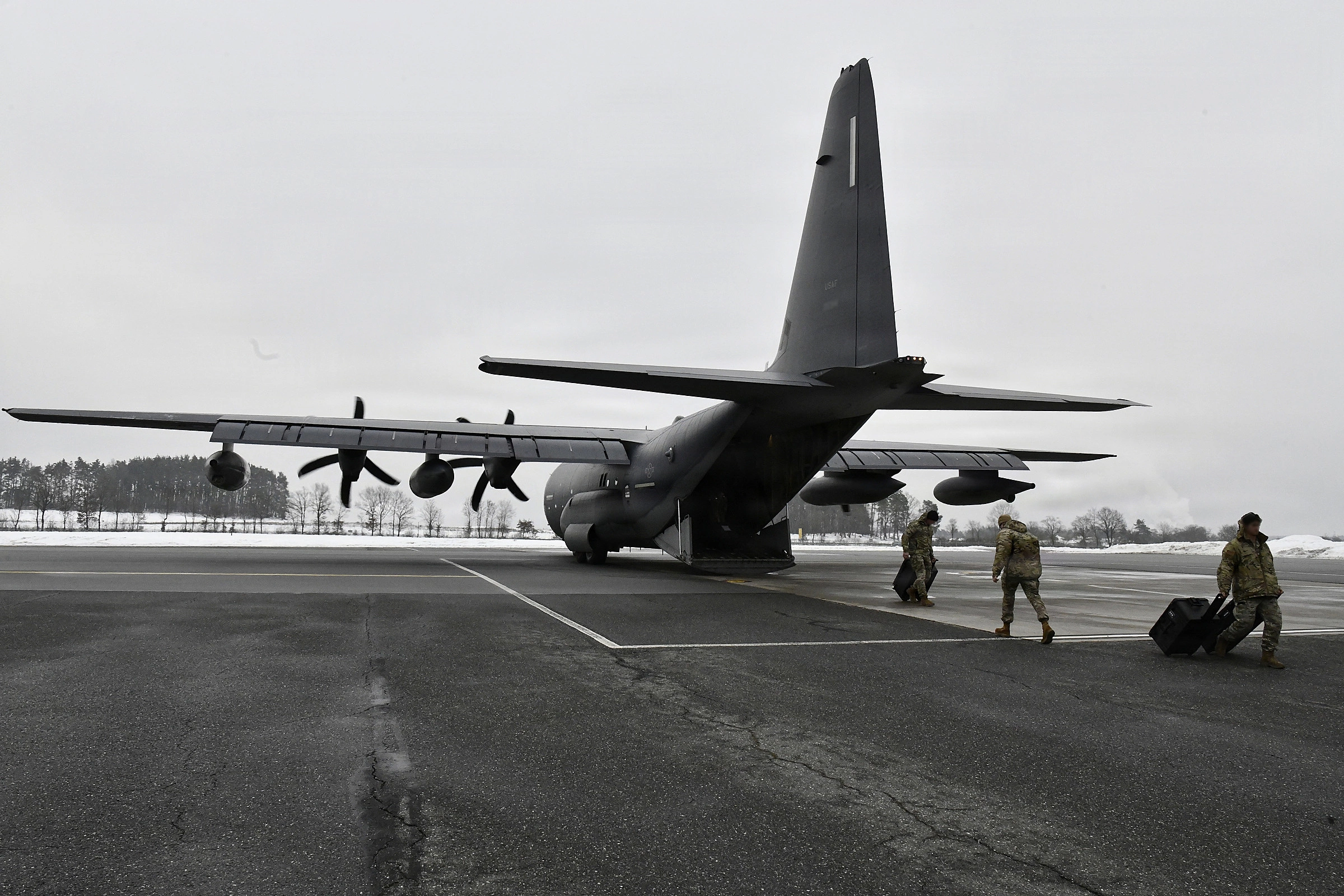 |
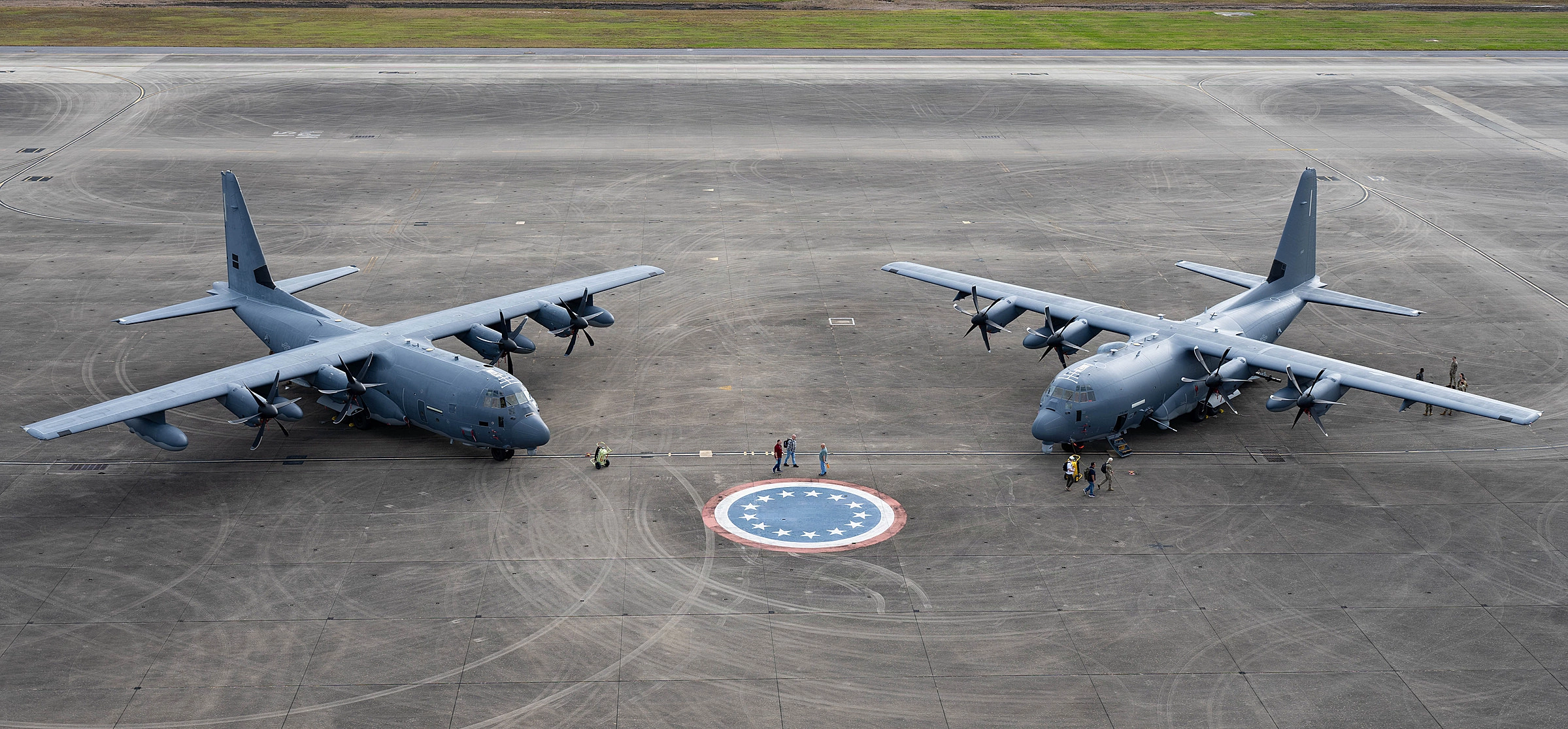
As of early 2025, the US Air Force operates 57 MC-130J aircraft, each with an ex-factory price of approximately 114 million USD.
One of the notable features of the MC-130J is its turboprop engine with six composite propeller blades, replacing the four aluminum alloy blades found on older C-130 models.
 |
The MC-130J is equipped with integrated digital avionics and navigation systems, along with an infrared and electro-optical reconnaissance suite, terrain-following radar, and a large aircraft infrared countermeasures system (LAIRCM) specialized in jamming heat-seeking missiles.
Despite advanced defensive measures, MC-130J aircraft primarily conduct missions at night to reduce the risk of enemy detection and being shot down, according to the US Air Force.
 |
Meanwhile, the AH/MH-6 helicopters are believed to belong to the US Army’s 160th Special Operations Aviation Regiment, also known as the "Night Stalkers." This unit specializes in high-risk infiltration and rescue missions, as well as providing close air support for ground troops.
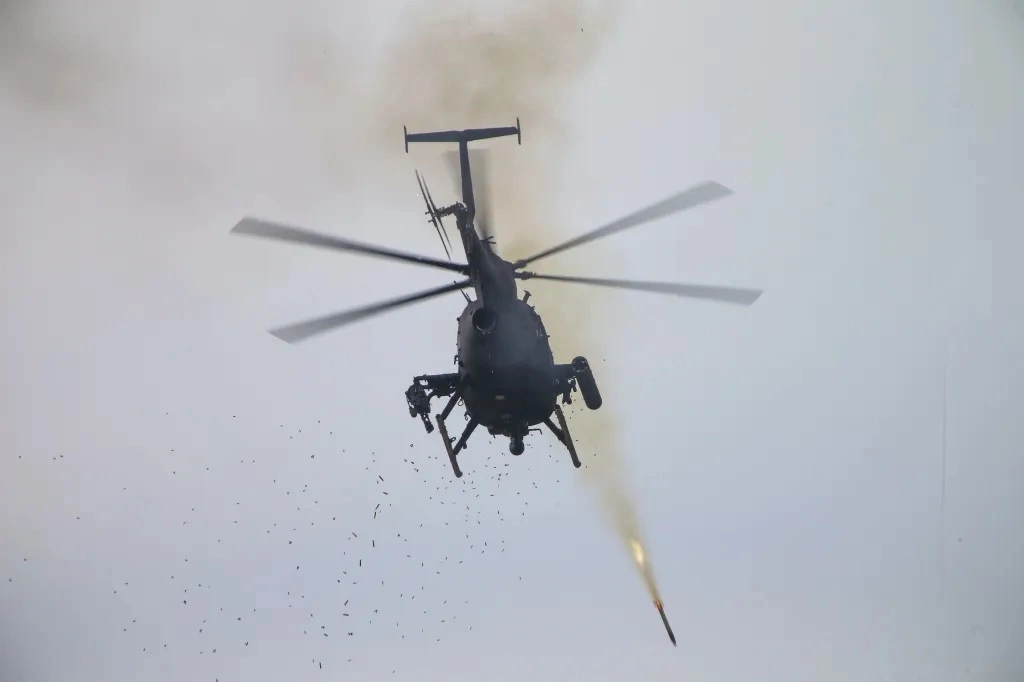 |
In its AH-6 armed helicopter configuration, Little Birds can carry rocket launchers and Gatling guns to suppress enemy forces, providing support for ground units. In the photo, an AH-6 helicopter fires machine guns and rockets during an exercise in California in 2016.
In its MH-6 multi-purpose transport configuration, the helicopter directly participates in searching for and evacuating pilots.
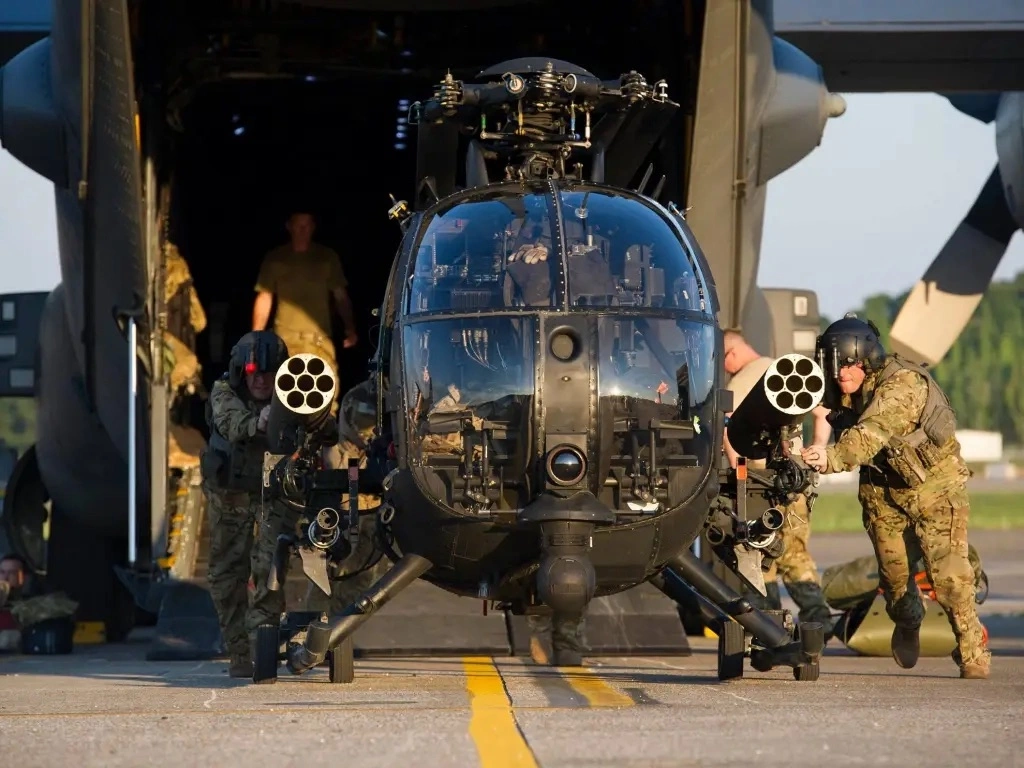 |
Little Bird helicopters can fit inside the cargo bay of a C-130 transport aircraft and be ready for takeoff just minutes after being unloaded.
Each Little Bird costs between 2 and 7 million USD, depending on the version and accompanying equipment. The armed AH-6 version typically has a higher price, with some contracts valued up to 13 million USD per aircraft.
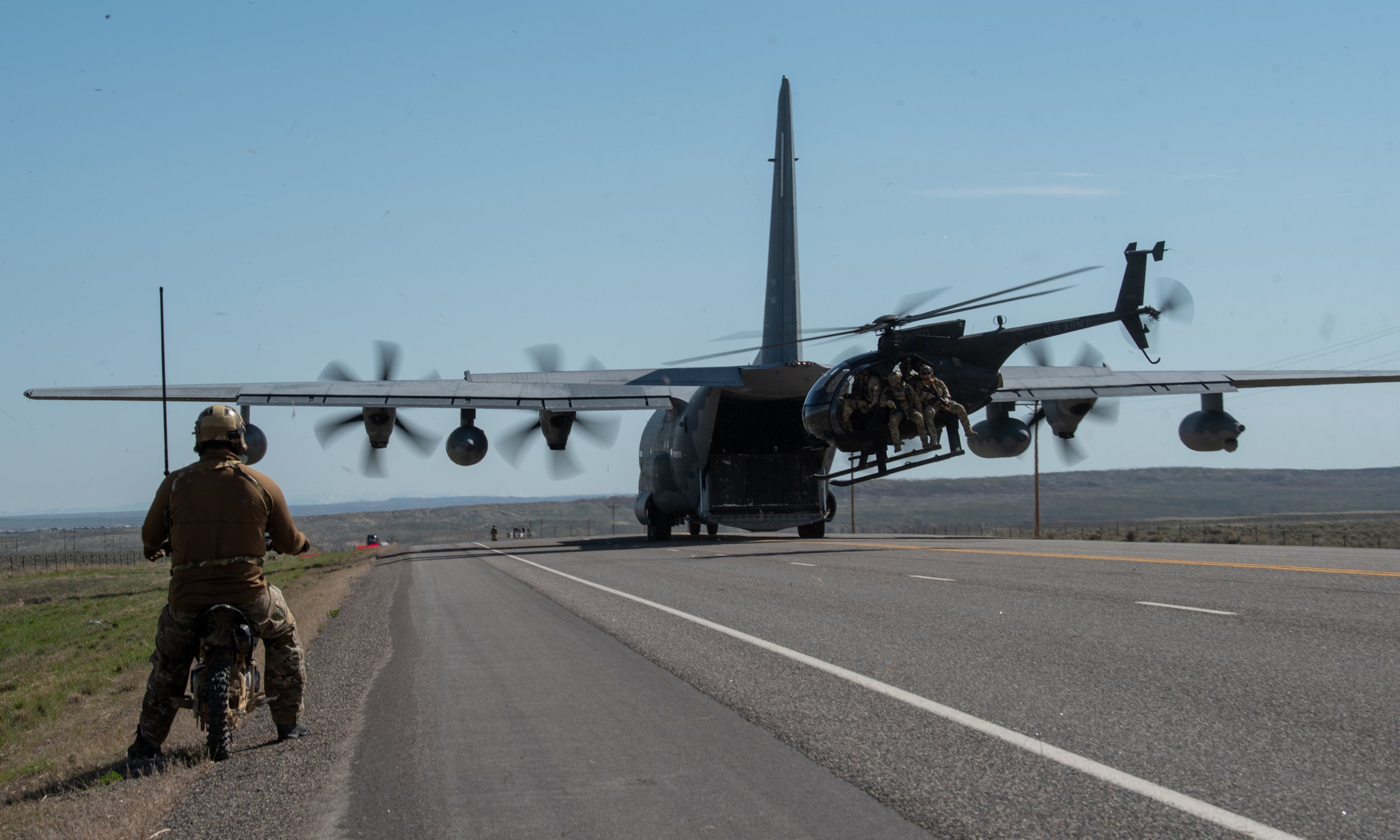 |
An MH-6M helicopter and an MC-130J transport aircraft conduct a search and rescue exercise in Wyoming, US, in 2023.
The reason for the helicopters' destruction has not been determined.
Tyler Rogoway, editor of War Zone, suggested that the emergency withdrawal after the two MC-130J aircraft experienced issues left US forces without time or space to load the helicopters onto backup aircraft. "It is also possible that they were damaged during combat operations and abandoned," the US expert stated.
Thanh Danh (According to War Zone, USAF, Aviationnist)