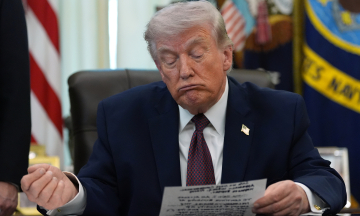
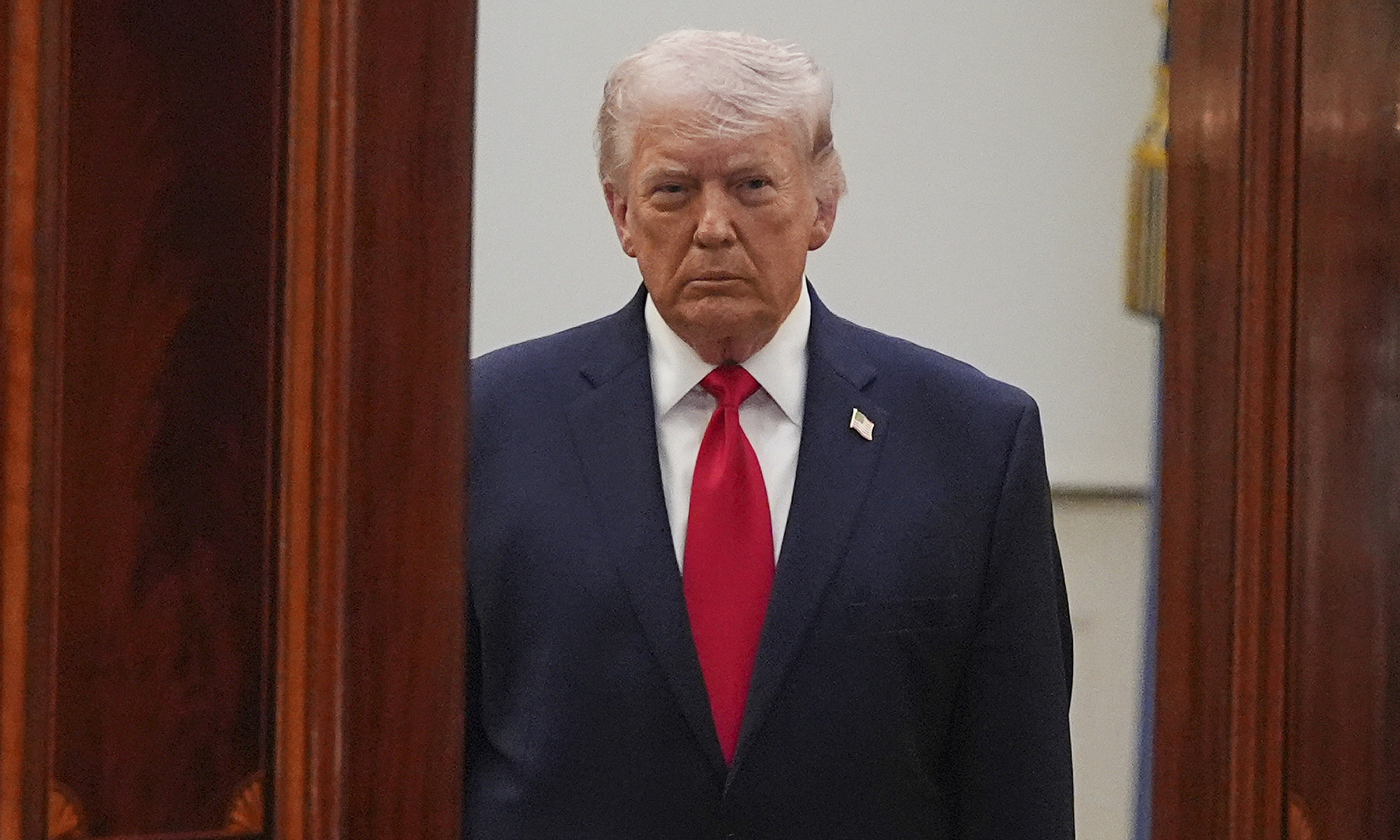
"We successfully rescued a severely injured and very brave F-15 crew member from a deep mountainous region within Iranian territory. He was a highly respected colonel. The enemy conducted a thorough search, mobilized a large number of personnel, and came very close to his position," U.S. President Donald Trump stated in a social media post today.
Trump affirmed that such raid and pilot rescue operations are "rarely carried out" due to the significant threat to U.S. military personnel and assets. "This was a highly unusual operation. We rescued the pilot in broad daylight, after seven hours in Iranian territory. All participating soldiers displayed extraordinary skill and courage," he added.
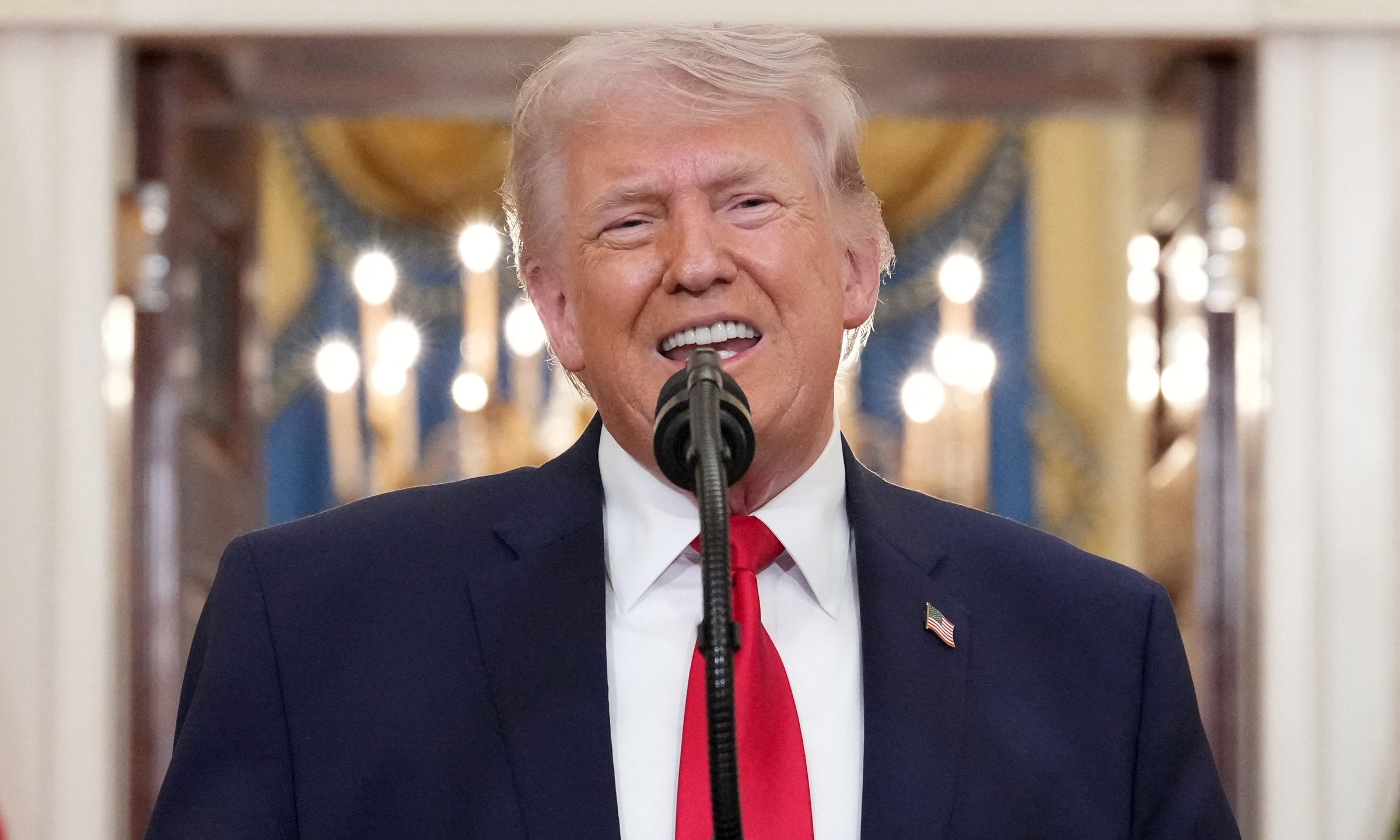 |
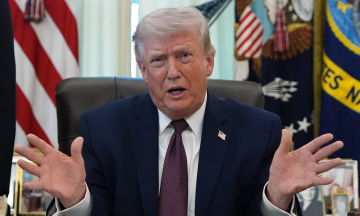
President Donald Trump speaks at the White House on 2/4. Photo: AFP
White House Press Secretary Karoline Leavitt praised it as "one of the boldest search and rescue operations in U.S. history."
The search and rescue operation commenced immediately after a U.S. F-15E multirole fighter jet was shot down by Iran on 3/4. One crew member was rescued the same day, while the other remained hidden for over 36 hours.
According to U.S. officials, hundreds of soldiers, along with elite special forces and dozens of aircraft from various military branches, participated in the operation. There was no direct engagement between the forces of the two sides, but U.S. soldiers fired to prevent the enemy from approaching the rescue area.
The Central Intelligence Agency (CIA) reportedly conducted a diversion operation prior to the mission, disseminating information that U.S. forces had already reached the pilot and were evacuating him by ground. Concurrently with this deception, the CIA utilized intelligence resources to pinpoint the pilot's location, believed to be concealed in a gorge.
This information was subsequently transmitted to the White House and the Pentagon, leading to the decision to launch the rescue operation.
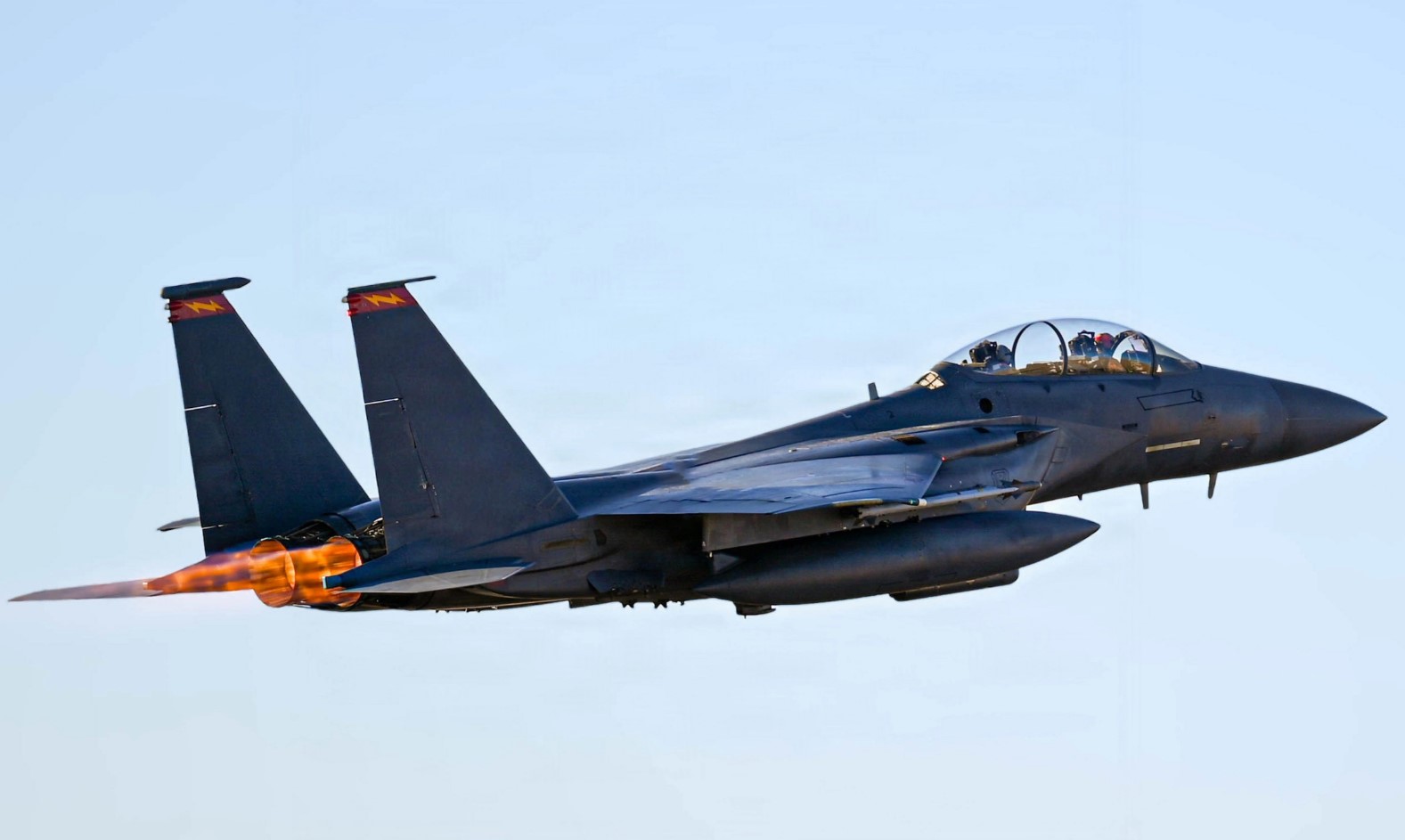 |
U.S. F-15E fighter jet takes off for Operation Horrific Fury on 16/3. Photo: USAF
A U.S. official described the rescue operation as being divided into two phases: area containment and target approach. The activity spanned many hours, extending from night into day, rather than being a swift night operation like typical rescue missions.
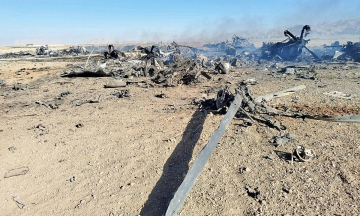
A U.S. official informed the New York Times that two transport aircraft used to evacuate special forces and the pilot became stranded at a forward base in Iran. Commanders decided to dispatch three additional backup planes to pick up the forces at that location, while also destroying the two disabled aircraft to prevent them from falling into Iranian hands.
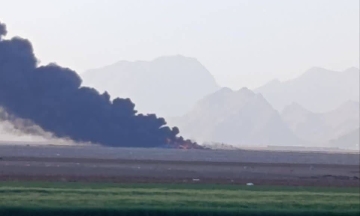
The Iranian military announced it had shot down two helicopters and one C-130 aircraft involved in the search for the U.S. pilot. Images later released by Iran showed the wreckage of two MC-130J Commando II special operations transport aircraft, each valued at approximately 114 million USD, along with one or two AH/MH-6 Little Bird multi-purpose helicopters, priced between 2 and 13 million USD depending on the version.
By Thanh Danh (Based on reports from Fox, WSJ, Al Jazeera, NYT)