President Donald Trump's national security team met almost daily over the past two weeks to discuss a potential agreement to end the conflict with Iran. In most meetings, the prevailing anxiety was the risk that Tehran would not uphold its agreed-upon commitments, according to administration officials directly involved in the negotiations.
Central Intelligence Agency (CIA) Director John Ratcliffe and Secretary of Defense Pete Hegseth were the most pessimistic regarding whether Iran would follow through on concessions for its nuclear program, even if it agreed to negotiate the issue.
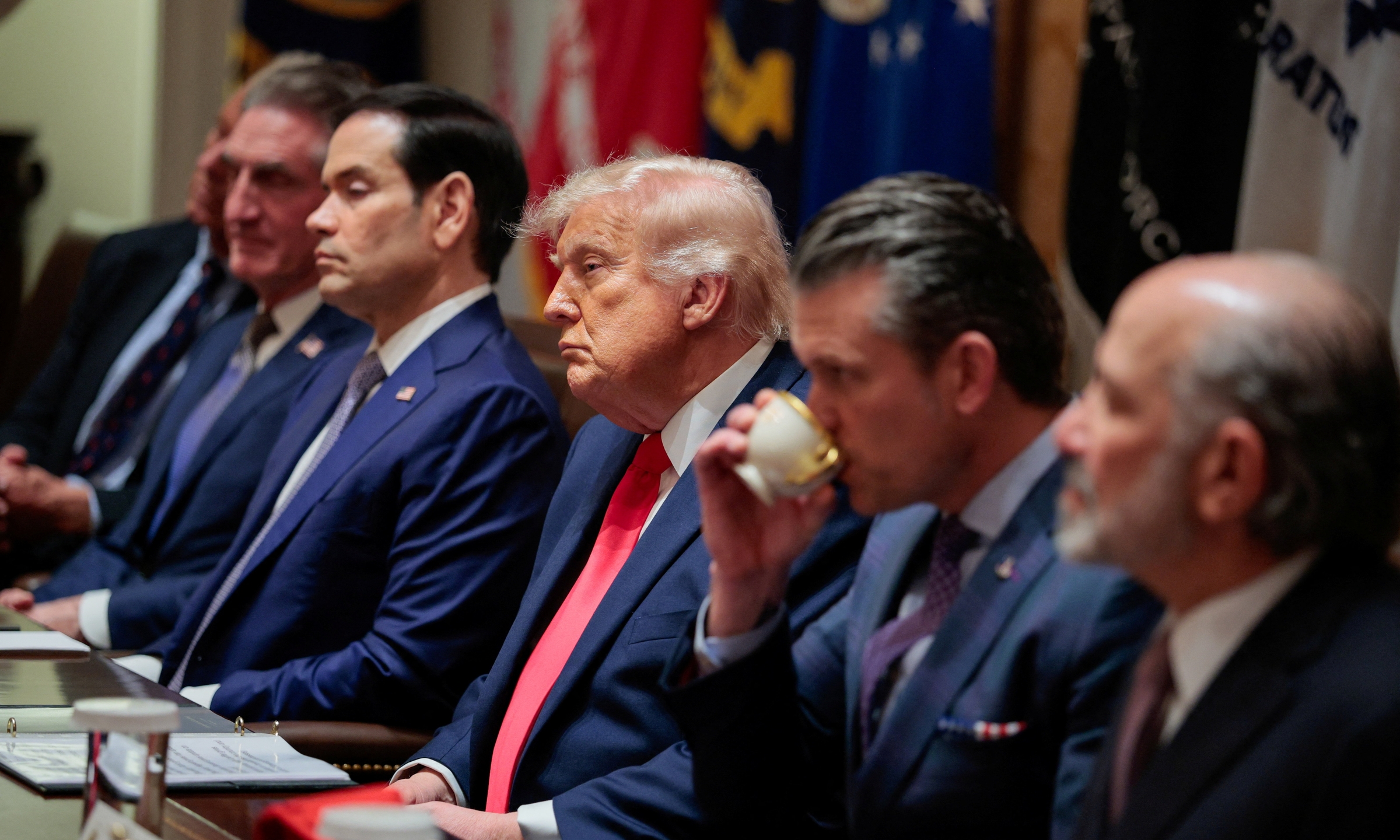 |
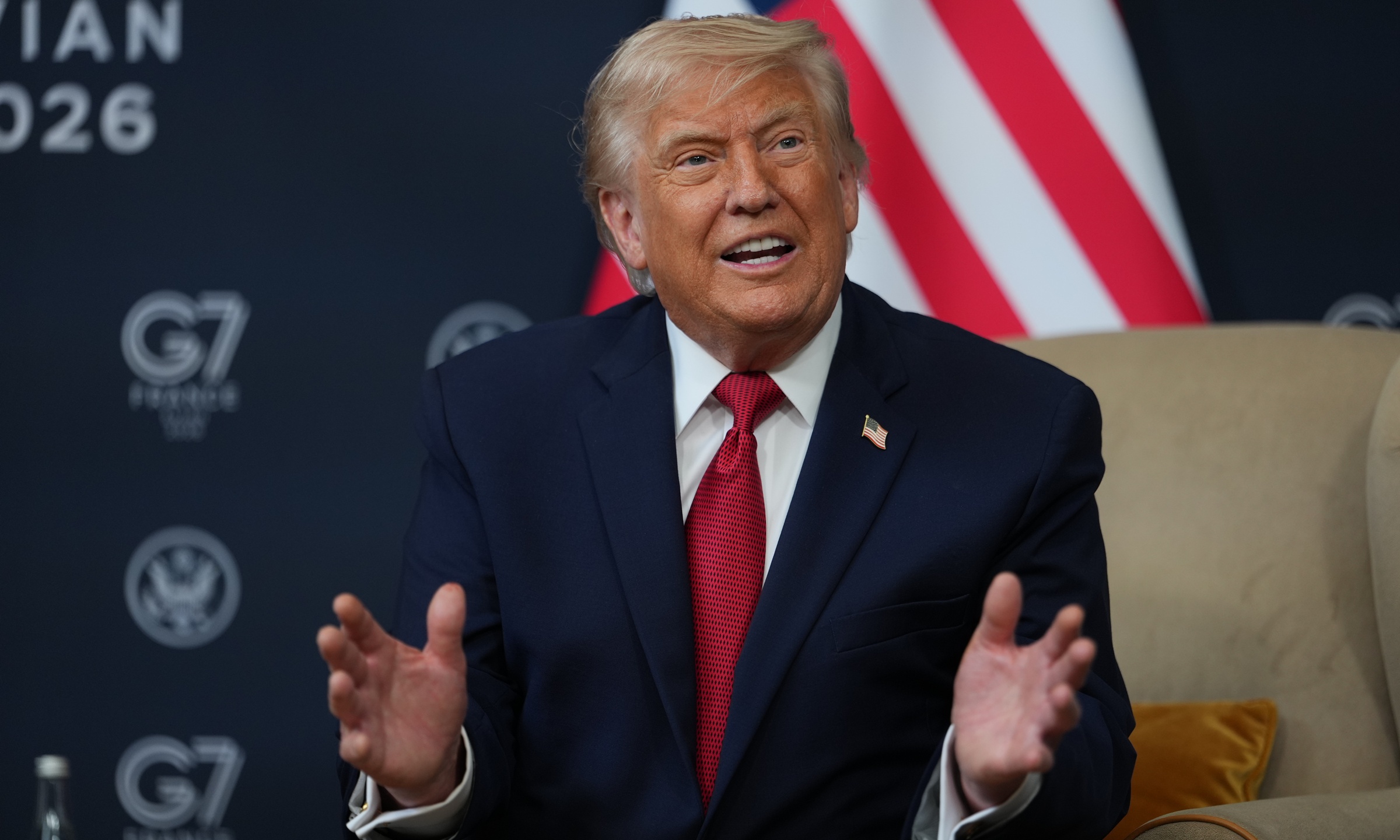
US President Donald Trump during a cabinet meeting at the White House on 27/5. Photo: *Reuters* |
Other senior officials, including Secretary of State Marco Rubio, Vice President JD Vance, and President Trump's special envoys Steve Witkoff and Jared Kushner, also expressed concerns about the issue at least once.
A source revealed that Director Ratcliffe indicated that intelligence gathered by the CIA on Iran did not align with Tehran's commitments to Washington, both in official dialogues and through secret channels.
"Nevertheless, Director Ratcliffe did not take sides. He did not establish a policy position," the source revealed. "Clearly, he respected the opinions of Mr. Vance, Witkoff, and Kushner, who were directly negotiating. He did not participate in the negotiations and was not a policymaker. He only provided intelligence as a basis for the discussions."
Another US official said most officials in the meetings shared the CIA Director's skepticism about Iran. "We all anticipated that," the official said.
However, intelligence on the opponent's internal views regarding a potential agreement "always has a delay" and often only reflects caution towards negotiations.
"They often try every means to avoid an agreement, but if we are skillful, we can corner them into a position with no option but to accept the agreement the US desires," the official stated.
"Behind the scenes, Iran said all the things the US wanted to hear, and this convinced the Trump administration to proceed," he added. "Whether they are sincere is still unclear. Whether they have the capacity and authority to manage within their own system is also uncertain, but I think everyone agreed that the US should enter this phase."
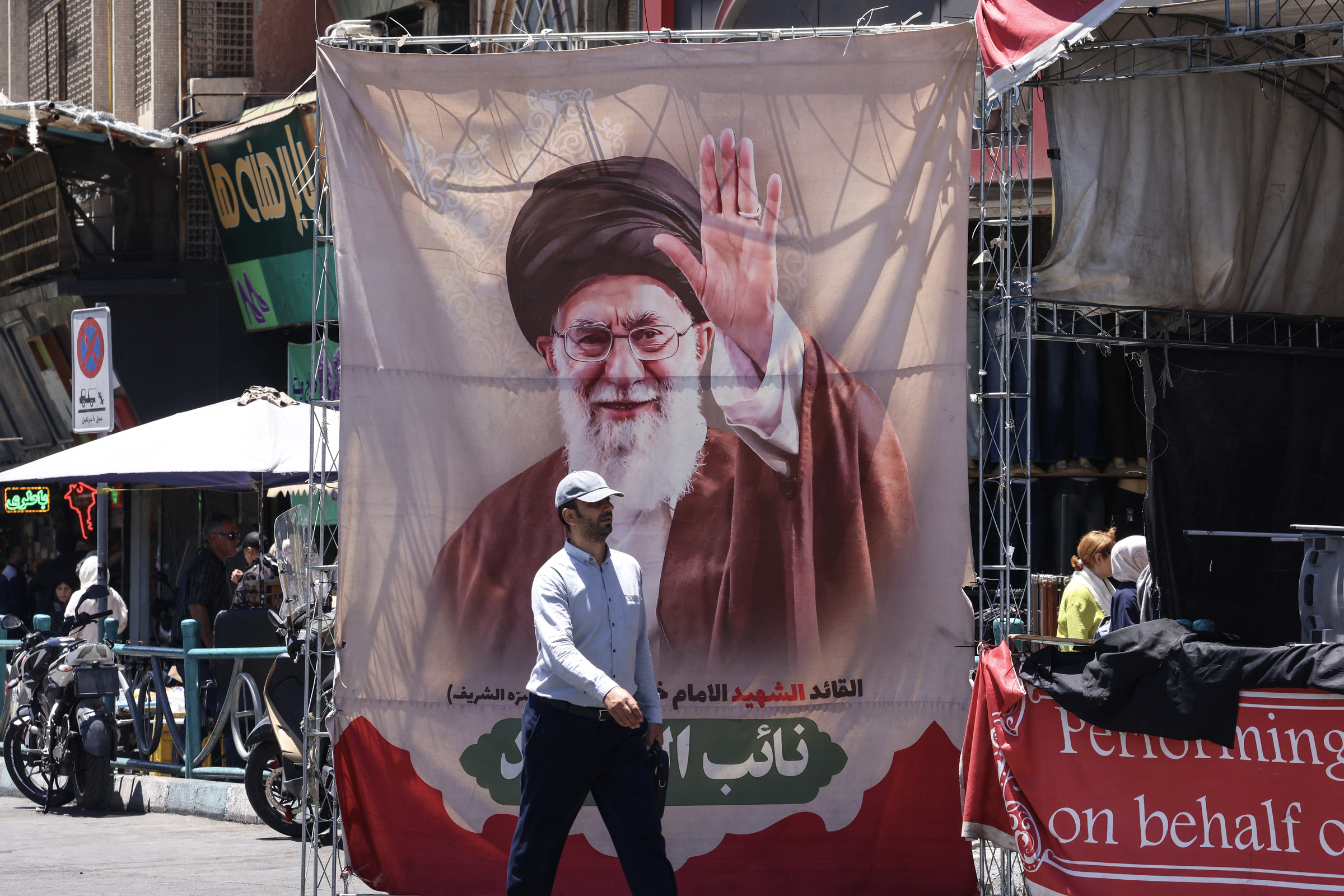 |
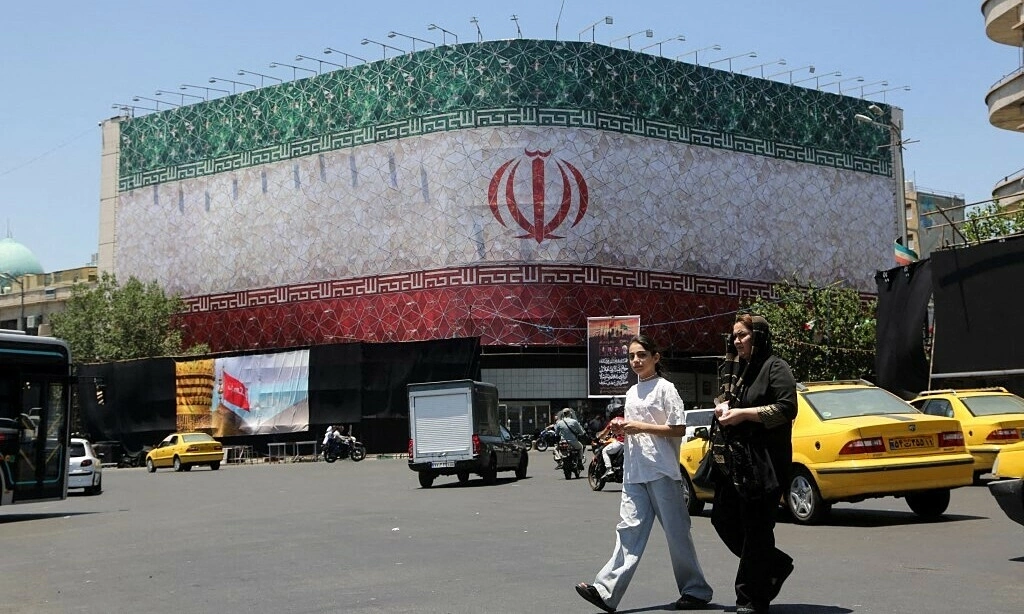
Portrait of the late Supreme Leader of Iran Ali Khamenei at Valiasr Square in Tehran on 15/6. Photo: *AFP* |
Ultimately, under pressure from President Trump, US officials reached a consensus. "Everyone wanted to wrap things up," CNN quoted an administration source familiar with the matter.
"The entire team agreed to end the conflict, and this agreement is the best way to maximize advantages and minimize risks for the US," the source said. "We approached the issue with that in mind, even if each person had their own concerns and questions."
Another source said Mr. Trump's advisors decided to end the conflict because "the President wanted it, and he felt he had enough cards in hand to finish it." "The entire administration was united in closing out the conflict," the person said.
Pentagon chief spokesperson Sean Parnell affirmed that Secretary Hegseth supported the peace agreement with Iran and all of President Trump's objectives.
A White House official issued a statement affirming that President Trump "listens to all opinions," but he is the one who makes the final decision. The official said Mr. Trump would only agree to a deal beneficial to the American people.
"The memorandum with Iran meets all the red lines the administration has long established, ensuring Iran can never possess nuclear weapons, cannot retain high-grade enriched uranium, and cannot manipulate global energy supply," the official stated.
Seeking a way out
Inside the West Wing of the White House, many senior officials had long pushed for efforts to find a way out of the conflict, for various reasons.
Members of Mr. Trump's political team wanted to conclude the conflict quickly to protect Republican candidates ahead of the November midterm elections, and to safeguard the President's legacy.
Secretary of the Treasury Scott Bessent was concerned about the conflict's negative impact on the US economy. Meanwhile, Secretary of Energy Chris Wright worried about the effect on the global energy sector if the conflict prolonged.
"Everyone acknowledged that if this situation continued, things would only get worse," a source said.
Sources said White House Chief of Staff Susie Wiles was seen as the most determined in pushing to end the conflict. She repeatedly reminded White House advisors to be more direct with the President about the reality of the war and to proactively offer opinions so he had all necessary information before making a decision.
A source affirmed she had wanted to "wrap things up for a long time."
Witkoff and Kushner, who led the negotiations with Iran, appeared more optimistic about reaching an agreement, even if they themselves harbored some skepticism about Tehran's seriousness regarding nuclear terms.
"But no one publicly objected or said this was a bad idea. Most agreed that 'all right, let's sign the agreement, reopen the strait, and see what happens in a few months,'" an administration official revealed.
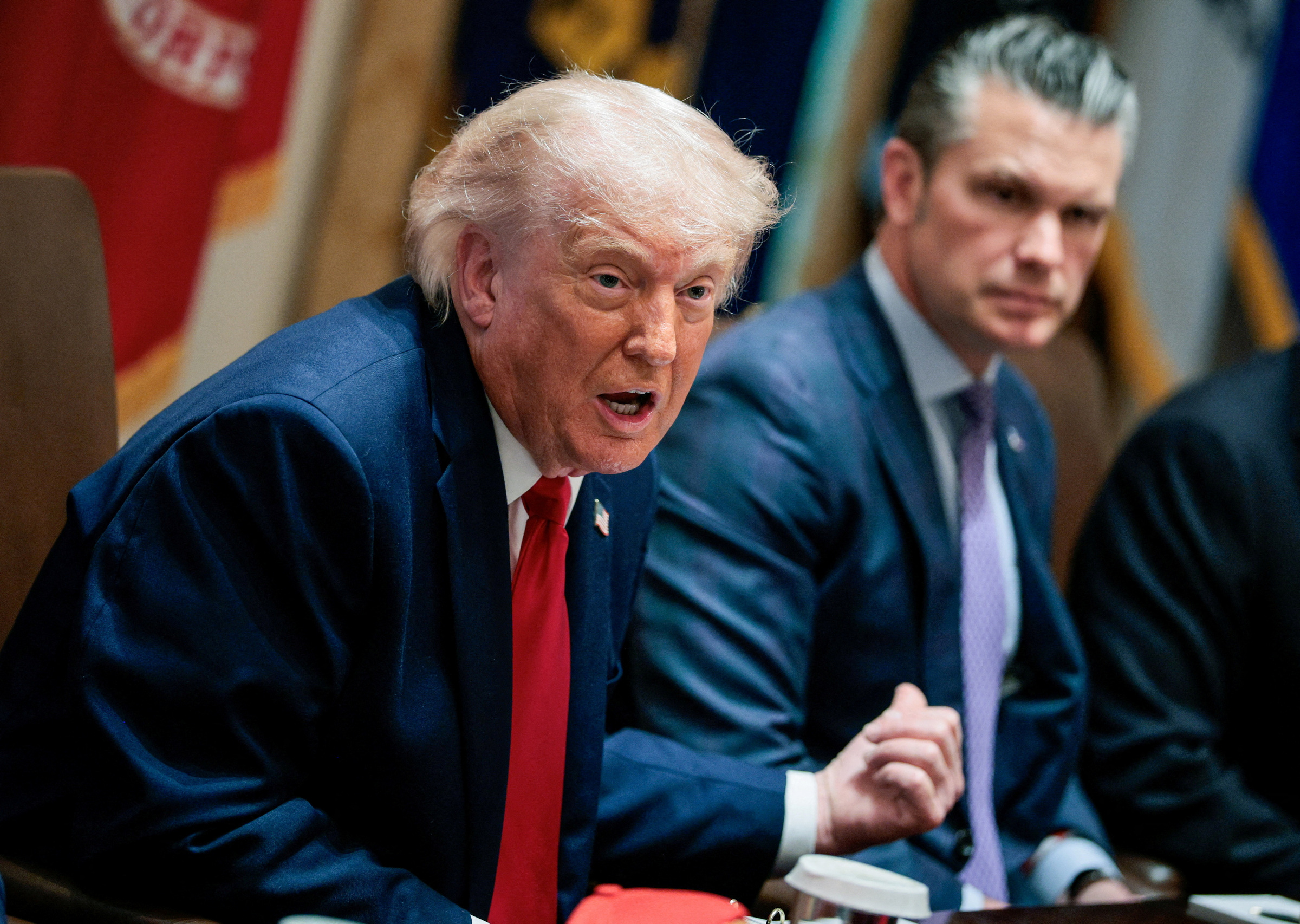 |
Mr. Trump during a cabinet meeting on 27/5. Photo: *Reuters* |
Mr. Trump himself was eager for the conflict to end. According to officials, the President's public criticism of Israeli Prime Minister Benjamin Netanyahu at the G7 summit showed his deep commitment to ending the conflict. They said the President was very frustrated with what he considered Prime Minister Netanyahu's actions to undermine the agreement.
An official said the administration had essentially finalized the framework of the agreement two weeks prior, with three key objectives: "to reopen the strait, obtain some commitments on nuclear material, and ensure the US does not concede anything until Iran fulfills all its obligations."
"We used to focus on Iran," President Trump stated on 16/6. "That will now be put behind us, it's in the past."
Vice President Vance, one of the earliest skeptics of the conflict, was tasked with persuading the American public about the agreement with Iran.
Speaking on the "Megyn Kelly Show" on 16/6, the Vice President said "delicate diplomatic considerations" prevented the US from immediately releasing the agreement text, because intermediaries had asked Washington to "arrange the roadmap in the most logical way."
"But if Iran does not comply with the agreement, the straits remain open, we still inflict significant damage on their nuclear program, and really, you know, our country can still continue its normal life," he said.
Vu Hoang (According to CNN, AFP, Reuters)