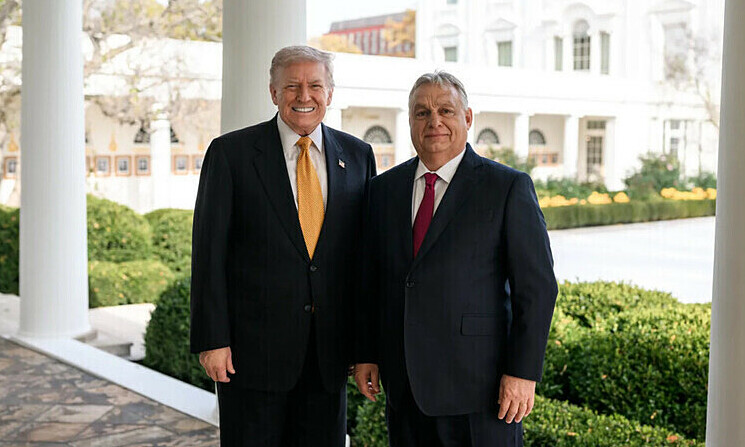
"As long as Ukraine blocks the Druzhba oil pipeline, Hungary will block the EUR 90 billion (USD 106 billion) loan for Kyiv. We will not be blackmailed," Hungarian Prime Minister Viktor Orban posted on social media on 20/2.
Hungary and Slovakia are the two remaining European Union (EU) member states still using Russian oil via the Druzhba pipeline. Kyiv stated the section of the Druzhba pipeline running through Ukrainian territory had to close after being damaged in a Russian attack in January.
However, Hungary and Slovakia believe Ukraine has repaired the damaged pipeline, accusing Kyiv of delaying its restart for political reasons.
"By blocking oil to Hungary via the Druzhba pipeline, Ukraine has violated the EU-Ukraine Association Agreement and breached its commitments to the EU. We will not give in to this blackmail," Hungarian Foreign Minister Peter Szijjarto posted on X.
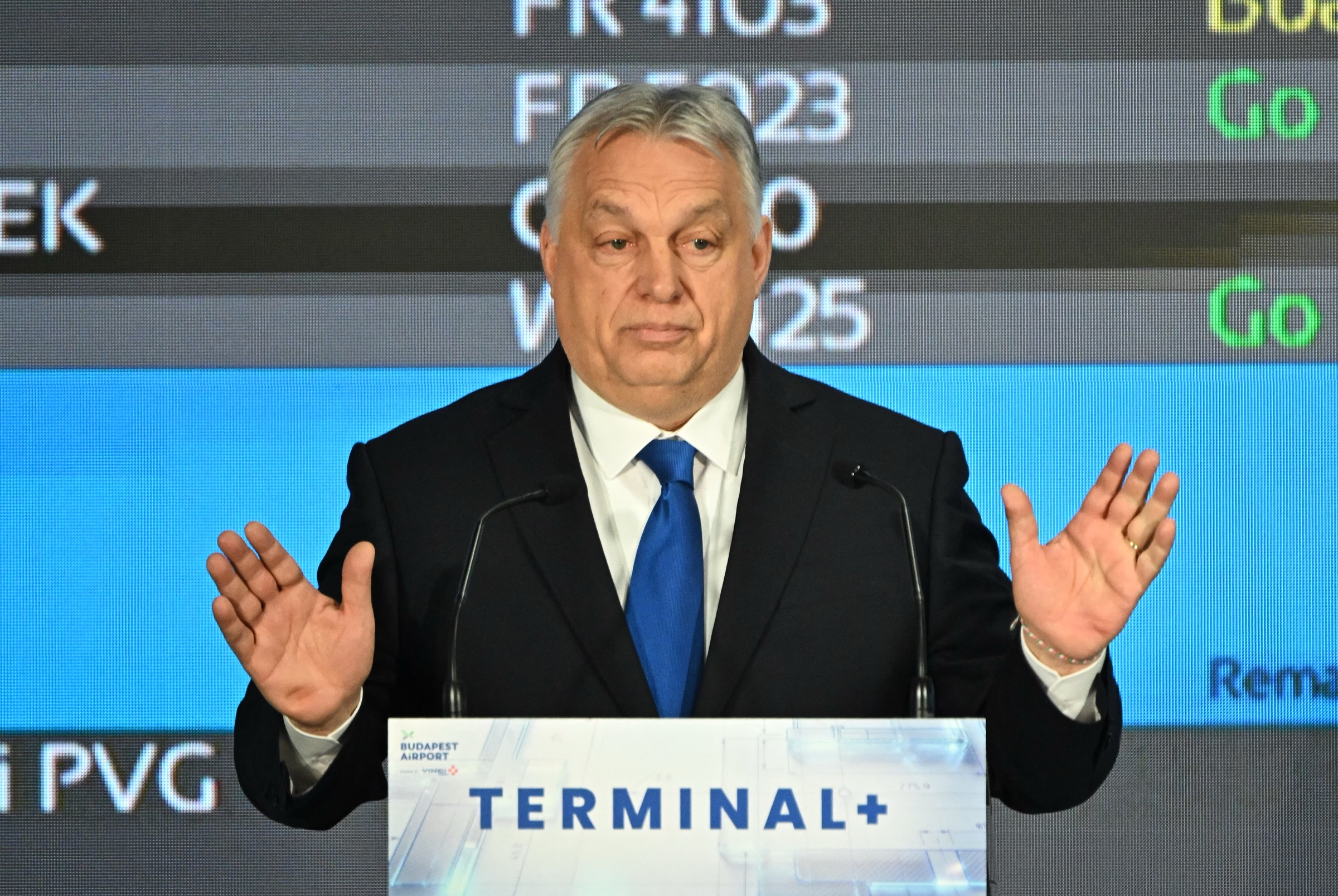 |
Hungarian Prime Minister Viktor Orban at an event in Budapest on 20/2. Photo: AFP |
Slovak Economy Minister Denisa Sakova said on 20/2 that Kyiv was delaying the restoration of oil transport via the Druzhba pipeline until 24/2. Slovak Prime Minister Robert Fico had two days earlier declared a supply emergency and threatened to impose retaliatory measures against Ukraine if the pipeline was not reopened.
The Hungarian government also announced on 19/2 that it had released about 1,8 million barrels of crude oil from strategic reserves to cover shortages. As of late January, Hungary had enough crude oil and petroleum product reserves for 96 days of use, according to data from the Hungarian Hydrocarbon Stockpiling Association.
EU leaders reached consensus in 12/2025 on a EUR 90 billion loan for Ukraine after months of intense negotiations.
Under this agreement, 24 of the 27 EU member states will collectively raise the funds through international financial markets to support Ukraine. The Union will temporarily bear this debt and interest, amounting to up to USD 3,5 billion annually, to sustain military aid and general expenses for Ukraine in the fiscal year 2026-2027.
The three countries, Hungary, Slovakia, and the Czech Republic, are not participating in sharing the financial obligation under this plan. In return, they pledged not to use their veto power to obstruct the financial aid plan for Ukraine.
By Thanh Tam (Reuters, AFP, Politico)