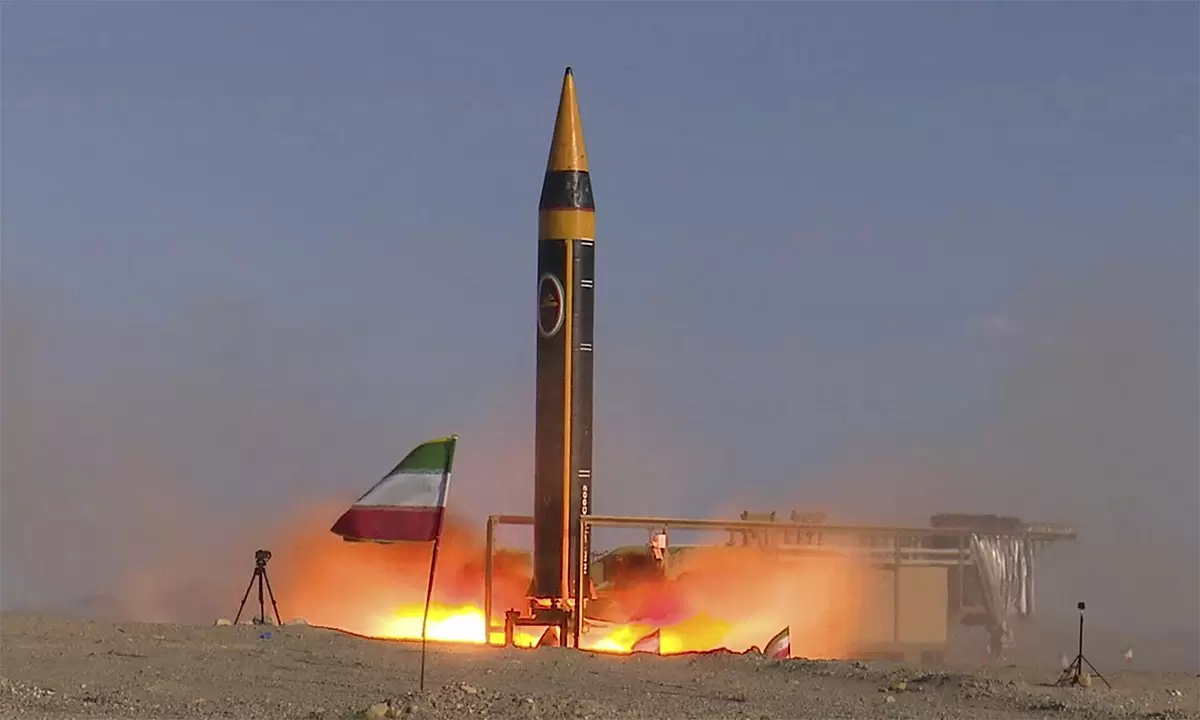
Four vessels attempted to enter the Persian Gulf via the Hormuz Strait at 00:35 local time (04:05 Hanoi time) without coordinating with Iranian security forces, Iran's state broadcaster IRIB reported on 28/5. The ships disregarded warnings, prompting security forces to fire warning shots and compel them to reverse course.
Separately, Tasnim news agency, citing Iranian military sources on the same day, reported that "a US oil tanker, with its navigation system turned off, attempted to transit the Hormuz Strait." Naval forces of the Islamic Revolutionary Guard Corps (IRGC) fired shots, compelling the tanker to reverse course. It remains unclear whether this incident is connected to the four vessels previously reported.
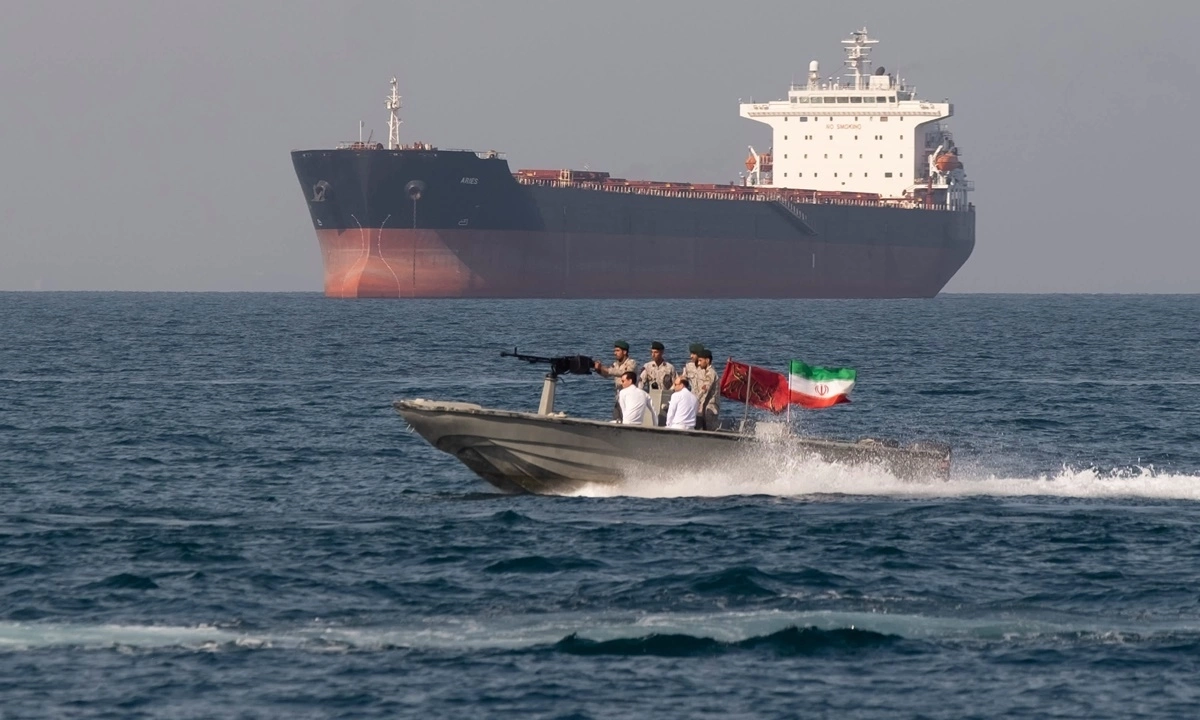 |
A speedboat carrying Iranian soldiers near the Hormuz Strait in 2019. *AFP* |
Tasnim also reported that the US military subsequently attacked a "desolate area near Bandar Abbas," a port city on the Hormuz Strait, with no reported casualties or property damage.
Axios reported that Central Command (CENTCOM) forces, responsible for US military operations in the Middle East, shot down four Iranian unmanned aerial vehicles (UAVs) in the vicinity of the Hormuz Strait.
Axios added, "The US military also targeted an Iranian ground control station in Bandar Abbas, where a fifth UAV was preparing to launch. This operation was carefully considered, entirely defensive, and aimed at maintaining the ceasefire."
Neither the Pentagon nor CENTCOM has commented on these reports. Shipping companies typically keep the movements of cargo and oil tankers through the Hormuz Strait confidential to ensure the safety of their crews and vessels.
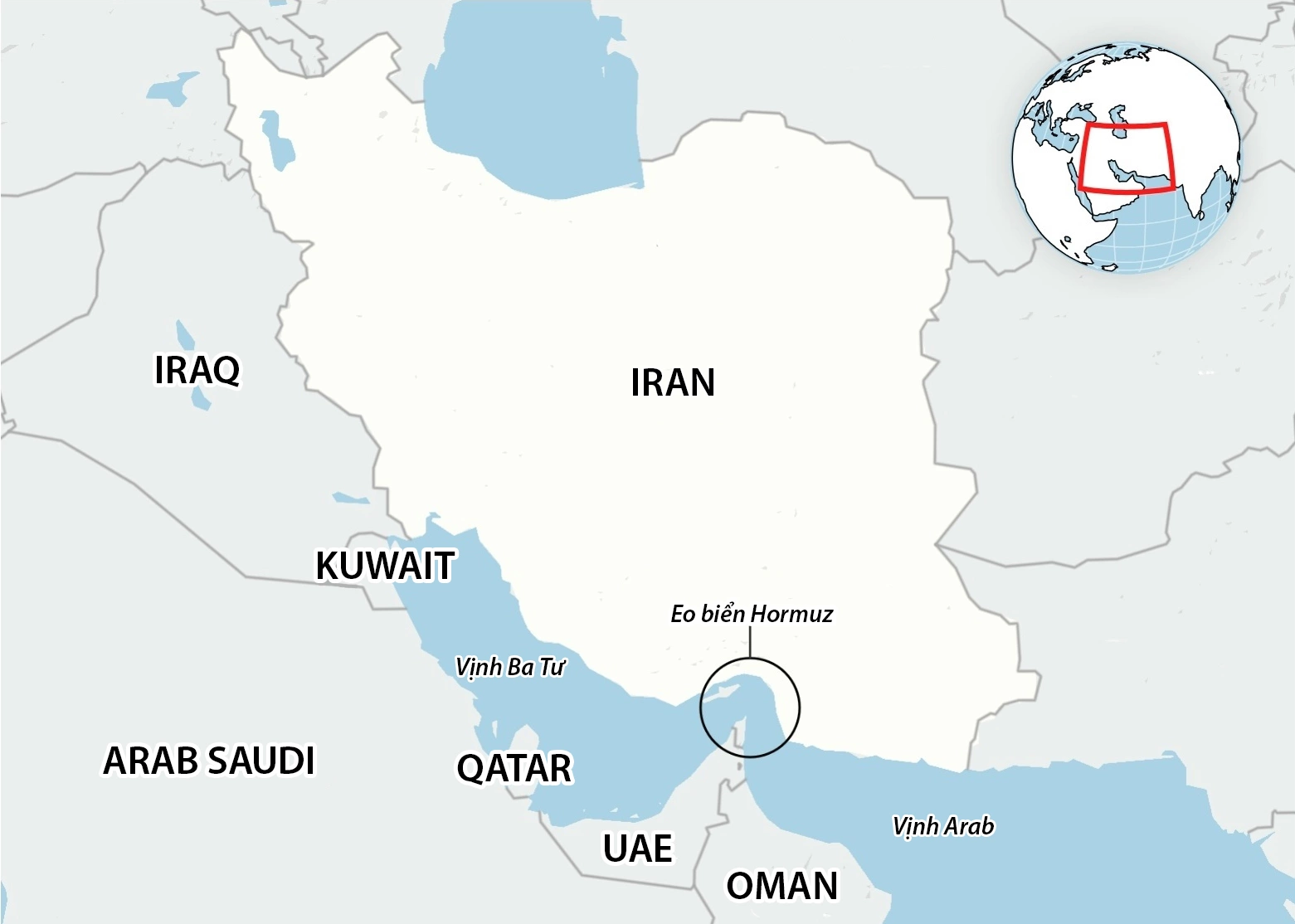 |
Location of the Hormuz Strait. *Guardian* |
These airstrikes followed a US attack three days prior targeting Iranian speedboats suspected of laying mines in the Hormuz Strait. These escalating events occur amidst ongoing US-Iran negotiations to finalize a memorandum of understanding for reopening Hormuz and to establish a timeframe for an agreement regarding Iran's highly enriched uranium stockpile.
Mohammad Akbarzadeh, the IRGC's political deputy commander, assessed the likelihood of renewed conflict as low. However, he warned that Iran is "lying in wait" and would transform its southern coastal region into a "graveyard" if the US initiated an attack.
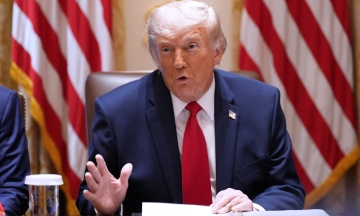
Meanwhile, President Donald Trump affirmed he was not in a rush to secure a deal with Iran. He stated that Iran showed goodwill and desired an agreement, but their proposals to date remained insufficient.
By Nguyen Tien (Source: IRIB, Tasnim, CNN, Reuters)