"We came to New York not to spread war propaganda, but to build peace," Iranian Foreign Minister Abbas Araghchi wrote on X on 27/9. He reiterated points from an NBC interview in New York, where he and President Masoud Pezeshkian attended the United Nations General Assembly last week.
In New York, Iran proposed a ceasefire with the US and the reopening of the Strait of Hormuz within seven days, communicated through intermediaries. Although US President Donald Trump told reporters he rejected the proposal, Foreign Minister Araghchi noted Tehran awaits Washington's official response.
He stated Tehran is ready to reopen the Strait of Hormuz if Washington meets several conditions, including ending "the war of aggression," unfreezing Iranian assets, and stopping efforts to prevent the country from selling oil.
"Iran will stand firm against any hostile action, even if it leads to a doomsday war," Araghchi declared, seemingly referring to President Trump's remarks about potentially resuming airstrikes against Iran.
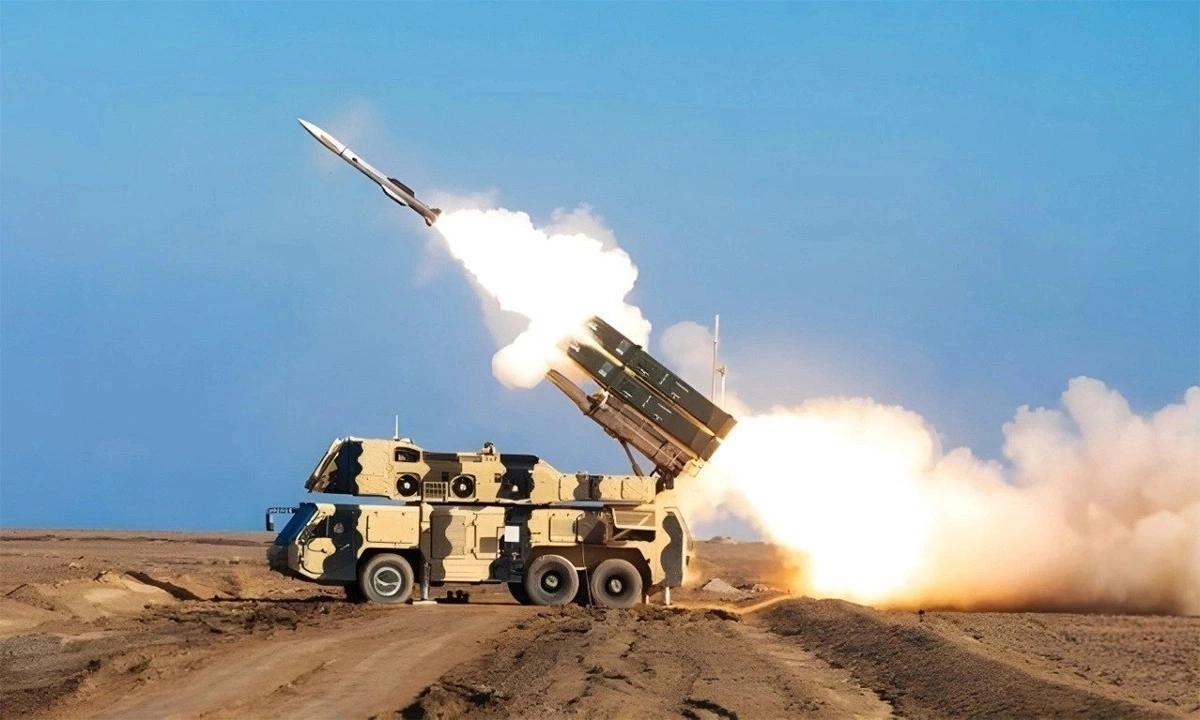 |
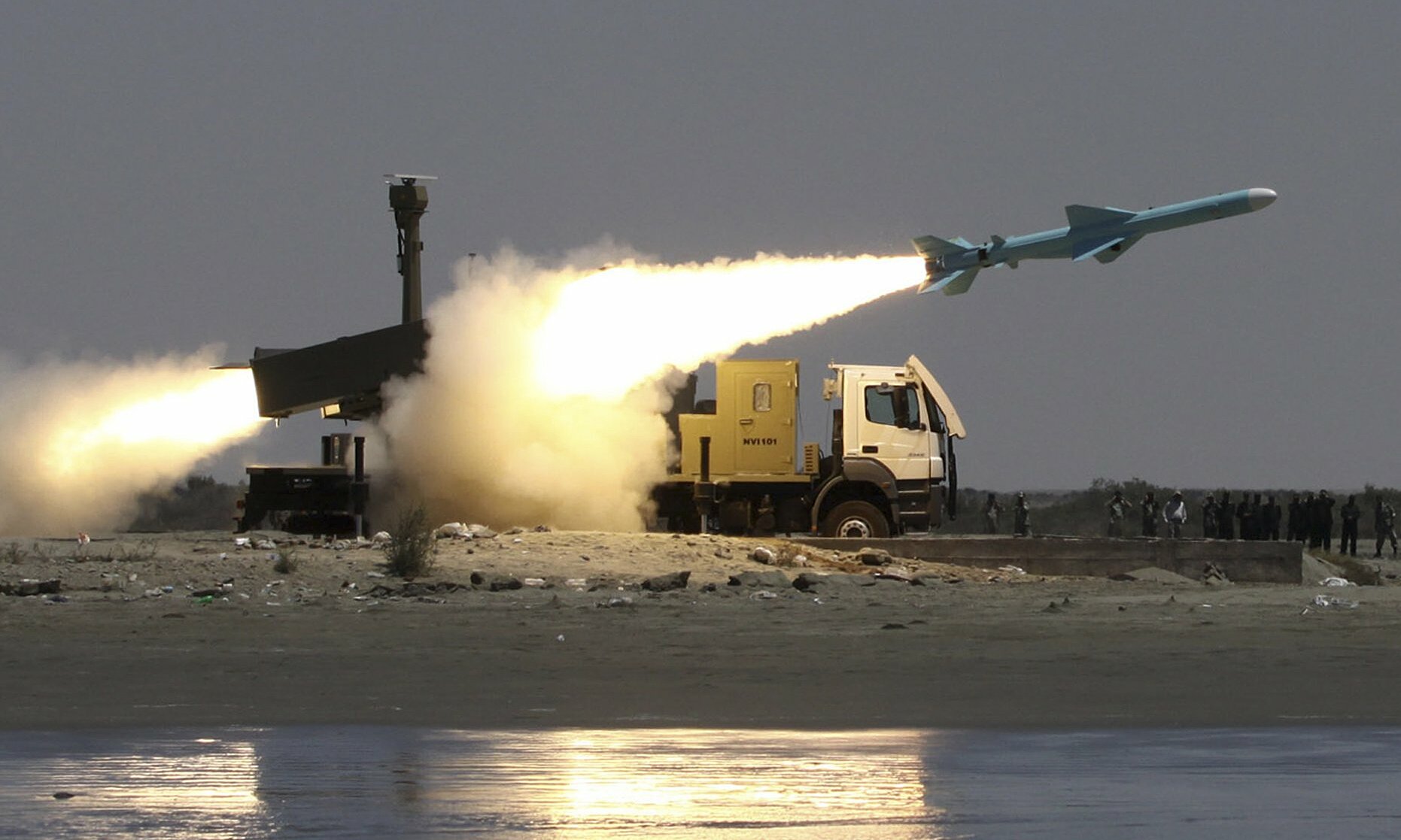
Iran's Sevom Khordad system fires in an image released in January 2025. *Tehran Times* |
During the NBC interview, Iran's foreign minister recounted that Washington initiated negotiations in 2025, then launched an airstrike campaign while discussions were underway.
Nearly eight months later, the US again proposed negotiations, and Iran accepted. "Once more, they attacked us in the middle of the dialogue process," Araghchi said.
Iran's foreign minister, however, believes diplomacy still has a chance for success. He stated Tehran remains ready to negotiate, unwilling to dismiss any glimmer of hope for peace.
US Ambassador to the United Nations Mike Waltz said President Donald Trump does not yet trust Tehran's goodwill, citing violations of the ceasefire agreement in June.
Foreign Minister Araghchi rejected this accusation, arguing the US was the initial violator. He countered that if Washington perceived Tehran's violations, US officials should have used the dispute resolution mechanism outlined in the memorandum instead of conducting airstrikes.
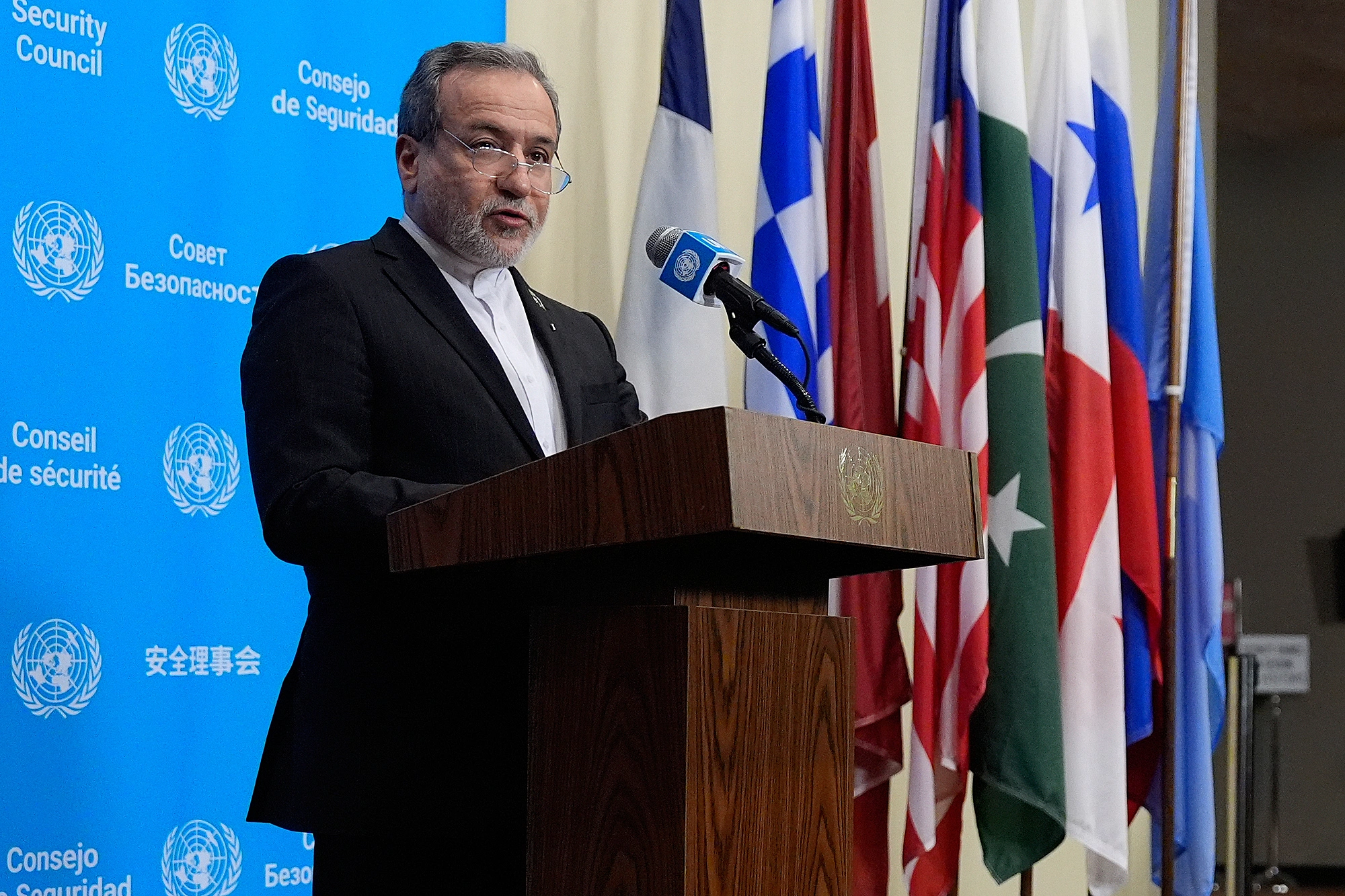 |
Iranian Foreign Minister Abbas Araghchi speaks on 25/9 in New York. *AP* |
Asked if he trusted President Trump, Araghchi replied that Iran "only trusts itself."
Regarding the nuclear program, Iran's foreign minister stated that enriching uranium to 60% is not prohibited by the Non-Proliferation Treaty and falls within its peaceful nuclear program. He added Tehran could continue discussing this issue, but stressed that "war is not the solution."
Iran prefers to address nuclear issues at a later stage of the peace process, focusing initially on confidence-building measures, including unfreezing assets and lifting sanctions.
The US President has not commented on this statement, but Trump believes Iran offers peace proposals because it is "losing badly" and asserts Washington's sanctions, pressure, and isolation campaign against Tehran are effective.
By Thanh Danh (Source: Nation, Mehr News, Tasnim, Al Jazeera)