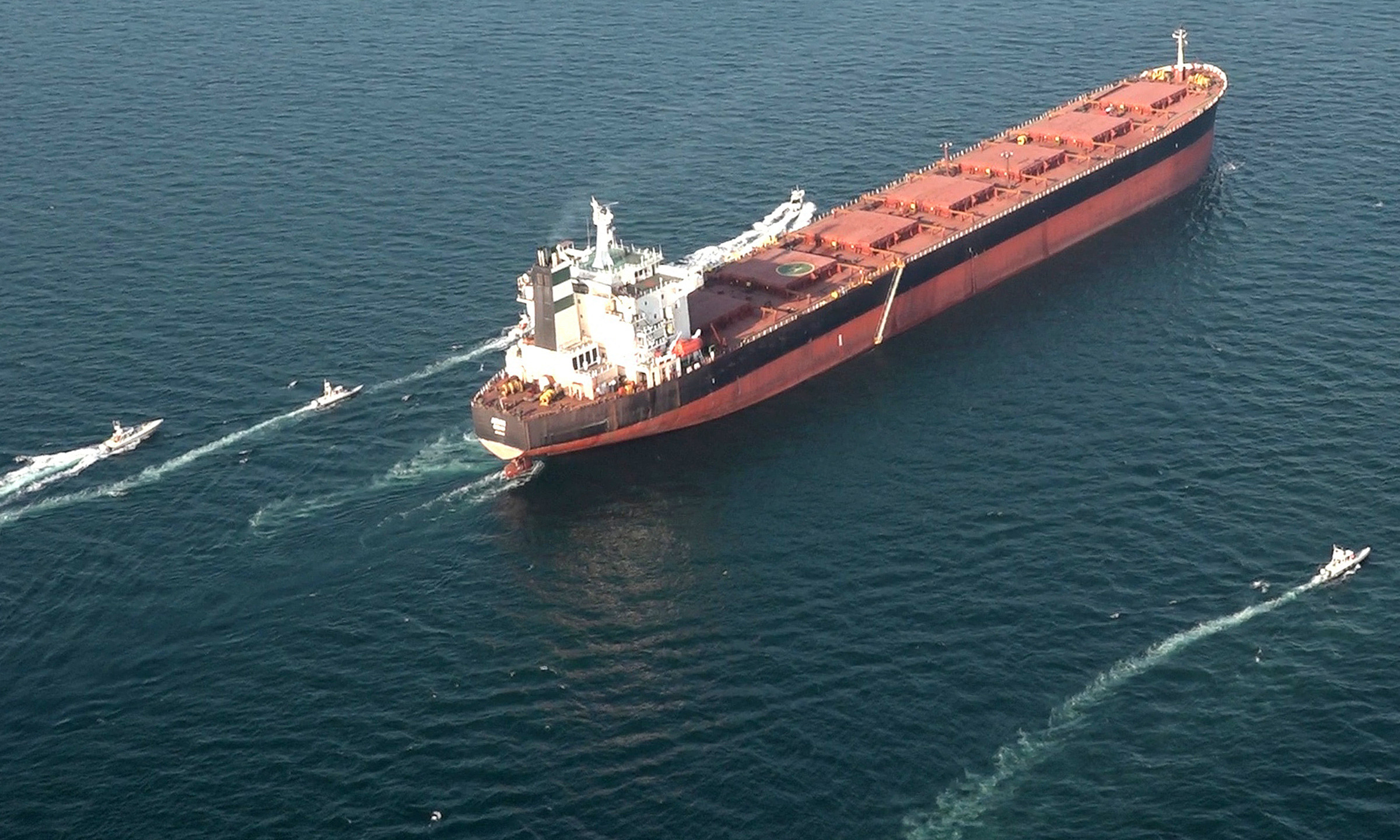
Iran's Defense Council stated in a declaration today that if there is any attempt to attack Iran's coast and islands, all access routes and traffic lanes in the Persian Gulf, as well as the coastal areas in the region, will be strewn with mines.
The agency warned that a retaliatory mining operation would blockade the Persian Gulf, urging regional countries to persuade the US to abandon its intention of deploying troops to strategic strongholds on the Strait of Hormuz. "The only way for non-hostile countries to navigate the Strait of Hormuz is to cooperate with Iran. All consequences will be borne by the aggressor party", Iran's Defense Council added.
President Donald Trump warned on the Truth Social network on the night of 21/3 that the US would attack and destroy Iran's power plants, starting with its largest, if Tehran did not open the Strait of Hormuz and cease threatening vessels passing through it within 48 hours. Trump's ultimatum had a deadline of 23:44 on 23/3 (11:44 a.m. on 24/3 Hanoi time).
Iran's military declared it would close the Strait of Hormuz and eliminate energy infrastructure across the region in retaliation if this occurred.
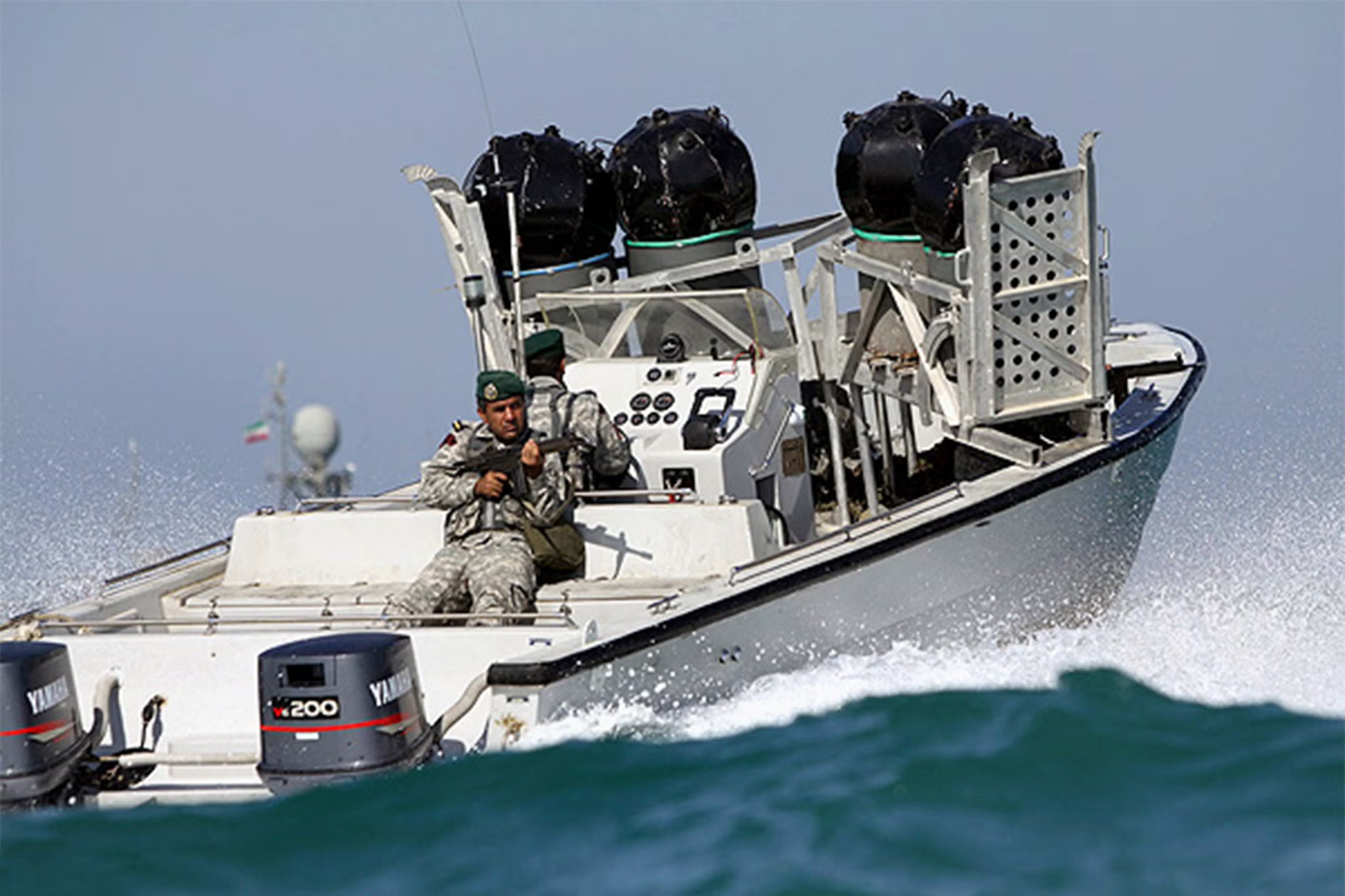 |
Speed boat of Iran's Islamic Revolutionary Guard Corps carrying 4 mines during an exercise on the Strait of Hormuz. *Photo: Telegraph*. |
This marks the first time Iran has threatened to mine the Persian Gulf, the world's vital oil shipping lane situated between Gulf states and connecting to the Arabian Sea via the Strait of Hormuz.
Iran's Defense Council recalled that in the 1980s, over 100 minesweepers from various countries faced difficulties in clearing a small number of deployed mines. The agency warned that the scale and complexity of a mining operation in the Persian Gulf would now far exceed the past.
Mines are among the simplest yet most devastating weapons the US Navy has ever faced, damaging more warships than any other attack method since World War II, according to a report by the US Naval Institute.
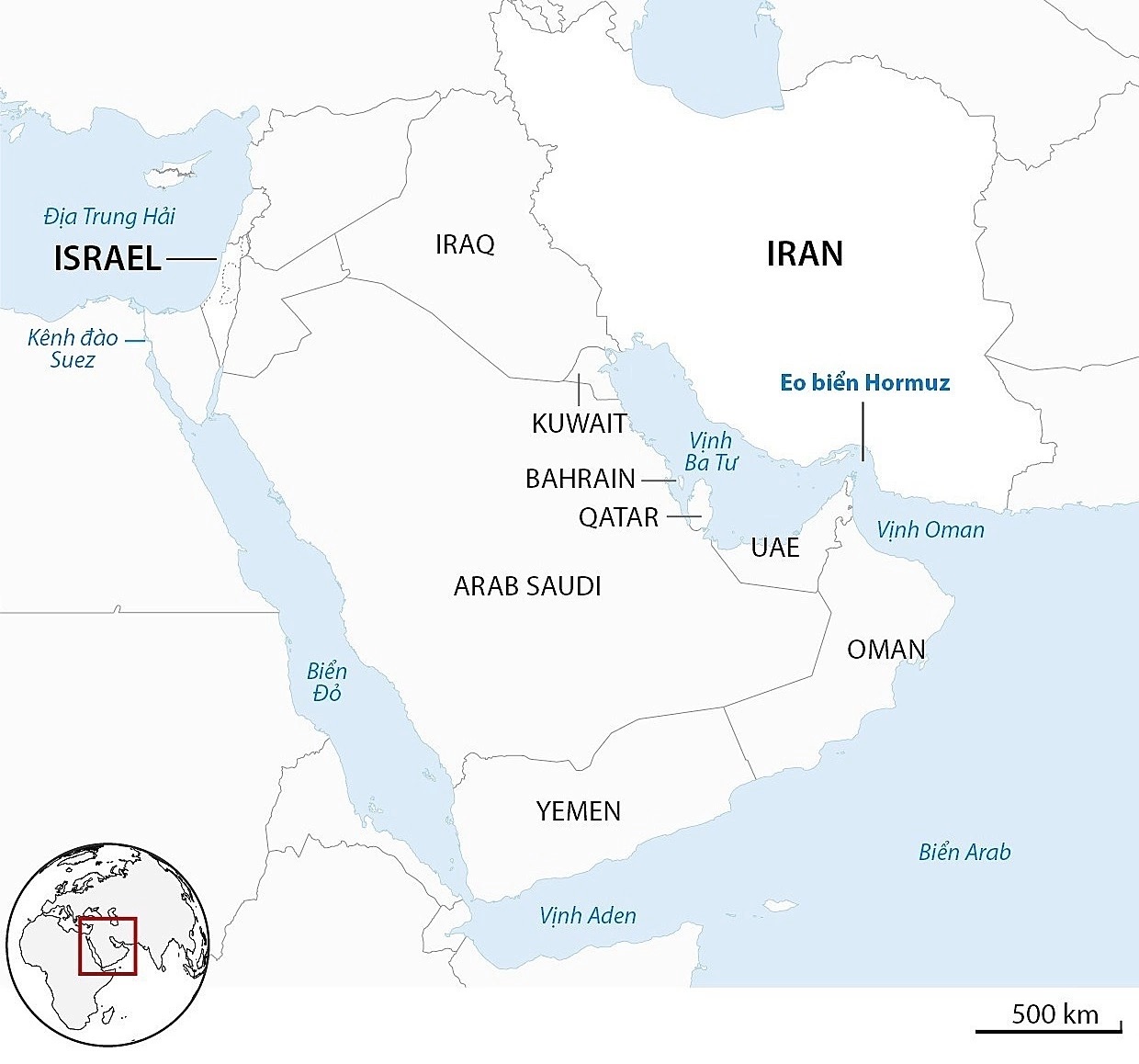 |
Location of the Persian Gulf and the Strait of Hormuz. *Graphic: Guardian*. |
The narrowest point of the Strait of Hormuz is only nearly 34 km wide, and the shipping channel for vessels is even narrower, making the threat from naval mines severe. Vessels passing through have little room to maneuver and a higher likelihood of striking these explosive devices.
By Thanh Danh (According to CNN, AP, WANA)