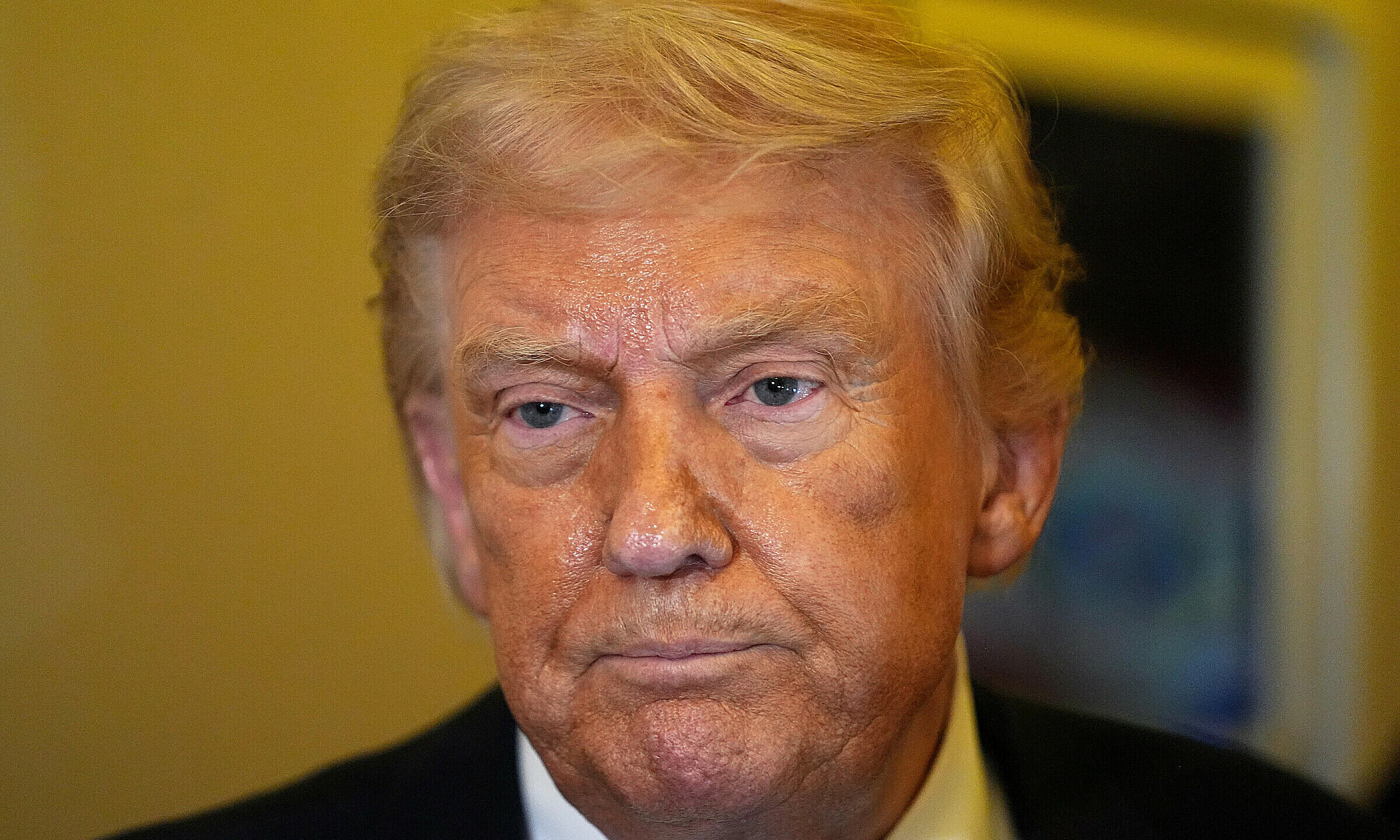
Iran's state television IRIB reported today that "after Chinese, Japanese, and Pakistani ships safely transited the Hormuz Strait with the Iranian navy's permission, several European nations are seeking our approval for their vessels to use this sea lane." The report did not specify which European countries were involved.
Ebrahim Azizi, head of Iran's National Security and Foreign Policy Committee, also stated today that Tehran has developed a traffic management mechanism for the Hormuz Strait, which will be unveiled soon. He added that only vessels from countries cooperating with Iran would benefit from this arrangement, and Iran would levy fees for "special services provided under the mechanism."
No European nation has yet commented on this development.
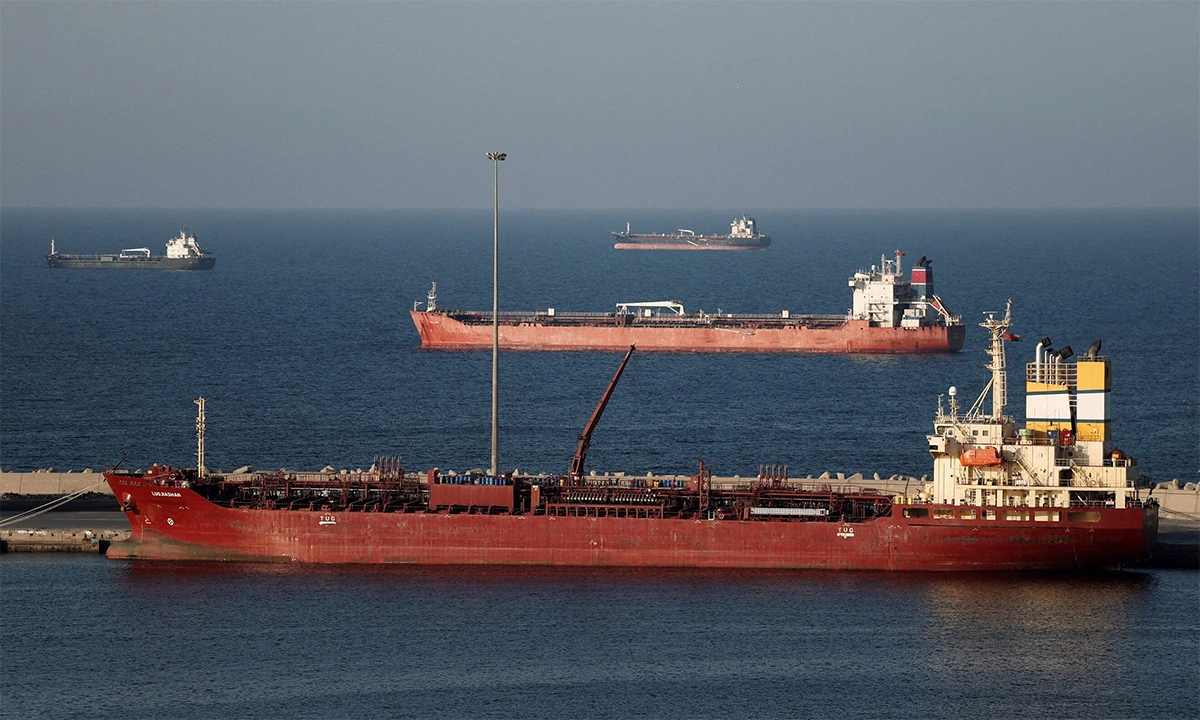 |
An oil tanker anchored in Muscat, Oman, near the Hormuz Strait on 7/3. *reuters*. |
In peacetime, the Hormuz Strait is a critical waterway, facilitating the transit of approximately 20% of the world's oil and natural gas. Following the outbreak of conflict with the United States and Israel on 28/2, Iran largely halted shipping through this vital waterway. The Hormuz Strait was briefly reopened after a ceasefire on 8/4, but the United States subsequently announced a blockade of Iranian ports in retaliation. The blockage of vessels in the region significantly impacted global markets and provided Iran with considerable leverage in ongoing negotiations.
Tehran has repeatedly stated that maritime traffic through the Hormuz Strait "will not revert to its pre-conflict status." Last month, Iranian officials confirmed they had received the initial fees associated with passage through this key maritime route. In recent days, Iran has permitted dozens of vessels, including those from China, to transit the Hormuz Strait after several nations "reached agreements on strait management protocols."
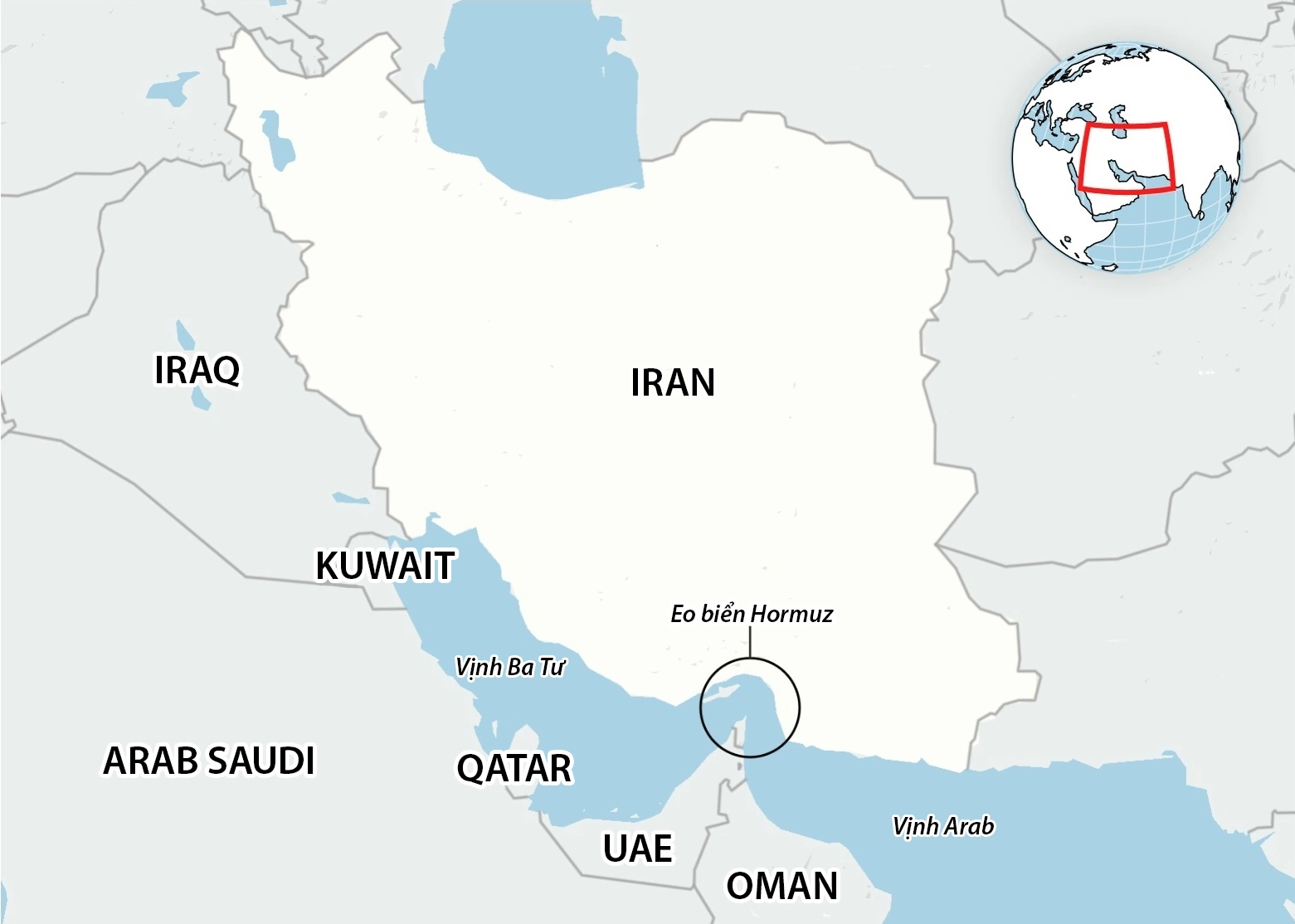 |
The location of the Hormuz Strait. *guardian*. |
Nguyen Tien (*afp, irib, ap*)