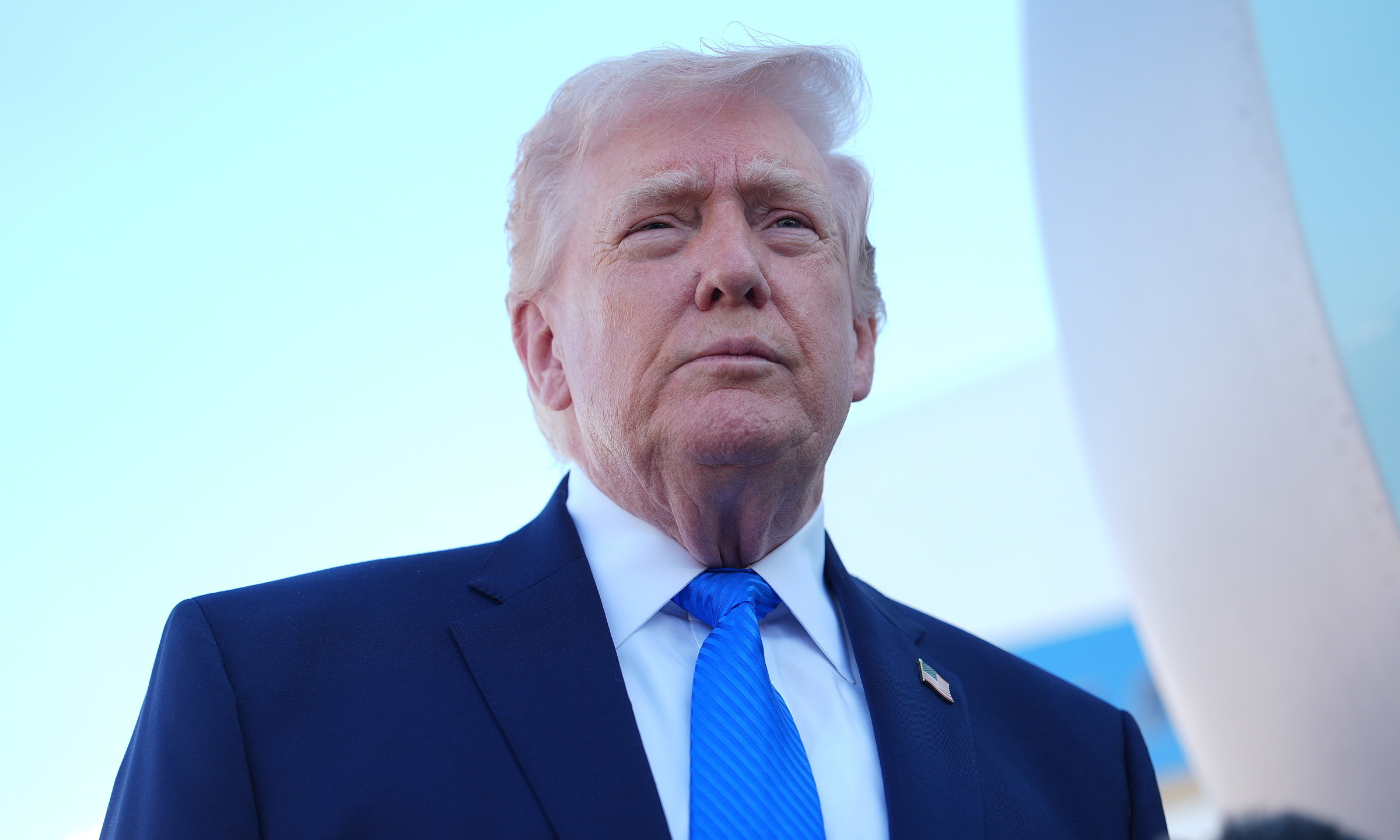
The Times of Israel on 25/3 cited information from a senior Arab diplomat and a US official, revealing details about the "big gift" President Donald Trump said he recently received from Iran.
According to these officials, the Trump administration, through intermediaries, began sending messages to Iran to explore a diplomatic resolution to the conflict. They asked Tehran to "make a gesture of goodwill."
In response, Iran agreed to allow some oil tankers unrelated to the US or Israel to pass through the Strait of Hormuz to help stabilize global markets, the senior Arab official revealed.
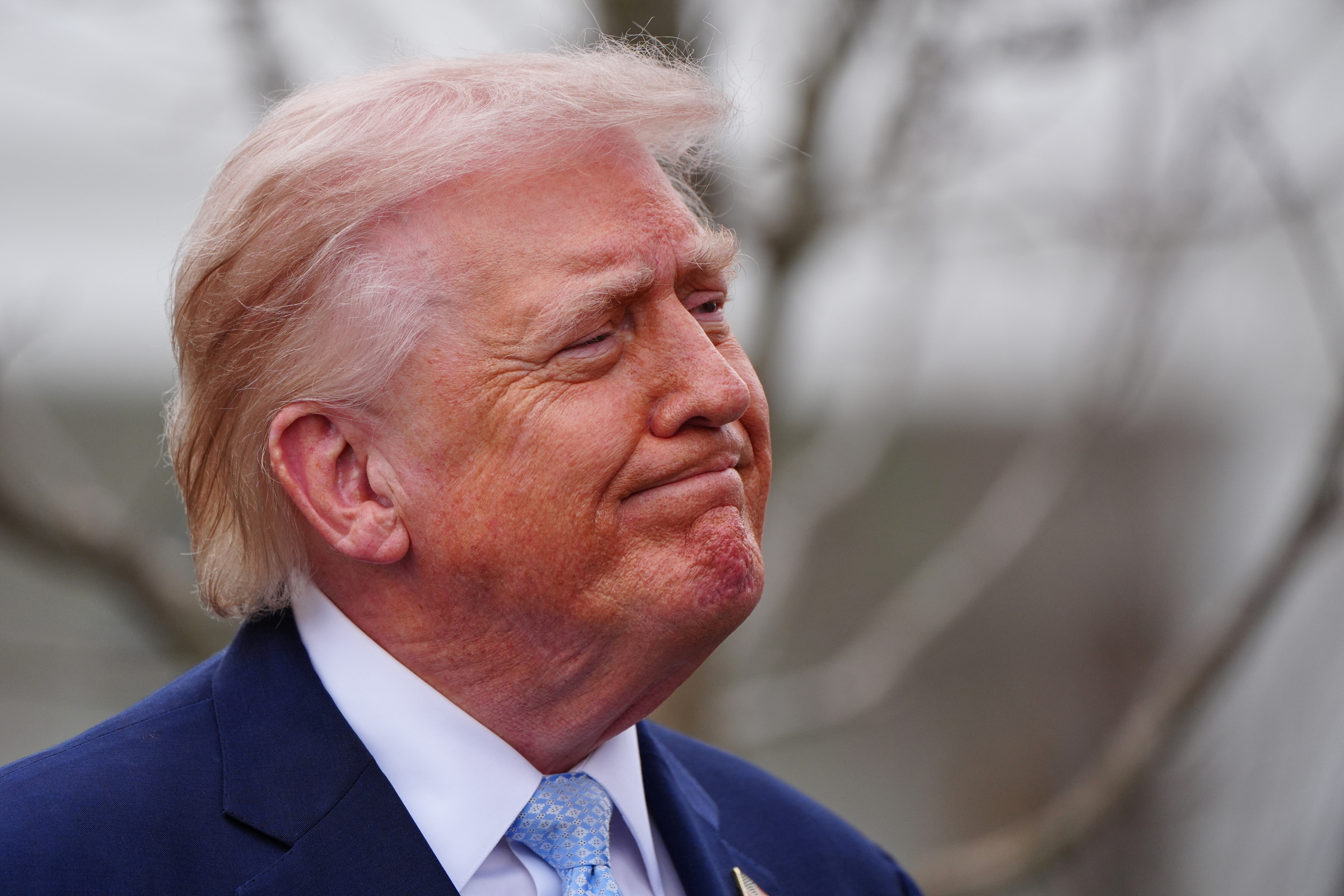 |
President Donald Trump on the White House grounds on 20/3. *AP*
President Trump later shared more about the negotiation process with Iran, stating that Tehran had "given a very big gift". He did not specify the gift, only revealing it was related to oil and the Strait of Hormuz.
"They did something really great. They gave us a gift and that has arrived. It's a very big gift and it's worth a lot of money," Trump said on 24/3, adding that he believed he was "working with the right people" in Iran.
Trump: Iran gave US a 'very big gift' related to oil and gas
The Arab official acknowledged that allowing a small number of oil tankers to pass through the Strait of Hormuz was unlikely to have a significant or long-term impact on global oil prices. This was a concession Iran had not made as long as the conflict continued. According to the official, the limited impact of this "gift" seemed to be why Trump did not elaborate on it.
When asked about the issue, the White House cited press secretary Karoline Leavitt's statement, saying the US was closely monitoring oil tanker traffic through the Strait of Hormuz. Ms. Leavitt added that there was no "specific timetable" for when all vessels could move freely through this vital shipping lane.
Politico cited sources close to President Trump, stating that even those within the White House were "astonished" by Trump's announcement of a "big gift" from Iran.
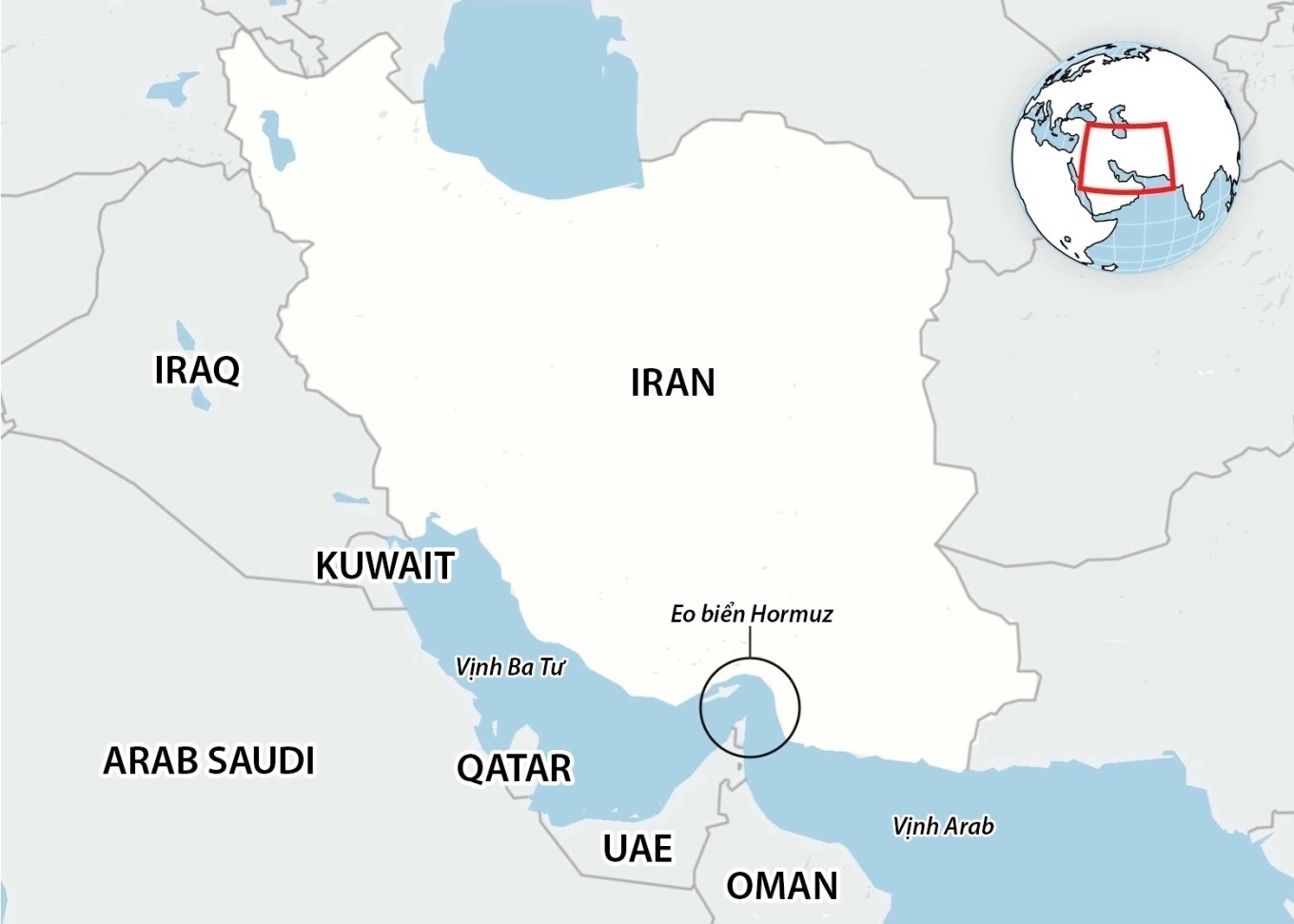 |
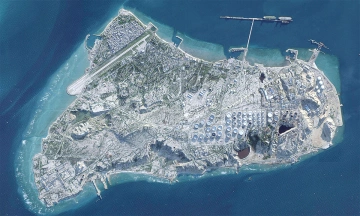
Location of the Strait of Hormuz. *Guardian*
The US president recently also stated he was "in dialogue with the right people and they very much want to make a deal" on the Iranian side, but did not name them specifically. He assessed that Iran had "changed its regime" after the death of supreme leader Ali Khamenei and a series of top officials, as the current leaders were "very different" from their predecessors.
However, the Iranian military rejected reports of negotiations with the US, emphasizing that stability "can only be achieved through strength". Tehran also did not accept the 15-point ceasefire proposal put forth by Washington.
Since the outbreak of hostilities, Iran had virtually blockaded the Strait of Hormuz, a vital oil and gas artery to the world, leaving a series of oil and cargo ships stranded in the Persian Gulf. Thai Foreign Minister Sihasak Phuangketkeow stated yesterday that an oil tanker owned by the Bangchak group had passed safely through the Strait of Hormuz two days prior, following negotiations with Iran's Ambassador in Bangkok.
Ngoc Anh (According to Times of Israel, AP, AFP)