Iran claims complete control over the Persian Gulf, the waters off Oman, and the Strait of Hormuz. "Thanks to its superior advantage and strength, we do not need to deploy mines in the Persian Gulf and will use every possible measure to ensure security when necessary," stated Iranian military spokesperson Ebrahim Zolfaghari on 23/3.
Zolfaghari emphasized that Iran's armed forces and regional partners can defend the Persian Gulf against threats from the US and Israel. He added, "Outside powers have no right to interfere."
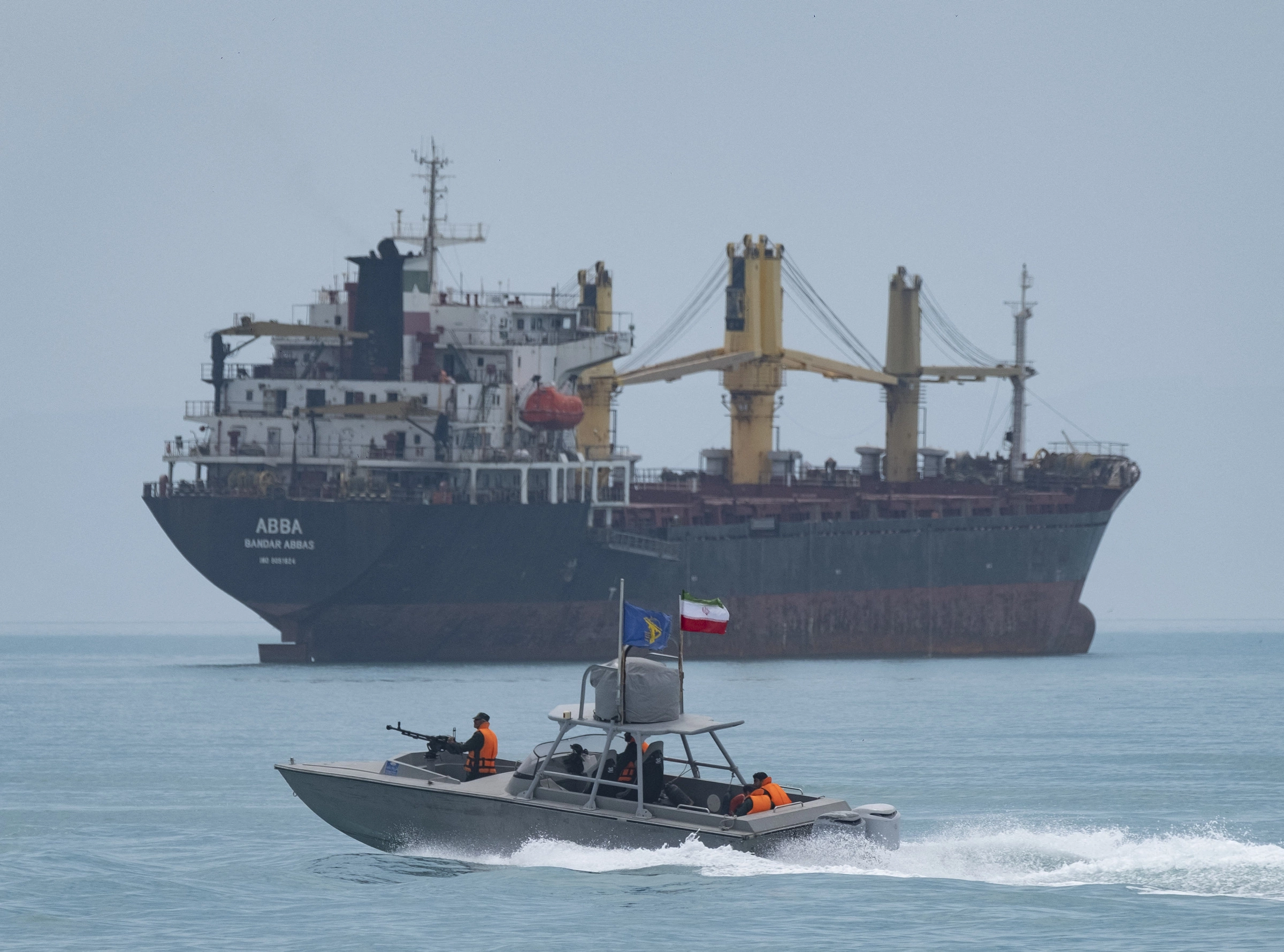 |
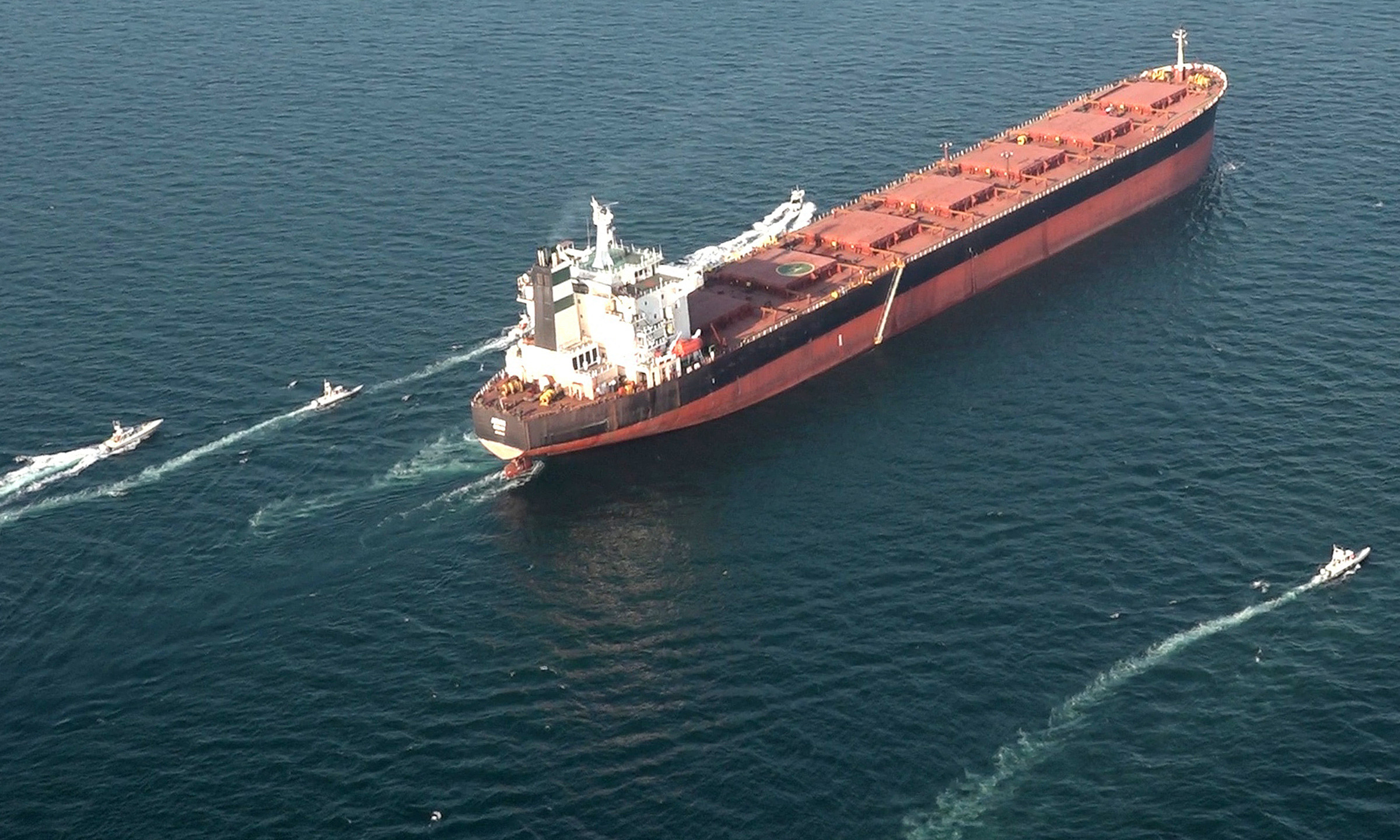
An Iranian Revolutionary Guard Corps patrol boat in the Persian Gulf in 4/2024. Photo: AFP |
The Iranian Defense Council previously warned that all access routes and traffic in the Persian Gulf, as well as the region's coastlines, would be heavily mined with various types of mines if there were any attempts to attack Iran's coastlines and islands. According to the council, a mine-based retaliation would "lock down the Persian Gulf."
The Persian Gulf is a vital global oil shipping lane, situated between Gulf countries and connecting to the Arabian Sea via the Strait of Hormuz. Approximately 20% of the world's crude oil passes through the Strait of Hormuz, making its security crucial for global energy markets.
Despite Iran's official stance, CNN, citing two knowledgeable sources earlier this month, reported that Iran had begun deploying mines in the Strait of Hormuz. Normally, about 20 million barrels of oil pass through the strait daily, but any closure of this waterway by Iran has historically caused disruptions, leading to increased shipping costs and a surge in global oil prices.
President Masoud Pezeshkian stated on 23/3 that Iran has implemented measures allowing vessels unrelated to the US or Israel to pass through the Strait of Hormuz, indicating an effort to manage maritime traffic amid regional tensions.
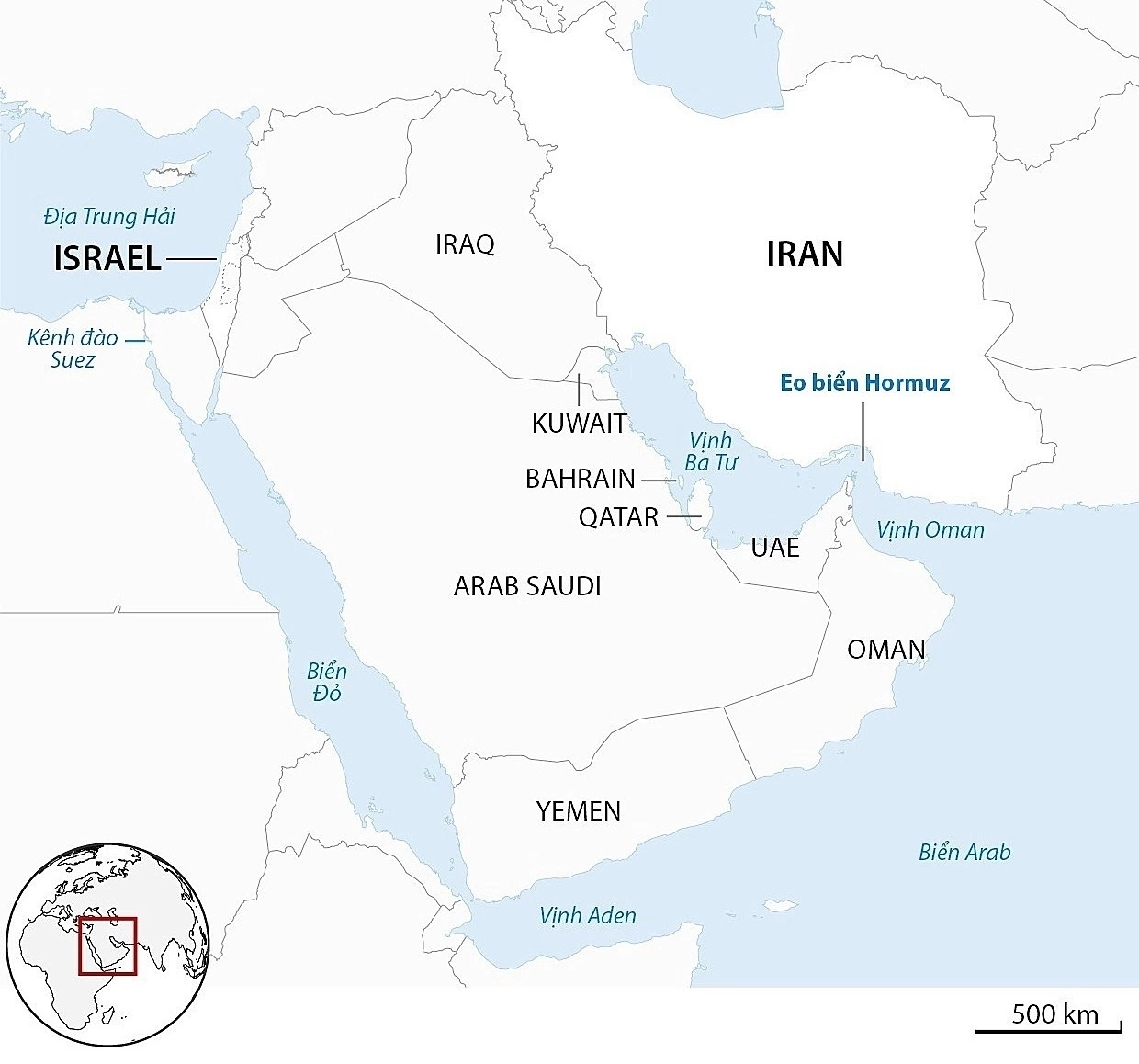 |
Location of the Persian Gulf and Strait of Hormuz. Graphic: Guardian |
The conflict between Israel, the US, and Iran has entered its fourth week, with neither side showing signs of halting military action. US President Donald Trump stated on 23/3 that he was negotiating with a senior Iranian leader to end the conflict, but Tehran denied this information.
Mines are among the simplest yet most devastating weapons the US Navy has ever faced, damaging more warships than any other attack method since World War II, according to a US Naval Institute report. The narrowest point of the Strait of Hormuz is just under 34 km wide, with the shipping channel for vessels being even narrower, making the risk from naval mines severe. Vessels passing through have little room to maneuver, increasing the likelihood of striking these explosive devices.
By Huyen Le (According to CNN, Anadolu Agency, RIA Novosti)