Iran's Oil Ministry announced on 25/7 that the country sold 11.5 billion USD in oil during the conflict and 6.5 billion USD during the ceasefire. These sales accounted for over 60% of the projected oil revenue in this year's budget, despite the prevailing crisis.
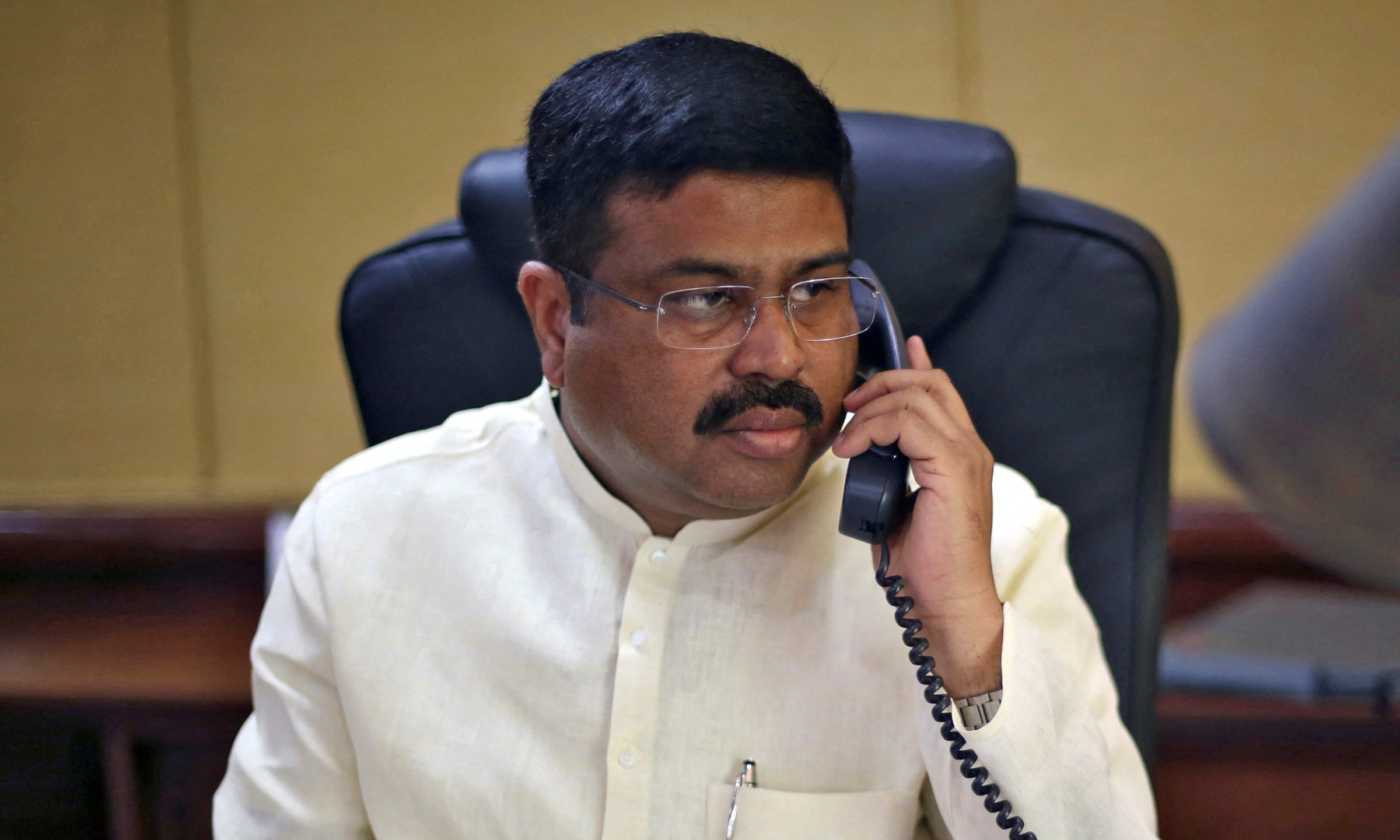
Iranian Oil Minister Mohsen Paknejad added that reduced risks for oil tanker shipments helped boost exports. This allowed Tehran to sell a portion of its approximately 100 million barrels of stored crude oil and condensate.
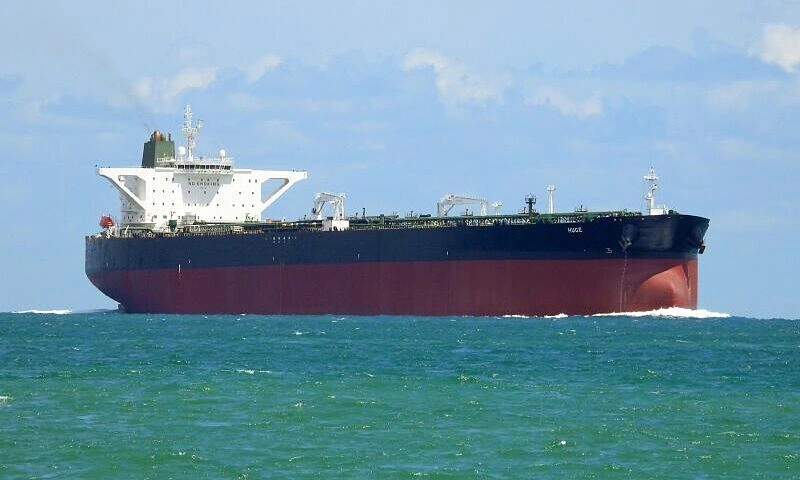 |
An Iranian oil tanker in Singapore in 11/2023. Photo: Shipspotting |
Parliament Speaker Mohammad Bagher Ghalibaf, Iran's chief negotiator, stated late last month that Tehran was unable to export any oil while Washington imposed a blockade on its seaports.
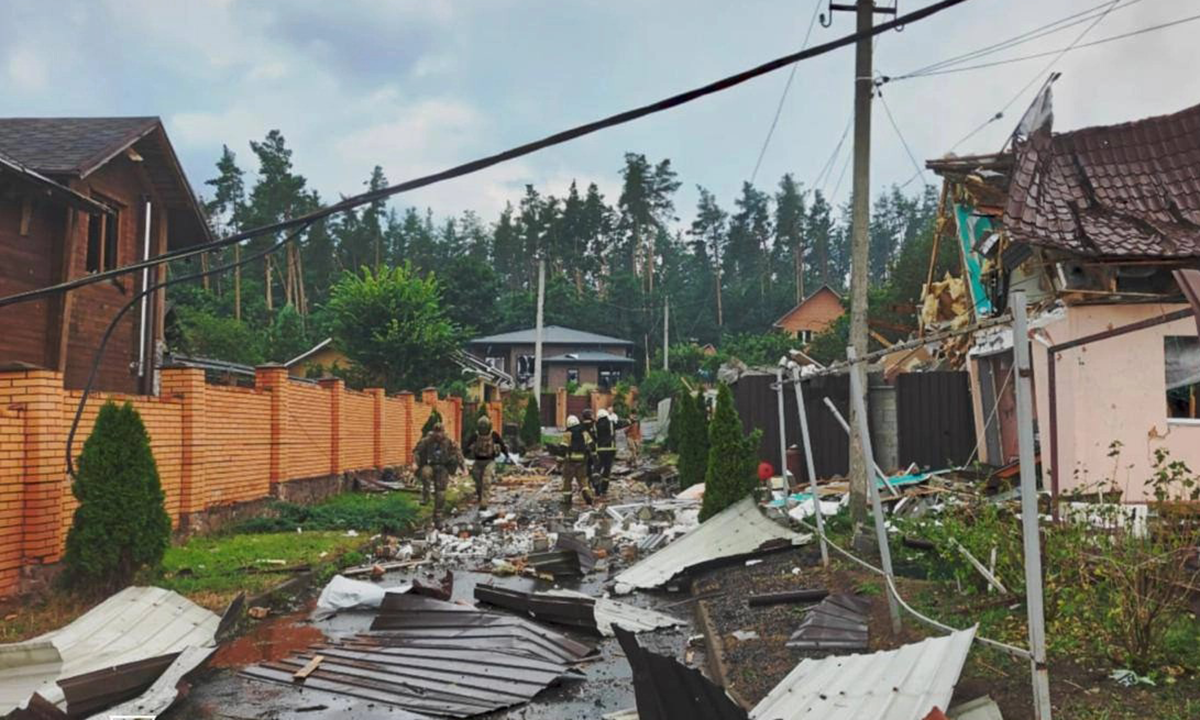
The US and Israel initiated a conflict targeting Iran on 28/2, to which Tehran responded with attacks on Washington's regional allies.
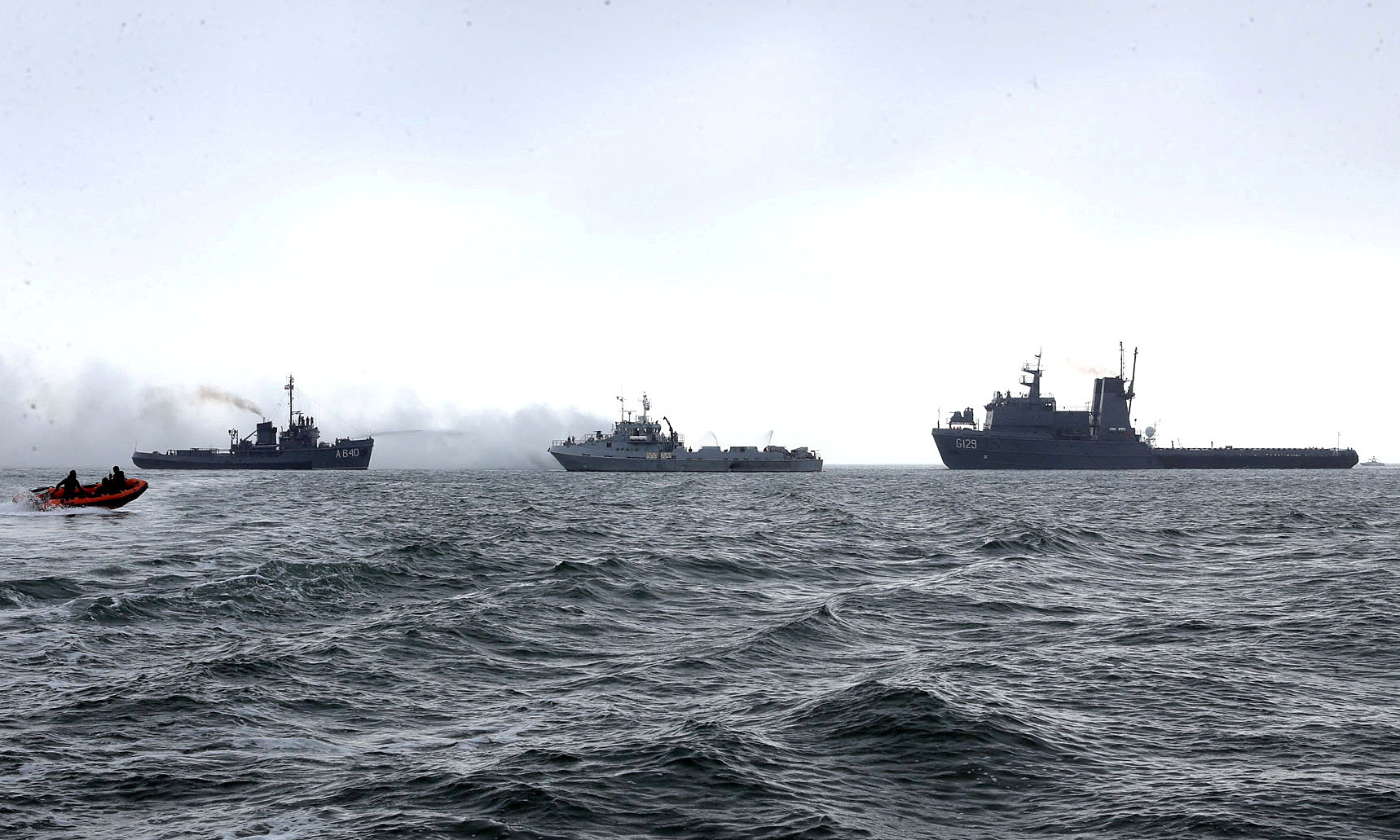
A ceasefire reached in 4/2026 helped de-escalate the conflict. However, fighting reignited in late June as both sides resumed their struggle for control of the Strait of Hormuz, a strategic shipping lane for global oil transportation.
The conflict nearly paralyzed the Strait of Hormuz, sending fuel prices soaring and causing widespread economic fluctuations.