"The government engaged in dialogue with protesters. The internet was cut only after we dealt with terrorist activities and observed external direction", Iranian Foreign Minister Abbas Araghchi told Al Jazeera on 13/1, explaining the nationwide internet shutdown amidst a wave of protests.
Araghchi stated that the government is coordinating with Iranian security agencies to restore internet access soon, but he did not provide a specific timeline.
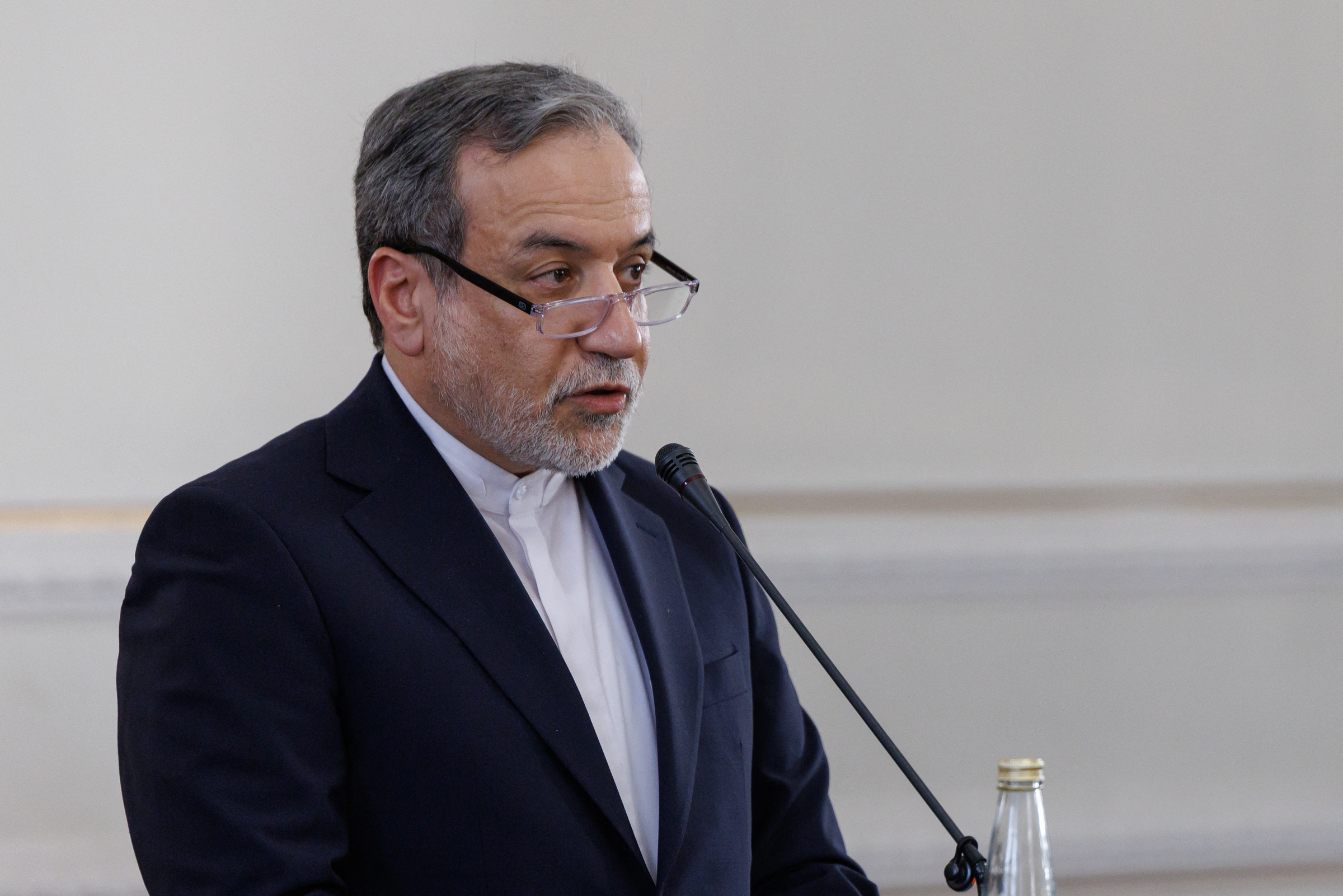 |
Iranian Foreign Minister Abbas Araghchi in Tehran in 11/2025. Photo: AFP |
Netblocks, a network monitoring organization, reported earlier on the same day that internet connectivity in Iran had been disrupted for 108 hours since the nationwide internet shutdown took effect.
AFP correspondents, meanwhile, reported that international phone calls had been restored in Iran after several days of blocking. Overseas phone connections from Iran were previously disrupted starting on 9/1.
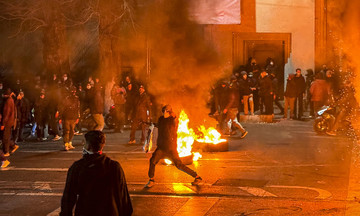
The protests began on 28/12/2025, driven by merchants dissatisfied with Iran's economic situation and the devaluation of the rial. Iranian officials accuse "terrorist agents" from Israel and the US of inciting unrest, while the US Department of State refutes these claims, stating that Tehran is "distracting public opinion from internal issues".
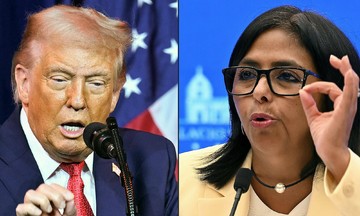
US President Donald Trump has recently threatened to consider "military action" against Iran if more protesters in the country are killed.
Iranian state media reported that protests escalating into violence have resulted in the deaths of at least 109 security force members. The Iran Human Rights Activists (HRANA), a US-based monitoring group, estimates that over 500 people, including protesters and security personnel, have died during the current wave of demonstrations.
Ngoc Anh (According to AFP, Reuters, Al Jazeera)