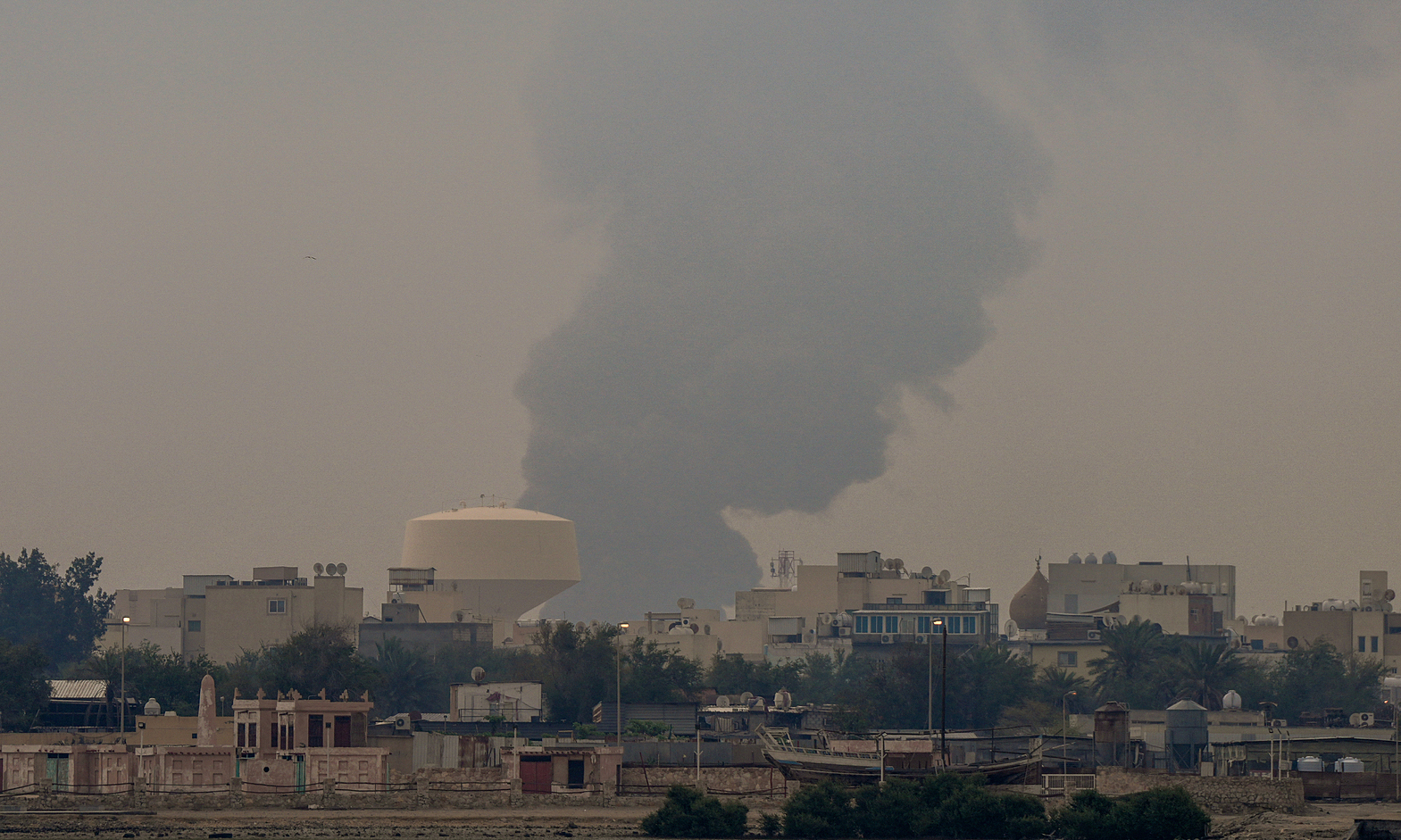
"Any provocative action by aggressive parties and their supporting forces regarding the situation in the Strait of Hormuz, including within the United Nations Security Council, will only further complicate the situation," Iranian Foreign Minister Abbas Araghchi stated today.
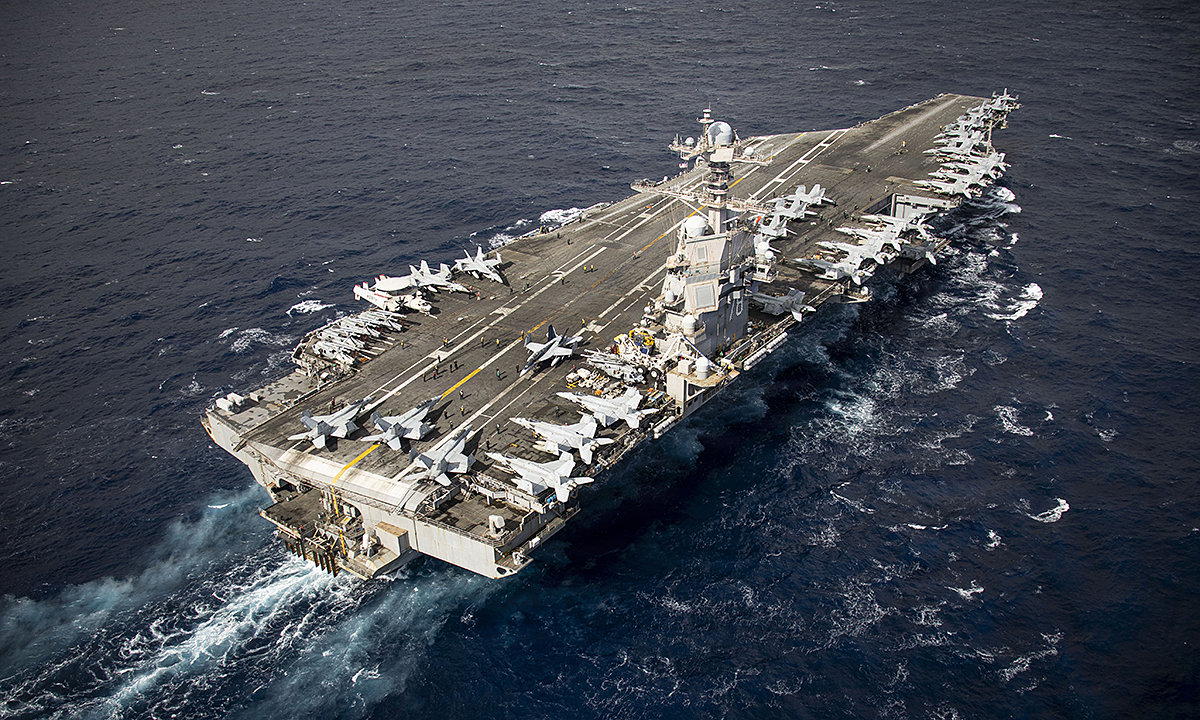
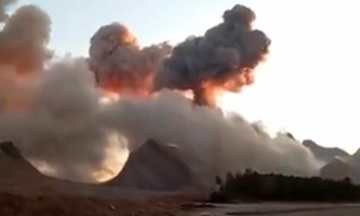
The Strait of Hormuz, a vital waterway for global energy transport, has been largely closed off by Iran since the US and Israel launched attacks against the country on 28/2.
The United Nations Security Council, comprising five permanent members and 10 non-permanent members, was initially scheduled to vote on 3/4 on a draft resolution submitted by Bahrain. This resolution would authorize the use of "defensive" force to protect maritime navigation in the Strait of Hormuz from Iranian attacks.
However, the United Nations announced on 2/4 that the vote had been postponed due to Good Friday being a holiday. A new timeline has not yet been set.
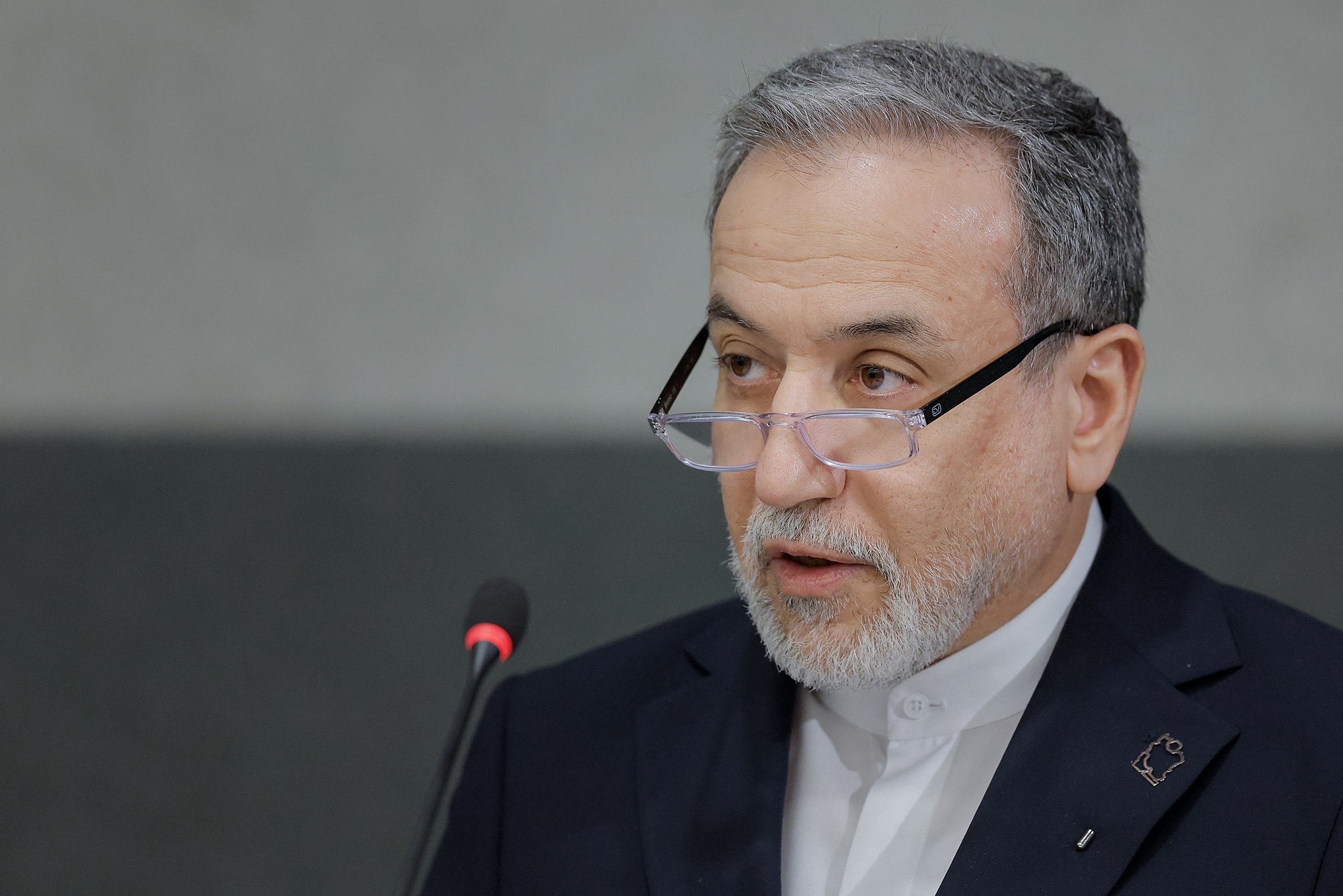 |
Iranian Foreign Minister Abbas Araghchi speaks at a session of the United Nations Conference on Disarmament in Geneva, Switzerland on 17/2. Photo: AFP
The initial draft resolution invoked Chapter VII of the UN Charter, which allows the Security Council to authorize the use of force to restore peace. This provision was later removed.
According to the 6th and final revised draft, seen by AFP, the resolution allows member states, either unilaterally or through "voluntary multinational naval partnerships," to use "all necessary and proportionate self-defense measures."
This draft applies to the Strait of Hormuz and surrounding waters to "ensure safe passage and prevent attempts to close, obstruct, or interfere with international maritime navigation through the Strait of Hormuz." This measure would be effective for at least 6 months.
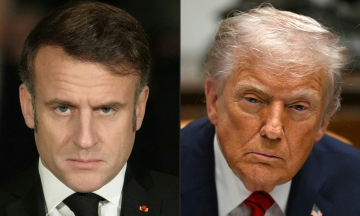
The first draft resolution was supported by the US and Gulf countries but opposed by Russia, China, and France. According to French President Emmanuel Macron, conducting a military operation to reopen this sea lane is "unrealistic."
Chinese Ambassador to the United Nations Fu Cong argued that allowing member states to use force would legitimize the illegal and indiscriminate use of force, which "will certainly further escalate the situation and lead to serious consequences." Russia also condemned what they described as unilateral measures.
US President Donald Trump on 1/4 called on countries facing fuel shortages to retrieve oil from the Strait of Hormuz themselves, stating that US forces would not assist them.
The Security Council rarely adopts resolutions authorizing member states to use force. In the 1990 Gulf War, a vote allowed a US-led coalition to intervene in Iraq, while a similar vote in 2011 allowed NATO to intervene in Libya.
Huyen Le (According to AFP)