Parliament member Ahmad Naderi, a member of the Presidium of the Iranian Parliament and Tehran's representative, stated on 2/6 that the country is in a "state of war" and called on political groups to "present a united front".
He asserted that differences in opinion on economic issues, foreign policy, or governance are "natural in society" and can contribute to improving decision-making. However, publicly airing these disagreements and turning them into political confrontations is concerning.
"Publicly debating to incite public opinion, recruit factions, or settle political scores will directly harm national unity", he stated.
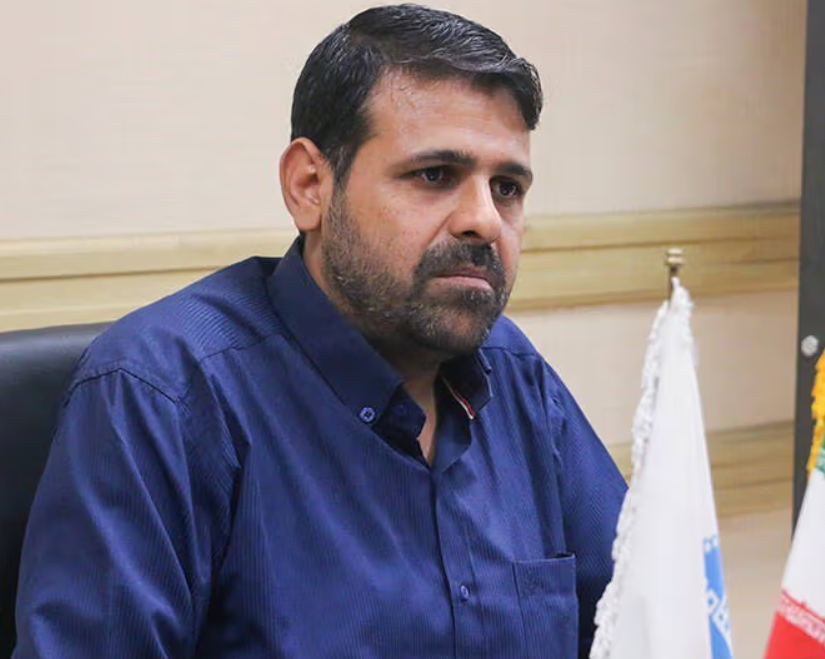 |
Parliament member Ahmad Naderi, a member of the Presidium of the Iranian Parliament and Tehran's representative in parliament. *Photo: Iran International*
Parliament member Naderi believes that after military setbacks, Iran's adversaries are focusing on exploiting social and political divisions to weaken the nation. He emphasized that the unity of the people is the most important symbol of Iran's strength.
He affirmed that the battlefield is not limited to the military domain; diplomacy is also part of the confrontation. The Iranian parliamentary official acknowledged that various viewpoints might exist domestically regarding major decisions, especially those related to negotiations or how to deal with the US and Israel.
Parliament member Naderi believes that all political forces, elites, and public figures need to align their positions with the guidance of Supreme Leader Mojtaba Khamenei, particularly on strategic issues.
The statement came one day after Iranian media reported that the country had suspended indirect negotiations with the US and is considering ending a ceasefire, linked to Israel's escalating hostilities in Lebanon.
US Secretary of State Marco Rubio observed on 7/5 that Iran's executive apparatus "remains severely divided and inefficient", hindering negotiation progress.
Iran's Supreme Leader Mojtaba Khamenei was injured on 28/2 during the initial US-Israel airstrike. He has not appeared publicly since assuming office; his written statements are read on state television.
US intelligence suggests that Khamenei communicates with advisors only through a complex network of messengers. He typically provides general guidance to subordinates, outlining negotiable issues and those not open for discussion. This results in significant delays in information reaching him, leading to slow responses during negotiations.
By Thanh Danh (According to ISNA, Al Jazeera)