 |
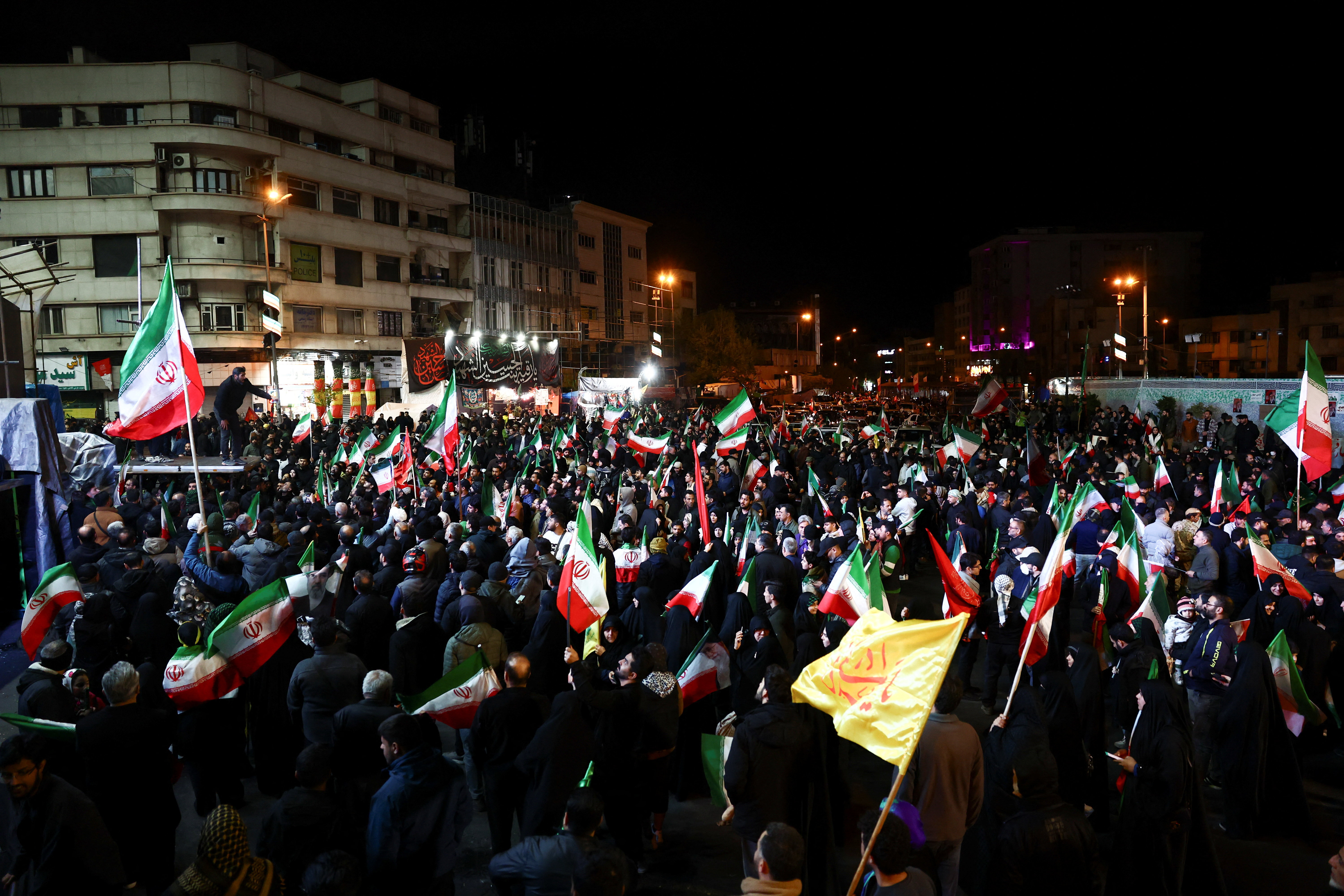
A large number of Iranian citizens poured onto the streets of the capital Tehran on the morning of 8/4, following the announcement of a two-week ceasefire with the US.
The agreement stipulates that all parties will cease attacks during negotiations. During this period, vessels will be permitted to transit the Strait of Hormuz under the coordination of Iranian armed forces, subject to certain "technical restrictions". The exact nature of these technical restrictions imposed by Iran on ships in the Strait of Hormuz remains unclear.
Iran's semi-official Tasnim news agency reported that Iran and Oman plan to collect transit fees from ships passing through the Strait of Hormuz during the two-week ceasefire. These funds will be allocated for rebuilding infrastructure damaged by the conflict.
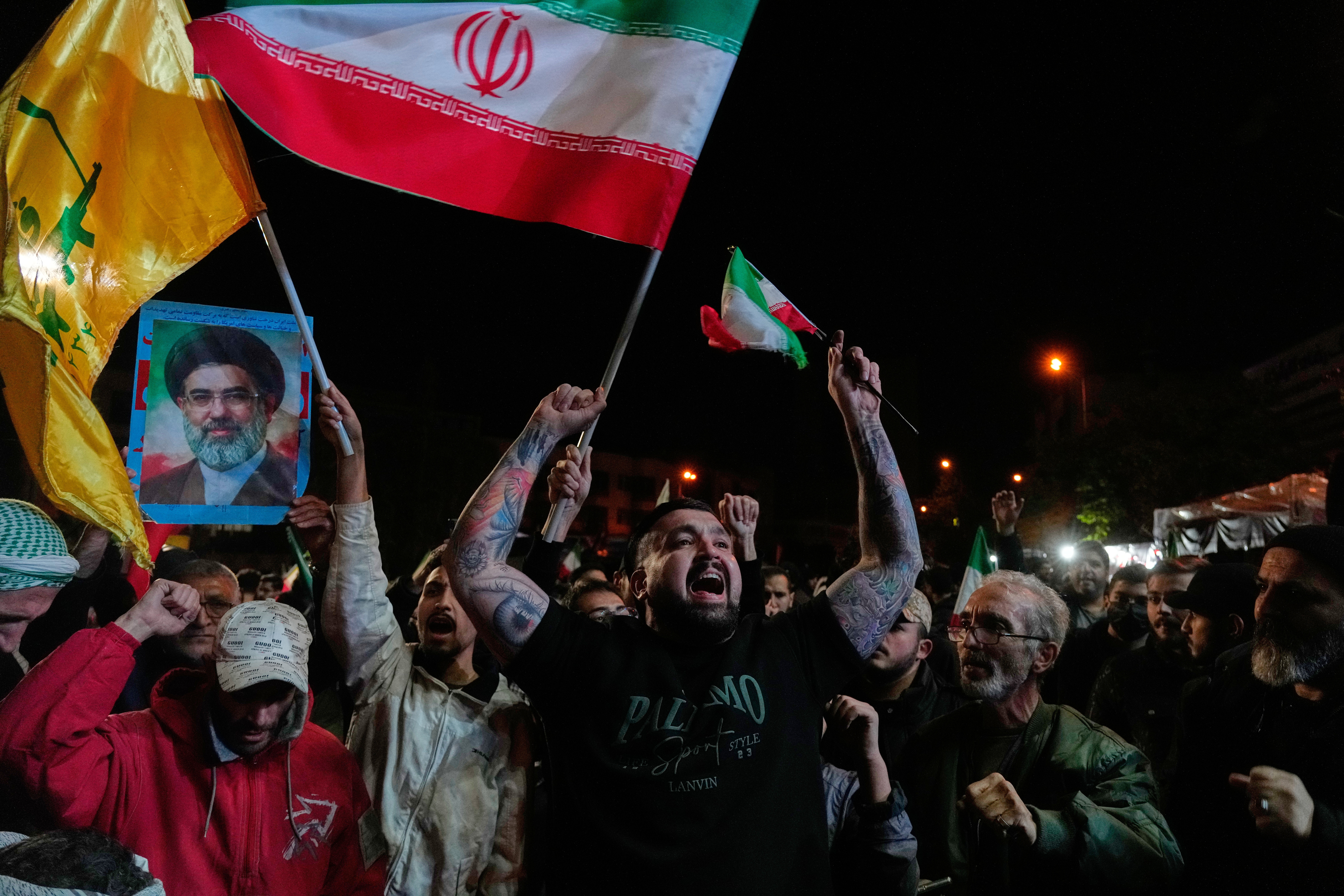 |
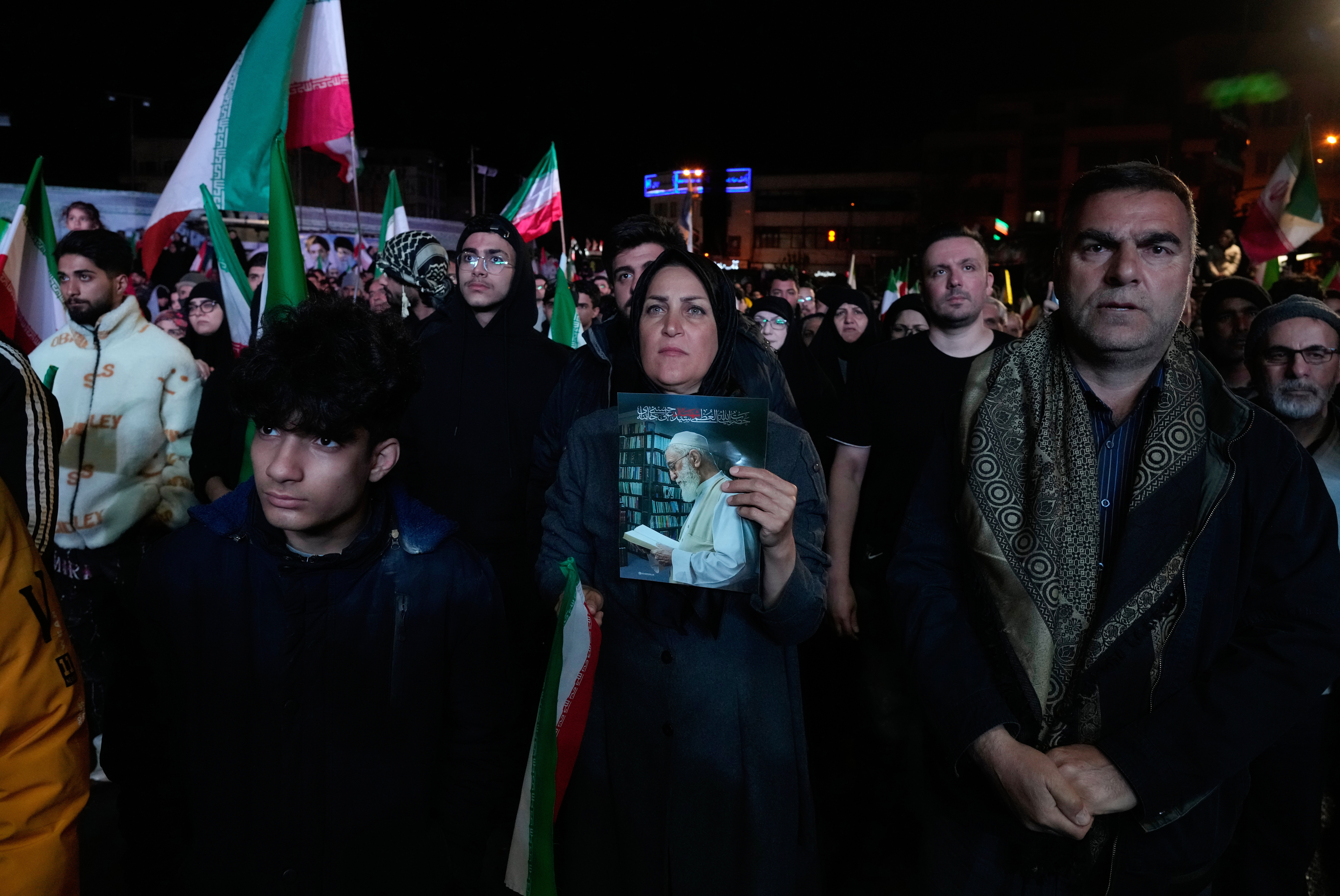
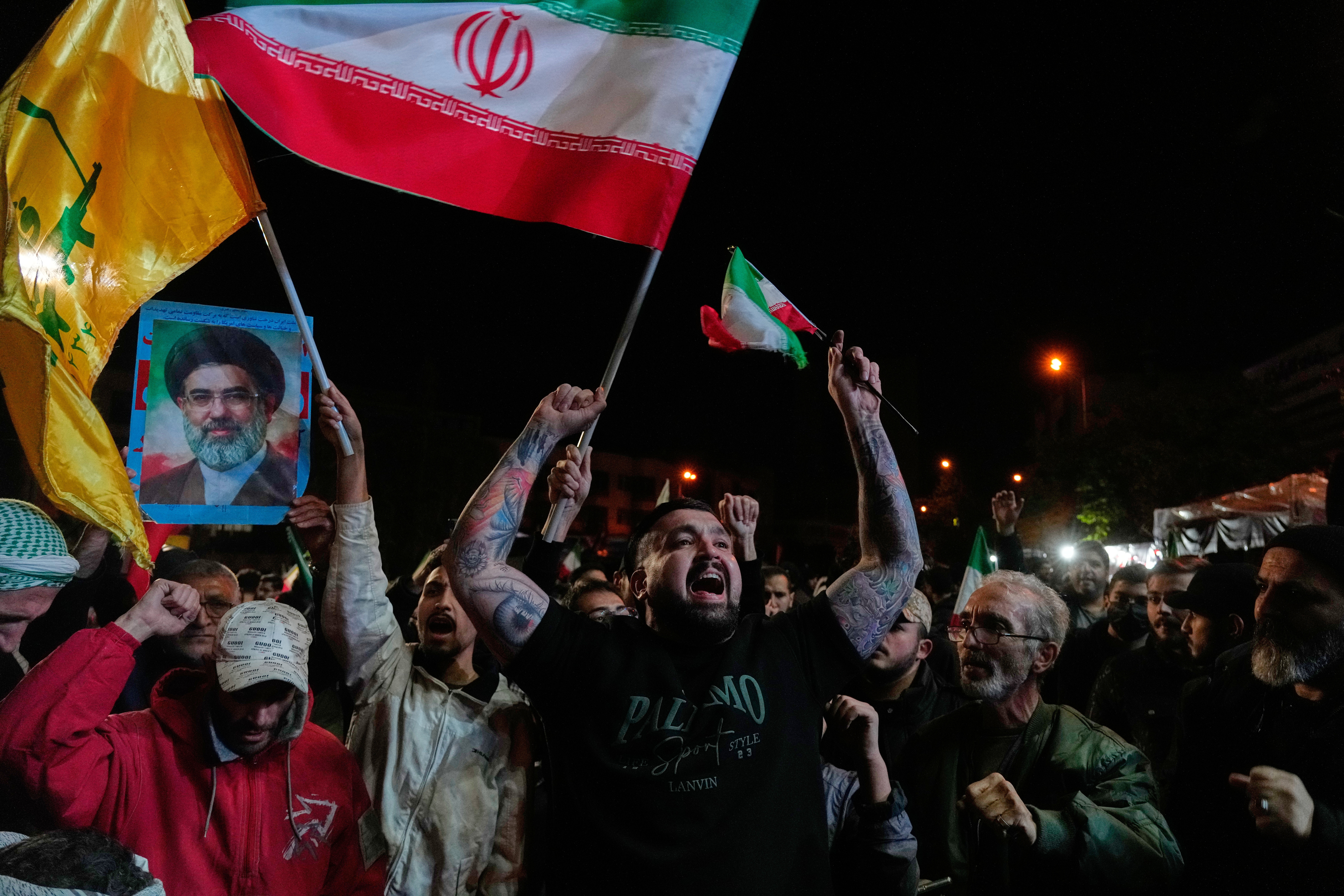
Government supporters displayed national flags and portraits of Supreme Leader Mojtaba Khamenei at Tehran's Islamic Revolution Square.
"We abide by any decision made by the Supreme Leader. We neither precede nor lag behind his directives by a single step. If he deems it appropriate, we will accept a ceasefire; otherwise, we are ready to continue protesting and fighting indefinitely", one young woman stated.
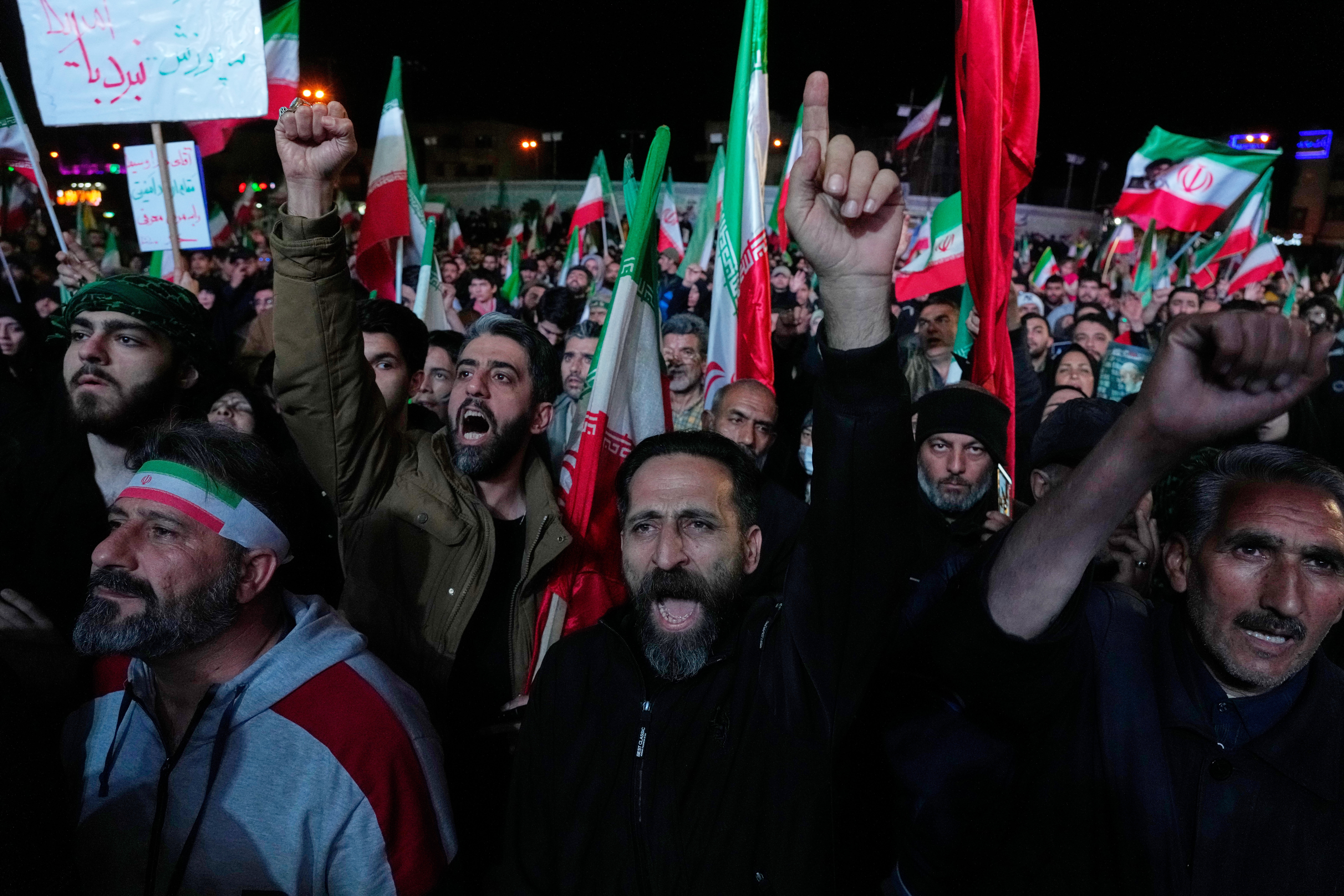 |
Citizens chanted slogans while gathered at Islamic Revolution Square.
According to Iran's Supreme National Security Council, the ceasefire does not signify an end to hostilities. The council stated, "We remain in a constant state of readiness for combat. Should the adversary make even the slightest mistake, they will face the full force of our retaliation."
 |
 |
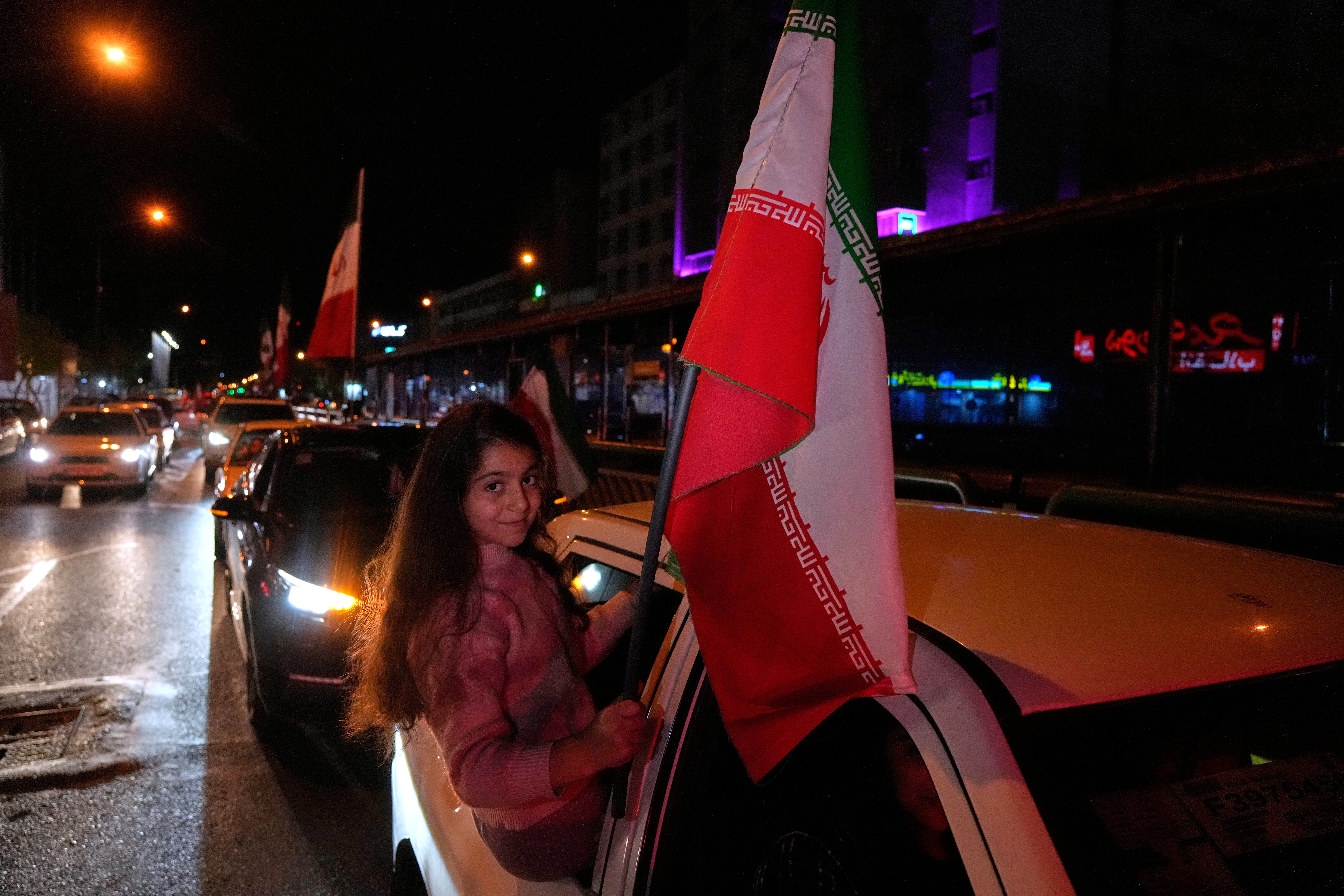
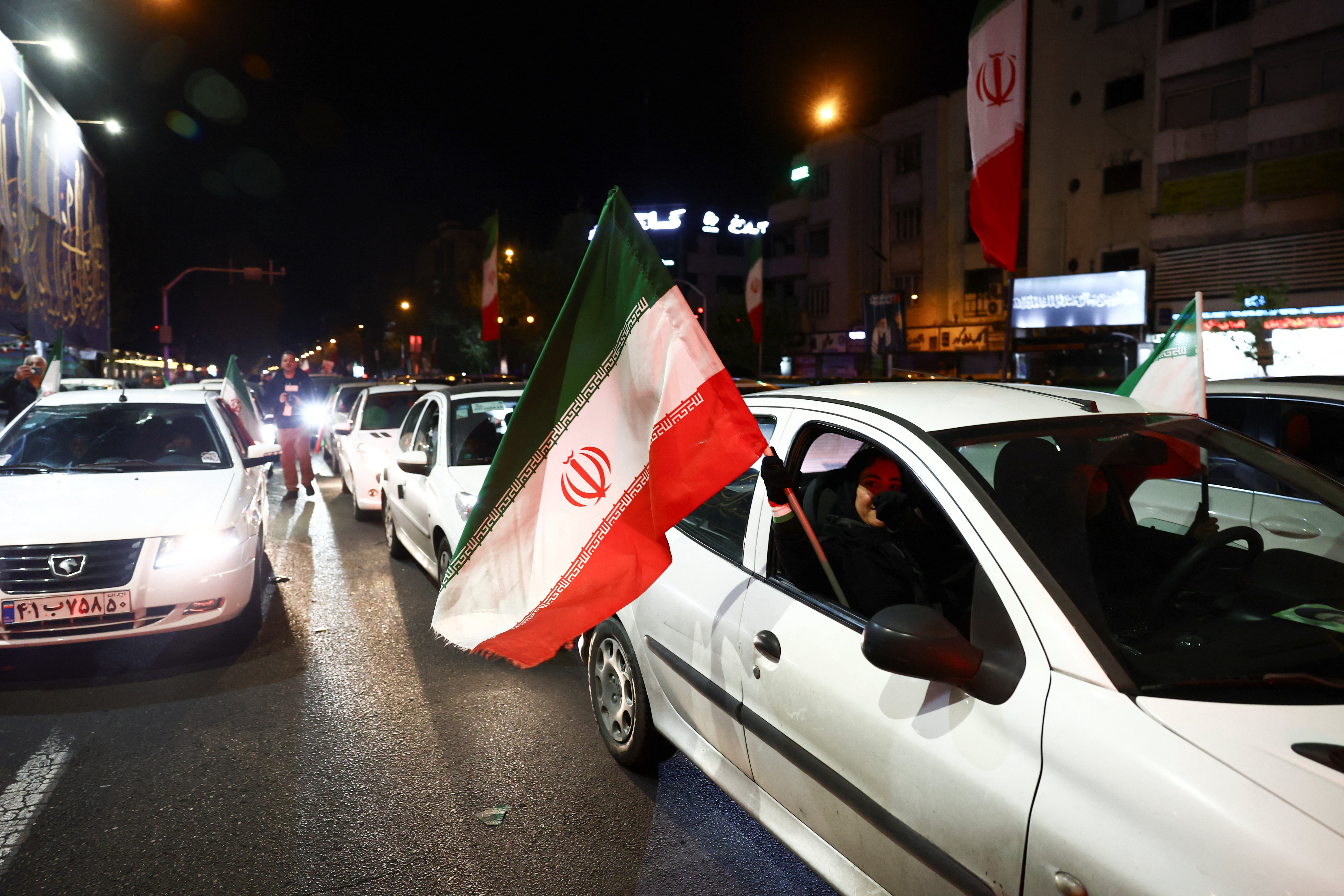
A young girl holds an Iranian flag during a car parade in Tehran.
Iranian state media reported that negotiations with the US would take place in Islamabad, the capital of Pakistan, on 10/4. These talks could extend to finalize the details of an agreement, aiming to "consolidate Iran's achievements on the battlefield".
 |
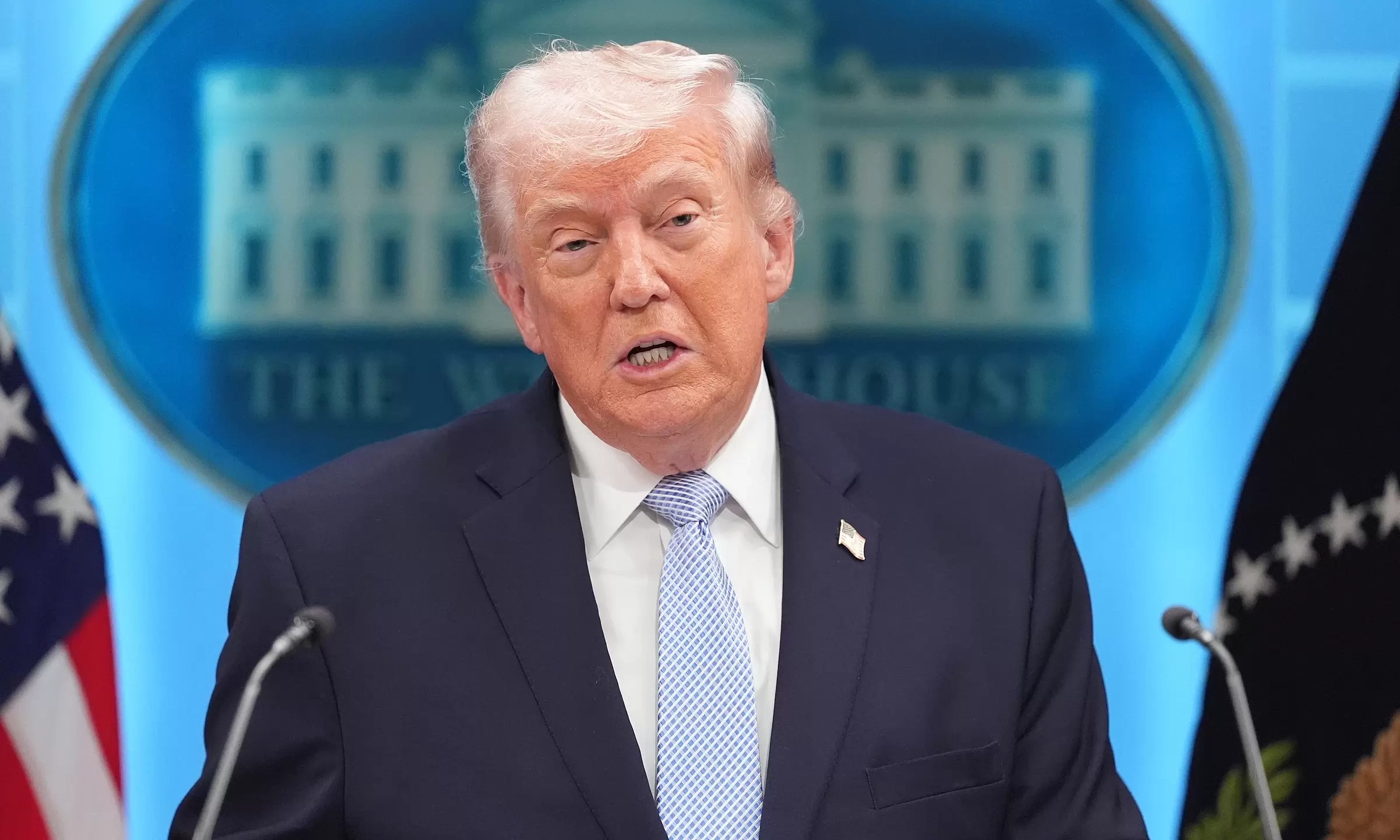
The ceasefire was announced less than two hours before President Trump's ultimatum to Iran was set to expire. In that ultimatum, President Trump threatened to destroy all of Iran's bridges and power plants if the country failed to reach an agreement and reopen the Strait of Hormuz. Iran had previously rejected this ultimatum.
"Now, the US understands Iran's power. If they do not adhere to the agreement, we will certainly deal with them differently", a woman participating in the Tehran demonstration stated.
 |
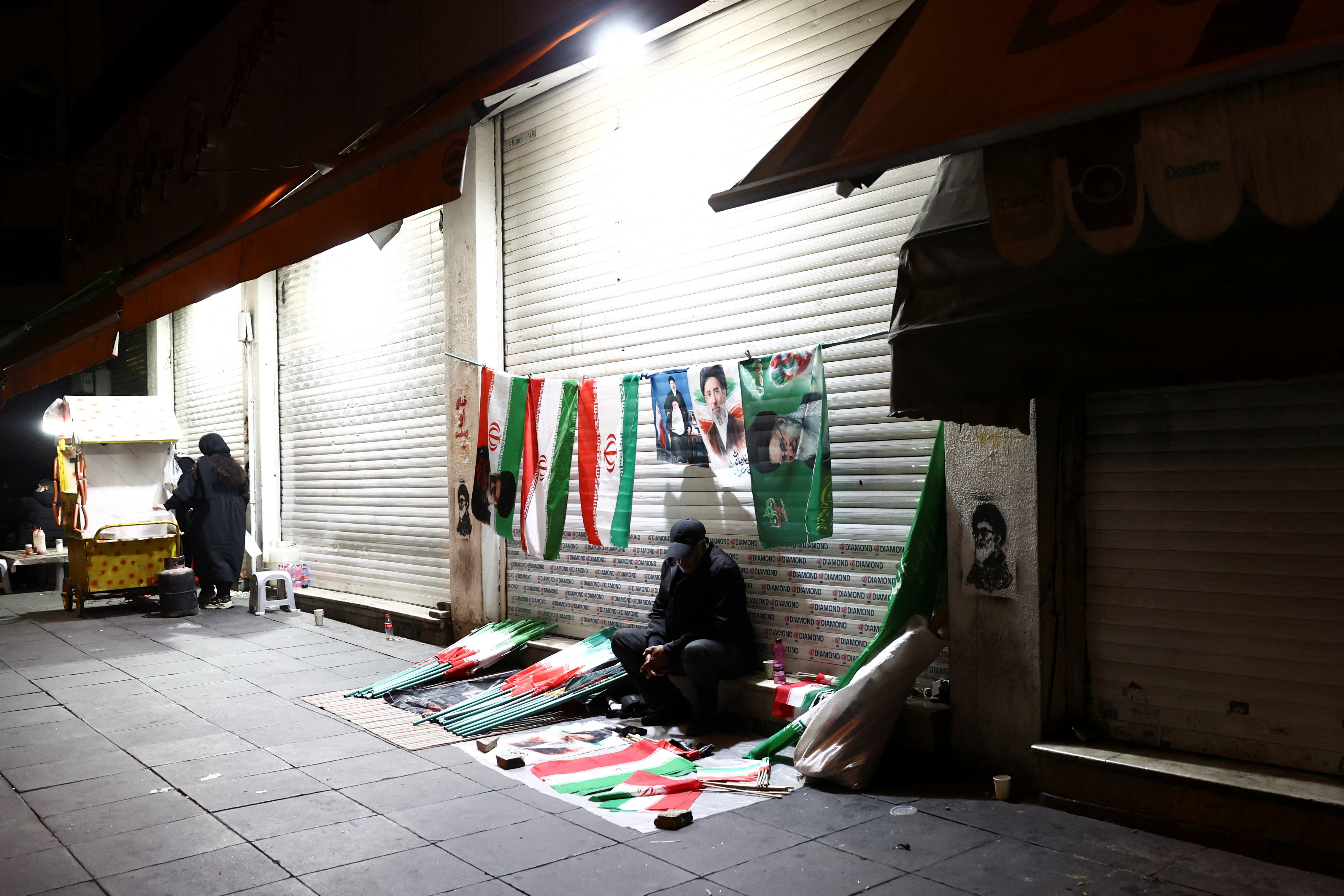
The national flag and portraits of the late Supreme Leader Ali Khamenei, who died on 28/2 during the first day of US and Israel's attack on Iran, alongside his successor Mojtaba Khamenei, on a Tehran street corner.
Despite the initial jubilation, some Iranians expressed skepticism about the newly reached agreement.
"We have sat at the negotiating table two times while they attacked us", one woman remarked, adding that the US might exploit the ceasefire to "strengthen its position". "I do not understand why the US accepted a ceasefire. As always, they want to buy time for Israel."
 |
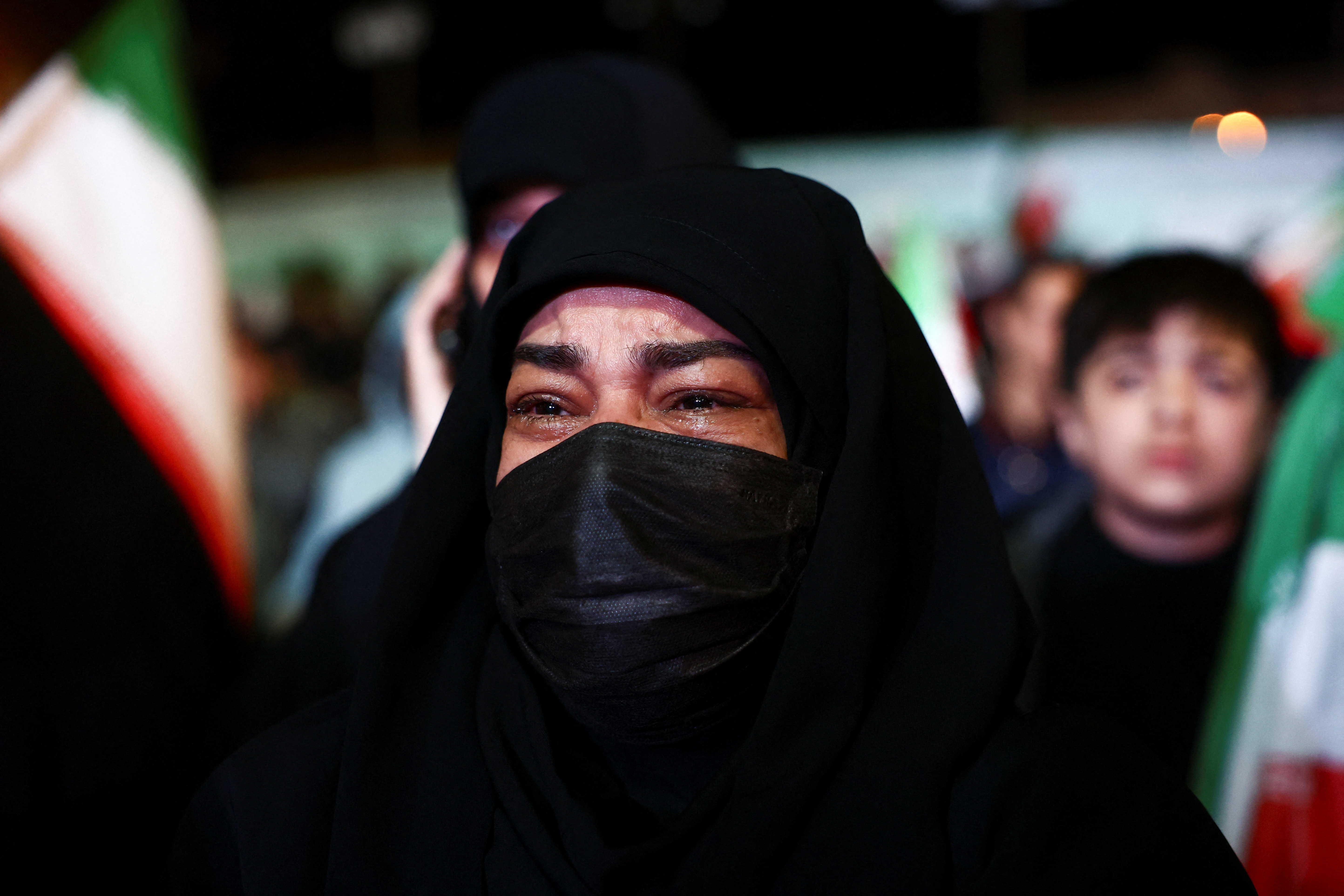
A woman shows emotion during the demonstration after the ceasefire announcement.
Iran maintains that hostilities will only cease once its 10-point peace plan is approved. President Trump expressed his readiness to discuss Tehran's proposal.
A long line of cars stretches along a Tehran street after the ceasefire.
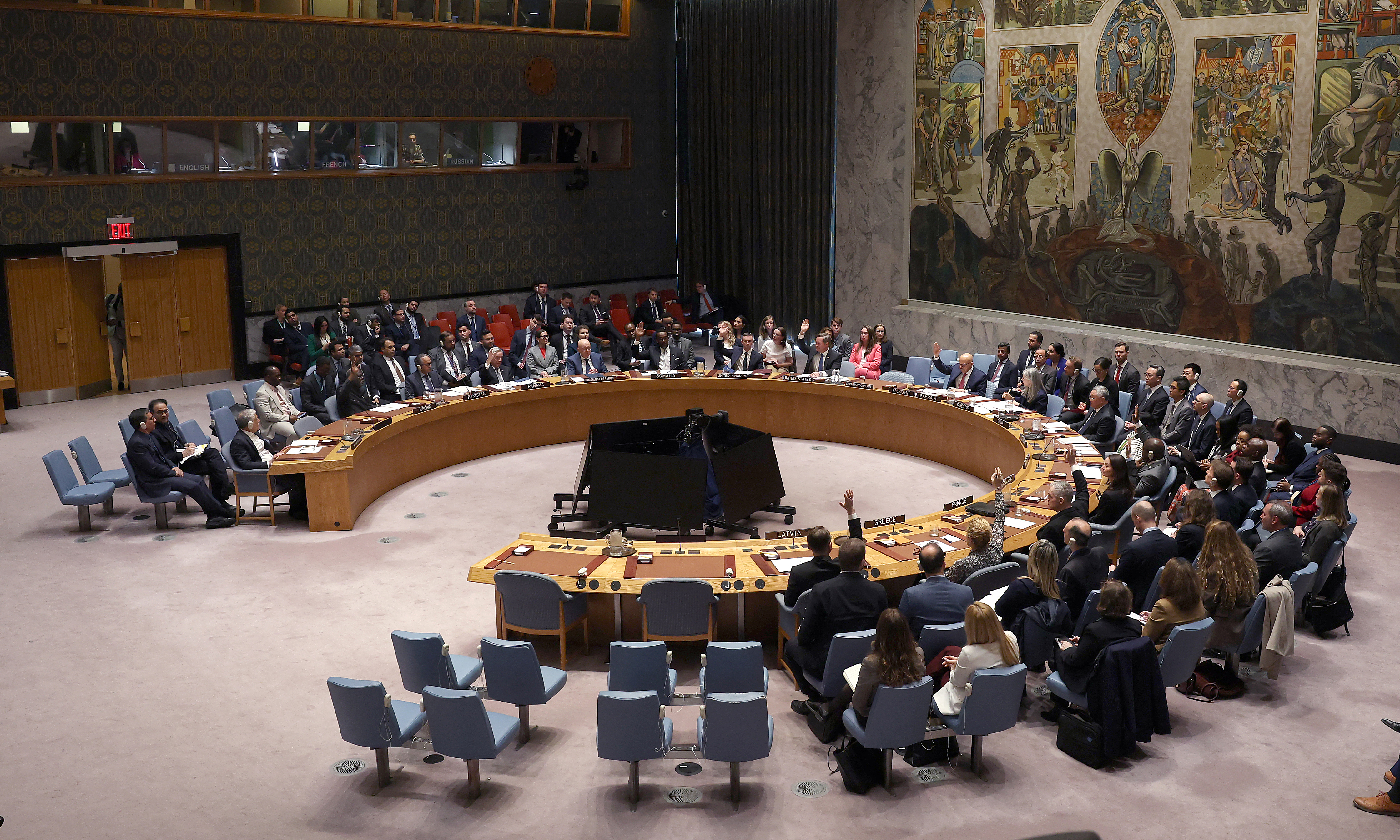
United Nations Secretary-General Antonio Guterres welcomed the agreement between the US and Iran. He urged all parties involved in the current Middle East conflict to "uphold their obligations under international law and adhere to the terms of the ceasefire, thereby laying the groundwork for lasting and comprehensive peace in the region."
 |
Huyen Le (According to AFP, Reuters, AP)