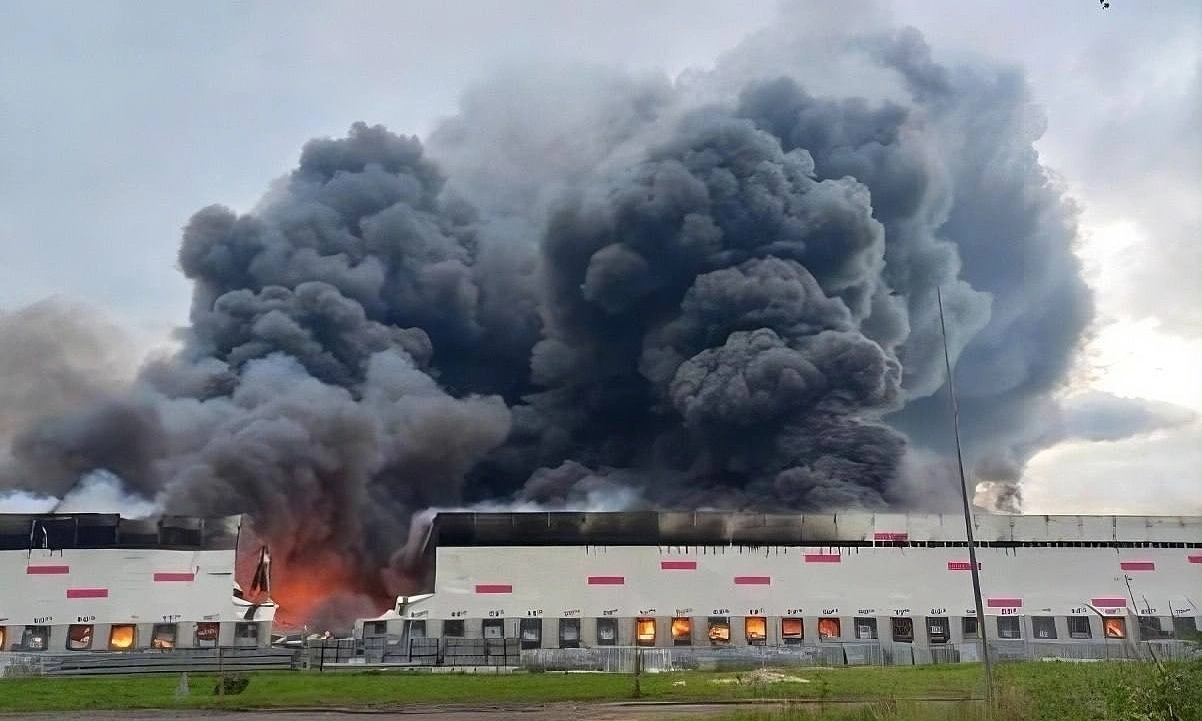
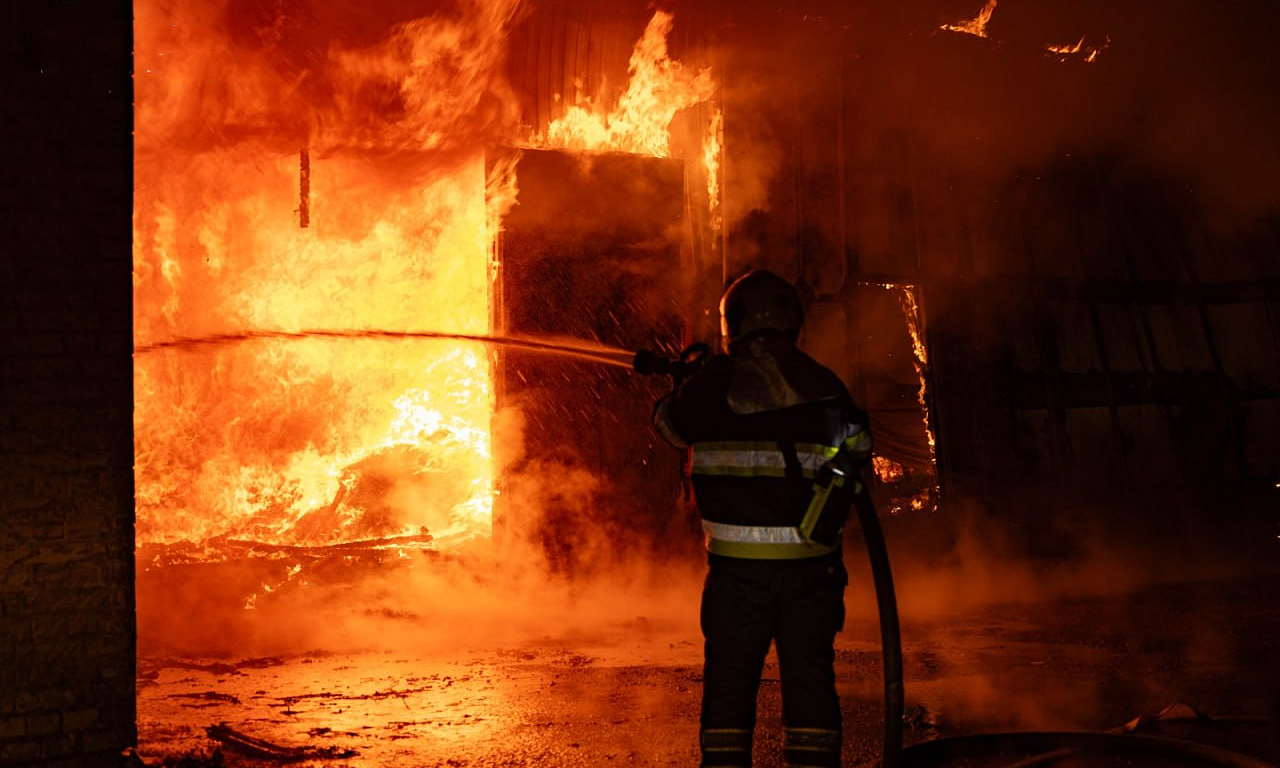
The Israeli army announced on 31/5 that it had taken control of Beaufort fortress and the Wadi al-Salouqi area in southern Lebanon after several days of fighting. Prime Minister Benjamin Netanyahu called this a "landmark step," declaring that the Israeli army would continue to expand its operations in the neighboring country.
Images of the Israeli flag flying over Beaufort's stone walls quickly garnered attention, evoking memories of Israel's military presence in Lebanon for nearly two decades before Tel Aviv's forces withdrew in 2000.
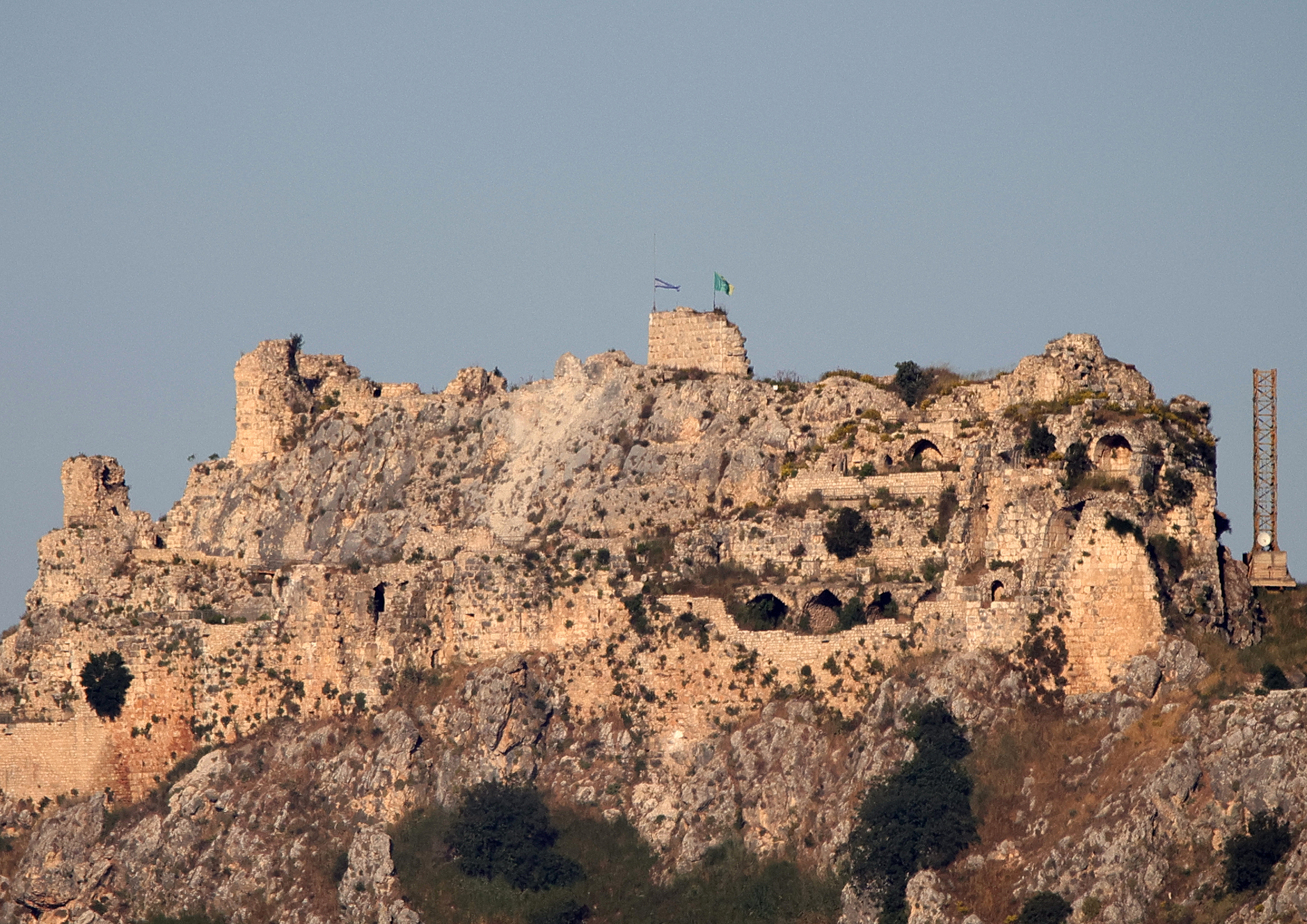 |
The Israeli flag and the Golani Brigade flag appear on the Beaufort fortress tower on 31/5. *AFP*.
The mountaintop fortress
Beaufort, a Crusader castle, sits on a high mountaintop in southern Lebanon. It later became a strategic fortress in modern conflicts, overlooking the Litani river valley, various regional routes, and parts of the Mediterranean Sea.
In 1982, Israel launched a large-scale military operation in Lebanon to eliminate the influence of the Palestine Liberation Organization. On the first night, Israeli forces attacked and captured Beaufort. The fierce battle resulted in the deaths of six Israeli soldiers.
Israel maintained a military presence in southern Lebanon, with Beaufort becoming one of its most prominent outposts. During this period, Israeli forces faced strong resistance from Hezbollah, an Iran-backed Islamic armed group.
Hezbollah's ambushes consistently caused casualties among Israeli soldiers, sparking a wave of public opposition to the occupation within Israel. By 2000, Prime Minister Ehud Barak's government decided to withdraw troops from Lebanon. The nighttime withdrawal concluded an 18-year military presence.
For Hezbollah, this was a symbolic victory, as the group claimed its prolonged resistance campaign forced Israel out of Lebanon. Many Israelis, however, viewed Beaufort as a symbol of a costly war in terms of lives and resources.
Conflict between Israel and Hezbollah erupted on 2/3, after the Lebanese armed group attacked Israel, retaliating for the death of Iran's supreme leader Ali Khamenei. The Israeli army subsequently launched a ground offensive into Lebanon.
Clashes have continued despite an active ceasefire between Israel and Lebanon. Israel states it will only withdraw its forces when Hezbollah no longer poses a threat to residents in its northern towns. Hezbollah, meanwhile, asserts it will continue fighting until Israeli forces leave Lebanon.
The return after nearly three decades
On 29/5, Israeli infantry crossed the Litani river, considered a boundary in the ceasefire agreement, and took control of Beaufort. The Litani river, flowing east to west about 30 km north of the Israeli border, has long been a critical benchmark for Tel Aviv in its efforts to push Hezbollah further north.
Retired Lebanese Brigadier General George Nader views Israel's control of Beaufort as a significant turning point due to its particular military, psychological, and symbolic importance.
"The fortress allows observation of a large area south of the Litani river," Nader told Anadolu Agency.
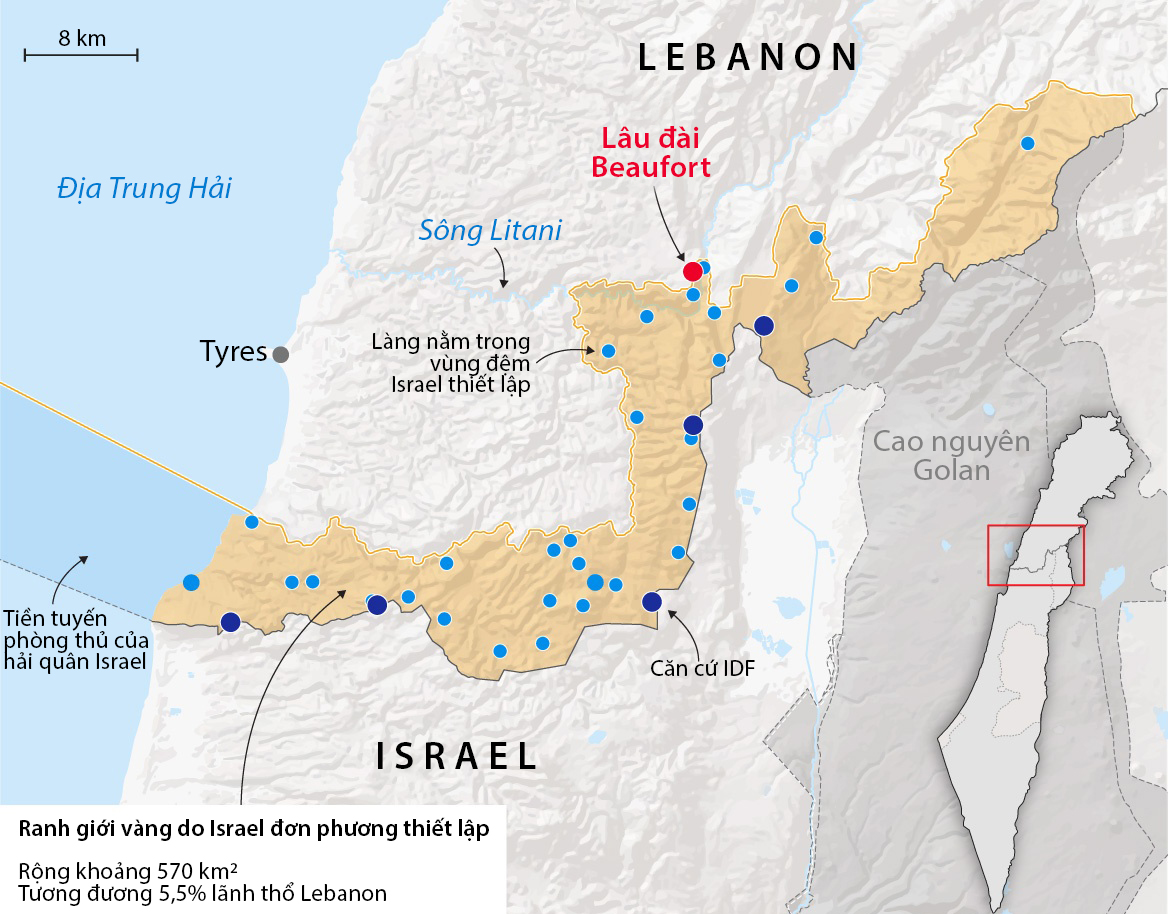 |
The location of Beaufort fortress in southern Lebanon. *Telegraph*.
Israel's recapture of Beaufort reflects a significant shift in Tel Aviv's security thinking. Many Israelis now believe that withdrawals from Lebanon in 2000 and Gaza in 2005 did not bring the expected security, as adversaries continued to strengthen their military capabilities and develop new forms of warfare.
Jerusalem Post analyst Herb Keinon observed that Beaufort is no longer seen as a symbol of a meaningless occupation, but as a reminder of the frustration when the expectation that withdrawal would bring peace did not materialize.
However, military experts warn that seizing Beaufort may not protect Israeli forces from the effective fiber-optic UAV attacks Hezbollah is deploying. Furthermore, Israel controlling more areas in Lebanon does not necessarily weaken Hezbollah.
"The deeper we go, the more troops we need, the more vulnerable we become, and the more casualties there will be," said Eyal Ben-Reuven, a retired Israeli army general.
Past events show Hezbollah's ability to quickly adapt to asymmetric warfare. Israeli writer Haim Har-Zahav, who served in Lebanon in the 1990s, believes Israel's return to Beaufort raises concerns about the risk of a prolonged war of attrition recurring.
According to Har-Zahav, the previous military presence in Lebanon ultimately became a "strategic disaster" for Israel.
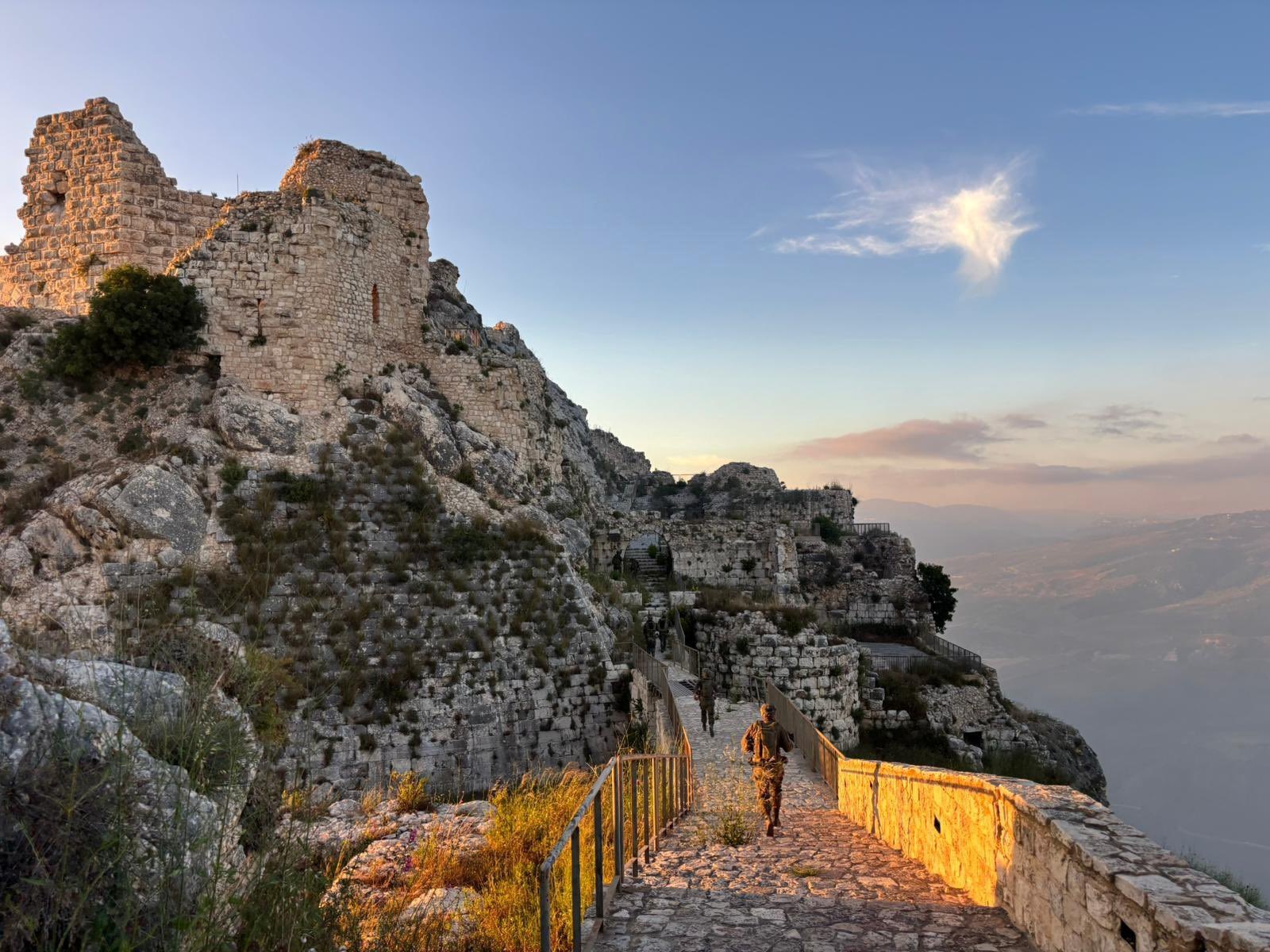 |
Israeli soldiers at Beaufort fortress in southern Lebanon in a photo released on 31/5. *IDF*.
Retired Lebanese General Hisham Jaber suggests Israel's objective is not only to push threats further north but also to pressure the Lebanese government into concessions in future negotiations.
"Every kilometer gained on the battlefield will likely become a bargaining chip at the negotiating table," Jaber said.
Hassan Fadlallah, a Hezbollah official, stated on 31/5 that Israel's occupation of Beaufort demonstrates Lebanon will gain nothing from negotiations. Instead, Fadlallah believes the image of the Israeli flag at the site will galvanize the Lebanese people to oppose the occupation.
Analysts suggest Israel is unlikely to achieve a lasting solution based solely on military strength. US-brokered peace talks have yet to yield breakthroughs. Meanwhile, Hezbollah maintains significant influence in Lebanon, and the country's government cannot fully control its territory.
"Without a diplomatic process, nothing will be achieved," Ben-Reuven said.
As Tam (According to Jerusalem Post, Anadolu Agency, Reuters)