In Chinese history, one individual, though never ascending the throne, played a pivotal role in shaping an empire that spanned five generations of emperors. She skillfully navigated two succession crises to avert civil war, educated and mentored two young emperors, and forged multi-ethnic alliances, laying the foundation for the Qing dynasty (1644-1912) to govern a vast realm.
This remarkable woman was Bo'erjijite Bumubutai, also known as Empress Dowager Xiaozhuang Wen.
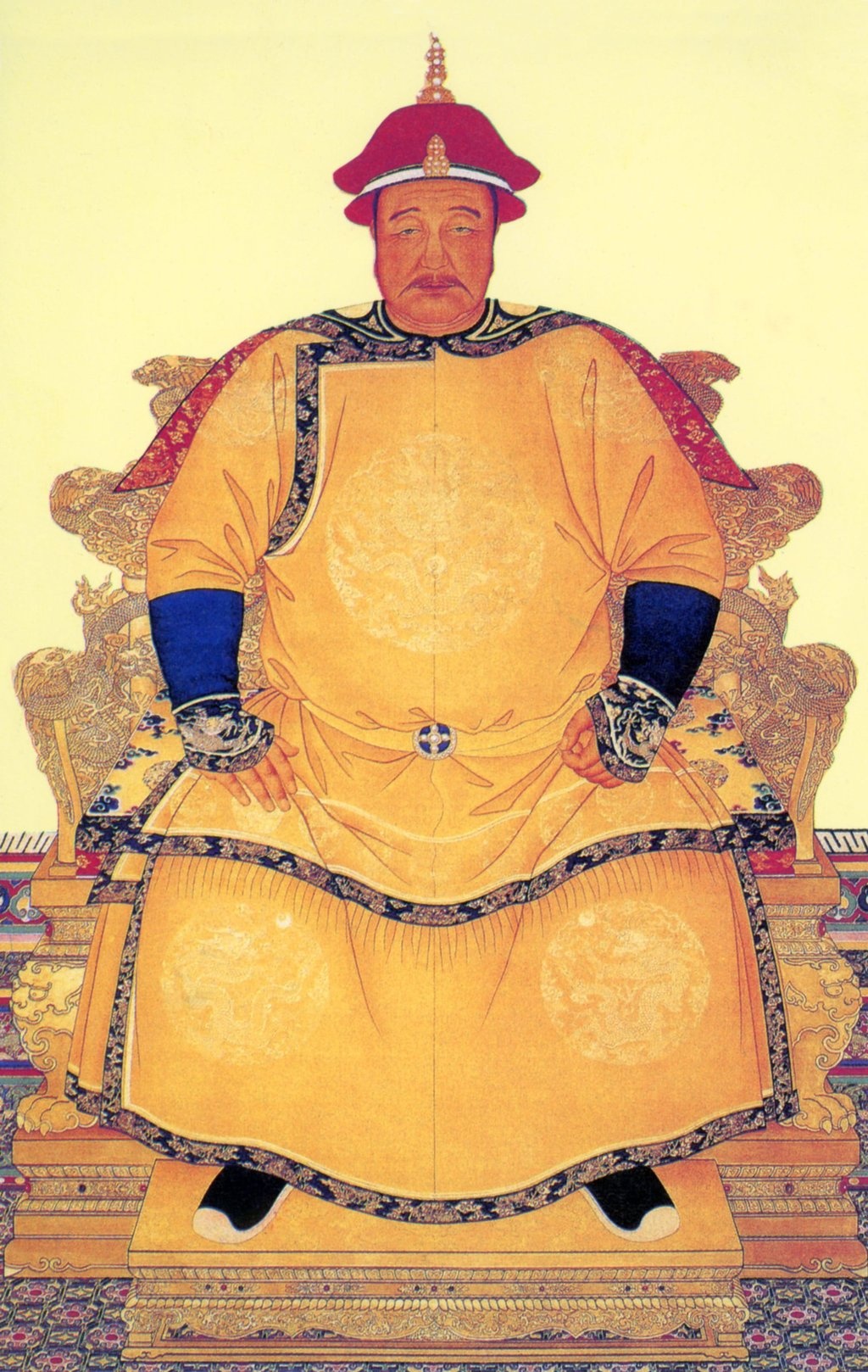 |
Chan dung Hieu Trang Van Hoang hau (1613-1688). Anh: Wikipedia
Xiaozhuang was born into the Bo'erjijite clan, a direct descendant of Genghis Khan. She hailed from a noble Khorchin Mongol family. Her father, Zaisang, held the title of Beile, a noble rank signifying a tribal chief or prince.
Xiaozhuang's clan understood the necessity of allying with the rising Later Jin (later the Qing dynasty) of the Manchu people. This alliance was crucial for triumphing over the Ming court and rival Mongol tribes. To solidify this bond, they did what nobility worldwide did at the time: offered their daughters in marriage.
At the age of 12, Xiaozhuang entered the palace as a royal consort, following in her aunt's footsteps from eleven years prior. Her elder sister later also joined the court. By sending three brides to the imperial palace, the Khorchin clan ensured that future generations of princes and princesses would share their bloodline, thereby intertwining Mongol interests with the Qing throne.
Xiaozhuang's life before meeting Emperor Hong Taiji, the founding emperor of the Qing dynasty, was never truly her own. She was raised to serve her clan, a mission she fulfilled with distinction.
In 1643, Emperor Hong Taiji died suddenly without naming an heir, thrusting Xiaozhuang into a political maelstrom. Two powerful men, Dorgon, the emperor's brother, and Hooge, the emperor's eldest son, were poised to destabilize the dynasty in a battle for the throne. As a 30-year-old concubine with modest status, Xiaozhuang commanded no army nor held any real power. Her only asset was her six-year-old son, Fulin.
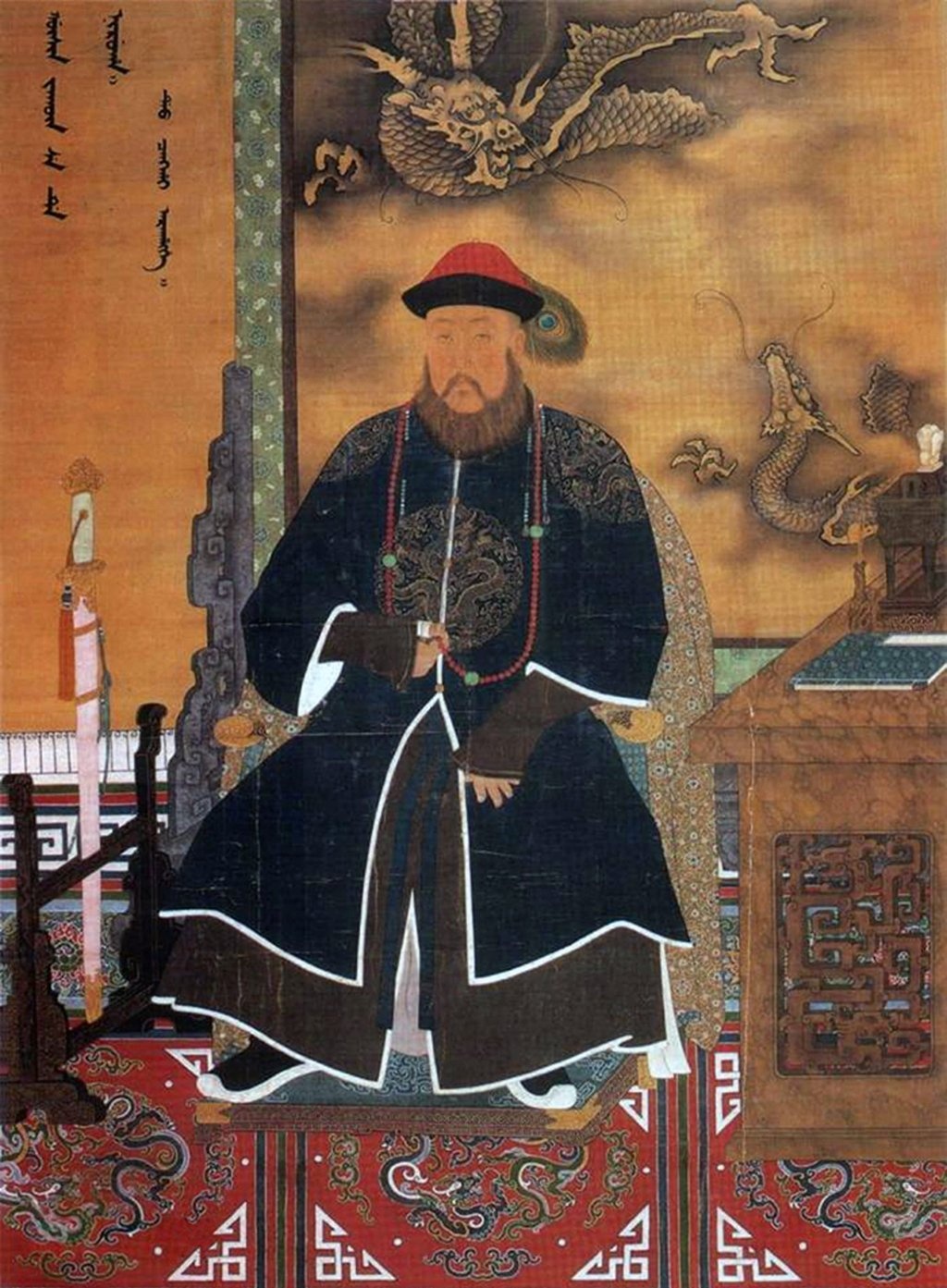 |
Chan dung Sung Duc De (1592-1643). Anh: Wikipedia
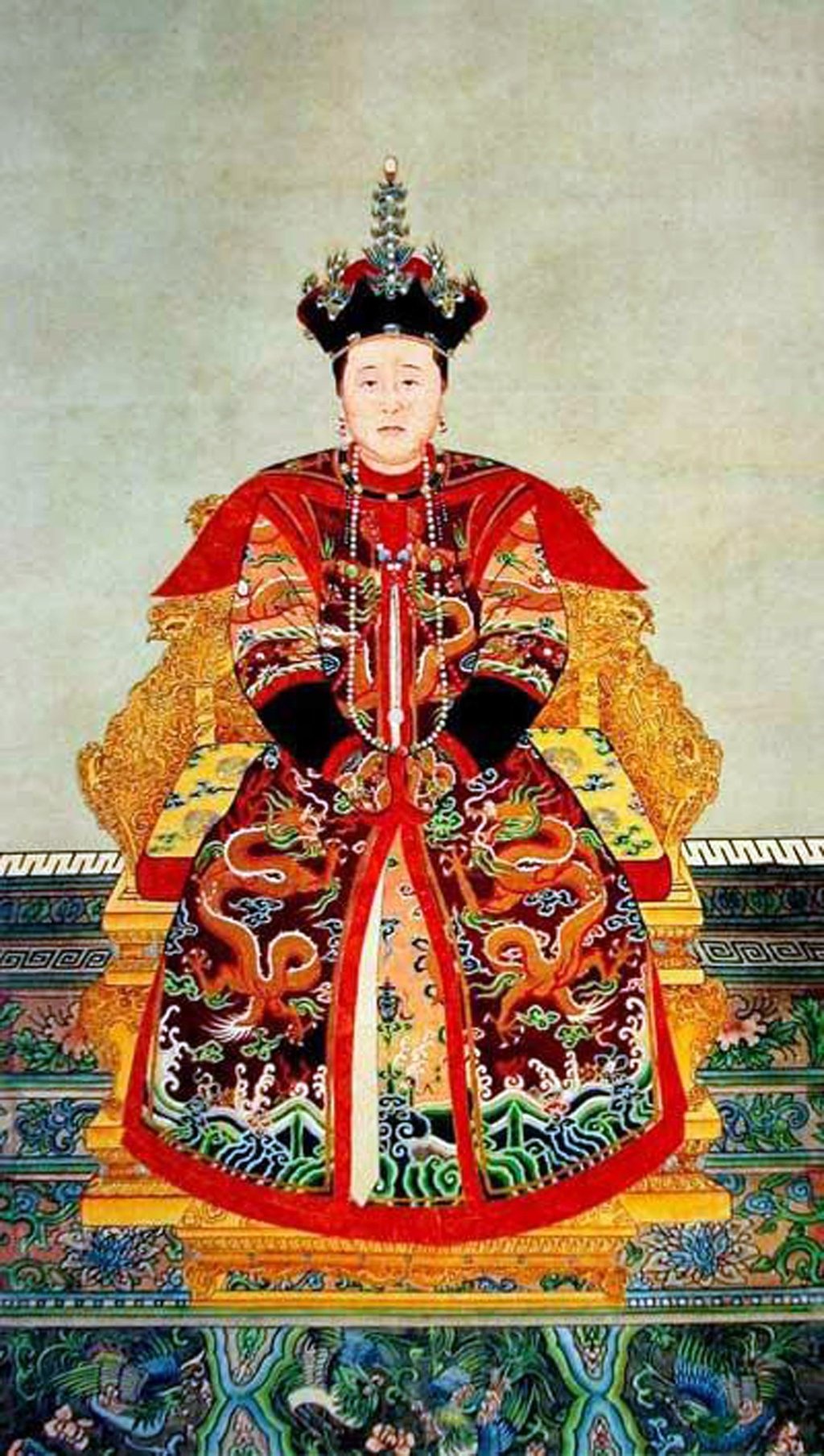 |
Chan dung Nhiep chinh vuong Da Nhi Con (1610-1650). Anh: Wikipedia
Xiaozhuang chose not to support either of the adult contenders. Instead, she nominated her young son as the next emperor. Dorgon accepted, as he would wield power as regent. Hooge was compelled to agree; opposing the decision would brand him a rebel.
This strategic move transformed Xiaozhuang from a powerless widow into empress dowager, securing the throne for her son and establishing her influence over Qing politics for the next 40 years.
After her six-year-old son, Emperor Shunzhi, ascended the throne, Xiaozhuang had to skillfully manage Dorgon, who ruled like an uncrowned king.
Her solution was strategic appeasement. She granted him the special title of "Imperial Father Regent" to ensure her son's safety. This decision later fueled rumors that she had secretly married Dorgon, a topic historians still debate today.
Emperor Shunzhi died on 5/2/1661, at just 22 years old, from smallpox. Following her son's death, Xiaozhuang acted quickly, placing her eight-year-old grandson, Kangxi, on the throne. Kangxi had survived smallpox and was immune to the disease.
Xiaozhuang, now grand empress dowager, molded Kangxi into one of China's greatest emperors. After the death of Kangxi's birth mother, Empress Xiaokangzhang (Tong Jia clan), in 1663, she directly raised Kangxi. Her influence extended to his education, moral training, political orientation, and strategies for safeguarding power.
She placed particular emphasis on nurturing her grandson's moral character and intellect. The young emperor lived with her in Cining Palace within the Forbidden City.
"From childhood, I received the kind instruction of my grandmother. My eating, walking, gestures, and words were all measured and disciplined", Kangxi stated, according to the Veritable Records of Emperor Shengzu of Qing, a book documenting his reign.
She taught him not to overstep his bounds and corrected him sternly when necessary.
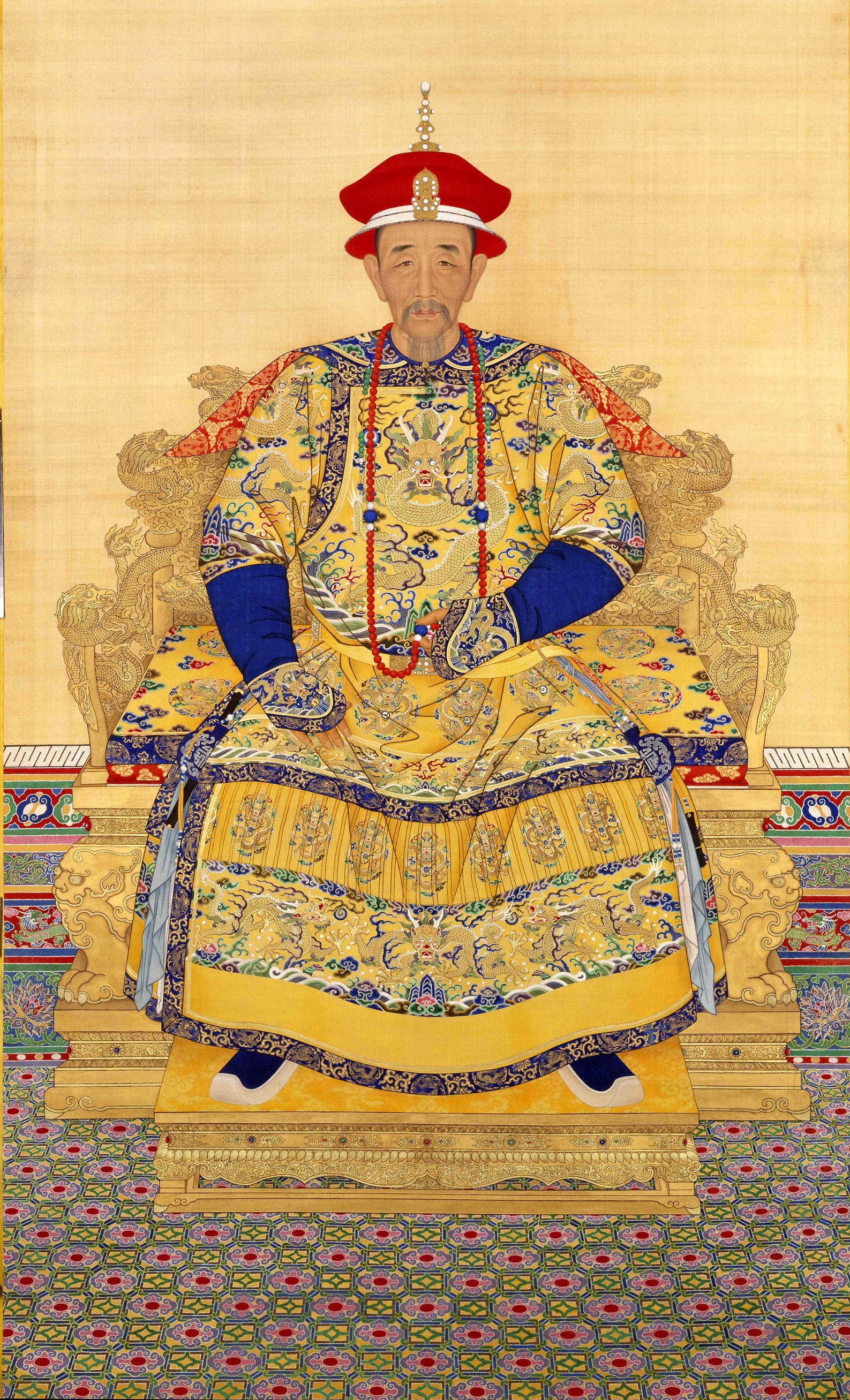 |
Chan dung Hoang de Khang Hi (1654-1722). Anh: Wikipedia
Xiaozhuang's most significant political achievement was balancing the interests of the Mongols, Manchus, and Han Chinese. She understood that the Qing dynasty, ruled by the Manchus, needed to respect and cooperate with other ethnic groups like the Han. She also learned from the failures of the Jin (1115-1234) and Yuan (1271-1368) dynasties, which struggled to maintain power. This understanding proved critical to the Qing dynasty's success.
Kangxi was an emperor who "skillfully reassured the Manchus of his martial spirit and firm political will, and also convinced the Han Chinese that he deeply respected Han traditional culture", according to Jonathan D. Spence, the British-American historian who wrote *The Search for Modern China*.
Spence suggested that Kangxi's courage came from Manchu culture, his intellect from his Mongol heritage, and his benevolence from Confucian education.
Kangxi and his grandmother together weathered the rising instability instigated by Oboi among the high-ranking officials. Oboi was a general who had saved the late Emperor Shunzhi's life on the battlefield.
After the death of Grand Regent Sonin in 1667, Oboi compelled Kangxi to execute another regent, Sukesaha, who had opposed him, along with his entire family.
Oboi then positioned himself as the supreme decision-maker in court, rendering Kangxi a puppet ruler even after he officially began to govern in 1667.
Thanks to the wise counsel of Grand Empress Dowager Xiaozhuang, the 15-year-old Kangxi was able to eliminate Oboi, who controlled the military.
First, she established a crucial political alliance by arranging Kangxi's marriage to Sonin's granddaughter, thereby securing the Sonin clan's loyalty.
Recognizing that official channels were controlled by their adversary, Xiaozhuang advised Kangxi to be patient and use stratagem. After Oboi forced Sukesaha's execution, she told Kangxi to control his anger and temporarily concede, as their forces were not yet strong enough to act.
Kangxi followed her advice, spending months secretly training a group of young wrestler guards from the Imperial Guard, disguising these sessions as personal entertainment. Oboi, who dismissed the young emperor's hobbies as harmless, became complacent.
On 14/6/1669, the trap for Oboi succeeded. As Oboi passed through Qianqing Gate, the main entrance to the Forbidden City's inner court, for his usual audience, he was arrested. Oboi spent the rest of his life in prison. Kangxi's reign lasted 61 years, the longest in Chinese feudal history, inaugurating the Qing dynasty's golden age.
Xiaozhuang understood that beyond military force, an empire needed to be managed with wisdom, resilience, patience, and allies to endure. She built multi-ethnic alliances, waited years to defeat enemies like Oboi, and prioritized national stability over personal ambition.
Just as she had nurtured Kangxi, Kangxi later personally raised his grandson, Emperor Qianlong.
"Without my grandmother, the grand empress dowager, I would absolutely not be where I am today", Kangxi concluded.
Hong Hanh (According to SCMP)