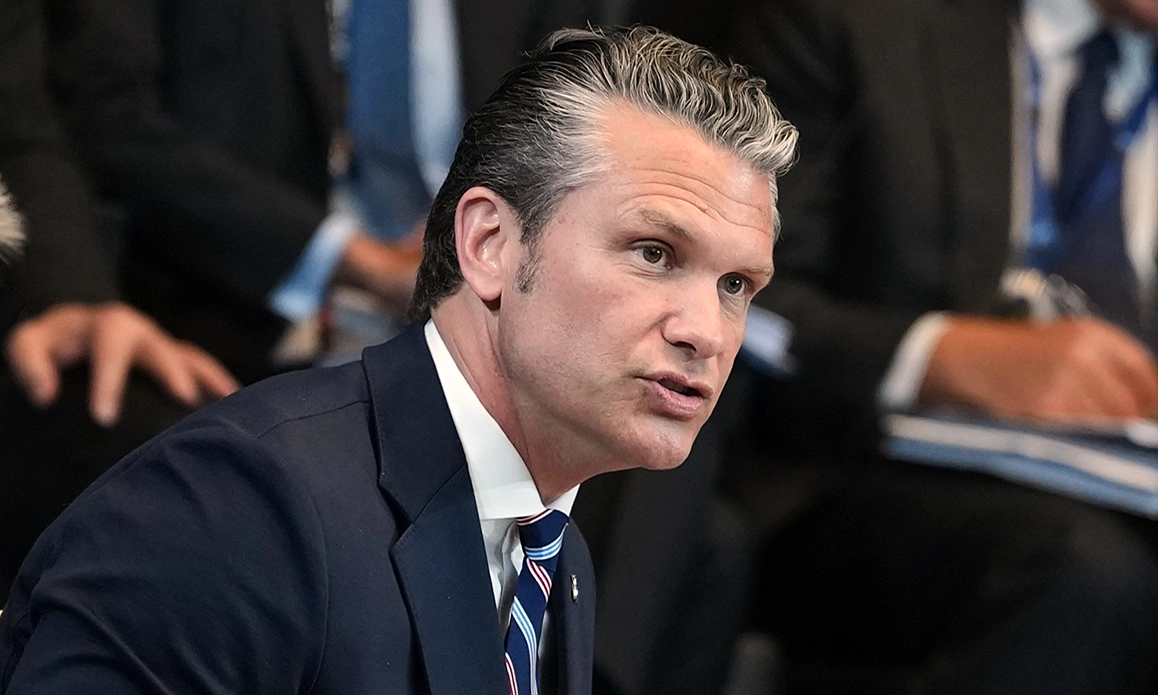
On 19/6, Vice President JD Vance spoke at a White House press conference, defending the memorandum signed by the US and Iran two days earlier. He stated that some officials in Israeli Prime Minister Benjamin Netanyahu's cabinet "went too far" by attacking President Donald Trump and the peace process.
"If I were a member of the Israeli cabinet, I probably wouldn't attack the only powerful ally left in the entire world", Vance stated.
This marked one of the Trump administration's toughest statements targeting Israeli leadership since the US and Israel jointly initiated an attack campaign against Iran in February.
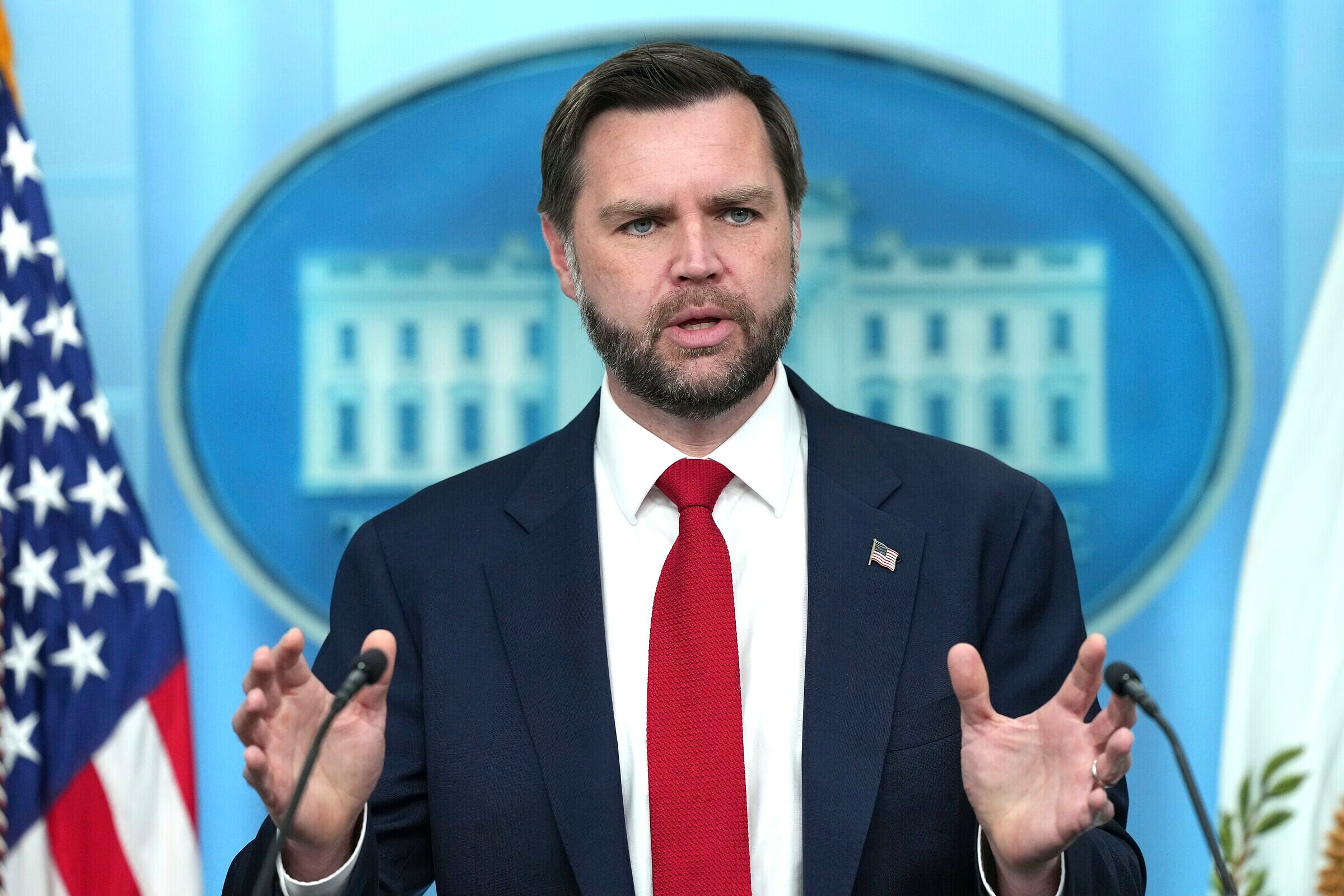 |
Vice President JD Vance holds a press conference at the White House on 18/6. Photo: AP |
Vance highlighted that about two-thirds of the weapons defending Israel are US-made and funded by American taxpayers. He noted that President Trump remains the only world leader expressing sympathy for Israel.
"Israel's problem is not Donald Trump. Anyone in Israel who believes their biggest issue is the US President needs a reality check", he added.
The criticisms targeting Trump primarily originated from the Israeli government's far-right faction. National Security Minister Itamar Ben Gvir and Finance Minister Bezalel Smotrich urged the government to disregard the US-Iran agreement's terms, asserting that the document "endangered Israel's national security".
In a prior interview with the New York Times, Vice President Vance conveyed that he "felt strange" regarding the intense backlash from certain Israeli politicians.
"Many within Israel's political and social systems are clearly sensitive to this agreement, but I also believe they are receiving misinformation and overreacting. A nation of 9 million people cannot resolve all national security issues simply by eliminating the enemy", Vance explained.
The agreement, signed on 17/6, stipulates that Iran will reopen the Strait of Hormuz and commit to not developing nuclear weapons. In exchange, the US will ease oil sanctions and support economic recovery. The document also launched a 60-day negotiation phase concerning Iran's nuclear program and unresolved matters.
Israeli officials voiced "deep concern" regarding the agreement. An advisor to Prime Minister Netanyahu indicated that Israel does not consider itself bound by the memorandum's Lebanon-related terms.
By Thanh Danh (Sources: TIME, Times of Israel, Anadolu)