Prime Minister Benjamin Netanyahu stated on the evening of 8/6 that Israel would halt attacks on Iran "for the time being," warning of a resumption if targets continued to be hit. Iran also declared a ceasefire with Israel, while cautioning of a "more severe" response if Tel Aviv did not cease operations in Lebanon.
These statements followed exchanges of fire between Tel Aviv and Tehran from the night of 7/6 to the morning of 8/6, despite US President Donald Trump having called Prime Minister Netanyahu to urge him not to order retaliation against Iran.
Axios, citing an Israeli source, reported that during his conversation with Netanyahu, President Donald Trump argued that Tel Aviv did not need to retaliate if Washington could reach an agreement with Tehran. "If negotiations fail, the US itself might lead the campaign against Iran," the source said.
Israeli air defense firing at Iranian missiles on the night of 7/6. Video: Reuters
Prime Minister Netanyahu believed that not responding to Iran would disadvantage both the US and Israel, negatively affecting the agreement President Trump was pursuing. "According to his argument, inaction would send a message that Iran was gaining the upper hand and could prevent the US and Israel from taking military action," the source added.
The call concluded without a clear decision from the Israeli prime minister. Some US officials involved in the call believed President Trump had bought more time. Meanwhile, an Israeli source revealed that Prime Minister Netanyahu understood President Trump opposed the plan to attack Iran, but did not consider it an absolute "do not do" request.
"There's no way Bibi understood what the US president said as consent. He was clearly informed that the US leader did not support such action, yet he still proceeded with his own intentions," a US official stated, using Prime Minister Netanyahu's nickname.
After meeting with Israeli security and military leaders, Prime Minister Netanyahu informed the White House that he still decided to attack Iran. President Trump said the US was informed very late. "Their forces were already en route. Even so, I still limited the strike," he said.
Fighting continued after Tel Aviv's retaliation, with Houthi forces in Yemen also participating by launching ballistic missiles toward Israel.
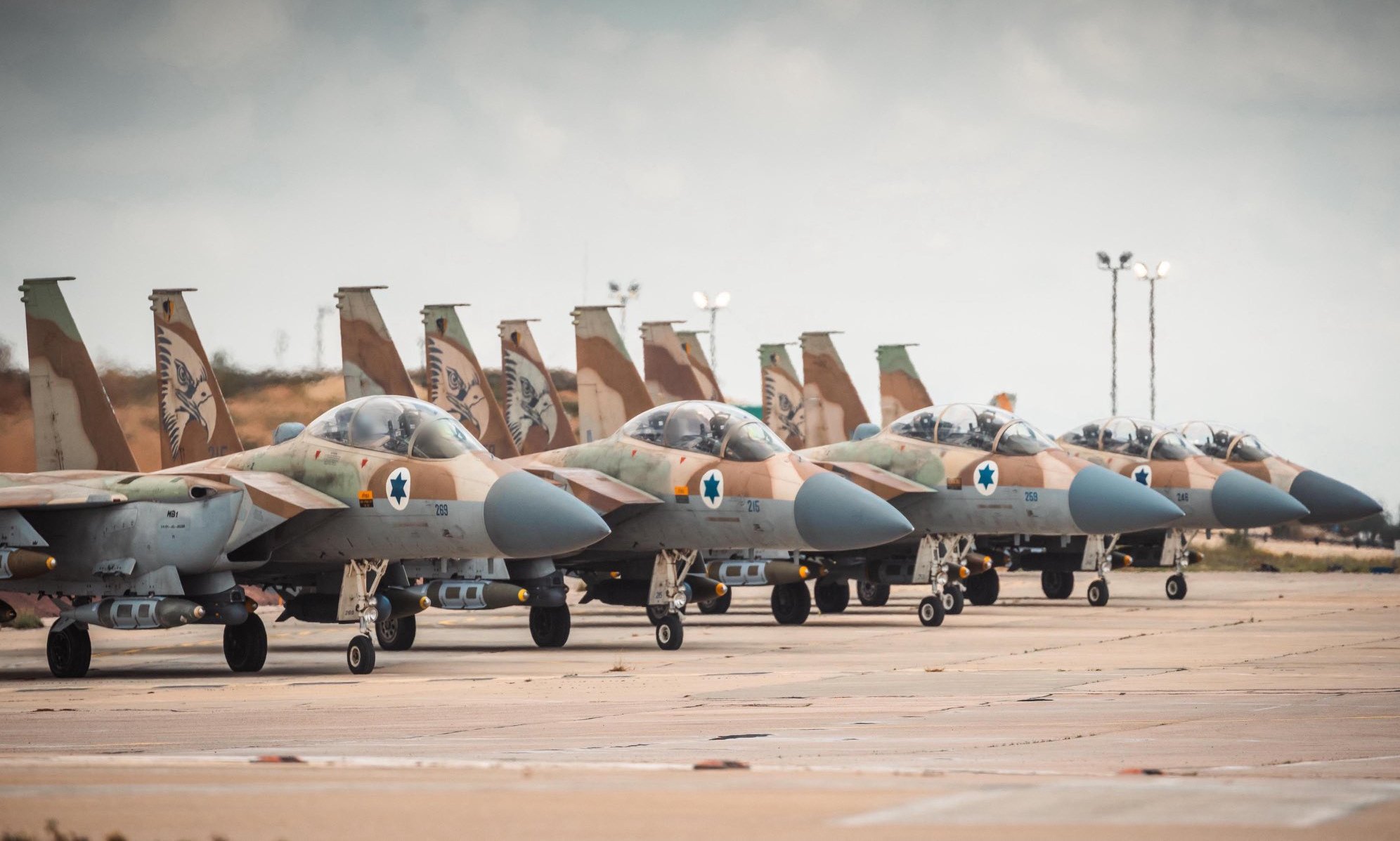 |
An Israeli F-15I squadron preparing for an attack mission on Iran, in an image posted in April. Photo: IAF
Following the last strike on the morning of 8/6, Iran contacted President Trump to declare its readiness for a ceasefire with Israel. "They called us to say they would not continue attacking, asking the US to request Israel to stop conducting further strikes," Trump said.
Israel's Channel 12 reported that Prime Minister Netanyahu approved a plan on the afternoon of 8/6 to conduct a large-scale aerial campaign against Iran that same day. Two Israeli officials said this would be the largest strike since April, targeting dozens of sensitive locations.
President Trump called immediately afterward, asking Prime Minister Netanyahu to halt all strikes so the US could achieve a peace agreement with Iran. According to Channel 12, Netanyahu received the call while discussing with officials at the Kirya military base in Tel Aviv.
"I said, 'Hey Bibi, be careful, unless you want to be alone soon'", President Trump recounted.
Axios, citing an Israeli source, reported disagreements during the phone call, but Prime Minister Netanyahu still agreed to suspend strikes if Iran did not attack. He ordered military commanders to cancel the operation, even though numerous fighter jets were ready for takeoff.
Prime Minister Netanyahu's decision caused "great chaos" among senior Israeli military commanders, according to Channel 12. Some Israeli officials believed the two leaders showed mutual understanding during the call, while sources suggested President Trump had essentially ordered Prime Minister Netanyahu.
Discussions at the Kirya base also revealed disagreements among security cabinet ministers regarding how Israel should react to President Trump's intervention, and whether Tel Aviv should prioritize directly confronting Tehran or increasing pressure on Hezbollah.
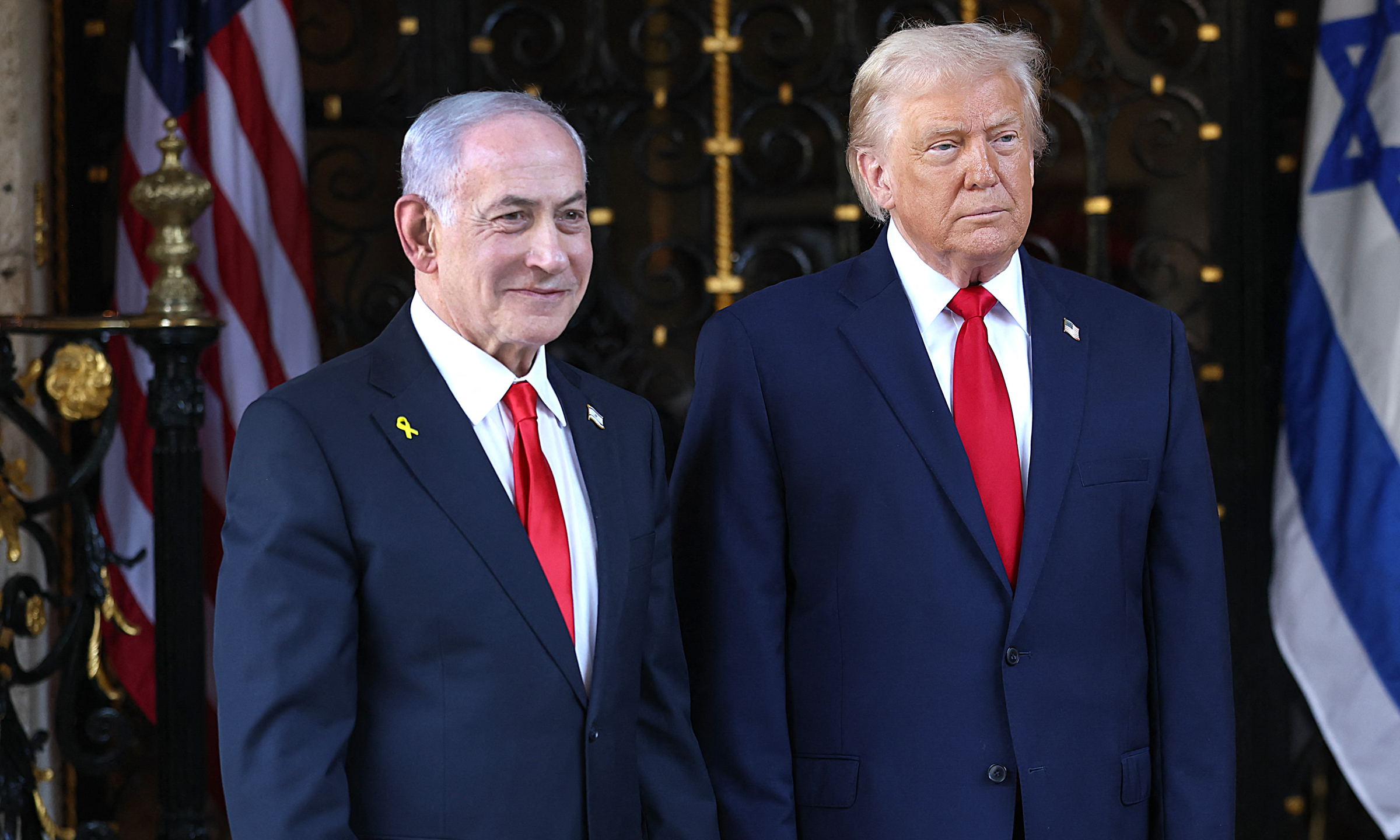 |
Prime Minister Netanyahu (left) and President Trump in Florida, US in 12/2025. Photo: AFP
National Security Minister Itamar Ben Gvir wanted Israel to resist US pressure, stating that Tel Aviv needed to "stand firm" against Trump and clarify that the country had "red lines" that could not be crossed.
Prime Minister Netanyahu seemingly responded by implying the upcoming election was the reason for Ben Gvir's stance, but the Israeli national security minister rejected this. The Israeli leader also defended the decision to coordinate with the US, arguing that President Trump shared Israel's goals regarding Iran.
"We share common ground with Trump. He has not released Iran's frozen funds, is determined to remove nuclear materials, and is maintaining pressure on that country. Why should we conflict with him?" Channel 12 quoted the Israeli prime minister as saying.
Pham Giang (According to Times of Israel, Channel 12, Axios)