When US special forces conducted an early morning raid on 3/1 to apprehend Venezuelan leader Nicolas Maduro, President Donald Trump closely monitored developments from his Mar-a-Lago residence in Florida. Beside him was Marco Rubio, the influential Secretary of State and national security advisor.
Rubio's focus on Maduro reportedly began long ago. As a senator, he frequently accused the Venezuelan leader of being a "drug lord" and pushed for increased sanctions against Maduro. Maduro, then president of Venezuela, rejected these accusations.
During Trump's first term, Senator Rubio consistently communicated with the President's team, lobbying for greater pressure on Venezuela, according to former US officials.
Trump subsequently blocked Venezuela's access to financial markets and prohibited the repurchase of its debt. He also intensified oil sanctions, plunging Venezuela's economy into crisis. The Trump administration also mentioned a "military option" in Venezuela, but no actual actions followed.
Upon his appointment as Secretary of State during Trump's second term, Rubio continued to uphold this hardline stance.
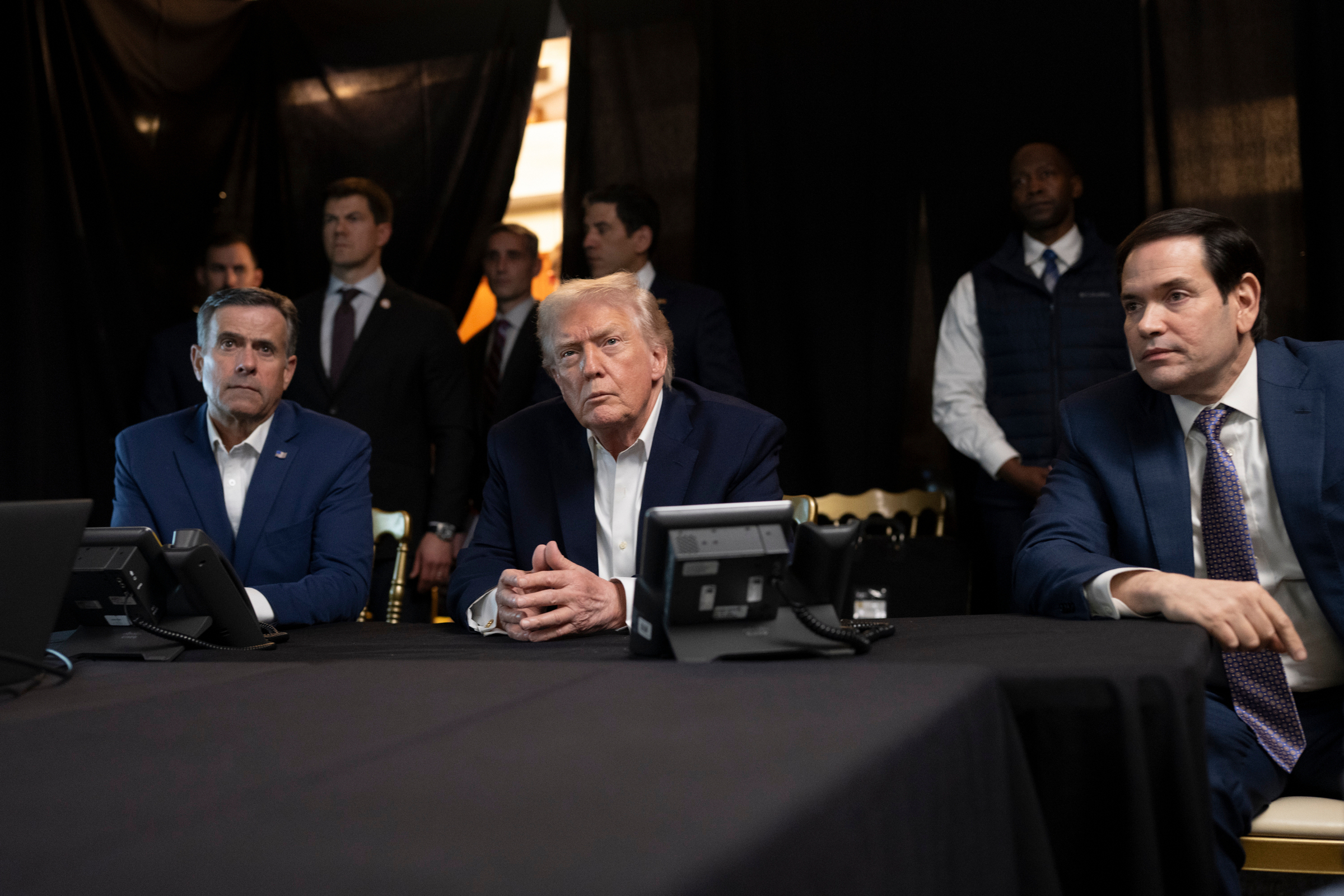 |
President Donald Trump (center) sits in a room at Mar-a-Lago with Secretary of State Marco Rubio (right) and other officials, monitoring the Venezuela raid on 3/1. *Photo: AP*
Sources told CNN that Rubio spent months collaborating with White House Deputy Chief of Staff Stephen Miller to develop the Venezuela strategy. Both were considered pillars of the aggressive strategy targeting Maduro.
Throughout this period, Rubio rarely left President Trump's side. He spent most of his time at the White House, using it as a planning base, and only visited the State Department primarily for bilateral meetings. He also spent many weekends in Florida with Trump, limiting foreign travel and often sending his deputy in his stead.
Months of Venezuela discussions fostered a strong bond between Rubio and Miller, as both shared a hardline foreign policy view. Despite past disagreements on some issues, particularly immigration, Rubio and Miller found common ground on Venezuela.
While Secretary of State Rubio focused on increasing economic, political, and ultimately military pressure on the Maduro government, White House Deputy Chief of Staff Miller initially viewed Venezuela as a destination for undocumented immigrants deported from the US.
Ultimately, Miller agreed with Rubio's argument that targeting Maduro with accusations of "drug trafficking and supporting gangs" would serve US interests better than maintaining relations for immigration purposes.
Miller and Rubio's hardline stance sometimes overshadowed other senior officials in discussions with President Trump. This was reportedly due to their trusted relationship with Trump and their consistent pursuit of increased pressure on the Venezuelan leader.
Rubio also served as the White House's primary liaison to Congress, briefing on US forces' "drug boat" interdiction campaign in the Caribbean Sea. On 5/1, he briefed key members of Congress on the raid to apprehend Maduro.
"Rubio is capable, meticulous, and understands senators, so he was often the briefer", a congressional aide stated.
Hours after Maduro and his wife were brought to the US, Trump announced he had tasked Rubio and other key officials with "running" Venezuela. This new assignment reportedly solidified Rubio's influence over US policy.
Plans for Venezuela's future after Maduro's apprehension were also discussed by Rubio and Miller at the White House. President Trump and Rubio also outlined the US policy framework for Venezuela: applying economic pressure and tightening oil revenues to compel interim President Delcy Rodriguez to cooperate.
"That is significant leverage and will be maintained until we see changes that not only serve US national interests, considered the number one priority, but also bring a better future for the Venezuelan people", Rubio said on 4/1, referring to the oil embargo.
When questioned about the responsibility of "running" Venezuela, Miller stated that Rubio was leading the effort.
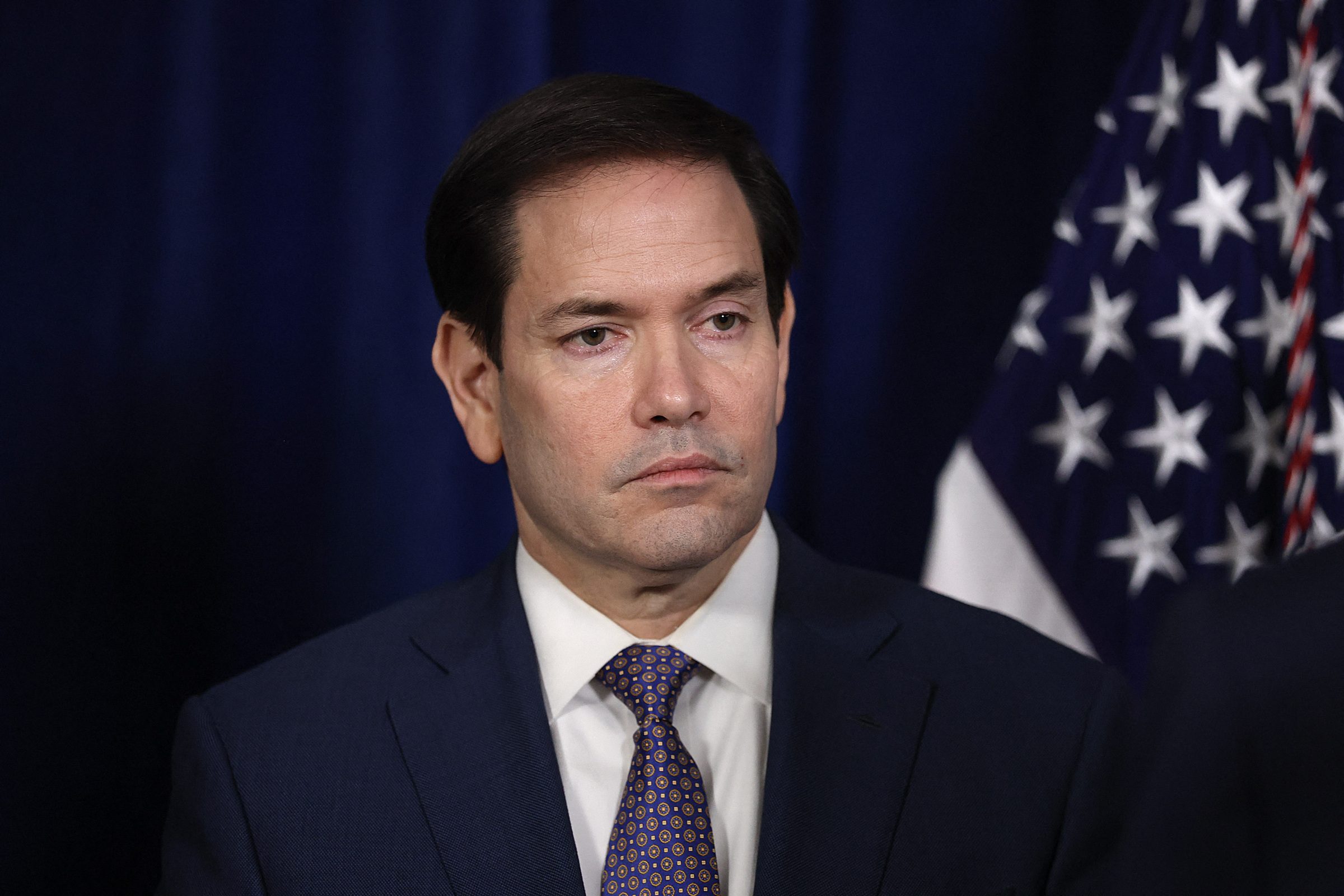 |
Secretary of State Marco Rubio at a press conference at the Mar-a-Lago residence on 3/1. *Photo: AP*
Rubio was considered the administration's spearhead at this time. Trump stated that Rubio telephoned Rodriguez immediately after Maduro's apprehension and had more exchanges since. The US President mentioned they spoke in Spanish, a language Rubio is fluent in.
Rubio stated that the US would evaluate Rodriguez by her actions, not her words. Rodriguez initially criticized the US's "barbaric attack", but by the evening of 4/1, she accepted the role of interim President and proposed "cooperation" with the US.
By Thanh Tam (According to CNN, AFP, Reuters)