"We have agreed that while the port blockade remains, 'Project Freedom' will be temporarily paused to see if an agreement with Iran can be finalized and signed," US President Donald Trump posted on Truth Social on the evening of 5/5 (morning of 6/5 Hanoi time).
According to the US President, the decision followed a request from mediator Pakistan and several other nations. He also stated that "significant progress has been made towards a complete and final agreement" with Tehran.
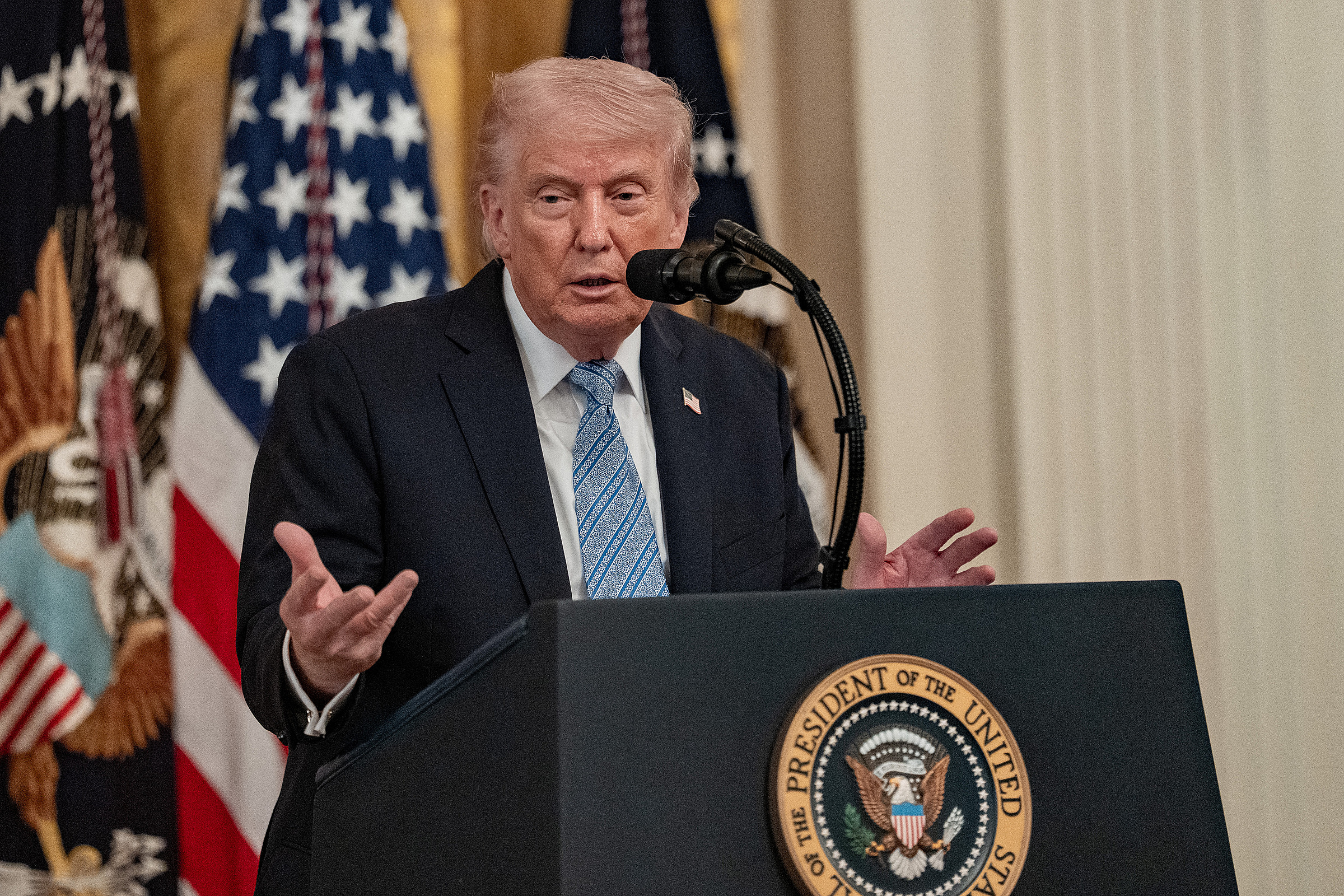 |
US President Donald Trump at the White House on 4/5. *Photo: AFP*
On 3/5, Mr. Trump stated that numerous countries had contacted the US requesting assistance for ships stranded in the Gulf. Washington subsequently launched "Project Freedom" to escort these vessels through the Strait of Hormuz. US Central Command (CENTCOM) deployed approximately 100 aircraft, unmanned vehicles, and 15,000 personnel for the operation, successfully assisting some cargo ships in passing safely through the Strait of Hormuz.
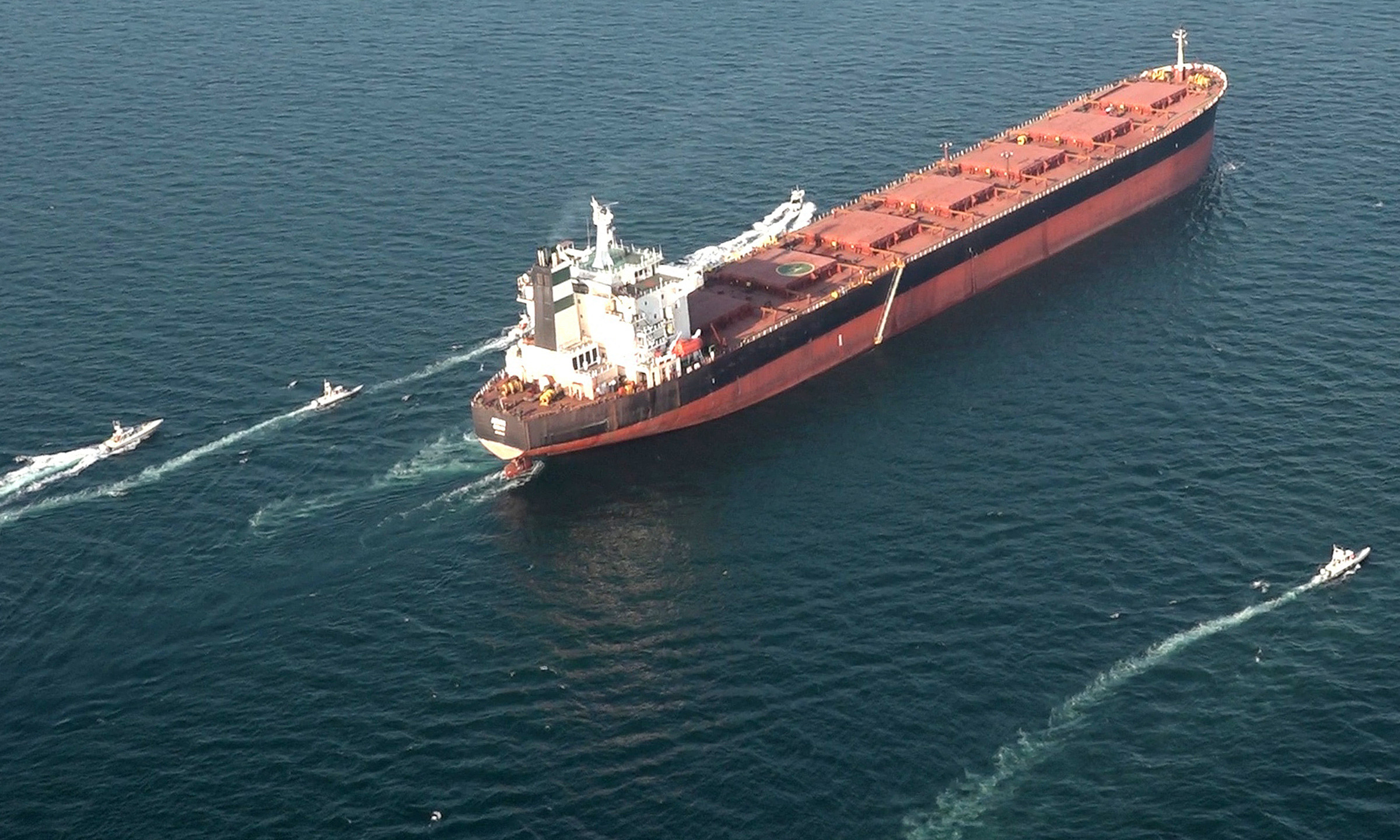
On 4/5, the US dispatched guided-missile destroyers through the Strait of Hormuz and assisted two US-flagged vessels in departing, aiming to break Iran's grip. Iran's Islamic Revolutionary Guard Corps (IRGC) deemed the US operation a violation of the ceasefire. The IRGC retaliated by launching cruise missiles, unmanned aerial vehicles (UAVs), and using speedboats to attack ships passing through Hormuz.
The IRGC also attacked Fujairah, a vital oil hub in the United Arab Emirates (UAE). Located outside Hormuz, Fujairah is used by Abu Dhabi as an alternative oil export channel to counter congestion in the strait.
In response to Iran's actions, the US stated that it sank 6 Iranian speedboats, but Tehran denied this information.
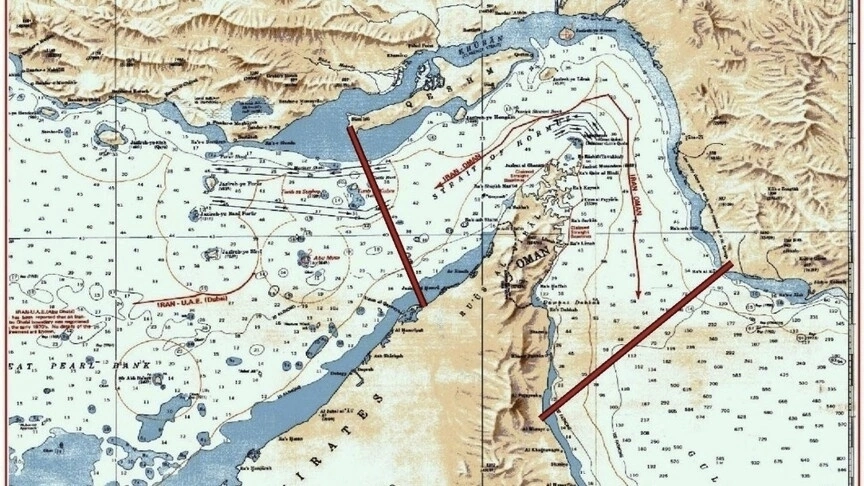 |
Area Iran claims control over in the Strait of Hormuz. *Graphic: IRGC*
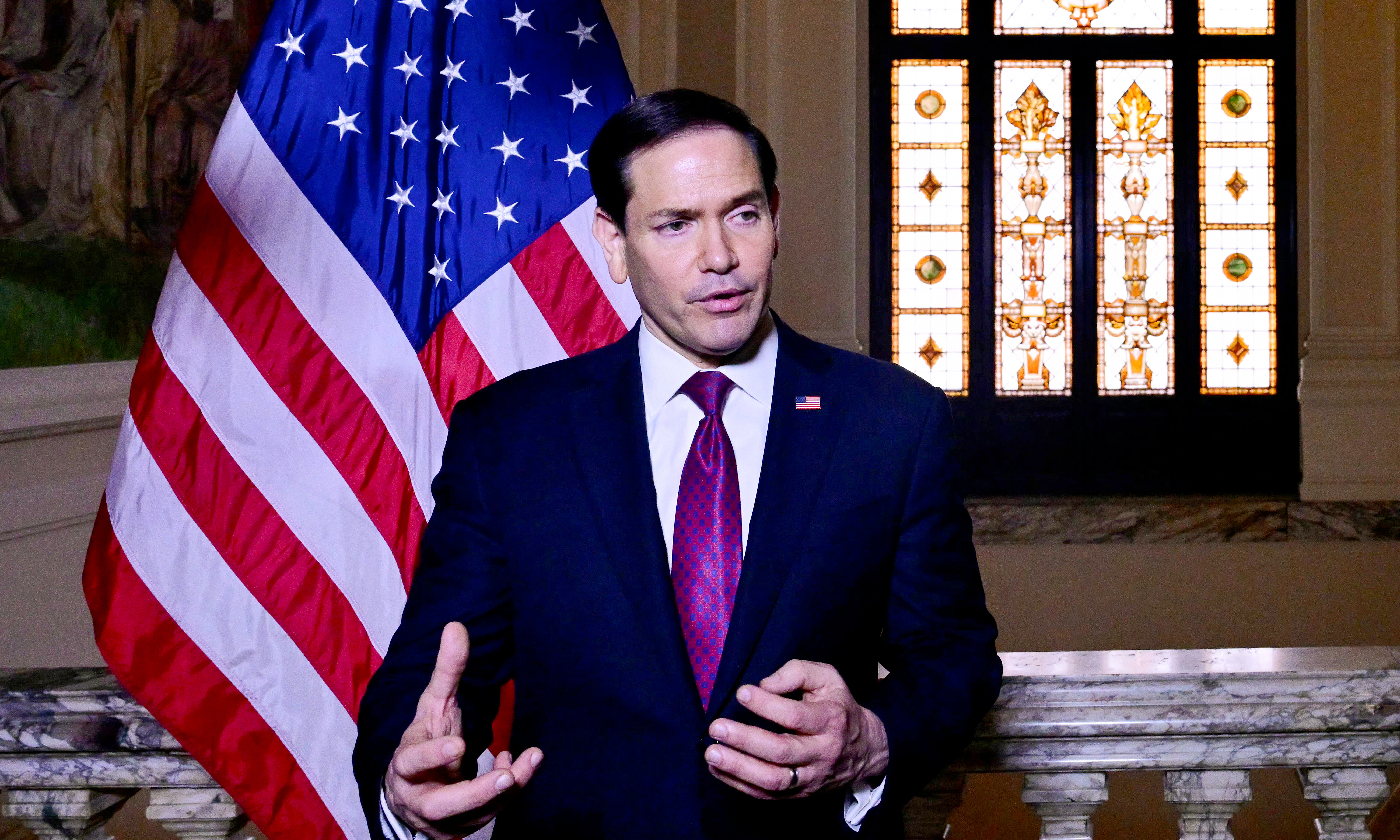
Before Mr. Trump's announcement, US Secretary of State Marco Rubio declared that "Operation Horrifying Fury" targeting Iran had ended. According to Mr. Rubio, issues related to Iran's nuclear program, including its highly enriched uranium stockpile, would be resolved through negotiations.
"Regarding negotiations, I think the President has made it clear that this process not only concerns uranium enrichment but also addresses the material stored deep somewhere. I do not want to negatively influence the negotiations, but it can be said that the President and the entire team are well aware of the importance of this issue, and it will have to be resolved one way or another," he emphasized.
Last week, the White House informed Congress that hostile actions against Iran had "ended," as the operation reached the 60-day mark, a threshold requiring congressional approval to continue conflict. However, President Trump did not rule out the possibility of resuming airstrikes if negotiations fail or if Iran violates the current ceasefire.
By Huyen Le (According to AFP, CNN)