On 5/6, Reuters, citing two informed sources, reported an explosion caused by an "unmanned aerial vehicle (UAV)" near single buoy moorings 1 and 2 at Oman's Mina al Fahal crude oil export port. Omani officials subsequently announced the suspension of oil pumping operations to cargo vessels.
The sources did not disclose the attack's timing, and Mina al Fahal port management has not commented. LSEG shipping data shows several supertankers anchored offshore from the port today.
News of the Mina al Fahal port attack emerged after Iranian media claimed on 3/6 that Tehran had targeted a US military vessel, described as a "command and control center", as the ship approached Iranian territorial waters in the Gulf of Oman. The US Central Command (CENTCOM) later stated its vessel was not hit.
Mina al Fahal port is located about 10 km northwest of the capital Muscat and is Oman's primary crude oil export port, playing a strategic role in the country's energy sector.
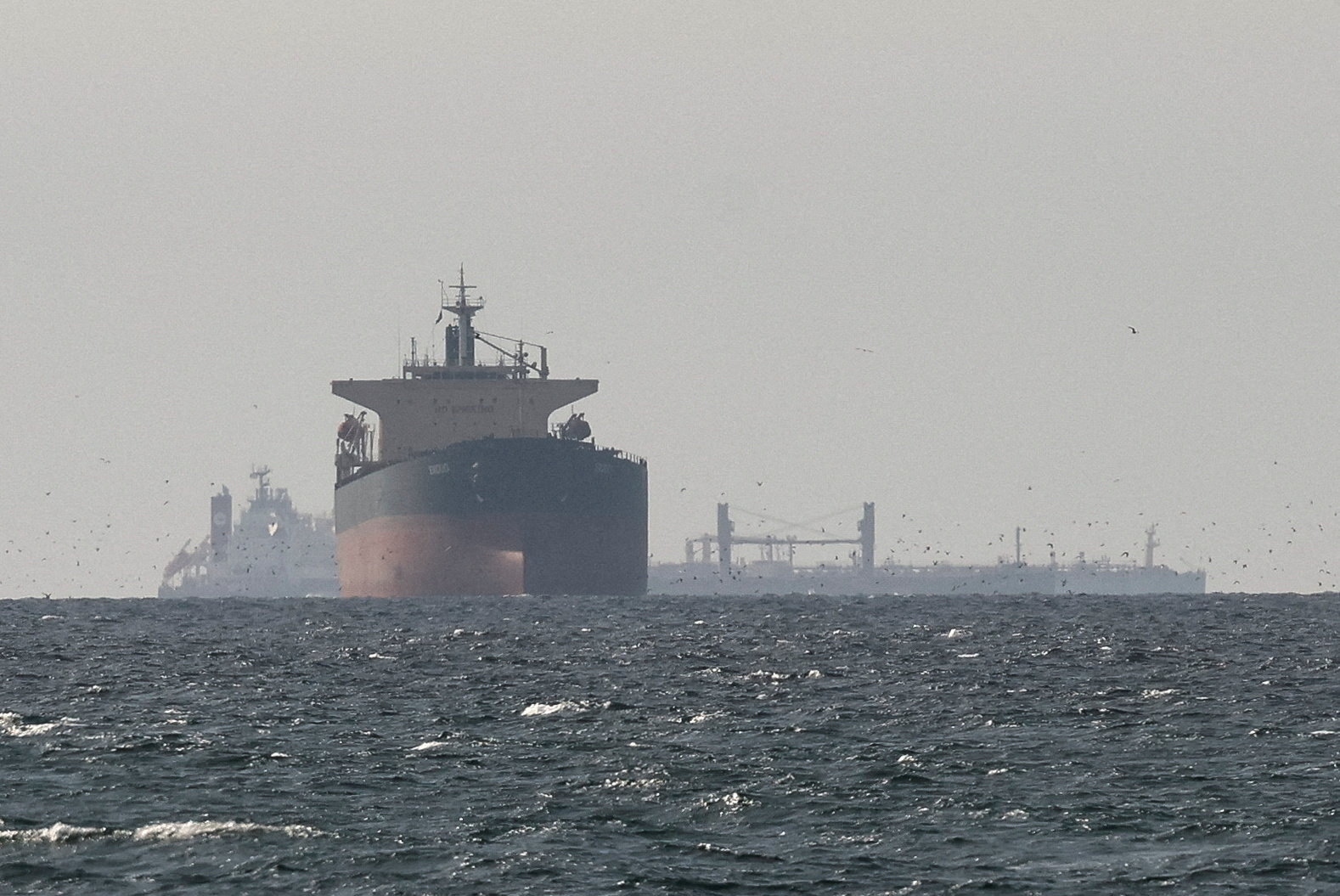 |
A cargo ship navigates off Oman's Musandam province, near the Strait of Hormuz, on 11/3. *Reuters* |
This is not the first time operations at the port have been affected by regional tensions. In March, Oman evacuated all vessels from Mina al Fahal after identifying a risk of attacks on energy infrastructure and oil tankers. Operations at the port resumed a few hours later.
Shipping lanes in the Gulf of Oman and the Arabian Gulf are significant for the global energy market, as this region is one of the world's largest oil suppliers. Any disruption to oil exports or tanker movements could raise supply chain concerns and drive up oil prices, especially if attacks continue or spread to other energy facilities.
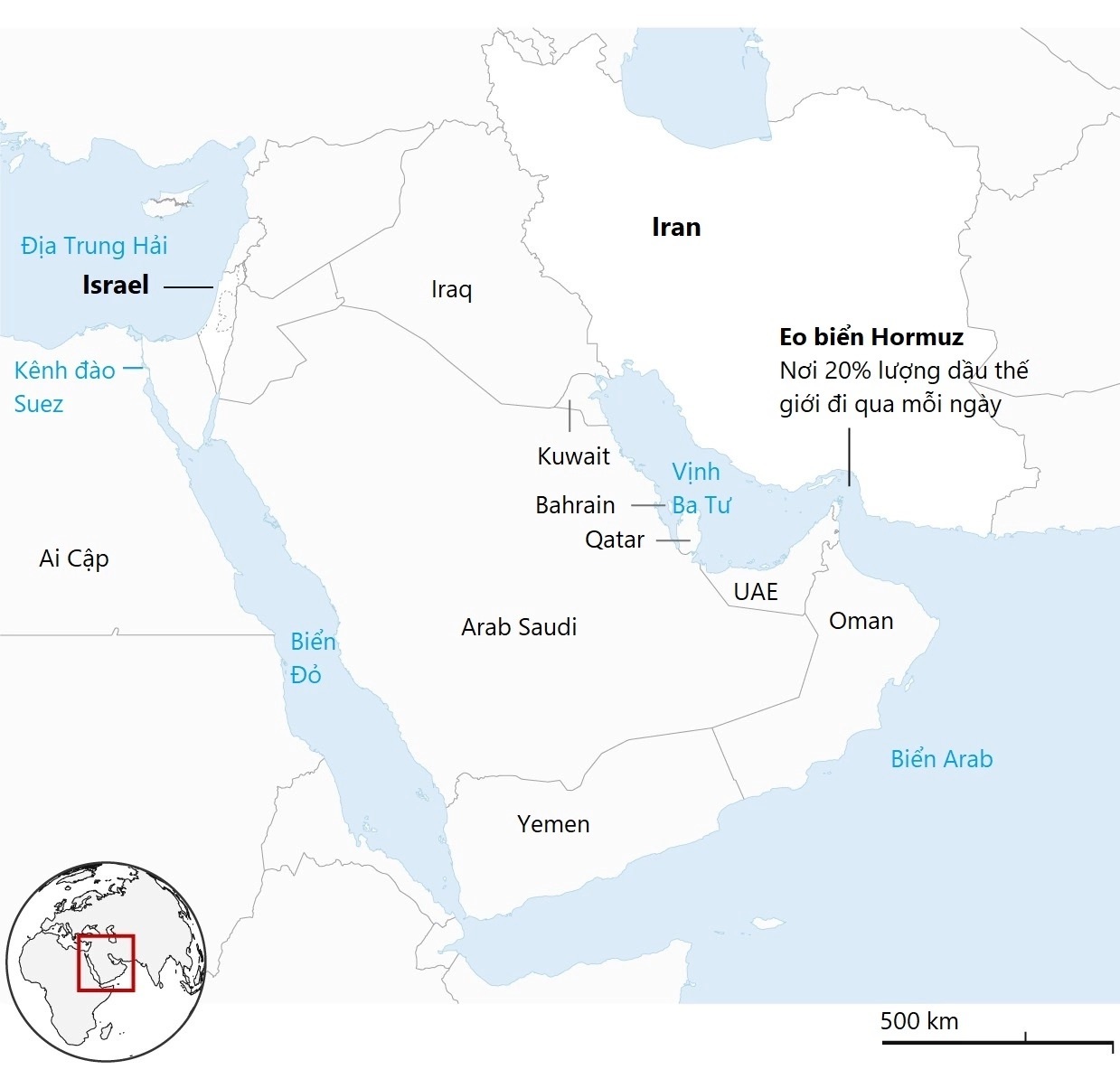 |
Location of Oman and the Strait of Hormuz. *Guardian* |
A Lloyd's List report stated that all ports in Oman, as of 2/6, remained fully operational and maintained ISPS level 1 security, the basic level under the International Ship and Port Facility Security (ISPS) Code.
Omani authorities require all vessels calling at port to submit a letter confirming they are not carrying dangerous goods. If dangerous goods are on board, the shipowner must declare them in detail and await approval before entering territorial waters.
Mina al Fahal management also requires vessels to ensure their doppler speed log systems are functioning correctly, due to ongoing GPS interference in the region during this period of tension. Ships without this system will not be permitted to dock to avoid collision risks.
By Thanh Danh (Reuters, AA, Lloyd's List)