


Conflict in the Gulf region has left nearly one billion barrels of oil stranded due to the Strait of Hormuz blockade, severely disrupting global energy supplies. Asian and European nations are scrambling to find alternative sources for the stalled oil, causing world market demand for US crude oil to surge.
While some countries began restricting oil and refined product exports weeks ago, the US continues to export more oil than it imports. According to data released by the US Energy Information Administration (EIA) on 6/5, US exports of petroleum products soared to an unprecedented 8,2 million barrels per day last week.
This record export level was driven by robust demand for US diesel, with exports of this fuel also reaching an all-time high. The US has become a crucial fuel supplier to the global market, including strategic commodities like diesel, jet fuel, and gasoline.
Federal data released last week showed that US energy inventories, considered a "shock absorber" for the country's oil and gasoline market, continue to decline rapidly.
Paradoxically, while exporting millions of barrels of oil and refined products daily, the US has seen domestic gasoline prices steadily rise since late March. GasBuddy data indicates that the average gasoline price in the US has surpassed 4,5 USD per gallon (1,2 USD per liter), the highest since 7/2022. California currently has the highest average gasoline price nationwide, at 6,14 USD per gallon.
This situation has led to growing calls for President Donald Trump's administration to restrict oil and refined product exports to cool domestic gasoline prices. Democratic Representative Ro Khanna recently reintroduced a bill to ban oil exports during periods of high fuel prices.
"Why are we exporting oil overseas while Americans are emptying their wallets at the pump? Our oil supply should serve Americans first. That will help lower fuel prices in the US", he told Fox Business.
Some energy industry experts acknowledge that export restrictions could help curb fuel prices in the short term. Rapidan Energy Group, an energy investment analysis firm in the US, estimates a 35% chance that energy prices will rise sharply enough for the White House to implement oil and refined product export controls.
"This is a bad idea, but it will be very hard to resist if gasoline prices continue to rise", said Bob McNally, founder of Rapidan Energy Group and a former energy advisor to ex-president George W. Bush.
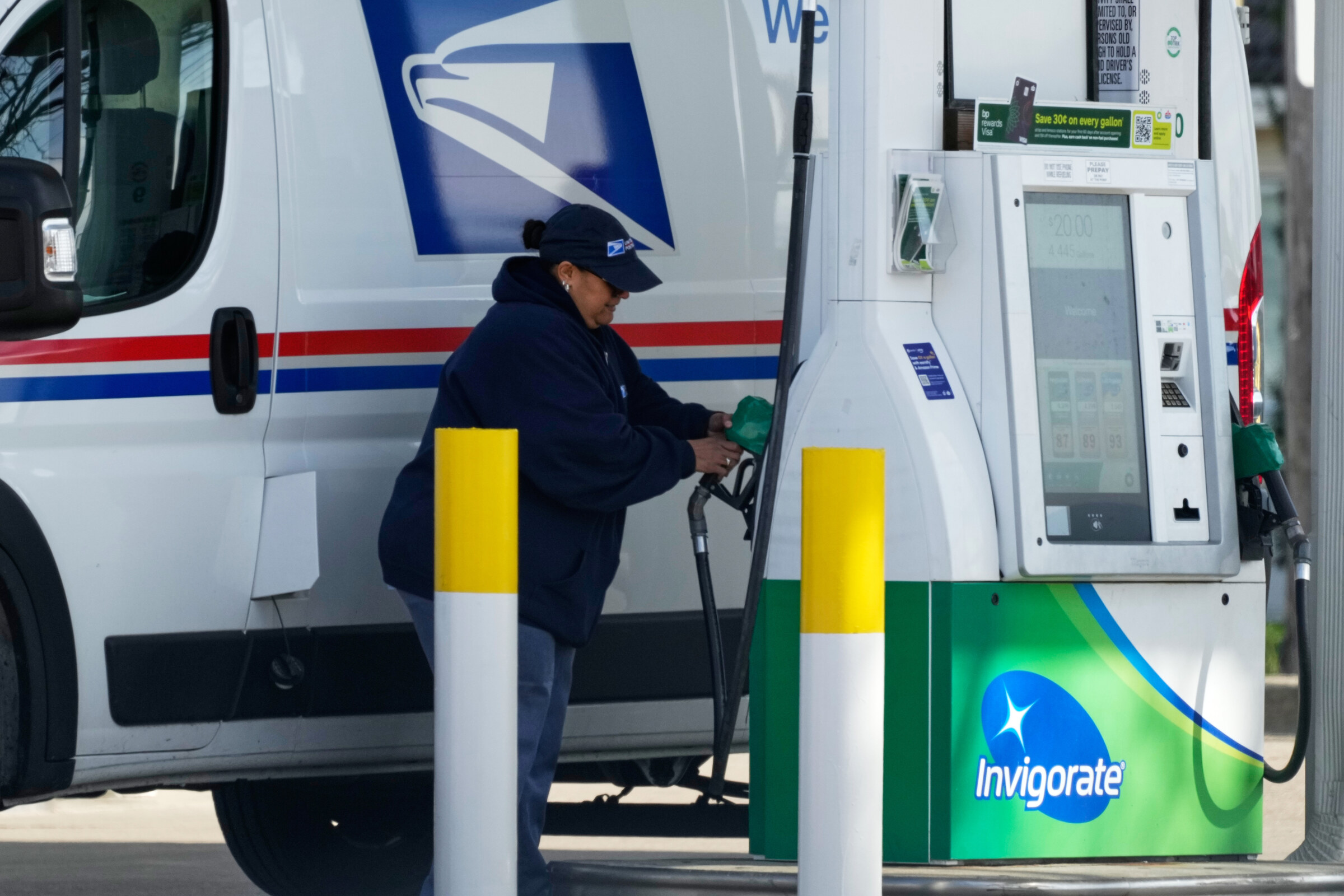 |
A US Postal Service (USPS) employee refuels at a pump in Chicago on 7/4. Photo: AP |
The current energy supply crisis, widely regarded as the most severe shock in history, has even prompted some US experts who once opposed oil and refined product export controls to reconsider their stance.
McNally does not rule out the possibility that the Trump administration will impose some form of export restrictions if the energy crisis worsens as many companies predict.
Vikas Dwivedi, global energy strategist at Macquarie Group, believes a temporary ban on oil and petroleum product exports could significantly reduce US energy prices, thereby easing pressure on consumers before the mid-term congressional elections in November.
"I cannot believe I am saying this. Throughout my career, I have always argued that an export ban would not work and should not be implemented", Dwivedi said.
The Trump administration has repeatedly stated that restricting oil and refined product exports is not among the options being considered, largely because the approach carries too many risks.
Experts warn that export controls could severely damage the US refining industry in the long run, diminish Washington's credibility as a reliable energy supplier, and push allies into recession.
Part of the reason lies in the complex US energy supply chain, which relies on both imports and exports. Matt Smith, an oil analyst at Kpler, emphasizes that even though the US is a net oil exporter, it still imports about 6,5 million barrels of crude oil daily.
Older US refineries already maximize the light, low-sulfur oil extracted from the Permian Basin in Texas and New Mexico. To produce gasoline and diesel, they typically blend this shale oil with heavier crude imported from Canada, the Middle East, and Latin America. The surplus US crude is then exported, meaning the US cannot detach itself from the global energy system.
McNally suggests that any reduction in US gasoline prices due to export restrictions would only be temporary. He warns that an export ban would force US refineries to use only domestic oil, which could reduce their profits, "leading to less gasoline production and ultimately higher prices again".
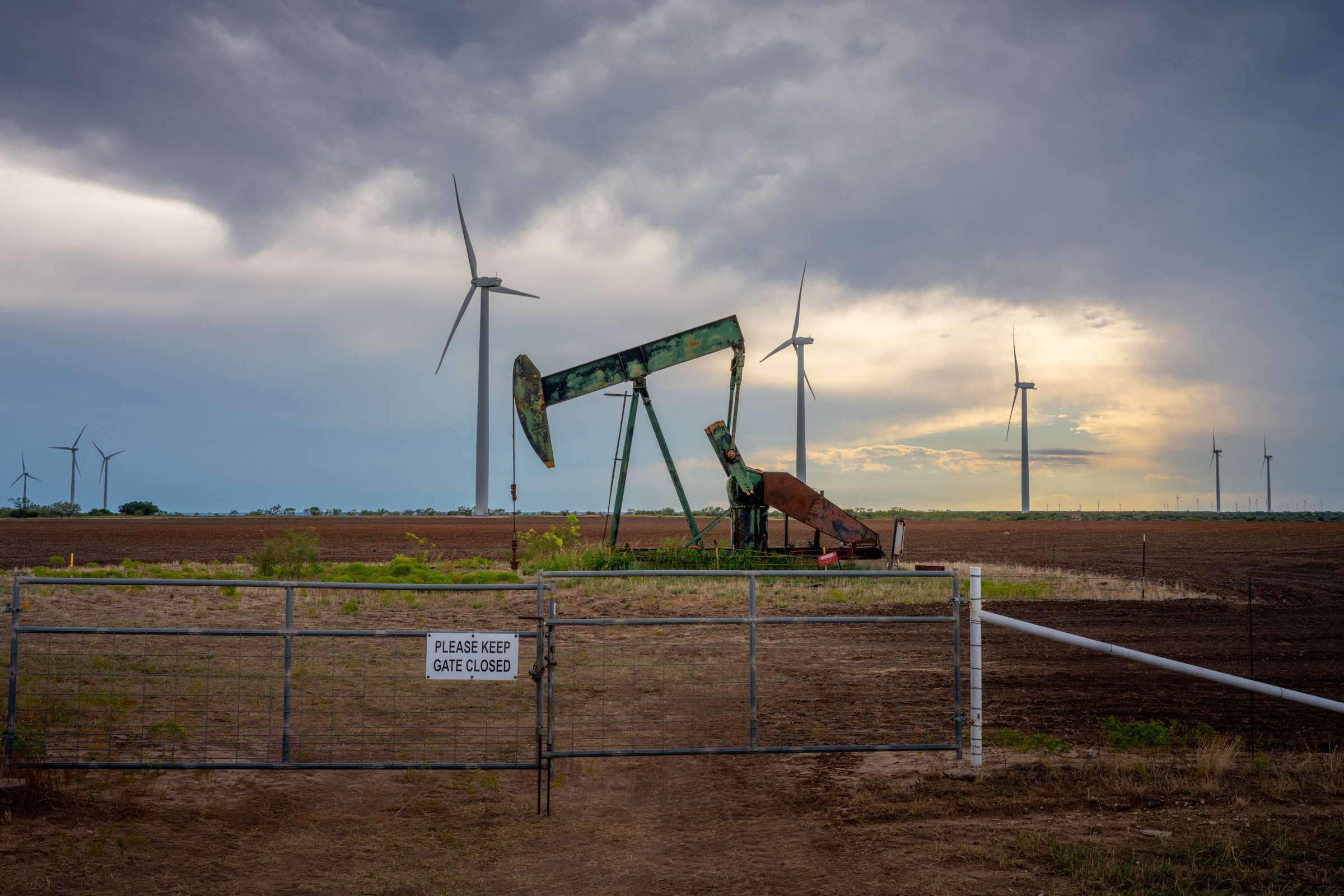 |
Oil pumps in Nolan County, Texas, in 10/2023. Photo: AFP |
Robert Auers, who oversees refined fuels at RBN Energy, also believes an oil and refined product export ban could lower energy prices in the short term, but the long-term cost would be substantial. He suggests this move would create "a mountain of chaos", forcing refineries to cut production and potentially even leading to the permanent closure of some facilities.
"You could pull prices down very hard next week, but that impact will diminish over time. A year from now, prices might be no different than they are today", Auers said.
Chevron CEO Mike Wirth warned this week that measures like export bans or price caps would not be effective. Speaking at the Milken Institute global conference, Wirth stated that while these policies may stem from good intentions, history shows they often create unintended consequences that worsen the situation.
"Such a policy would be very bad, and the oil industry would vehemently oppose it", an oil and gas industry source told CNN.
Restricting the supply of US oil and refined products to the rest of the world could also severely harm the global economy and ultimately impact the US itself.
Dwivedi predicts that global prices for oil, gasoline, jet fuel, and other energy products would rise "wildly" if the US restricts exports. "You could push the entire world into a sudden recession. And the US is not immune to that. The ultimate impact will come back to us", he said.
US allies in Europe and Asia, who rely on US energy supplies during crises, would pay the price with extremely expensive fuel.
"We would permanently destroy our reputation as the world's energy insurance policy", McNally warned.
Thanh Danh (According to CNN, Investing, AP)


