On 3/8, the Romanian Navy detonated a 180 kg explosive charge to remove a rock formation obstructing the flow of the Danube River. This emergency measure aims to create a "makeshift dam", diverting more water into the river branch leading to the Cernavoda nuclear power plant. The operation, expected to conclude on 5/8, is critical for the plant's continued function amid record low water levels caused by prolonged drought.
"After 5-6/8, every day the plant remains operational is a miracle. One day of the plant's operation yields three times the cost of this campaign", stated Romanian Minister of Defense Radu Miruta. The Cernavoda plant, which supplies about 20% of the nation's electricity, had previously halted operation of one of its two reactors due to the unprecedented drop in Danube water levels. In response, the Romanian government declared a nationwide state of emergency in August as electricity output significantly declined.
Prime Minister Ilie Bolojan emphasized that the prolonged drought, combined with limited cross-border electricity connections with Central and Western Europe, is severely exacerbating the energy crisis. "The ability to import electricity is very limited", he noted. To ease pressure on the national power system, car factories belonging to the Renault and Ford groups in Romania voluntarily halted production until 19/8, reducing electricity demand by approximately 200 MW.
The extensive heatwave and drought have caused Danube water levels to drop sharply along many sections flowing through 10 European countries. This situation has raised significant concerns about water resources, waterway transport, and energy security across the region.
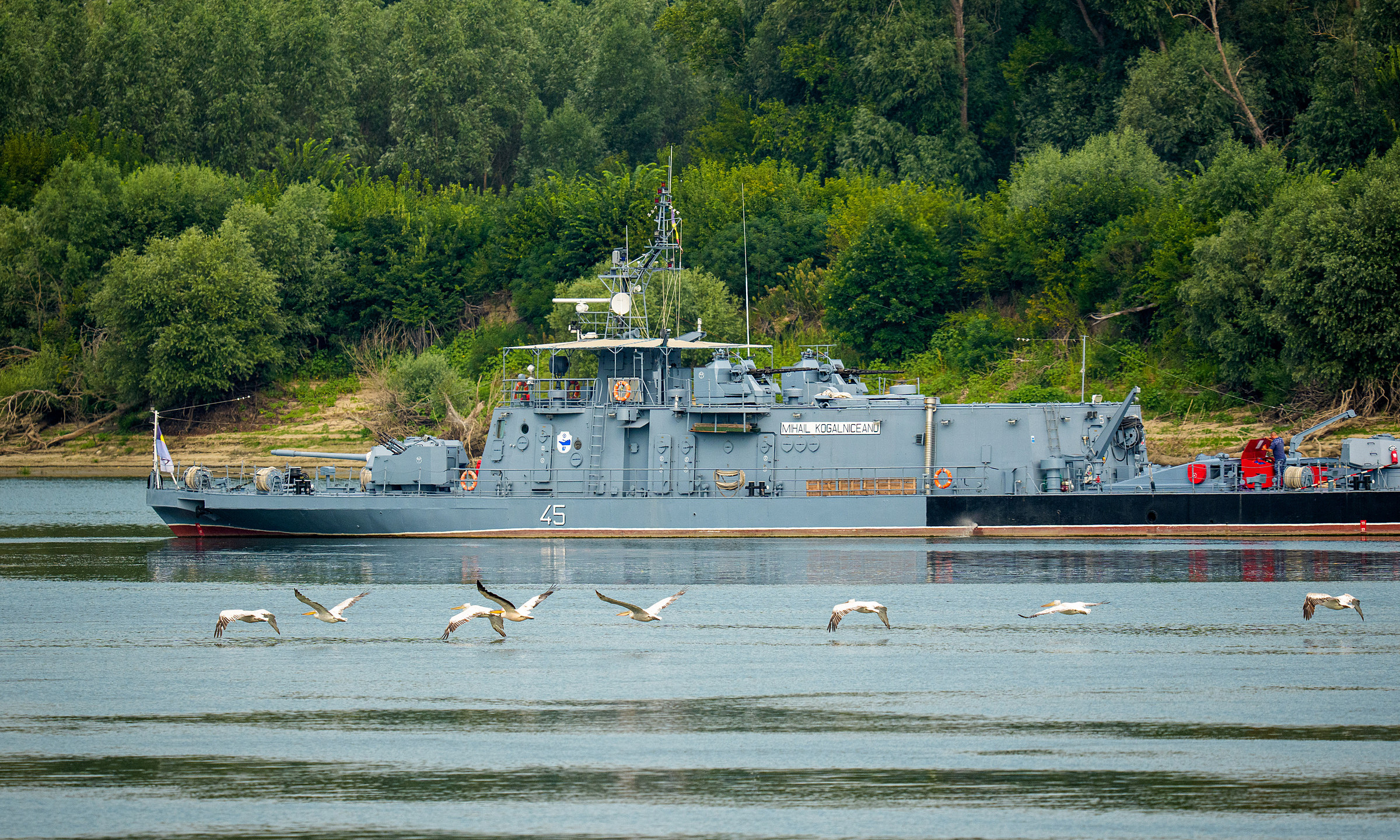 |
Romanian naval vessel deployed to the Danube River, near Izvoarele, to carry out the flow-redirecting detonation. *Photo: AP*
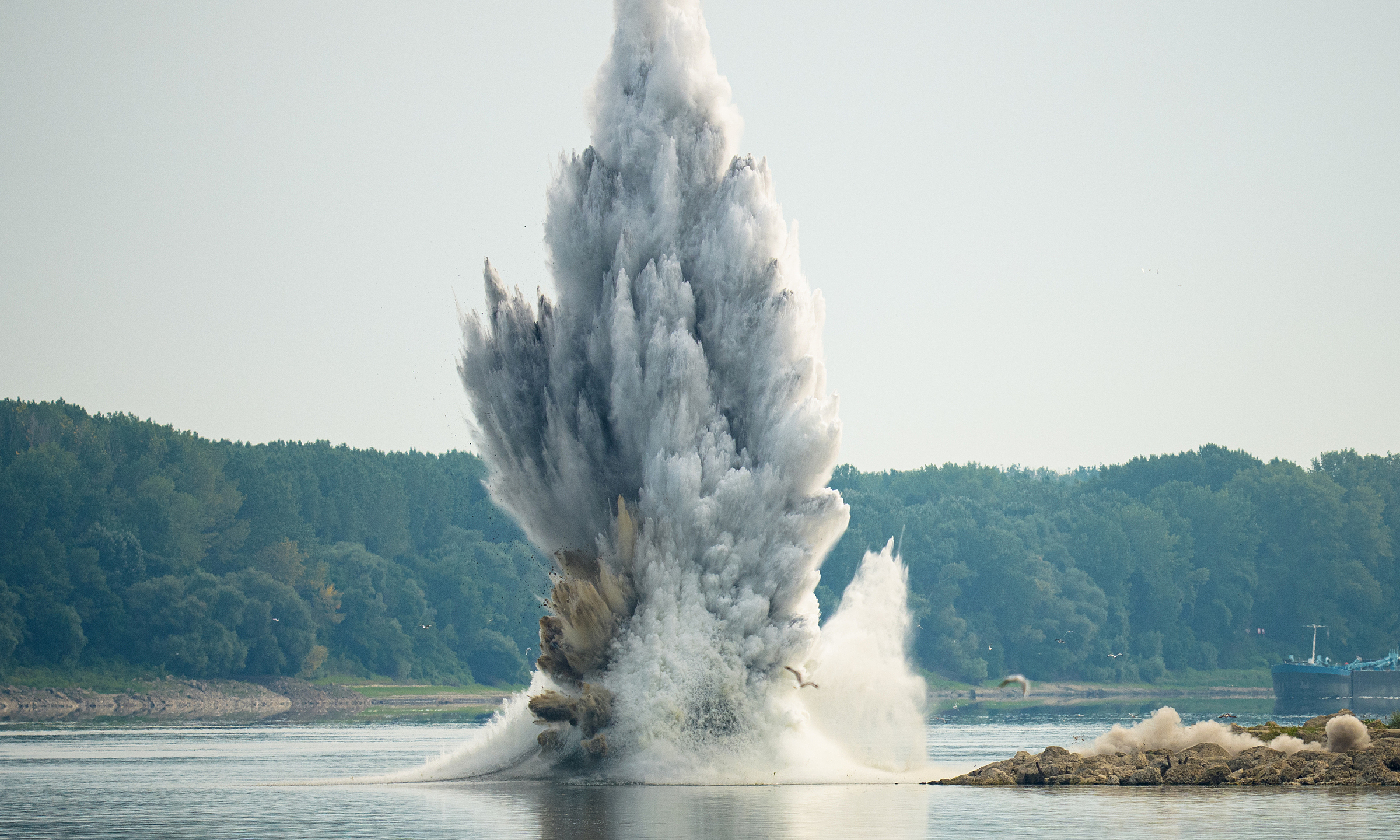 |
The explosive was detonated on the morning of 3/8, creating a large water column. *Photo: AP*
 |
Explosives expert surveying the site for the detonation on the Danube River. *Photo: AP*
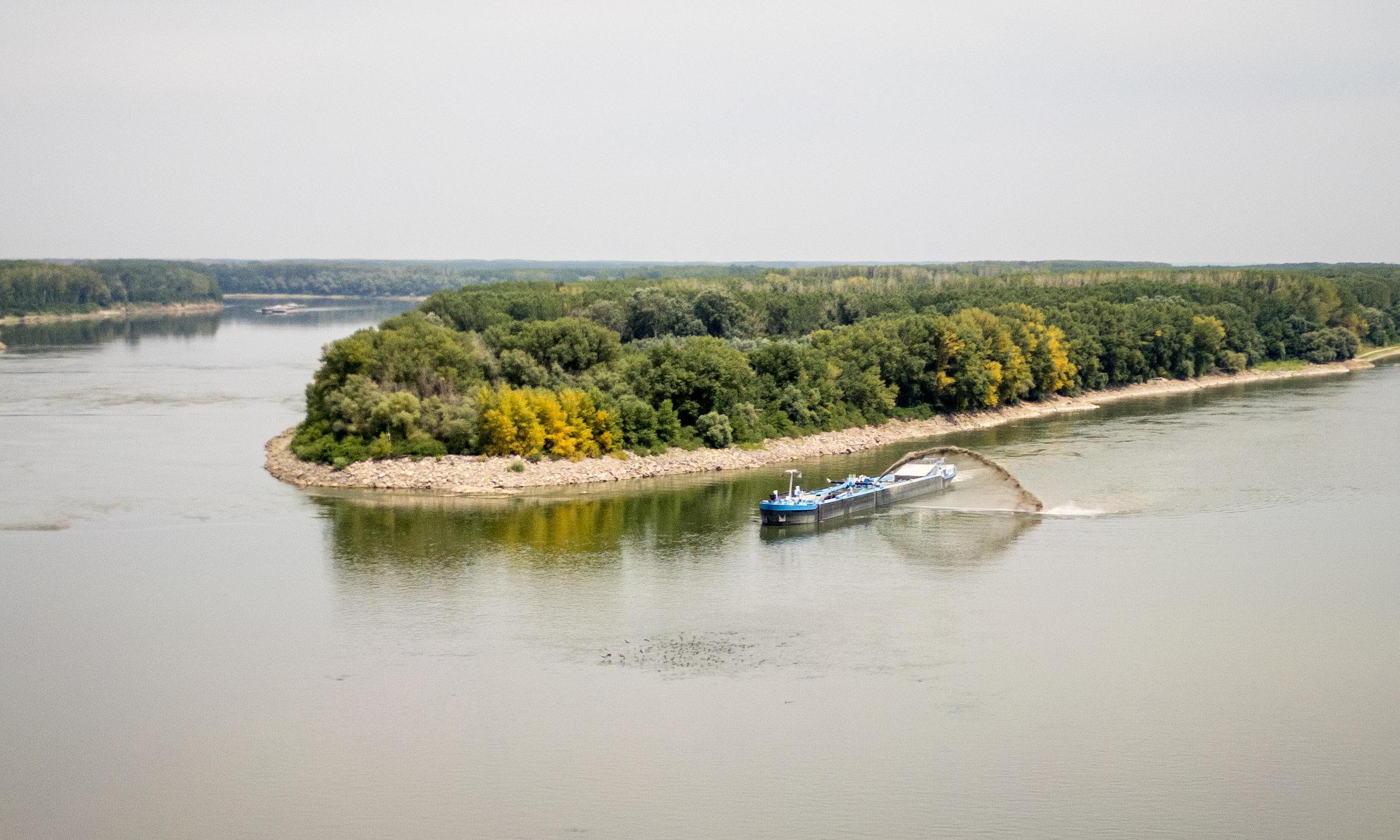 |
Dredging vessel deployed to the area to create a "makeshift" dam to redirect water flow on the Danube River. *Photo: AP*
Hungary has also faced similar challenges, having previously suspended operations at its Paks nuclear power plant, for the first time in 44 years. This suspension was a direct result of the Danube drying up and cutting off the water supply for its cooling system. On 3/8, Hungarian Prime Minister Peter Magyar reversed the decision to shut down Paks, opting instead to maintain a minimum capacity of 10% for at least two days to meet the country's peak electricity consumption period.
Prime Minister Magyar expressed a "bit more optimistic" outlook regarding the Danube River water level forecast for the next few days. Furthermore, households and businesses voluntarily reducing electricity consumption, following government appeals, helped save about 700 MW on 3/8, significantly easing pressure on the power grid.
Thanh Danh (According to Reuters, Guardian)