The Associated Press (AP), citing two US officials familiar with the matter, reported that an Iranian missile and drone attack on Prince Sultan Air Base in Saudi Arabia on 27/3 injured at least 10 US soldiers and damaged several refueling aircraft. The extent of the damage was not specified.
According to the Wall Street Journal, the injured soldiers were inside a building when missiles struck the base. Two of them sustained serious injuries.
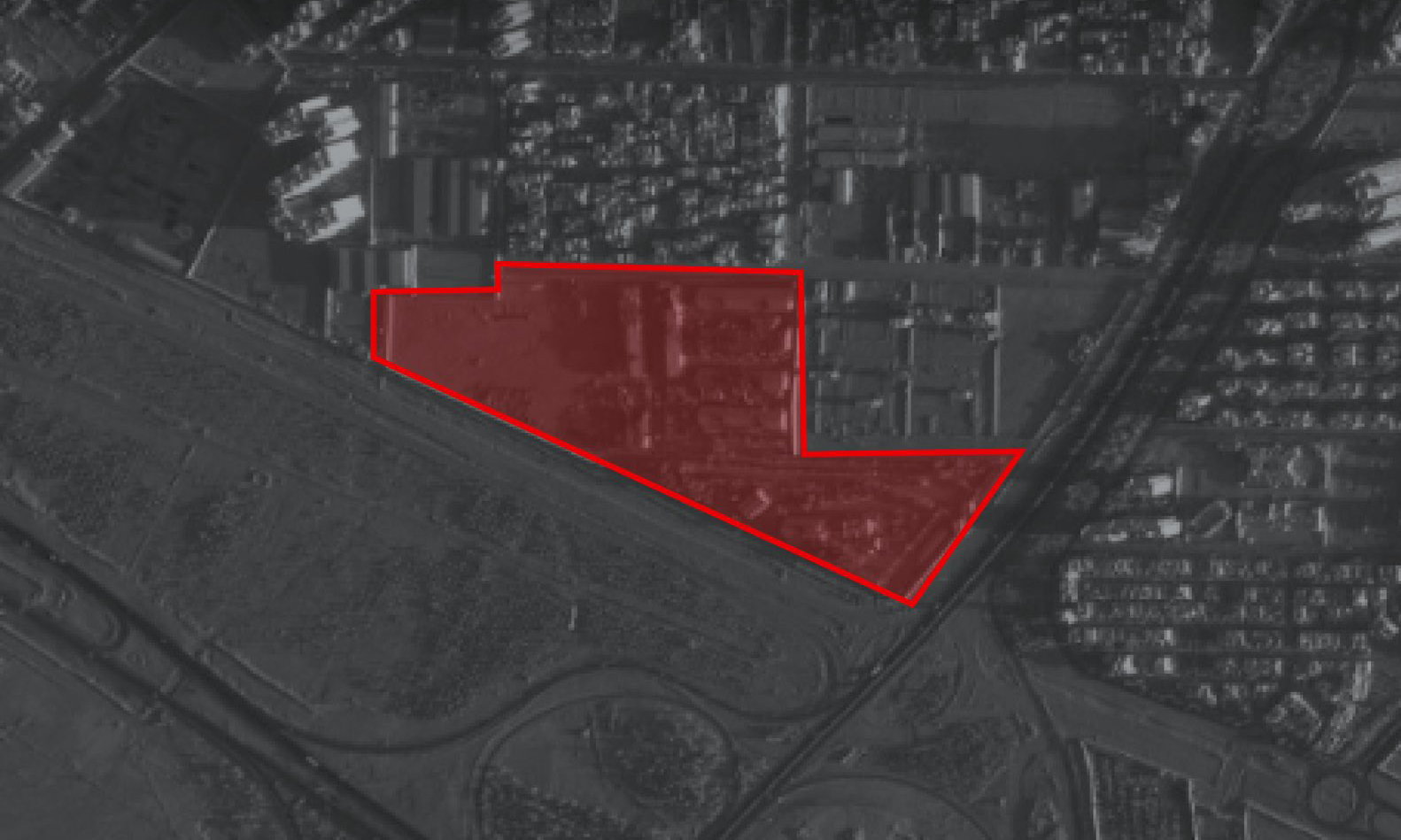
OSINTdefender, a social media account specializing in open-source intelligence on conflicts, later posted satellite images reportedly taken of Prince Sultan Base after the attack, showing extensive burn marks at the aircraft parking area.
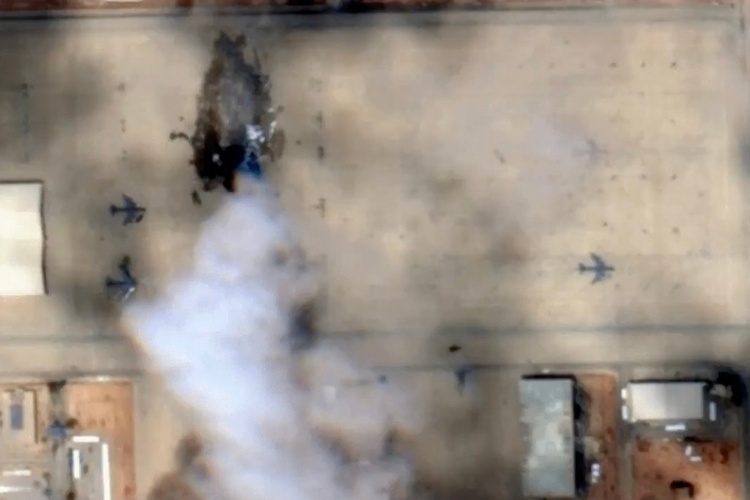 |
Satellite images of Prince Sultan Base before and after the 27/3 attack. *Photo: X/sentdefender*
"Images from the shortwave infrared (SWIR) sensor on Europe's Sentinel-2 satellite also showed thermal signals in the same area on 27/3, likely indicating plumes of fire and hot gas," said Stefan D'Urso, a writer for the military aviation news site Aviationist.
The US Department of Defense has not commented on the information.
Prince Sultan military airport, located in central Saudi Arabia, is a key US overseas base. Satellite images taken before the conflict erupted showed US forces deployed there, including at least 19 KC-46A and KC-135 refueling aircraft, six E-3 Sentry early warning aircraft, and three E-11A battlefield communications aircraft.
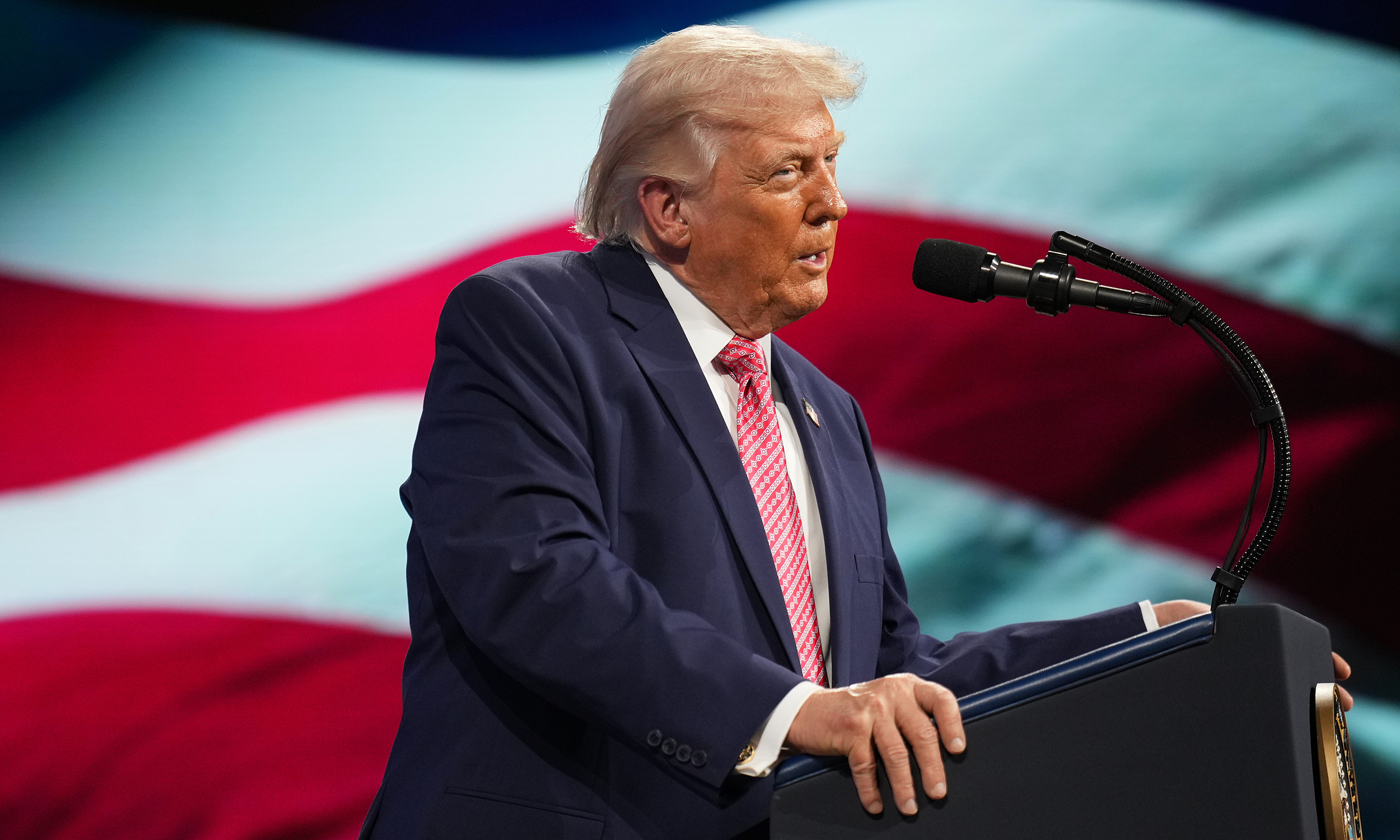
The attack occurred one day after US President Donald Trump declared that Iran's military "had been wiped out." US Secretary of Defense Pete Hegseth also stated that "history has never recorded a nation's military being neutralized so quickly."
This was not the first time Iran targeted Prince Sultan Airport. US media reported on 13/3 that an Iranian attack damaged at least five refueling aircraft at the base. Mr. Trump later confirmed that four sustained light damage and were repaired, while one suffered more severe damage.
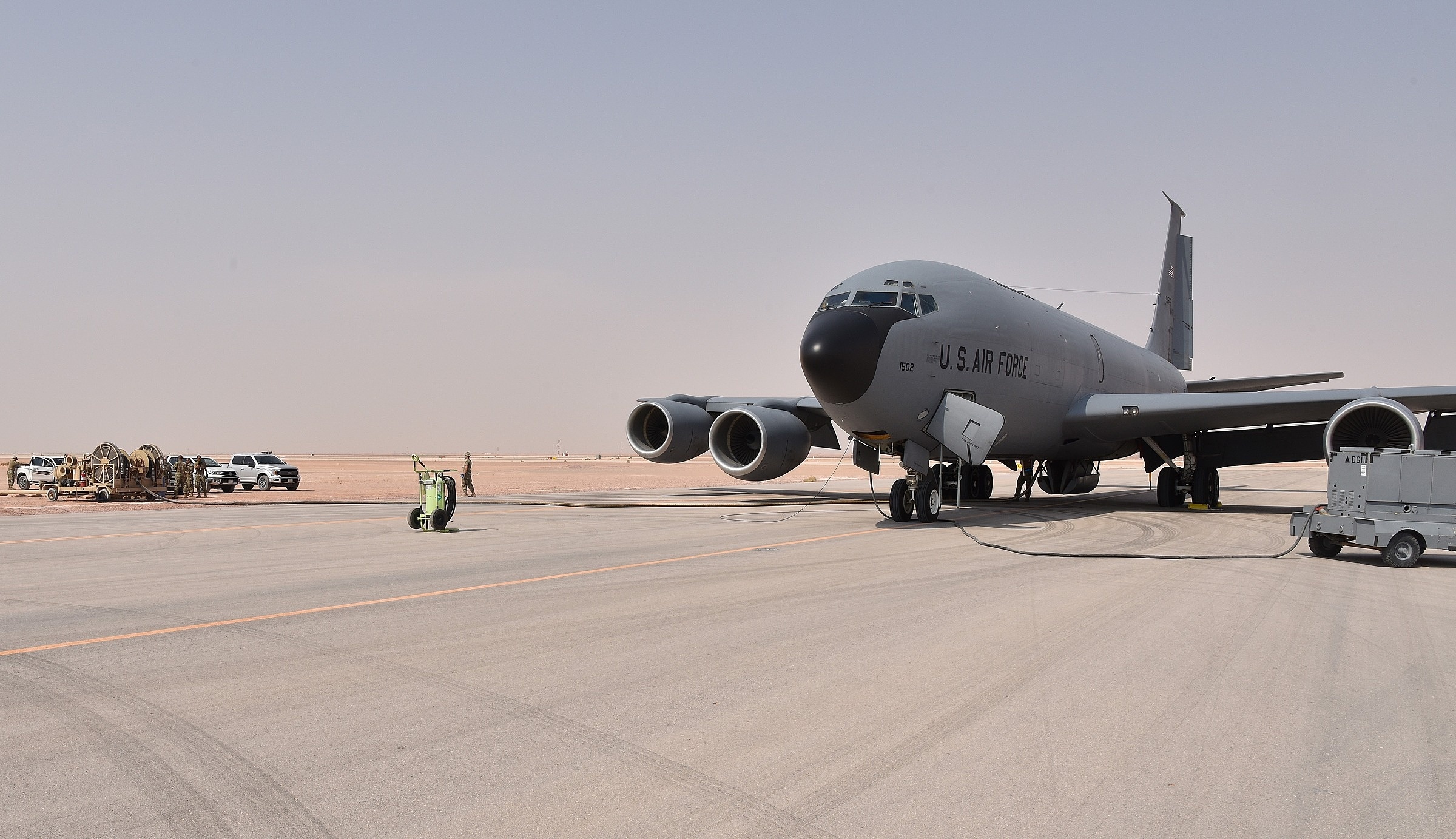 |
A US KC-135 at Prince Sultan Base, Saudi Arabia, 7/2020. *Photo: US Department of Defense*
Aerial refueling capability is crucial for long-range offensive operations, such as "Operation Horrific Fury," which the US is conducting against Iran. The US refueling aircraft fleet must maintain an almost continuous airborne presence to promptly supply fuel to forces on duty.
Damage to the refueling fleet, even if only one or two aircraft are put out of commission, risks reducing operational flexibility in mission planning.
US Central Command (CENTCOM), the agency responsible for US military operations in the Middle East, reported on 27/3 that over 300 of its soldiers have been injured since the conflict with Iran erupted in late February. Most have recovered and returned to duty, with only 30 still undergoing treatment and 10 seriously injured.
Nhu Tam (According to AP, Wall Street Journal)