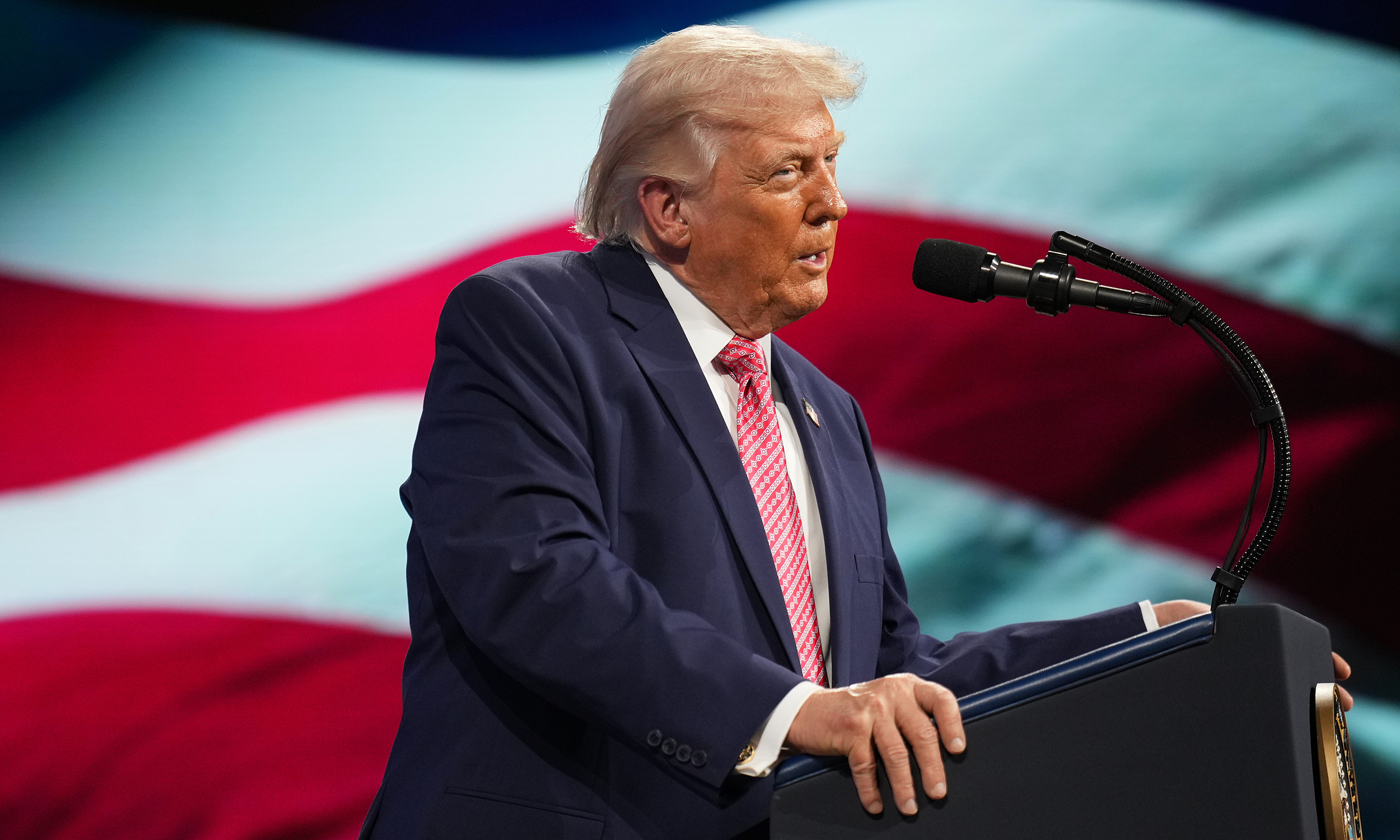
Speaking at the FII Priority investment forum in Miami, Florida, on 27/3, US President Donald Trump stated, "We are negotiating with them. It would be great if we could do something, but they have to open the strait." He added that Tehran "is on the verge of failure" and expressed confidence that Iran's leadership, military, and nuclear program had suffered significant damage.
"They have to open the Trump Strait, I mean Hormuz. Sorry, I apologize. What a terrible mistake," Trump said, prompting laughter from the audience.
The US leader anticipated media scrutiny of his remark. However, he also stressed that for him, "nothing is accidental," implying that most of his statements and actions are deliberate.

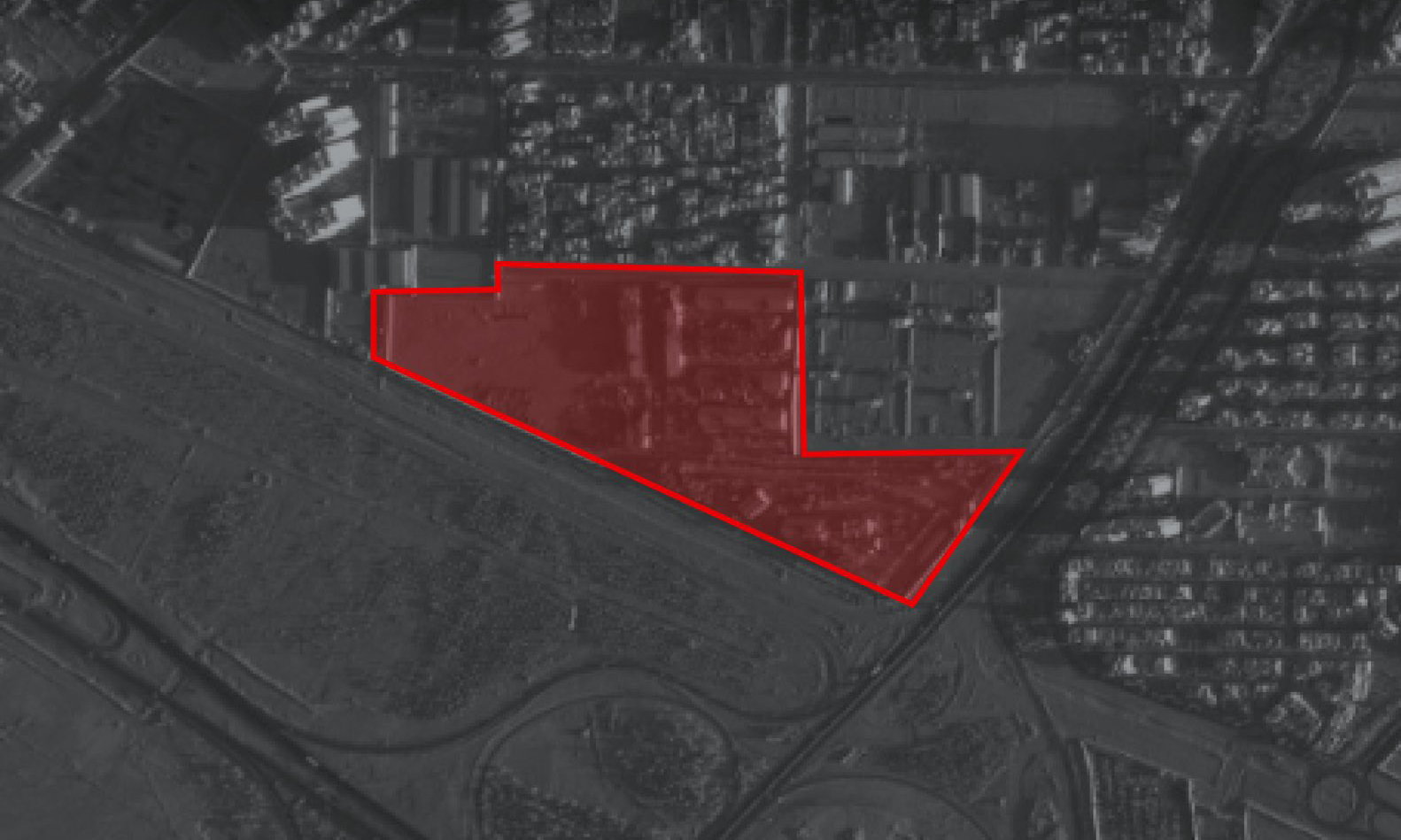
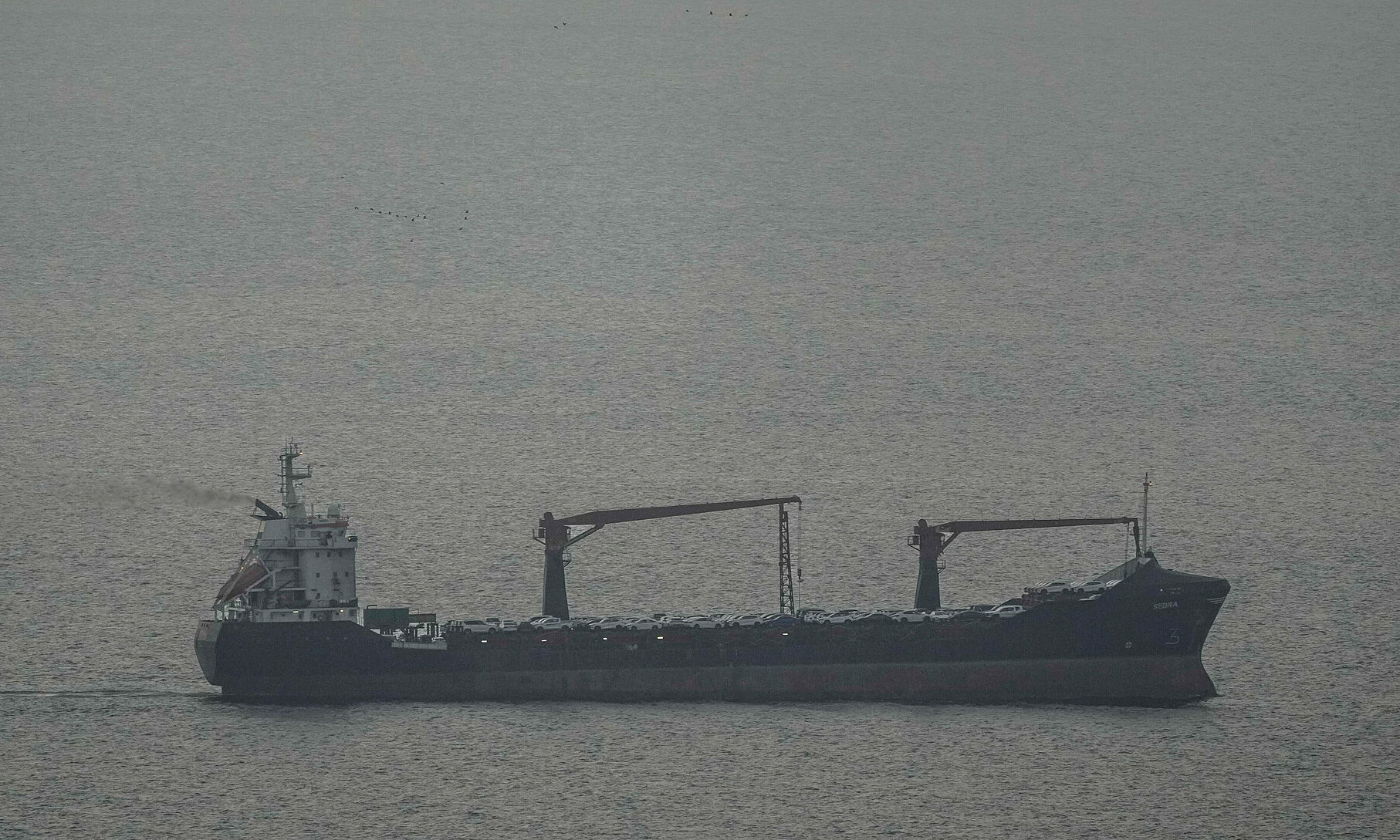
The Strait of Hormuz has become a focal point in the escalating conflict between the US - Israel and Iran, which began on 28/2. This vital maritime route, through which 20% of the world's oil supply passes, was blockaded by Iran in retaliation against its adversaries as hostilities intensified.
The fighting has continued for four weeks with no signs of de-escalation. On 27/3, G7 foreign ministers issued a joint statement after their meeting in France, urging an immediate halt to all attacks on civilians and demanding that Iran swiftly restore freedom of navigation in the Strait of Hormuz.
Iran has announced that "non-hostile ships" may traverse Hormuz if they coordinate with Tehran and adhere to published security regulations. However, vessels linked to the US and Israel, as well as other parties involved in the conflict, are not permitted free passage through the waterway.
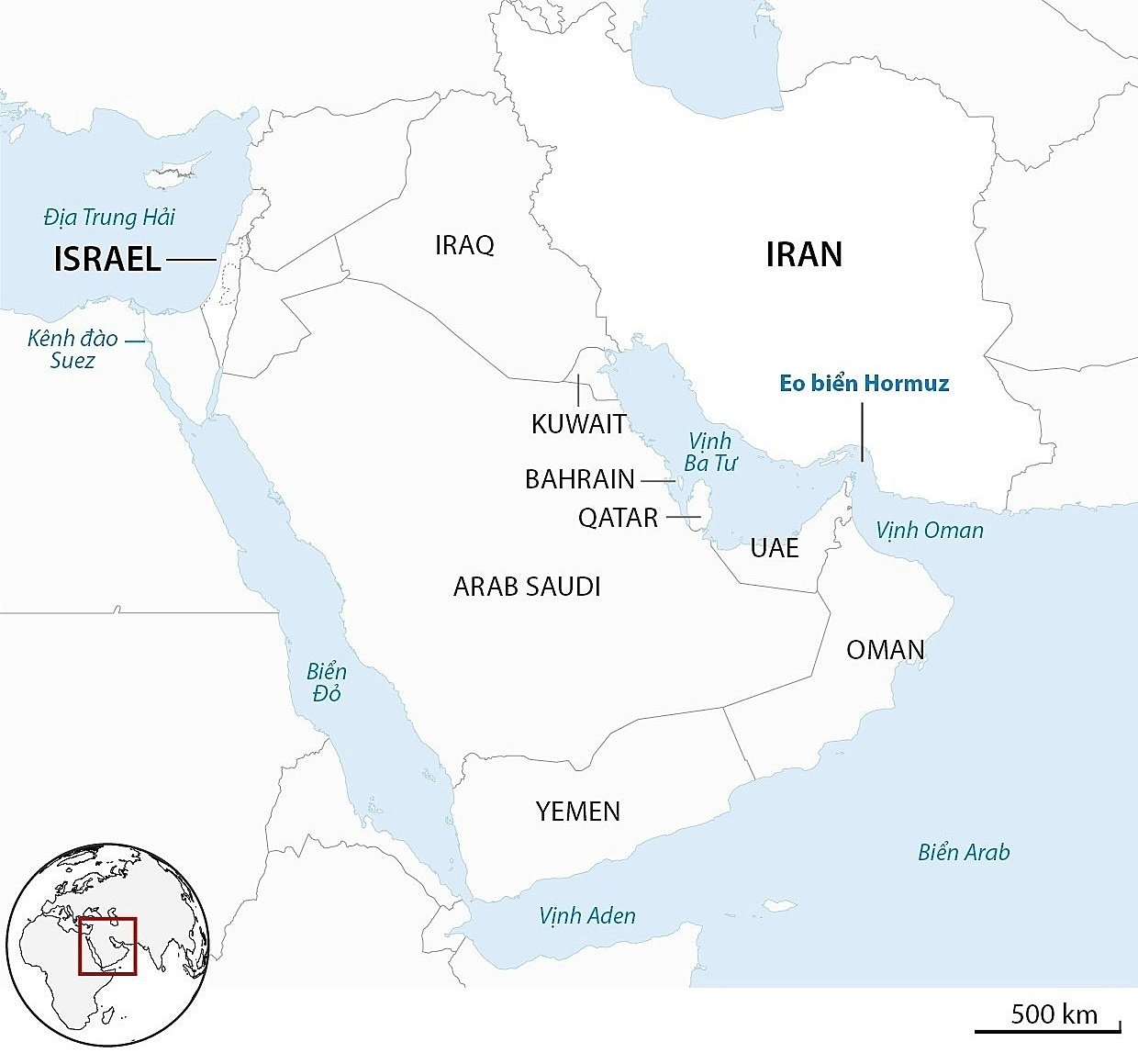 |
Location of the Strait of Hormuz. Graphics: Guardian |
President Trump recently claimed that the US "is in dialogue with the right people and they very much want to reach a deal" on the Iranian side. On 26/3, he stated that Iran had allowed 10 oil tankers through the Strait of Hormuz "as a gift" to demonstrate seriousness in negotiations aimed at ending the conflict.
However, Iran subsequently denied this information. Iranian media quoted a senior official saying that Tehran had reviewed and rejected Washington's proposals to end the conflict, deeming them "exorbitant."
Foreign Minister Marco Rubio predicted on 27/3 that the US would achieve its strategic objectives in Iran "in a few weeks," regardless of whether Washington deployed ground troops in the region. He added that Iran had "exchanged messages" with the US regarding what they were prepared to negotiate.
"When we are done, they will be even weaker," he told reporters in Paris.
Nhu Tam (According to AFP, Reuters)