Two security officials from Somalia's Puntland autonomous region reported on 27/7 that the Tanzanian-flagged chemical tanker Asana was hijacked by pirates in the Gulf of Aden on 16/7. The vessel is currently anchored near the fishing town of Jifle in northeastern Somalia.
Most of the 19 crew members on board are Indian, with the others being Syrian, Yemeni, and Egyptian. The security officials believe the pirates intend to move the ship further south, towards the Mudug region, also in Puntland, which is considered a pirate stronghold.
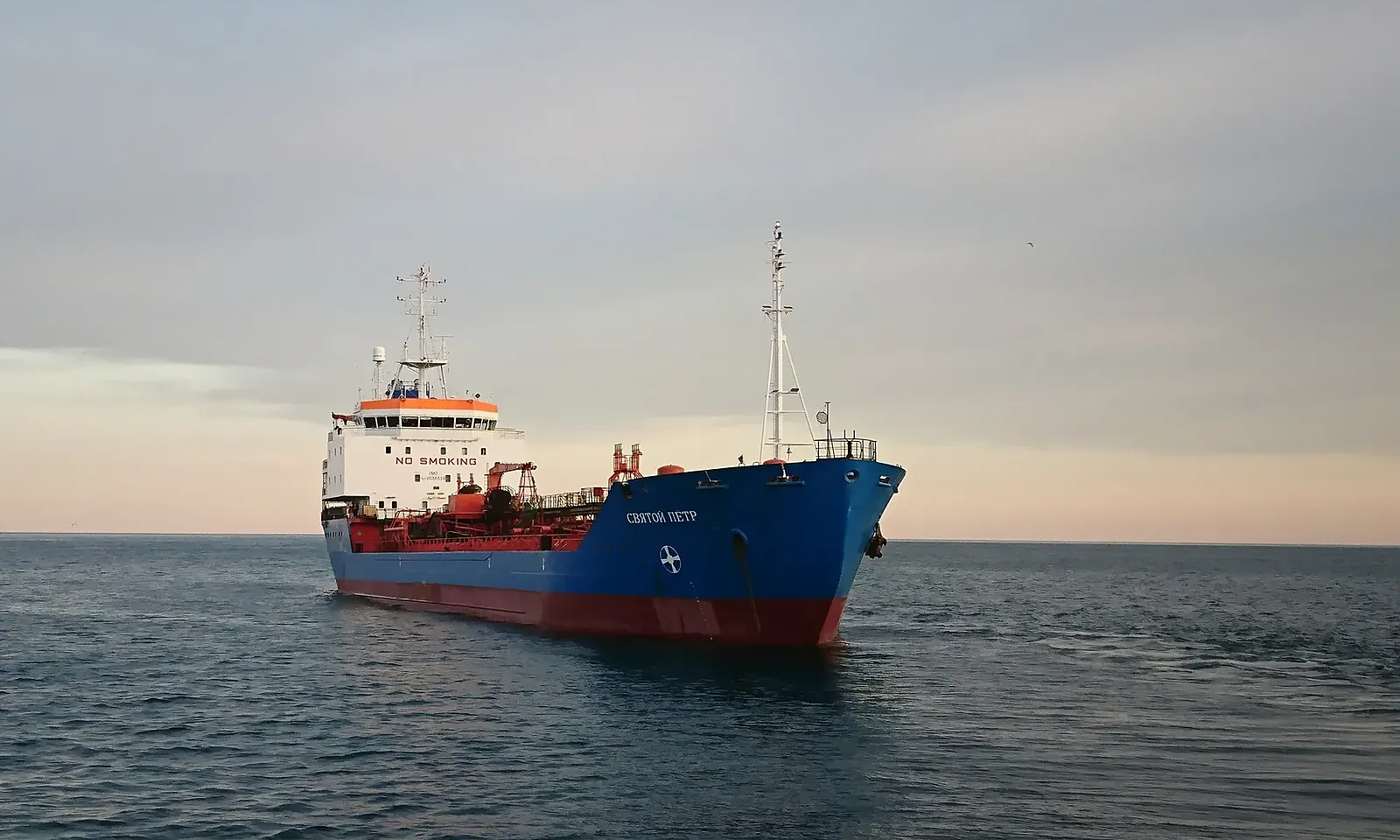 |
The Asana in a 2020 photograph. Photo: Marine Traffic |
"All seven pirates are from areas around Garacad, where they receive significant support and sympathy. That's why they are continuing to move south and are likely heading back to their stronghold", a security official stated.
This incident follows other recent hijackings in the region. The Syrian-flagged vessel Sward, seized by pirates on 26/4, is also anchored off Jifle, according to the security officials. Additionally, two oil tankers, Honour 25 and Eureka, along with their crews, were seized by Somali pirates in mid-April and May and are being held 200 km north of Jifle.
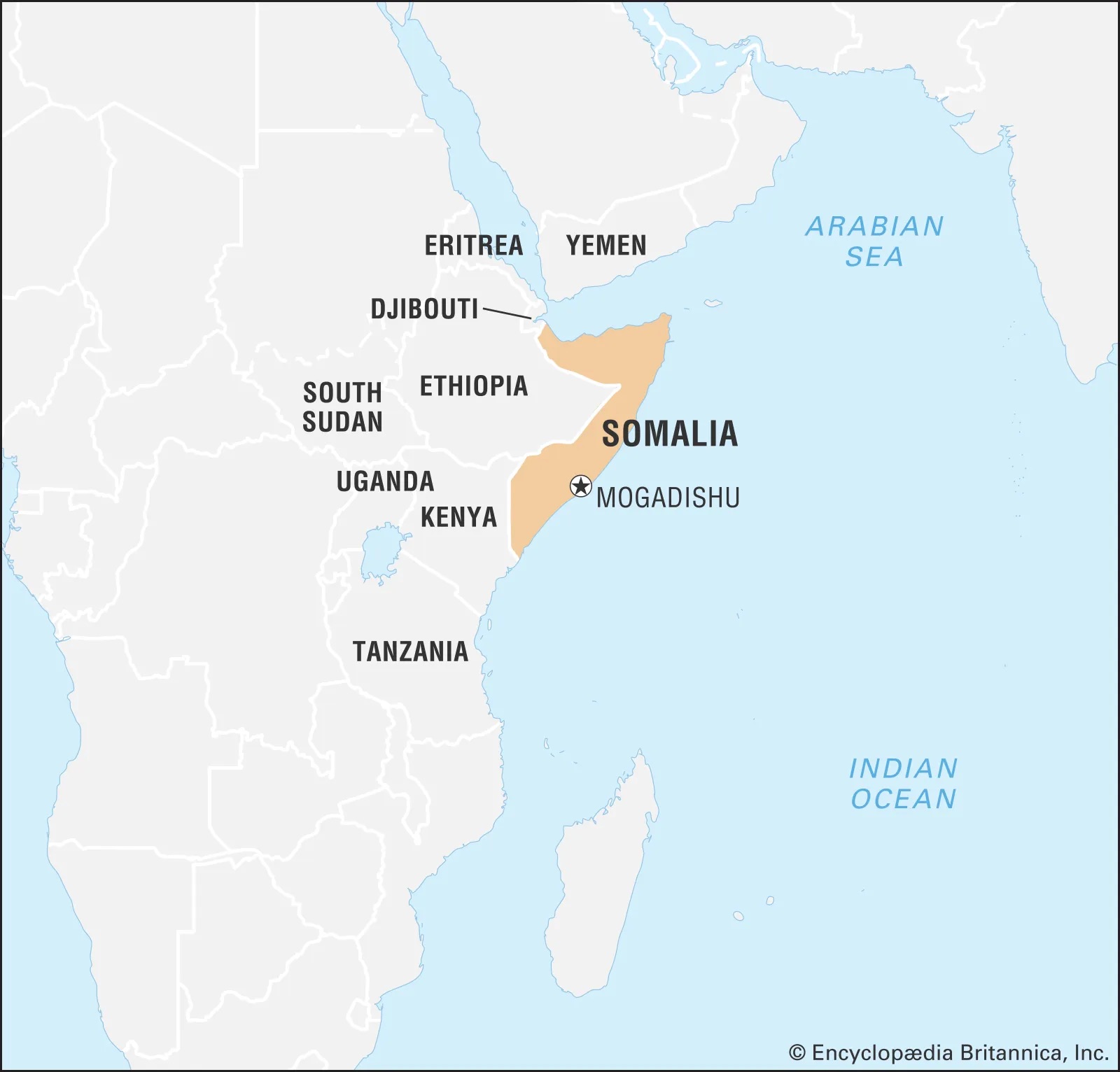 |
Location of Somalia. Graphic: Britannica |
Piracy was rampant in the waters off Somalia in the late 2000s, peaking in 2011 with 212 attacks, according to European naval forces data. Following the European Union (EU) Naval Force's Operation Atalanta, the number of attacks sharply declined to a few incidents per year since 2014.
However, the ongoing conflict in Iran is forcing international naval forces to concentrate on the Strait of Hormuz and the Red Sea. This shift in focus creates conditions for organized criminal groups in Somalia to re-emerge and carry out daring ship hijackings, explained Nik Martin, a DW analyst.
Thanh Tam (According to AFP, DW)