Last month, the US Supreme Court announced it would not intervene in the Trump administration's decision to end Temporary Protected Status (TPS) for immigrants.
US authorities grant TPS to immigrants who would face danger if repatriated due to war, natural disaster, or other exceptional circumstances in their home countries. This status prevents their immediate deportation from the US.
The US granted TPS to over 600,000 Venezuelans before the Trump administration terminated it in 2025. The second largest group of TPS recipients in the US is Haitian, with approximately 330,000-350,000 individuals. Thousands of Syrians arriving in the US since the outbreak of civil war in their country in 2011 also received this status.
Dahlia Doe (a pseudonym), who arrived in the US in 2015, is part of a group of Syrians who filed a lawsuit to prevent the US government from revoking TPS for nearly 4,000 of her compatriots.
"I feel immense stress and insecurity. But the only thing we can do is keep fighting and not give up," Dahlia Doe said.
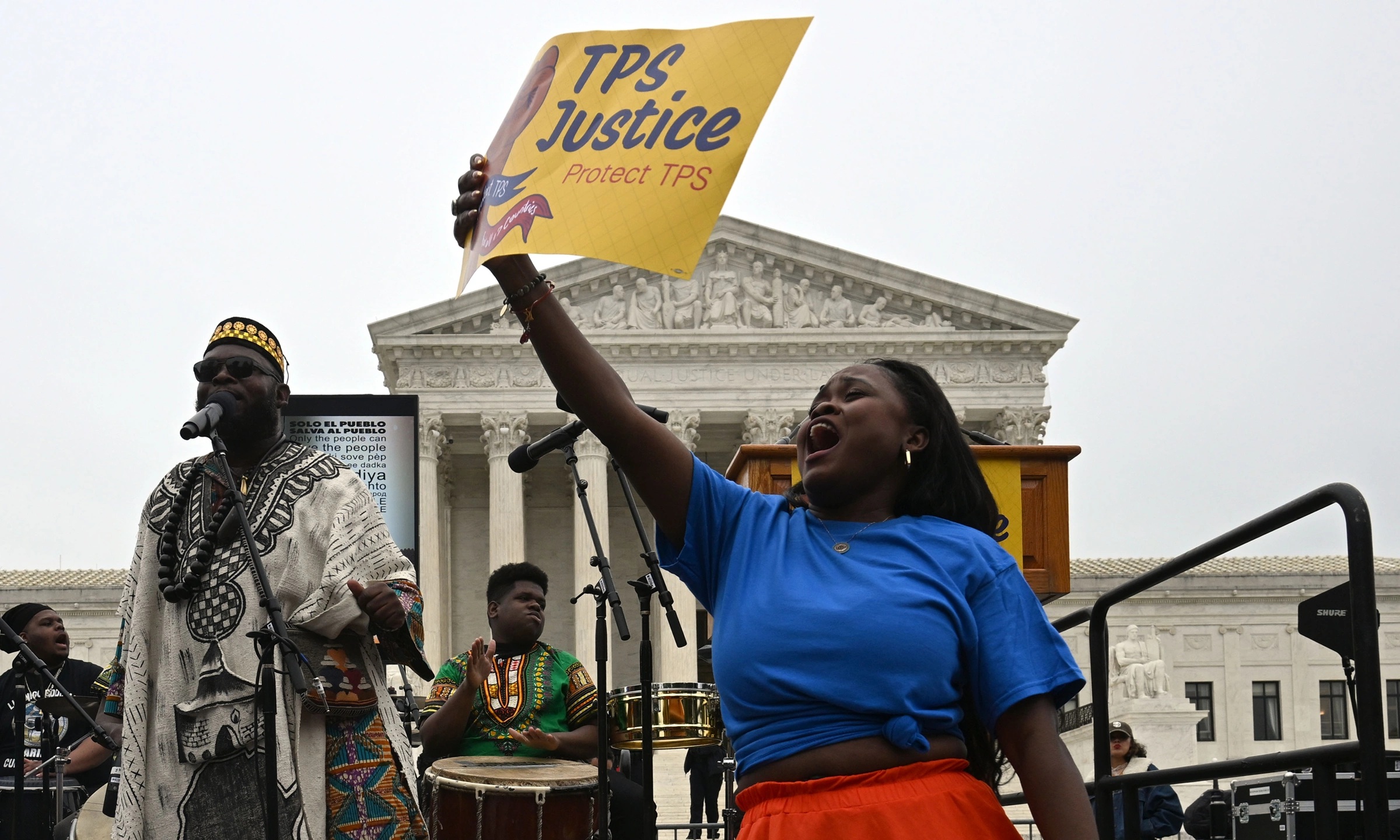 |
Protesters in Washington called for maintaining TPS for Haitians last April. Photo: Reuters
The Supreme Court's ruling leaves open the possibility for TPS beneficiaries to sue the Trump administration, citing constitutional violations. Consequently, lawyers representing Dahlia Doe and other immigrants plan to focus on this argument to maintain TPS.
Shane Kadidal, a lawyer at the Center for Constitutional Rights, stated that time is a crucial factor.
He noted that the Department of Justice is asking judges who previously ruled against the administration to swiftly revoke those orders. This would allow officials to begin deporting immigrants from Haiti, Syria, South Sudan, Ethiopia, Myanmar, Somalia, and Yemen, who are currently living legally in the US.
The Trump administration asserts that the Supreme Court's ruling fully supports its decision to cancel TPS. In a statement last month, the White House affirmed that the judges' "definitive" ruling granted the administration "full authority to terminate" these protections.
"People are seeking to keep lower court rulings that blocked TPS termination in place, to gain more time to make new arguments," Kadidal said. "The Supreme Court's decision has ignited a stronger wave of litigation."
To date, three federal courts have ruled against the administration regarding TPS. On July 24, Judge Brian Murphy in Boston stated he would continue to maintain TPS for migrants from Ethiopia while considering their new legal arguments.
The day before, Judge Patti Saris, also in Boston, decided to temporarily uphold TPS for South Sudanese individuals. Judge Matthew Kennelly in Chicago also issued a ruling prohibiting the administration from ending humanitarian protection for Myanmar citizens until at least August 7.
Lawyers representing TPS beneficiaries have urged judges to issue new rulings quickly, based on the argument that the government's actions would unconstitutionally deprive immigrants of their liberty and property.
These complaints are filed under the Due Process Clause of the 5th Amendment, which stipulates that the government cannot deprive a person of "life, liberty, or property" without adhering to processes and procedures defined by federal law.
In lawsuits concerning TPS termination, plaintiffs allege that former Secretary of Homeland Security Kristi Noem made decisions without proper basis and failed to consult relevant federal agencies before revoking protection for migrants against deportation. The administration has repeatedly denied these allegations.
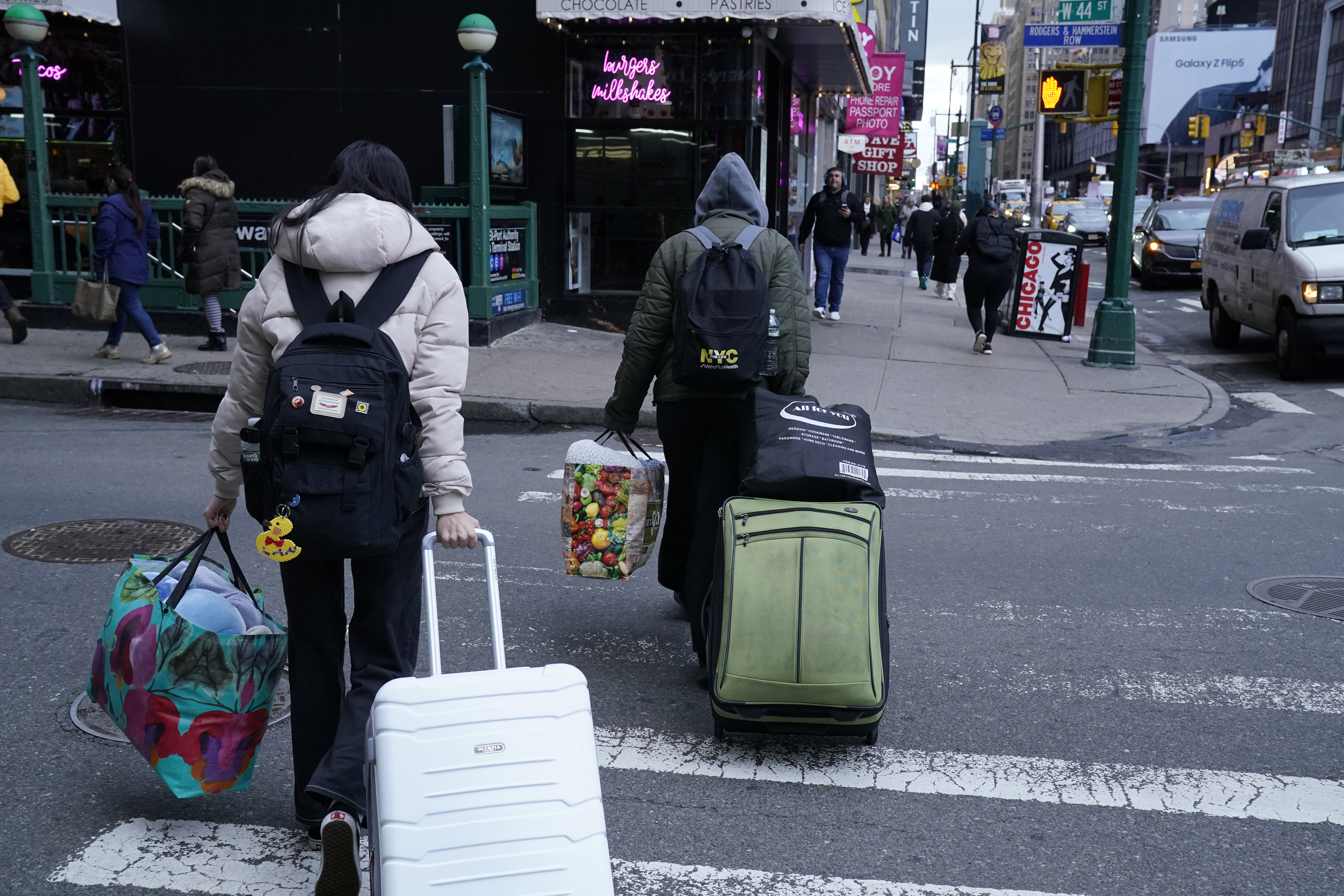 |
An immigrant family leaves a hotel in New York City on 10/1/2024. Photo: AFP
Lawyers representing Myanmar immigrants told Judge Kennelly that work permits and TPS are rights and benefits protected by the US Constitution. Therefore, the government must follow full legal procedures before revoking them.
The lawyers also asked the court to consider whether Secretary Noem exceeded her authority when canceling TPS. They argue that when the Department of Homeland Security (DHS) was established after the 11/9/2001 terrorist attacks, it took over many functions from other agencies, including immigration duties, but this did not include the authority to revoke TPS.
According to this argument, that authority still rests with the Attorney General, who was granted final decision-making power over TPS by law when the program was established in the 1990s.
The legal team representing Ethiopian immigrants also argued to the judge in Boston that "Congress explicitly stipulated that the authority to terminate TPS belongs to the Attorney General and never transferred this right to the Secretary of Homeland Security or any other official."
Currently, over 4,000 Ethiopians are legally residing in the US thanks to the TPS program.
However, the Trump administration rejects these arguments. In a lawsuit involving Yemenis, Department of Justice lawyers cited a passage from the Supreme Court's ruling, which states that "decision-making authority regarding TPS rests with the Secretary of Homeland Security."
Speaking before a judge in New York last week, Department of Justice lawyers stated that Secretary Noem acted within her authority when deciding to revoke TPS for Yemeni immigrants.
The TPS program for individuals from Yemen began in 2015, when armed conflict there made it unsafe for its citizens living in the US to return home. Nearly 1,400 Yemenis received TPS status in the US from the Department of Homeland Security.
The Department of Justice further argued that if the plaintiffs claim the Department of Homeland Security lacks authority over TPS, "that would mean Yemen was never validly included under TPS in the first place, and therefore there was no status to terminate."
Another development in the ongoing series of lawsuits is that Haitian TPS beneficiaries want to compel the US government to disclose internal documents to find evidence that the decision to revoke their status was discriminatory.
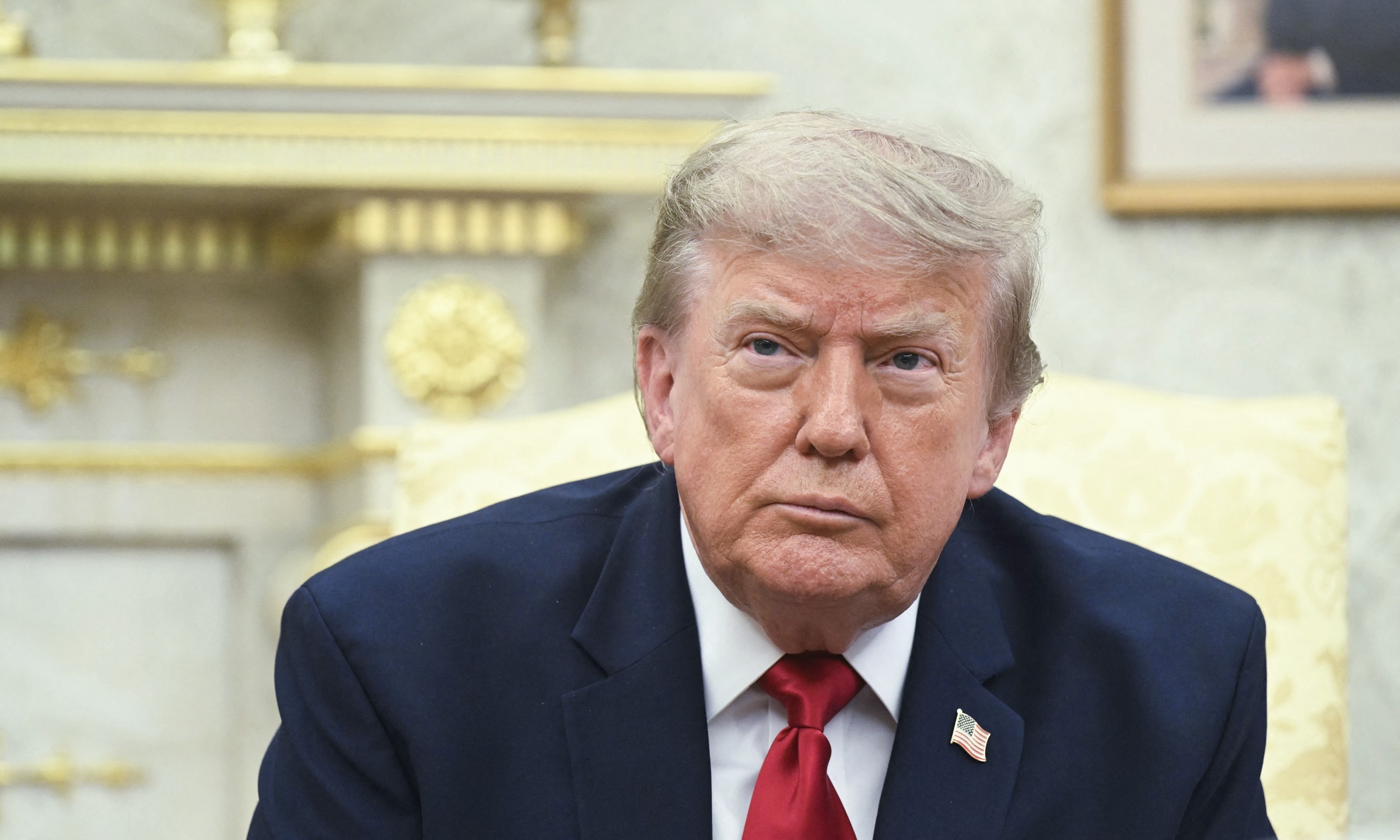 |
US President Donald Trump in the Oval Office, White House, July 14. Photo: AFP
A federal judge previously noted that President Trump's publicly derogatory statements about Haiti and its people over several years were among the reasons the administration decided to revoke TPS for Haiti. Approximately 330,000 Haitians live in the US thanks to this program.
Last month, Justice Samuel Alito and his conservative colleagues on the Supreme Court rejected the lower judge's decision, stating that such public statements by the President alone were not sufficient grounds. However, the Supreme Court did not prevent Haitians from gathering more information through the pre-trial discovery process to strengthen their case.
"Plaintiffs can add further evidence of racial animus, which could be enough to overcome the Supreme Court's previous finding," noted Aaron Reichlin-Melnick, a senior policy counsel at the American Immigration Council.
Lupe Aguirre, a lawyer representing Dahlia Doe and other Syrian TPS beneficiaries, expressed optimism that "new arguments and claims can preserve this crucial special protection for everyone."