The Houthi armed group shot down a Saudi Arabian F-15SA multirole fighter jet over Yemen's Marib province on 16/9, causing it to crash and burn. A video released by Houthi showed the F-15SA being hit by an anti-aircraft missile and catching fire. However, the footage was cut shortly after, leaving it unclear whether the crew ejected.
Saudi Arabian officials have not yet confirmed or denied the incident. Houthi has also not mentioned the two crew members, leading to many theories about their fate.
Moment a Houthi anti-aircraft missile struck a Saudi Arabian F-15 fighter jet in a video released on 16/9. Video: Al-Masirah
General Anil Chopra, a former Indian Air Force test pilot, has outlined potential scenarios regarding the fate of the F-15SA crew.
Successful Ejection
"The crew may have activated their locator beacons and established radio contact with their colleagues. The Saudi Arabian military then conducted a secret search and rescue operation, quickly extracting them from Yemeni territory," he stated.
However, this scenario is considered unlikely, as the Saudi Arabian military would have had limited time and experience to execute such a swift rescue operation.
For comparison, during a search operation for two F-15E pilots shot down in April, the US mobilized 155 aircraft, thousands of military personnel, and secret assets from the Central Intelligence Agency (CIA). This included 90 special forces soldiers and six aircraft that landed directly in Iranian territory.
This was considered one of the most complex rescue operations in US military history.
US personnel also had to destroy two MC-130J aircraft, valued at approximately 100 million USD each, along with four Little Bird helicopters before withdrawing to prevent them from falling into Iranian hands. The Iranian military also shot down an A-10 attack aircraft and an MQ-9 Reaper unmanned aerial vehicle (UAV) participating in the rescue operation.
After downing the F-15SA, Houthi claimed its air defense units also launched missiles at "two formations of F-15 and Typhoon fighter jets searching for the aircraft wreckage," forcing the opposing forces to retreat.
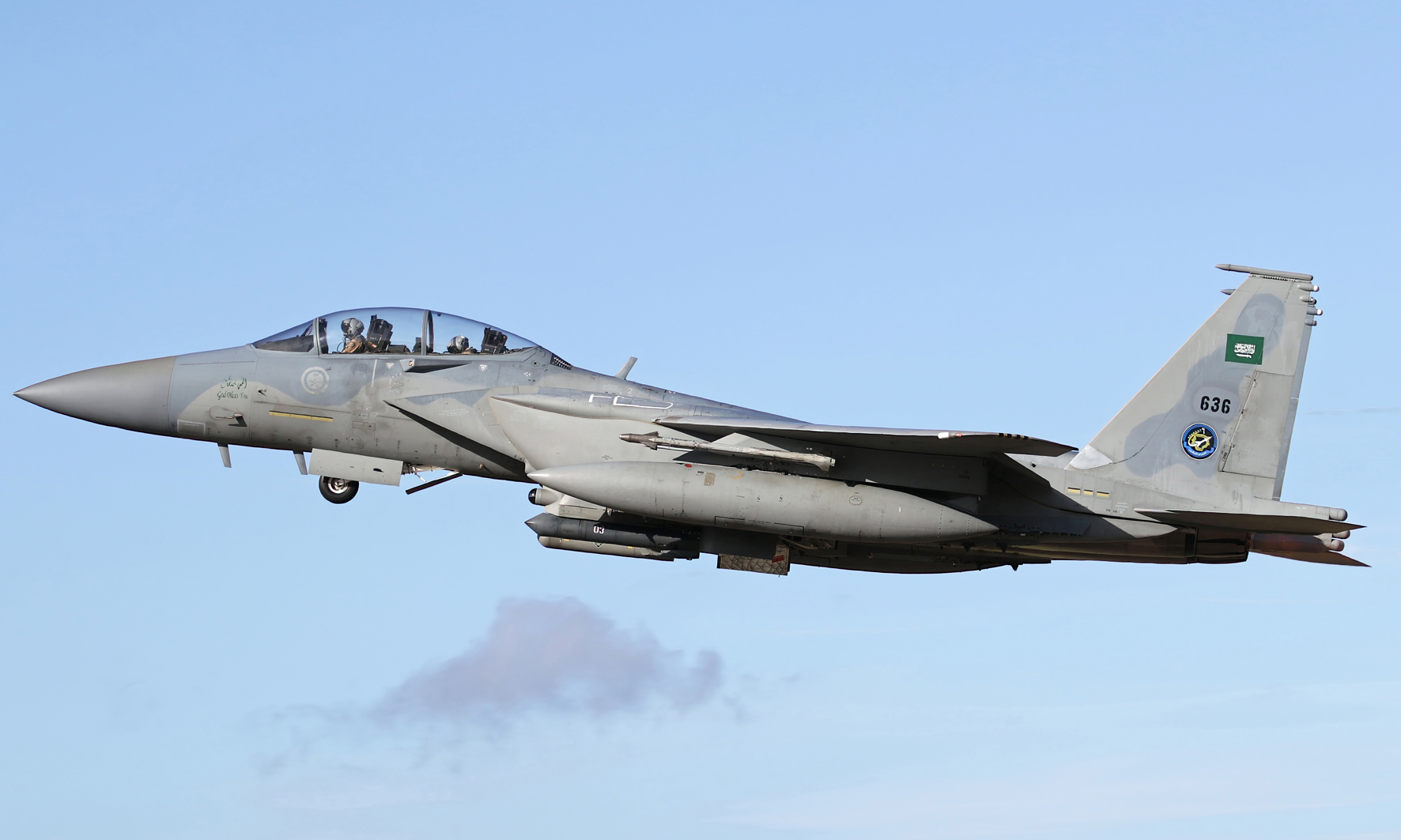 |
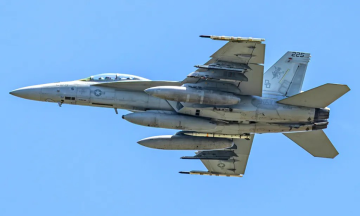
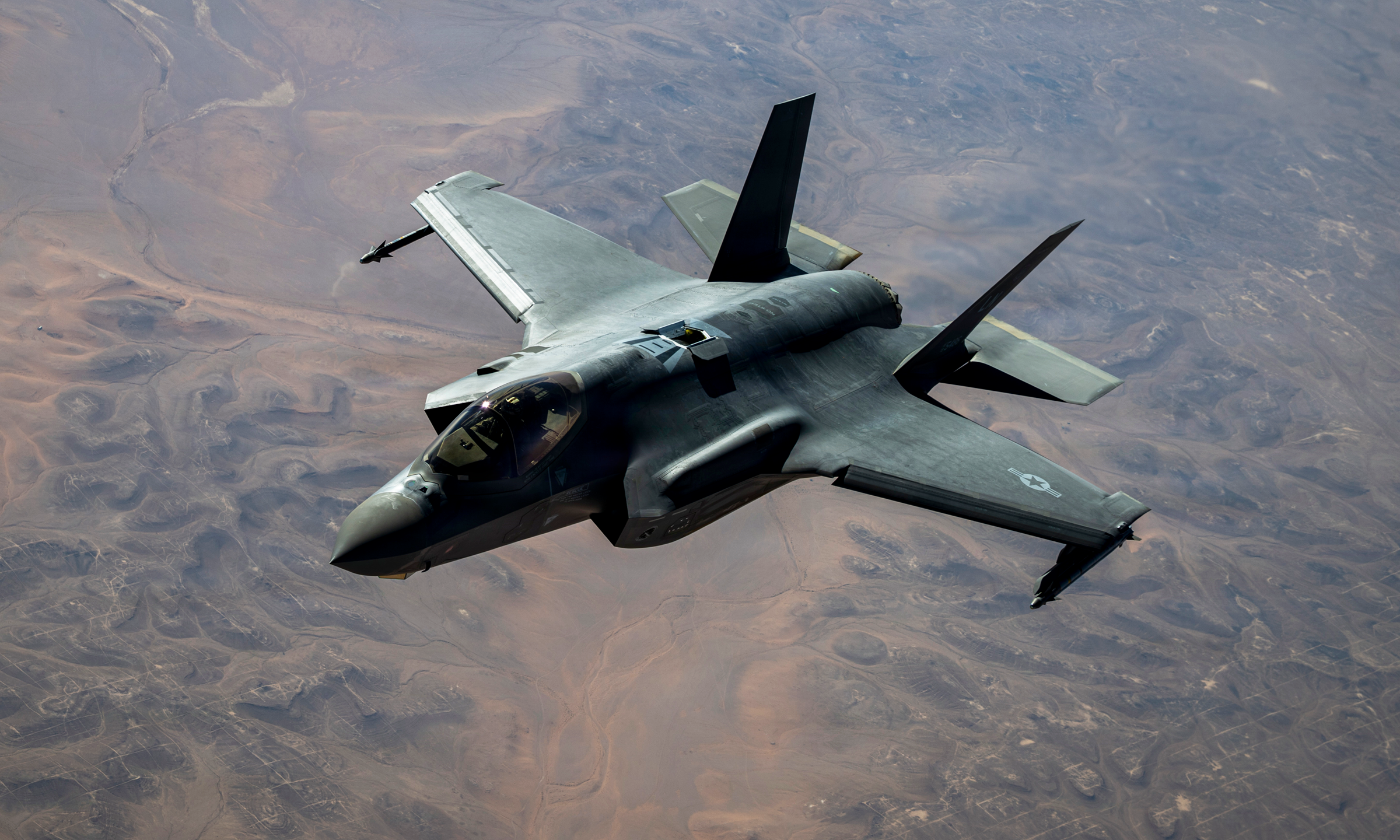
A Saudi Arabian F-15SA fighter jet flying in the UK in 2025. Photo: Airliners
Pilots still have a chance to be rescued if they reach an area controlled by pro-Saudi Arabian forces or a location with minimal Houthi presence. "This is common if the air force maintains air superiority or has prepared a rescue plan for emergencies," General Chopra stated.
The Saudi Arabian-backed Yemeni government forces still control Marib city and the central region of the eponymous province, increasing the crew's chances of rescue. However, it is difficult to explain why Saudi Arabia has not released information if this indeed occurred.
"It is also possible that the two pilots moved to a safe area and are hiding, awaiting rescue. Both Houthi forces and the Saudi Arabian-led coalition are searching for the crew, which could explain the silence surrounding their fate," he suggested.
Pilots Ejected Successfully, But Captured Upon Landing
The crew might have been discovered by Houthi fighters before Saudi Arabian and allied forces could reach them.
Theoretically, the rugged terrain in Marib province makes pilots more vulnerable to capture, as they would face difficulties moving and navigating, while Houthi forces are familiar with the local geography. Despite this, the Yemeni armed group has remained silent, and no images showing the crew's capture have emerged.
"Capturing such a high-value target would offer significant propaganda value for armed groups like Houthi, motivating them to release information immediately upon reaching the pilots. This implies that the theory of their capture is unsubstantiated, unless Houthi is secretly negotiating with Saudi Arabia," General Chopra commented.
One or Both Crew Members Died
"The possibility that the crew died and could not eject due to missile shrapnel must be considered," the former Indian pilot stated.
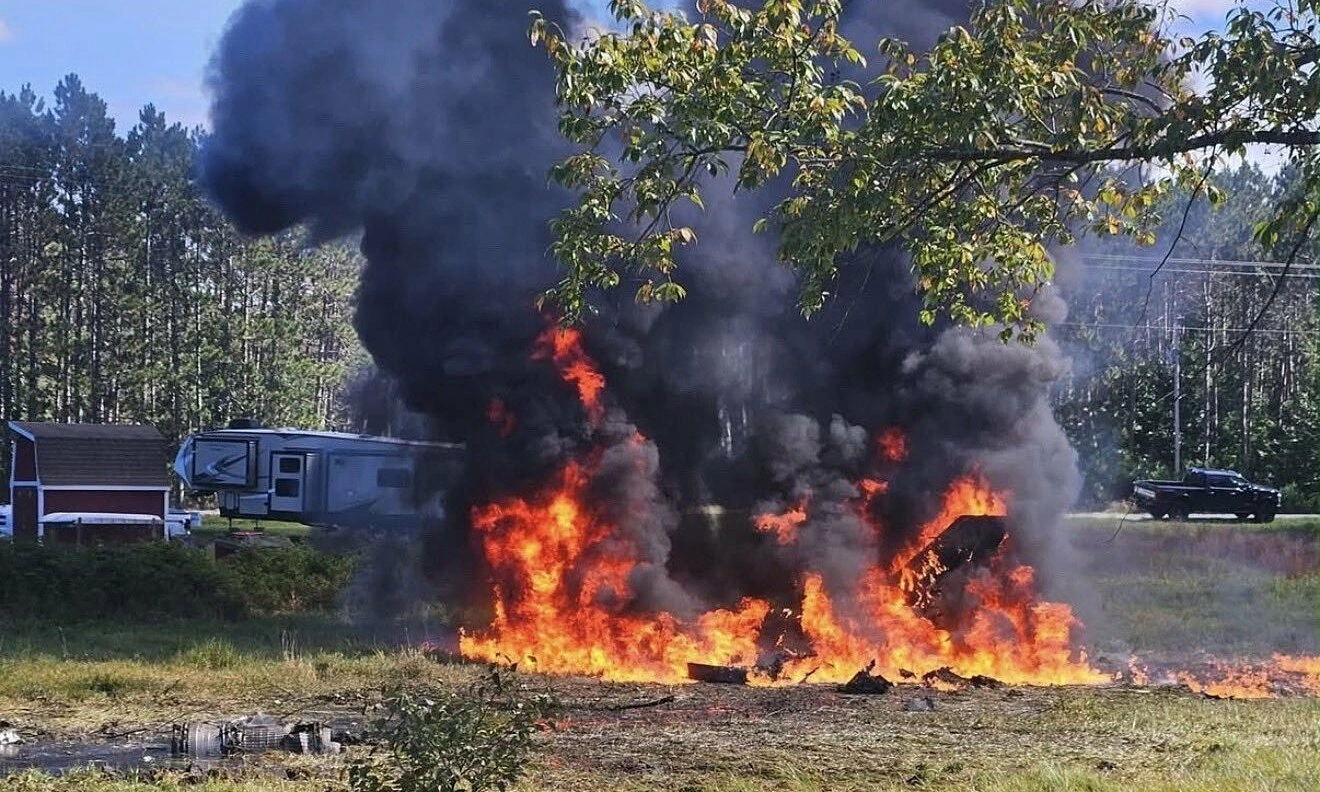
In this scenario, both pilots would have remained in the aircraft until it crashed. However, there is no evidence to support this theory, as images from the scene show the F-15SA fighter jet almost completely disintegrated, making it unclear whether any individuals or ejection seats are among the wreckage.
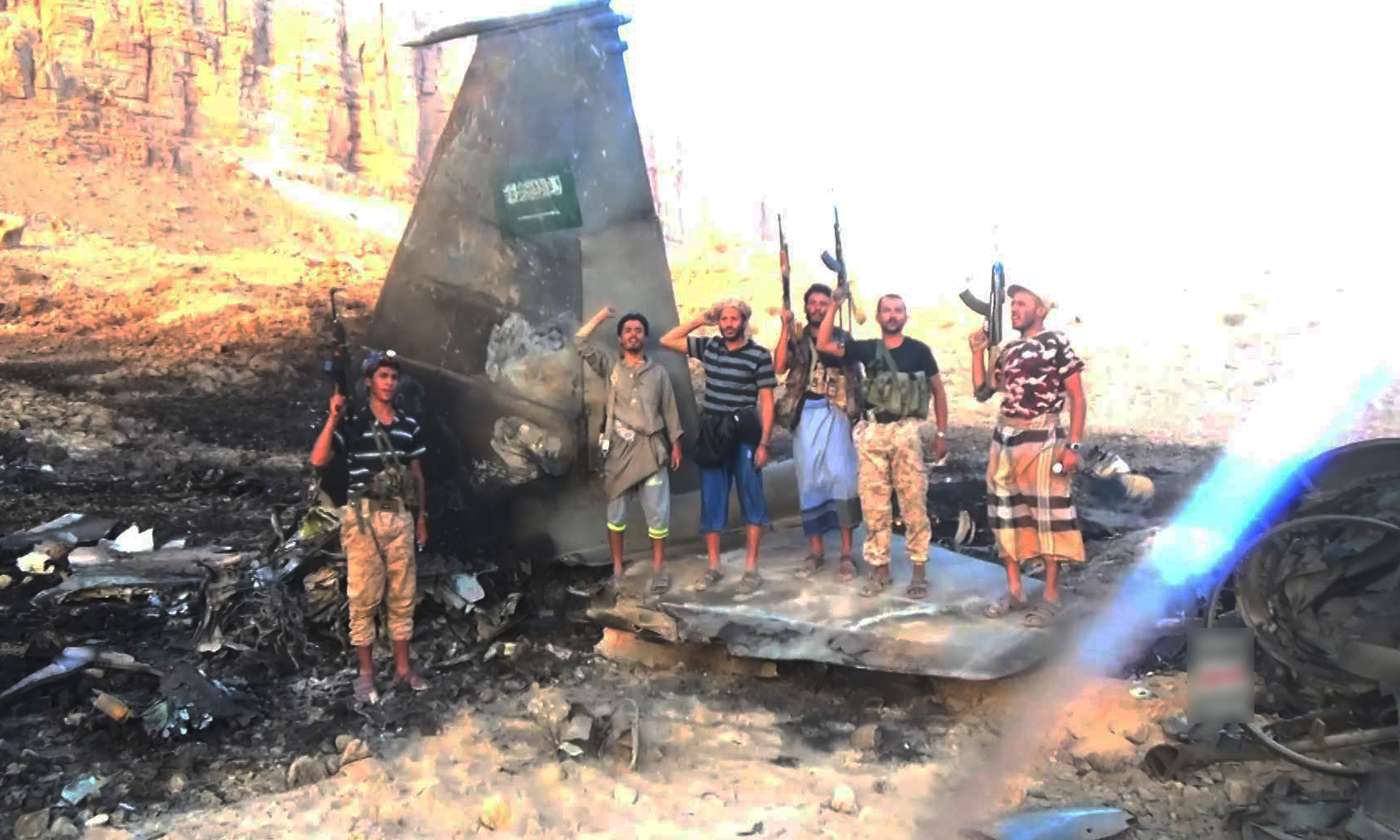 |
Fighters standing next to the tailfin of a Saudi Arabian fighter jet in a photo released on 16/9. Photo: Houthi
The missile's impact could also have injured the pilots or damaged their parachutes, preventing a safe landing. A US F-15E weapon systems officer recounted on 13/9 that his parachute was damaged by an Iranian missile, resulting in a freefall and severe injuries.
"Even if unharmed by the missile and able to eject, the crew's lives would still depend on factors such as altitude, aircraft speed, fuselage damage, and ejection posture. They would still face a risk of severe injury or even death upon ejecting from the aircraft," the Indian general pilot warned.
Pham Giang (According to Eurasian Times, AFP, War Zone)