When US Secretary of State Marco Rubio stepped up to the podium in the White House press briefing room on May 5, he appeared enthusiastic about his role as the administration's spokesperson for the day.
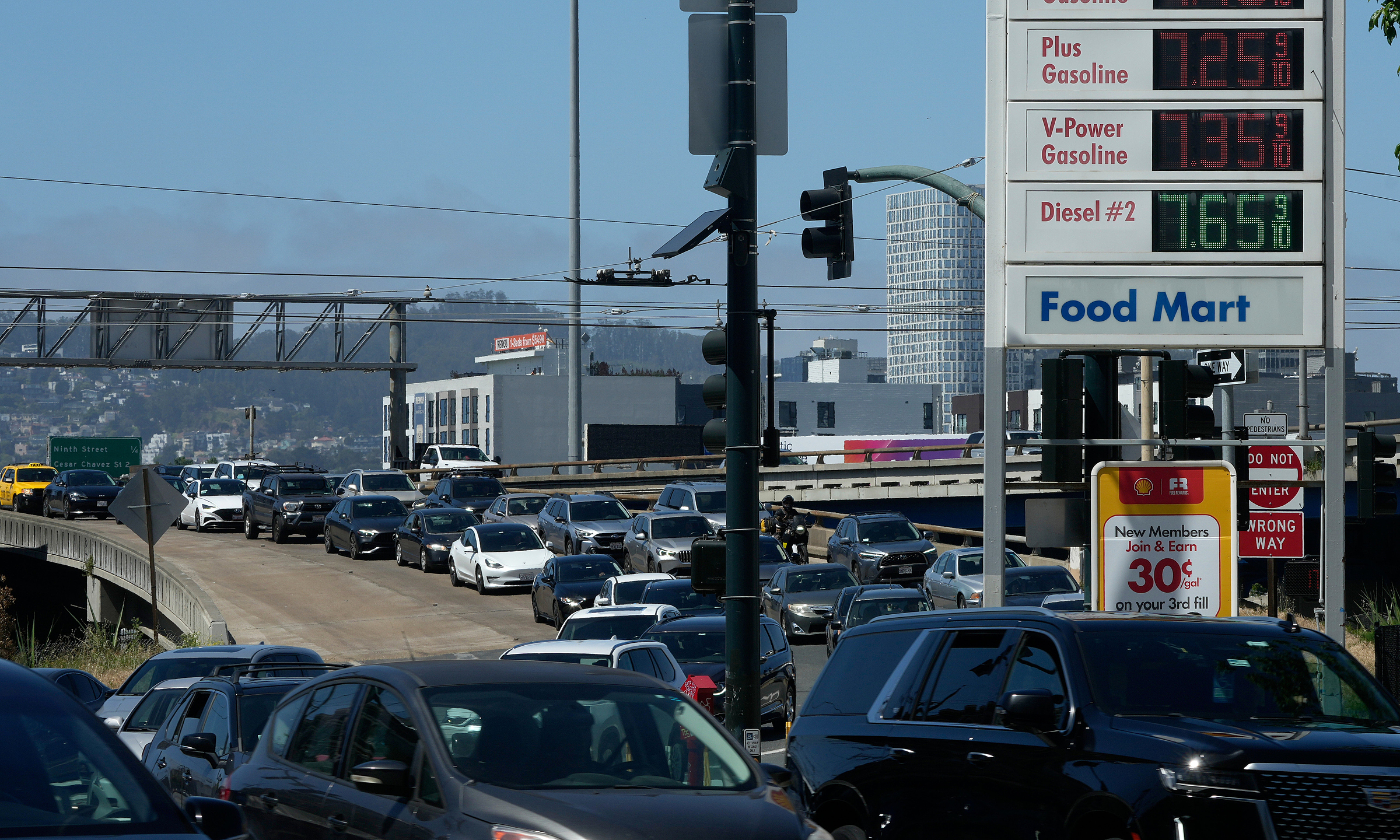
He smiled, joked with reporters, and addressed them based on the color of their shirts. He answered numerous questions on topics ranging from rising gasoline prices to plans for an audience with the Pope.
Regarding the conflict in Iran, known as Operation Horrifying Fury, Rubio declared, "the operation has concluded. As the President informed Congress, we have completed that phase. Now we are moving on to Project Freedom." This initiative aims to escort commercial vessels through the Strait of Hormuz after months of being stranded due to the Iran conflict.
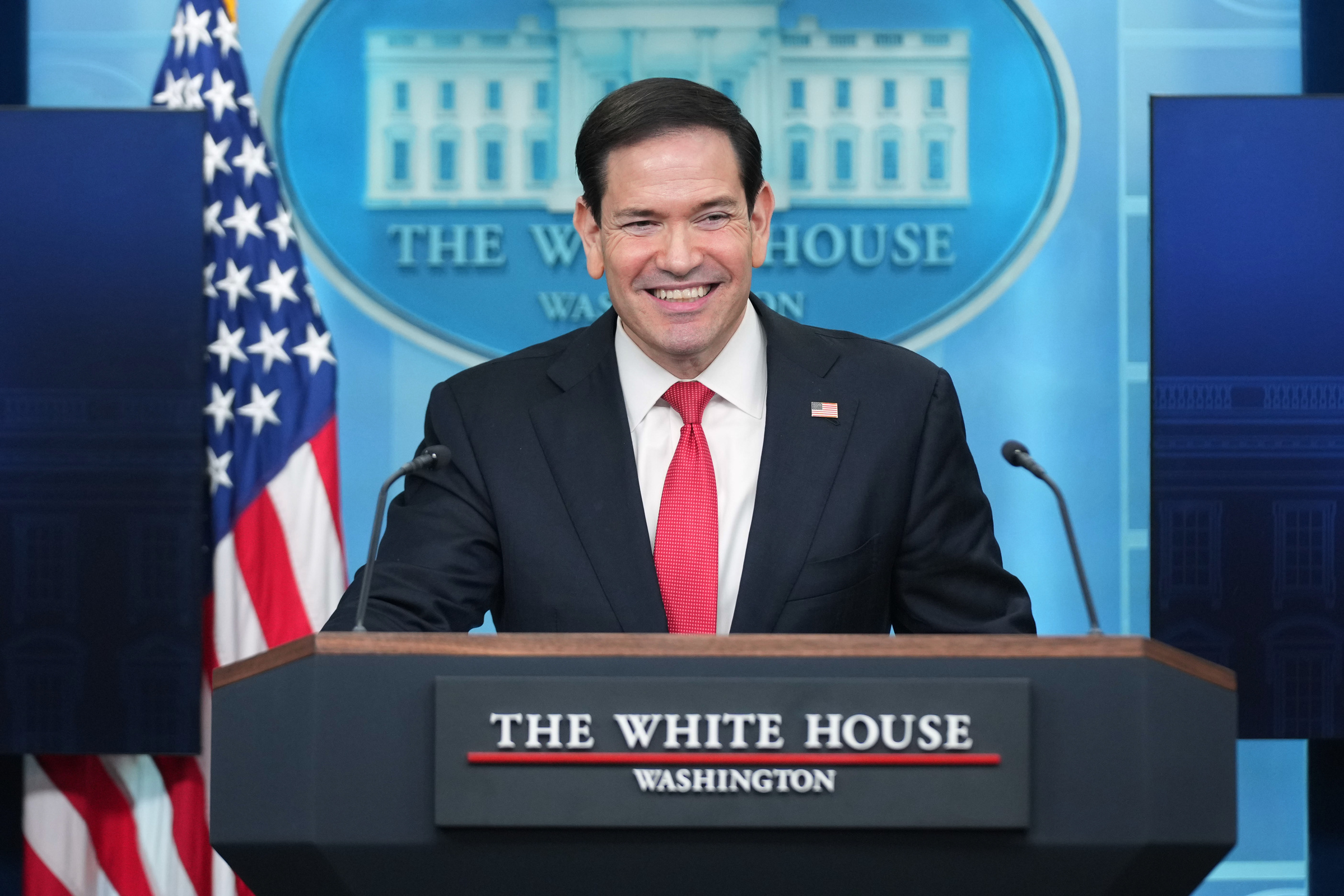 |
US Secretary of State Marco Rubio holds a press conference at the White House in Washington on May 5. Photo: AP
However, the situation quickly changed. Just three hours later, US President Donald Trump announced a temporary halt to Project Freedom, which he had just unveiled on May 3. Then, on the morning of May 6, Trump suggested in a social media post that the conflict was, in fact, not over.
"If Iran agrees to what has been agreed upon, Operation Horrifying Fury will end, and the Strait of Hormuz will be open to all, including Iran. Otherwise, the bombing campaign will begin, and sadly, it will be on a much larger scale and intensity than before," he wrote.
This was the administration's latest U-turn in a series of confusing messages regarding America's stance and objectives in the conflict. Trump's constantly shifting comments have rattled markets, tested the patience of Republican lawmakers, and bewildered allies as they try to cope with the fallout from the conflict.
Trump's unpredictability is often seen as a way to disorient opponents. However, in this instance, the one left confused was the US Secretary of State, who also serves as the President's National Security Advisor, according to Erica L. Green, a New York Times commentator.
Anna Kelly, a White House spokesperson, stated that Trump's shift reflected the rapidly evolving situation on the ground and his desire to keep all options open to ensure that "Iran's nuclear ambitions are permanently eliminated."
Since the conflict erupted in late February, Trump's position has changed with nearly every statement. He has described the conflict as a "war," a "journey," and most recently, a "minor clash."
He once declared that the US had "won" the conflict, then threatened to wipe out Iran's civilization if its government did not meet additional demands. He claimed Iran had no leaders, but then said he was in communication with some "desperate" individuals seeking a deal. He threatened to continue bombing, but then extended a ceasefire at the last minute.
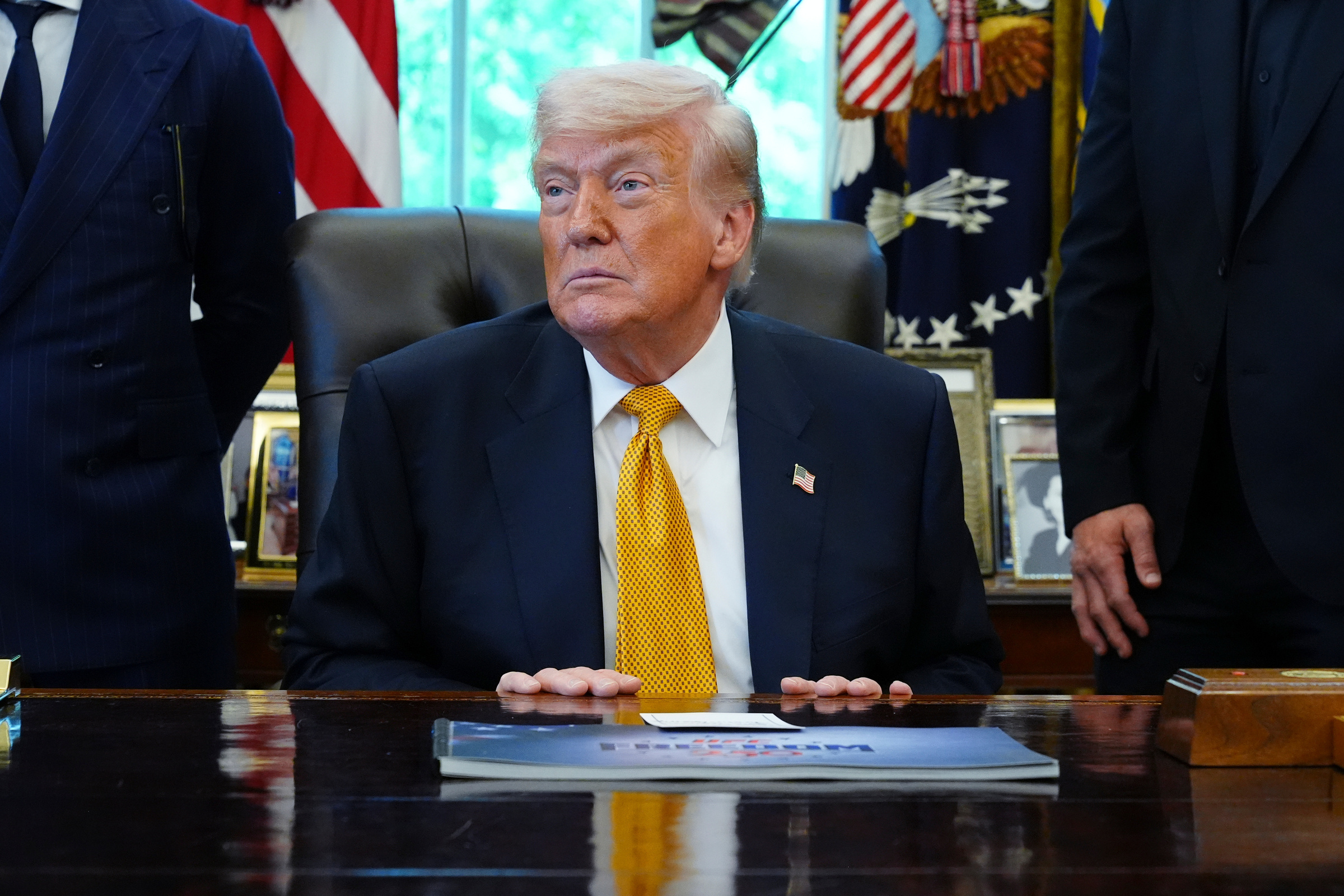 |
US President Donald Trump at the White House on May 6. Photo: AP
Rubio on May 5 also sought to reinforce the idea that the President would not back down in the conflict, sometimes with humor. Rubio encouraged Iranian leaders to "check yo self before you wreck yo self," quoting Ice Cube's 1992 song.
However, he affirmed that the US "does not want another tense situation. We prefer the path of peace."
Tommy Pigott, a spokesperson for the Department of State, said Rubio's press conference reflected the administration's transparency.
"Part of ensuring the American people are fully informed is to update the situation as it changes in real time," Pigott said. "President Trump's objective has been clear from the beginning, and the world is safer thanks to the decisive outcomes of Operation Horrifying Fury."
By the afternoon of May 6, Trump appeared optimistic again, telling reporters in the Oval Office that the US had held "very good negotiations" with Iran over the past 24 hours. He said tensions earlier in the week related to Iran firing at vessels in the strait had eased.
"A few days ago was a very long time in the world of war," he said.
By Thanh Tam (Based on reports from The New York Times and AFP)