


"We have absolutely no fuel oil and diesel left, and no reserves," Cuban Energy Minister Vicente de la O Levy stated on 13/5, describing the national power grid as "critical." Cuba's thermal power plants operate on fuel oil and diesel.
Minister O Levy noted that since 12/2025, Cuba had endured nearly four months without fuel deliveries. "No fuel ships docked until an aid shipment of approximately 100,000 tons of Russian crude oil arrived," he explained.
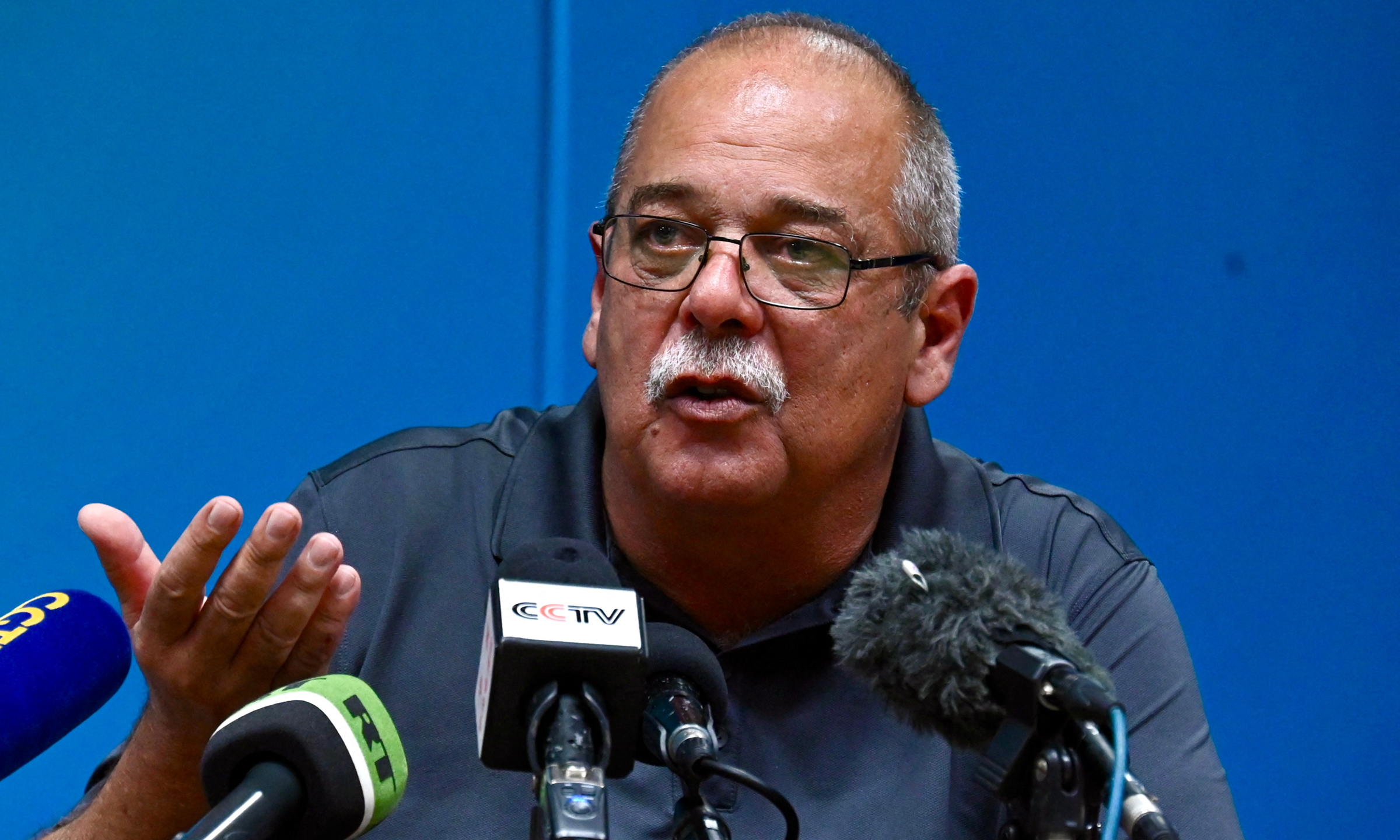 |
Cuban Energy Minister Vicente de la O Levy speaking in Havana in 2024. Photo: AFP
Granma, the official newspaper of the Central Committee of the Communist Party of Cuba, reported that the shipment offered some relief for a few weeks. The crude oil was processed at the Cienfuegos refinery, yielding products for electricity generation. However, this oil supply only lasted for part of April and a few days in May. With these reserves depleted, Cuba is again confronting a dire situation, further worsened by rising temperatures and increased electricity demand as summer approaches.
Cuban officials noted that power outages have increased across Havana over the past two weeks, leaving many residential areas without electricity for nearly entire days.
Cuba's national power grid currently relies entirely on domestic crude oil, natural gas, and renewable energy. Minister O Levy reported that Cuba installed 1,300 MW of solar power over the past two years. However, much of this capacity is lost due to grid instability and fuel shortages, which reduce both efficiency and output.
Cuba continues negotiations to import fuel despite an energy blockade. However, rising oil prices and shipping costs, exacerbated by the Middle East conflict, complicate these efforts. "Cuba welcomes anyone who wants to sell fuel," O Levy stated.
Venezuela and Mexico, once Cuba's top two oil suppliers, have ceased fuel deliveries to the island nation since US President Donald Trump, in January, threatened tariffs on any country engaging in such trade.
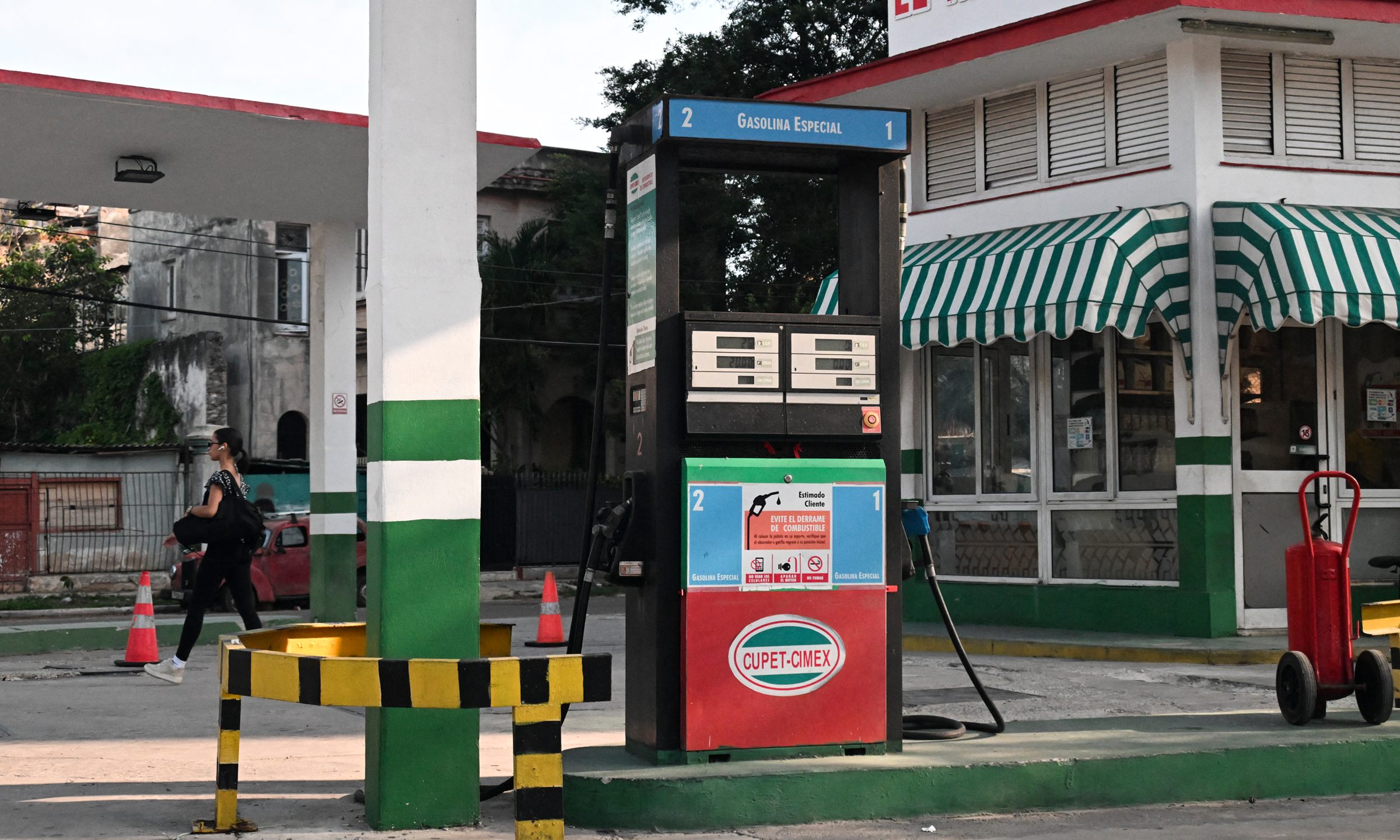 |
A gas station in Cuba's capital Havana on 13/5. Photo: AFP
The White House stated in April that the US Coast Guard did not intercept Russian oil tankers bound for Cuba for humanitarian purposes, emphasizing that such decisions are made on a case-by-case basis. The Kremlin confirmed it had discussed the oil shipments to Cuba with the US beforehand.
Last week, the United Nations described the US fuel blockade on Cuba as "illegal," asserting that it hinders "the right to development of the Cuban people and undermines rights to food, education, health, water, and sanitation."
Pham Giang (According to Granma, Reuters)


