President Donald Trump on 23/4 hosted Israeli Ambassador to the US Yechiel Leiter and Lebanese Ambassador to the US Nada Moawad at the White House for a second round of Washington-mediated talks. Vice President JD Vance, Secretary of State Marco Rubio, US Ambassador to Israel Mike Huckabee, and US Ambassador to Lebanon Michel Issa also attended the meeting.
"The meeting went very well! The US will work with Lebanon to help it defend itself from Hezbollah. The ceasefire between Israel and Lebanon will be extended by three weeks", Trump posted on Truth Social during the negotiations.
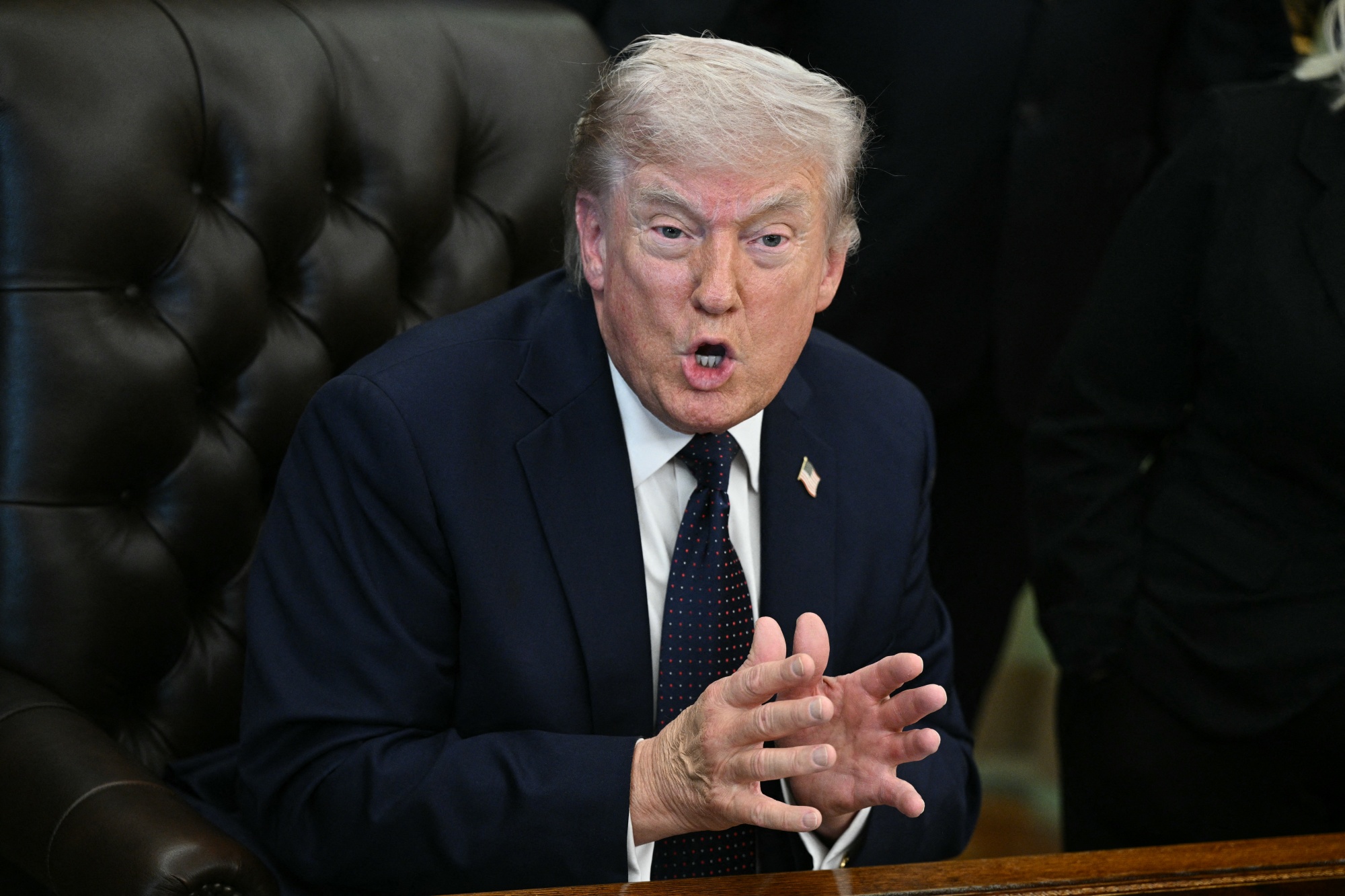 |
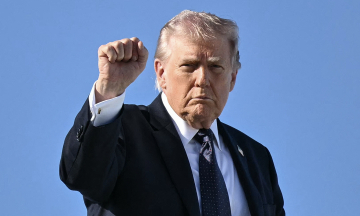
President Donald Trump at the White House on 23/4. Photo: AFP
The US President added that he looks forward to hosting Israeli Prime Minister Benjamin Netanyahu and Lebanese President Joseph Aoun soon, expressing hope for a lasting peace agreement this year. "I think the chances for peace are very great. This will be a relatively easy case," Trump told reporters.
The governments of Israel and Lebanon have not yet commented on the decision to extend the ceasefire.
The ceasefire agreement, reached last week after talks between the ambassadors of both countries to the US and set to expire on 26/4, significantly reduced violence. However, attacks have persisted in southern Lebanon, where the Israeli military controls a self-established buffer zone.
The Iran-backed armed group Hezbollah stated it "has the right to resist the occupying forces".
Lebanon on 22/4 recorded its deadliest day since the ceasefire took effect on 16/4. Lebanese journalist Amal Khalil was among 5 people killed in Israeli attacks. Hezbollah announced it carried out four attacks from southern Lebanon in retaliation against Israel.
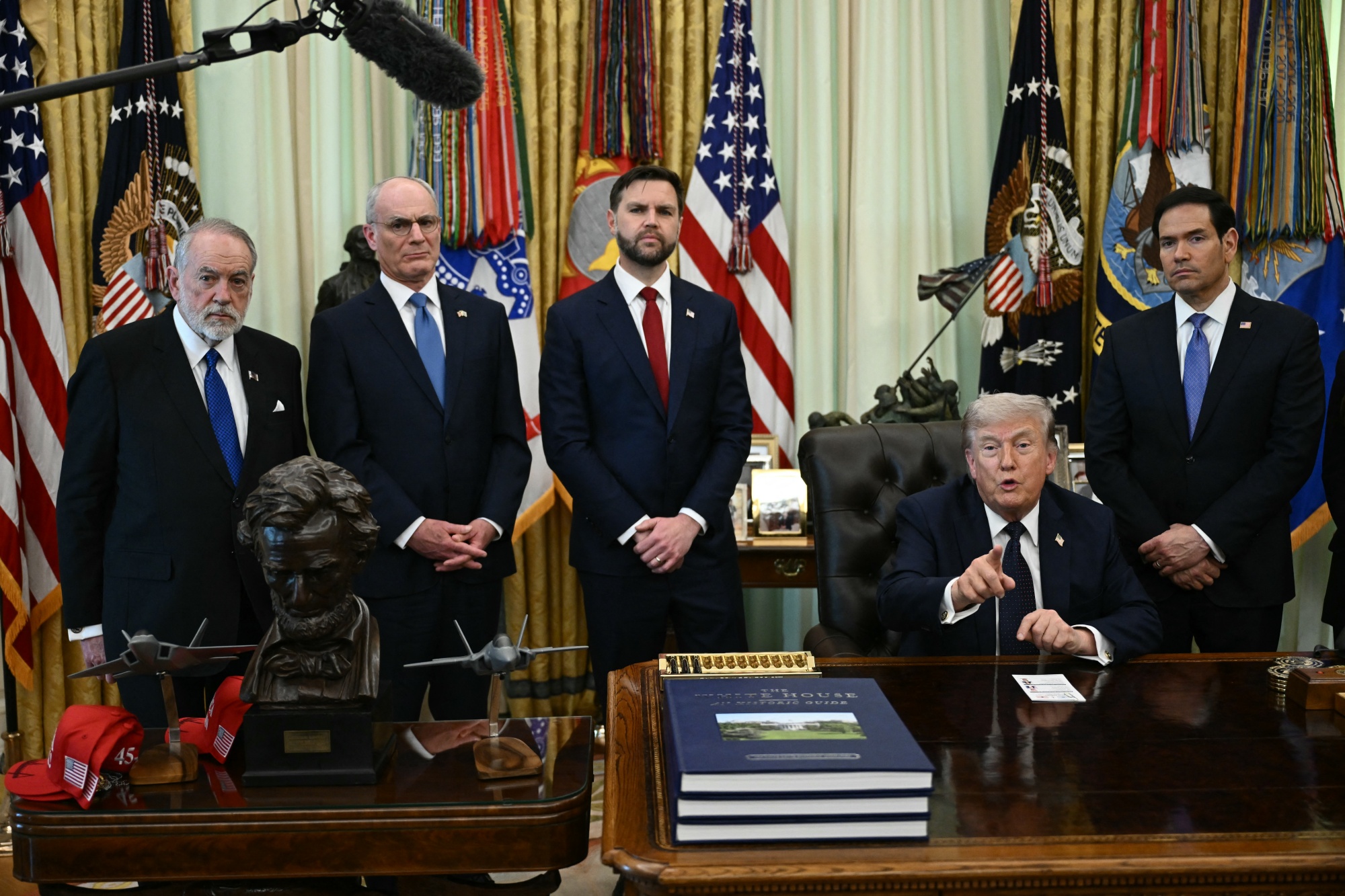 |
From left to right: Ambassador Huckabee, Ambassador Leiter, Vice President Vance, President Trump, and Secretary of State Rubio during the White House meeting on 23/4. Photo: AFP
Hezbollah MP Hassan Fadlallah indicated the group desires an extension of the ceasefire, but "on the basis of full Israeli compliance". In a televised press conference, he reiterated Hezbollah's opposition to direct negotiations and urged the Lebanese government to cancel all forms of direct contact with Israel.
Hostilities in Lebanon reignited in early March after the armed group Hezbollah launched rockets into Israeli territory. This was in retaliation for the assassination of Iran's supreme leader Ali Khamenei on the first day of the Middle East conflict. Israel responded with large-scale strikes across Lebanon and deployed troops into its neighboring country's south.
The conflict has resulted in nearly 2,500 deaths in Lebanon. Israel currently controls a 5-10 km strip of territory inside Lebanon and states its objective is to protect northern Israel from Hezbollah attacks. The Israeli military has also warned residents of southern Lebanon not to enter this area.
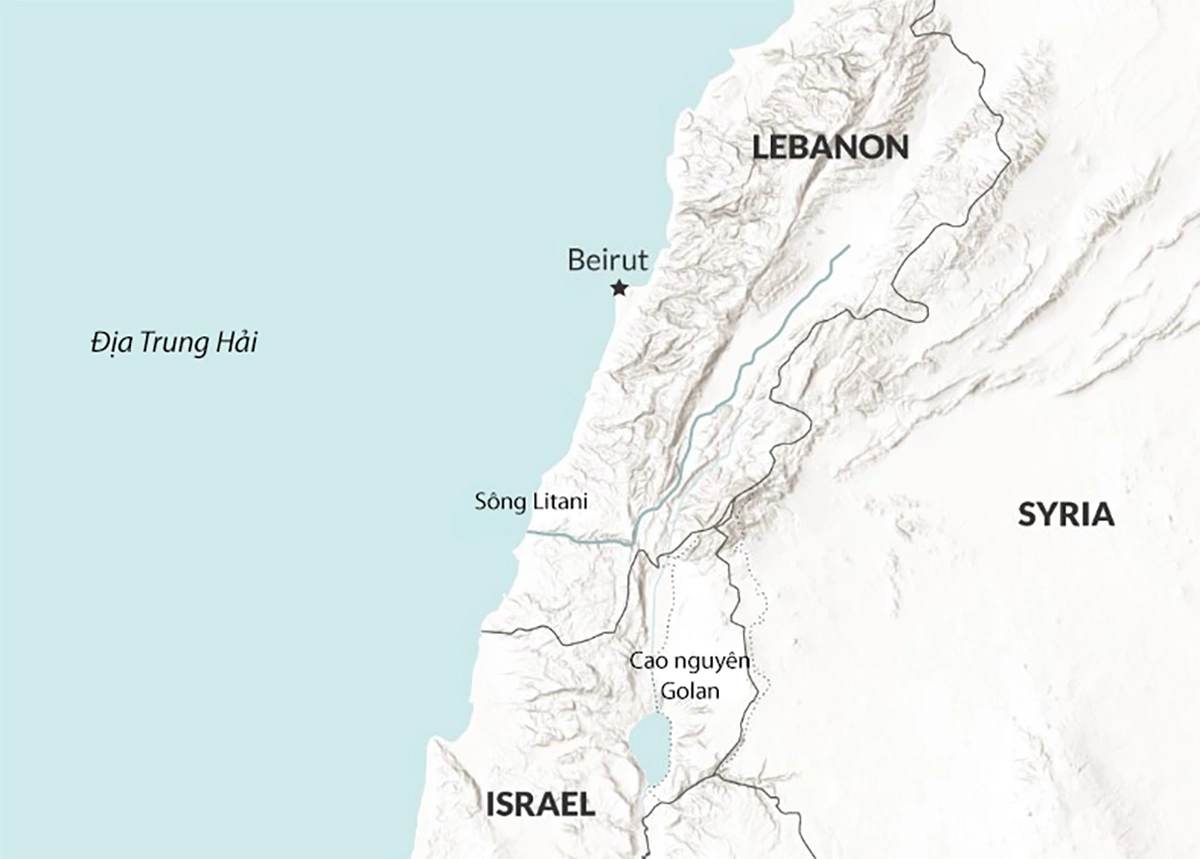 |
Location of Israel, Lebanon. Graphic: RANE
The US had previously extended a ceasefire with Iran until the latter submitted negotiation proposals to end hostilities. Trump on 23/4 stated the US is not rushing to end the conflict with Iran, but warned that "time is running out" for Tehran.
"I have a lot of time, but Iran does not. The Iranian military has been destroyed, their leaders are gone, the blockade is tight and solid, from here everything can only get worse," Trump wrote on social media, while ruling out the use of nuclear weapons against Iran.
Huyen Le (According to AFP, Reuters)