President Donald Trump announced today on social media that he has instructed the U.S. Navy to "shoot down and destroy any Iranian vessels laying mines in the Strait of Hormuz, no matter how small. There must be no hesitation." He further asserted that all 159 Iranian naval vessels "are at the bottom of the sea."
In a separate social media post, Trump declared that the United States "has full control" of the Strait of Hormuz. He stated, "No vessel can enter or exit without U.S. Navy approval. The strait will be 'locked down' until Iran can make a deal." Iranian officials have not yet commented on this information.
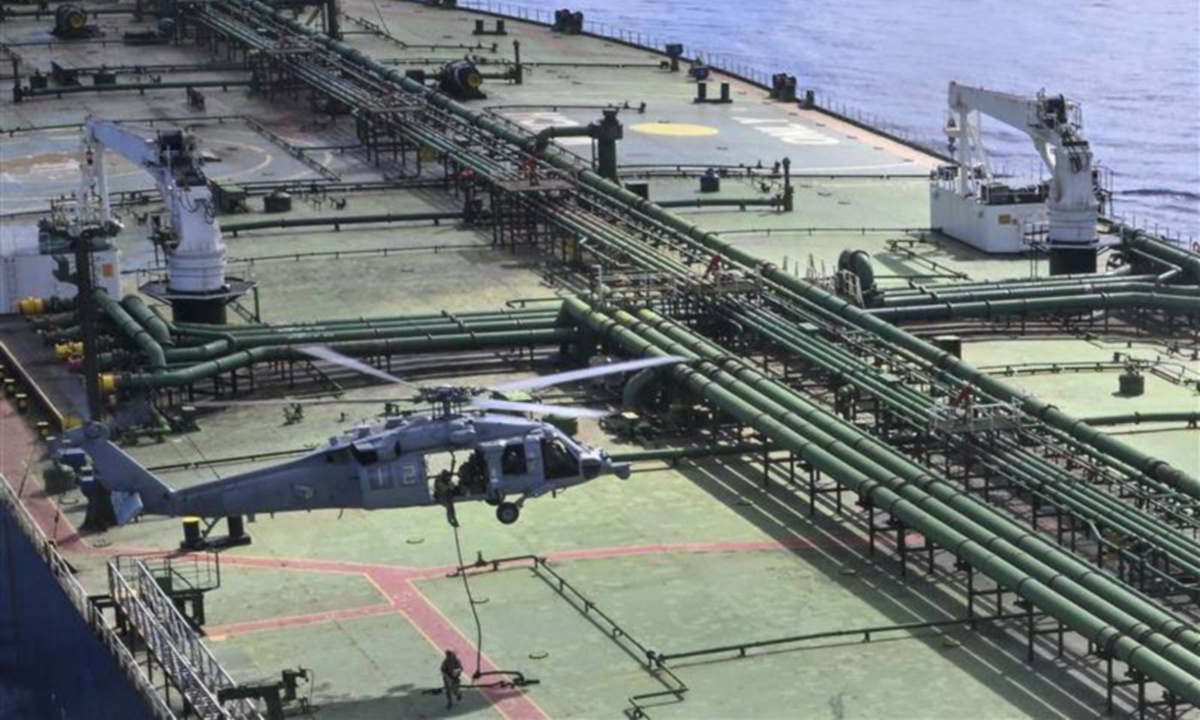
President Trump also confirmed that U.S. minesweepers are currently conducting mine clearance operations in the Strait of Hormuz. "I order that operation to continue, but it needs to be tripled!", he added, emphasizing the need for increased efforts.
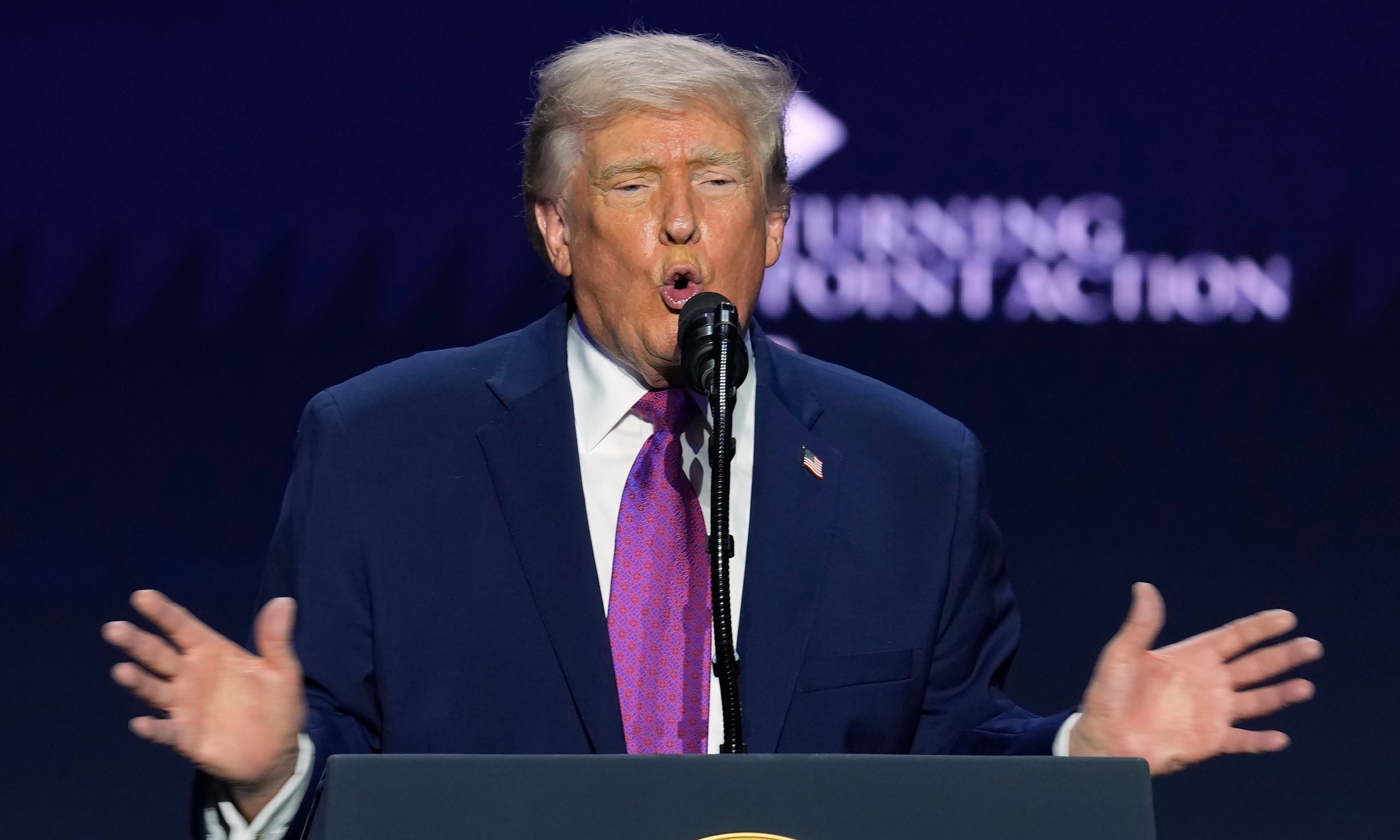 |
President Trump speaks at an event in Phoenix, Arizona, on 16/4. Photo: AP |
Last month, Trump had previously stated that the U.S. military would attack all minelaying vessels in the Strait of Hormuz. This issue has become a focal point as the U.S. president seeks to re-establish maritime traffic through the region, amid increasing pressure on the global economy due to the closure of the Strait of Hormuz.
According to U.S. intelligence sources, Iran began laying mines in the Strait of Hormuz in early March. President Trump then warned that if Iran did not remove the mines, they would face "unprecedented consequences."
In late March, the Iranian military stated it "does not need" to lay mines in the Gulf to assert its power, but would use "all available means to ensure security when necessary."
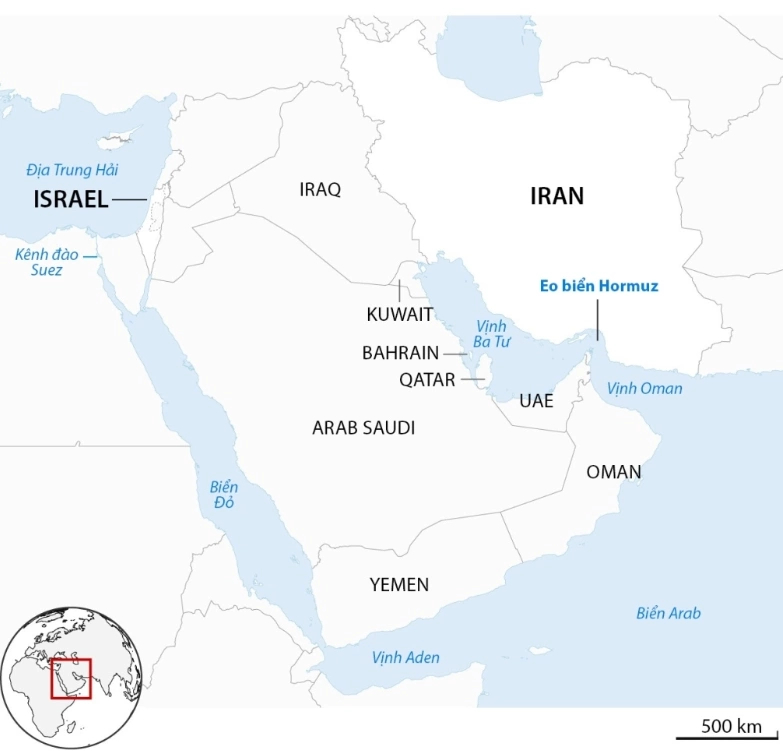 |
Location of the Strait of Hormuz. Graphic: Guardian |
Beyond the risks to commercial vessels operating in the area, mines in the Strait of Hormuz could delay efforts to reopen this vital shipping lane. Last week, U.S. Department of Defense officials reported to members of Congress that it could take up to six months to completely clear mines from the Strait of Hormuz after a conflict with Iran ends. However, a Pentagon spokesperson stated on 22/4 that a six-month closure of the Strait of Hormuz is "unacceptable."
Admiral Bradley Cooper, commander of U.S. Central Command, the unit responsible for U.S. military operations in the Middle East, affirmed last week that they are "fully capable" of clearing mines in the Strait of Hormuz. He added that Washington is already conducting clearance operations.
By Vu Hoang (CNN, AFP, Reuters)