The dispute began five years ago when Sanders was informed she owed USD 400 in fees to the Weddington Hills Homeowners Association (HOA) in North Carolina.
The HOA stated it sent multiple letters requesting payment. Sanders acknowledged the debt but claimed she never received any notices from the management.
Weddington Hills HOA then initiated enforcement. In February 2021, the HOA secured a lien against Sanders' property. Two months later, she received a notice indicating the debt had increased to approximately USD 1,200, along with a warning that foreclosure proceedings were imminent.
"I thought it was a joke," Sanders told Action 9 News late last month.
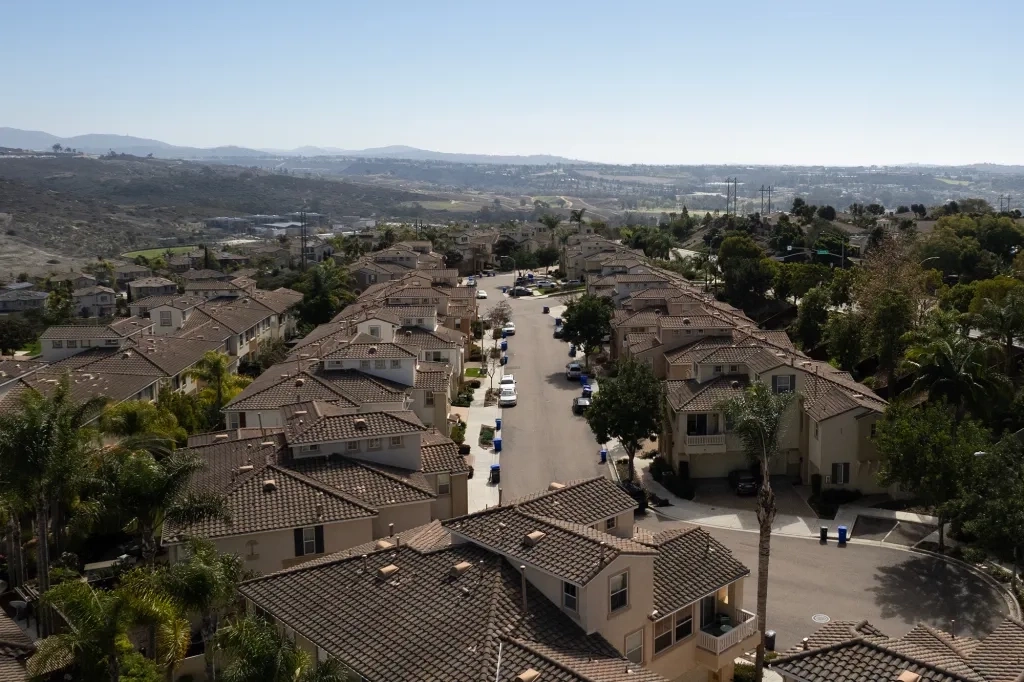 |
Khu nha o Mystic Point o Carlsbad, bang California, co HOA quan ly. Anh: CalMatters
However, all legal procedures were valid. Sanders ultimately lost her home, measuring over 300 square meters, within the Weddington Hills community. Local records show the property was initially sold for just USD 49,000. Five months later, the new owner resold the home for USD 850,000.
"It was devastating for my children. I don't wish this on anyone," Sanders said. She hopes her story will serve as a lesson for other homeowners not to underestimate the power of homeowners associations and to understand their rights.
In the United States, an HOA is an organization established by residents to manage residential communities. The HOA board comprises volunteer residents from the community and may also hire management companies, often for-profit businesses, to handle daily operations.
HOAs establish rules for homeowners and renters within the community, while property owners pay fees for common utilities and shared areas to the management.
A representative for Weddington Hills HOA declined to comment on the matter. However, their actions were deemed entirely legal, leaving Sanders without grounds to appeal or reclaim her home.
Under current North Carolina law, HOAs can impose a property lien if a homeowner fails to pay fees. If the debt continues, the board is permitted to initiate foreclosure proceedings. This power is granted to help HOAs maintain community standards, but many homebuyers often misunderstand the limits of this organization's authority and responsibilities.
Typically, the purpose of HOAs is debt recovery, not home foreclosure. Residents can appeal a foreclosure order, but their legal options for protection are limited.
North Carolina lawmakers are considering a bill to enhance homeowner protections. If passed, the new law would require management boards to meet stricter criteria before issuing a property lien. HOAs would also be mandated to send clear notices to residents about the debt, related details, and the legal consequences of non-payment.
Despite this, the bill has been stalled in the state legislature since May last year.
Nearly lost home due to previous owner's debt
Jewel Inostroza, 56, nearly lost her home due to a USD 200 management fee debt in her Newnan, Georgia community. When she moved in during 2008, Inostroza found it to be a beautiful, cozy, and cohesive community, but later realized the house was part of a "common interest community" where residents had to pay management fees.
The annual HOA fee for the Inostroza family was USD 200. However, the couple later discovered the house had outstanding fines and additional fees from before their purchase, related to lawn care and other issues.
The family refused to pay these fines, arguing they were the responsibility of the previous owner. They stated that the HOA and its management company, Homeowners Management, did not respond to their requests to waive the debt.
Records collected by CNBC show this debt continued to grow from at least 2012. The Inostroza family stated that before 2011, they primarily communicated with the HOA by phone. By August 2015, the HOA registered a lien against the family's home. In court records, the HOA claimed a debt of USD 1,600.
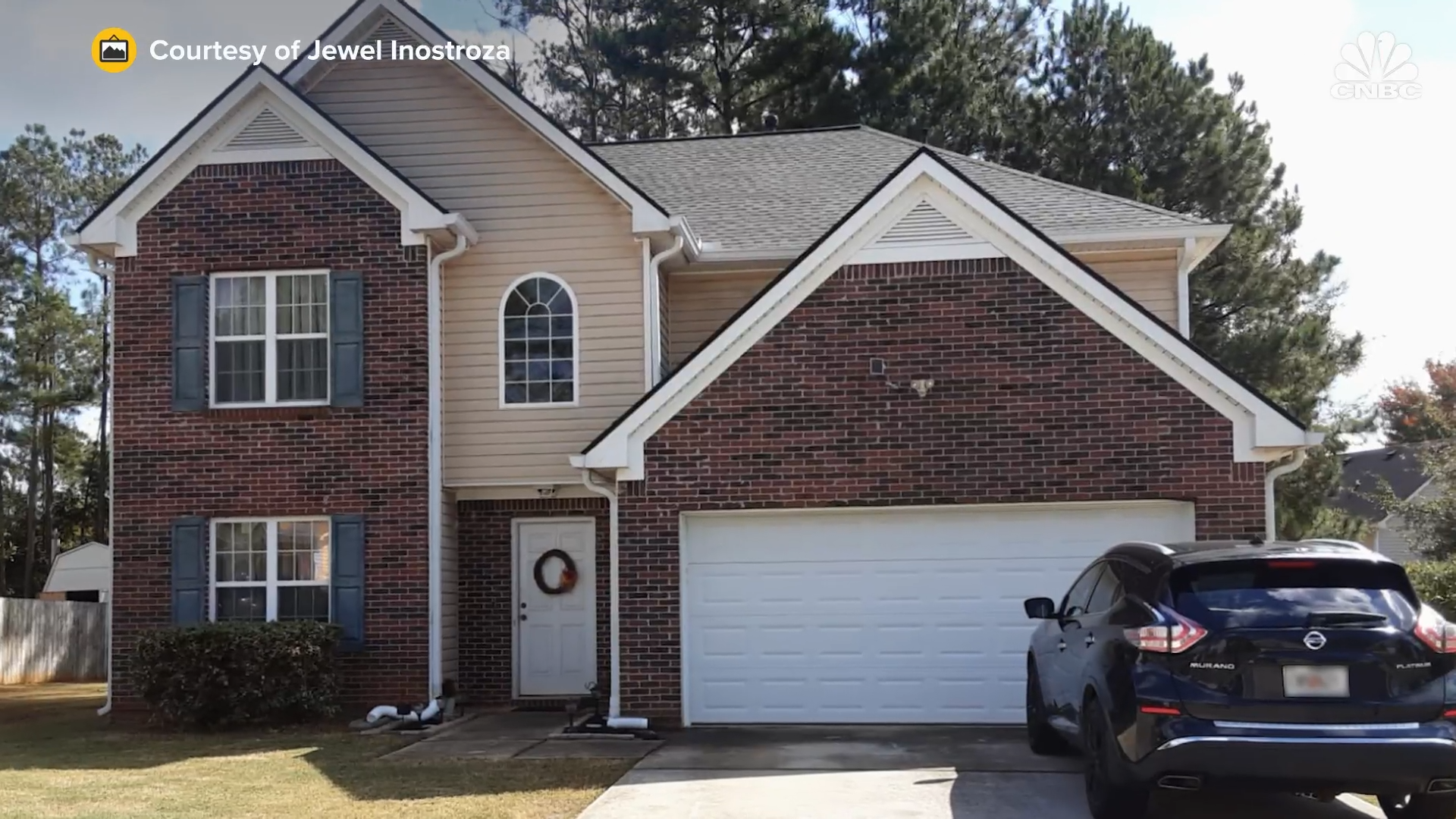 |
Can nha cua gia dinh Inostroza tai thanh pho Newnan, bang Georgia, My. Anh: CNBC
Like Inostroza, an increasing number of first-time homebuyers unknowingly purchase properties managed by HOAs.
According to the US Census Bureau, approximately 84% of newly built single-family homes sold in 2022 were in HOA communities. In most southern and western states, it is nearly impossible to find a single-family home not managed by an HOA. Some localities even require nearly every new construction project to have an HOA.
When buying a home in an HOA-managed community, buyers acquire not just the property but also the financial obligations attached to it. This means if the previous owner owed fees or incurred fines, the debt "follows" the property to the new owner.
HOAs have the right to register a lien on a home to ensure debt recovery. This legal mechanism allows a creditor to attach a payment obligation to an asset, such as a home. From there, HOAs can implement enforcement measures like foreclosing on the home. Experts describe this model as a "trap" if buyers do not thoroughly check for outstanding debts from previous owners.
In the Inostroza family's case, their income was garnished starting mid-2015. However, she stated she was not notified in advance of this measure and only learned about it upon receiving her paycheck. She received a formal notice two weeks later.
Despite the garnishment, the total HOA debt did not decrease. By December 2016, the family owed the HOA over USD 4,300.
The couple then hired lawyers. In 2016, their lawyer reached an agreement with the HOA's lawyer to cease wage garnishment. Under the agreement, they would pay approximately USD 3,100 in installments. CNBC records show they completed this payment in January 2023.
However, the HOA continued to add fines and calculate interest. The Inostroza family estimates they have paid a total of about USD 12,000 in fines and garnished wages to the HOA, not including thousands of dollars in legal fees. Homeowners Management and the HOA did not respond to requests for comment.
According to Tom Skiba, leader of an organization representing HOAs, a home is the largest lifetime investment for most Americans, and HOAs are responsible for protecting that property's value. Therefore, their strict measures against those who fail to pay management fees are appropriate.
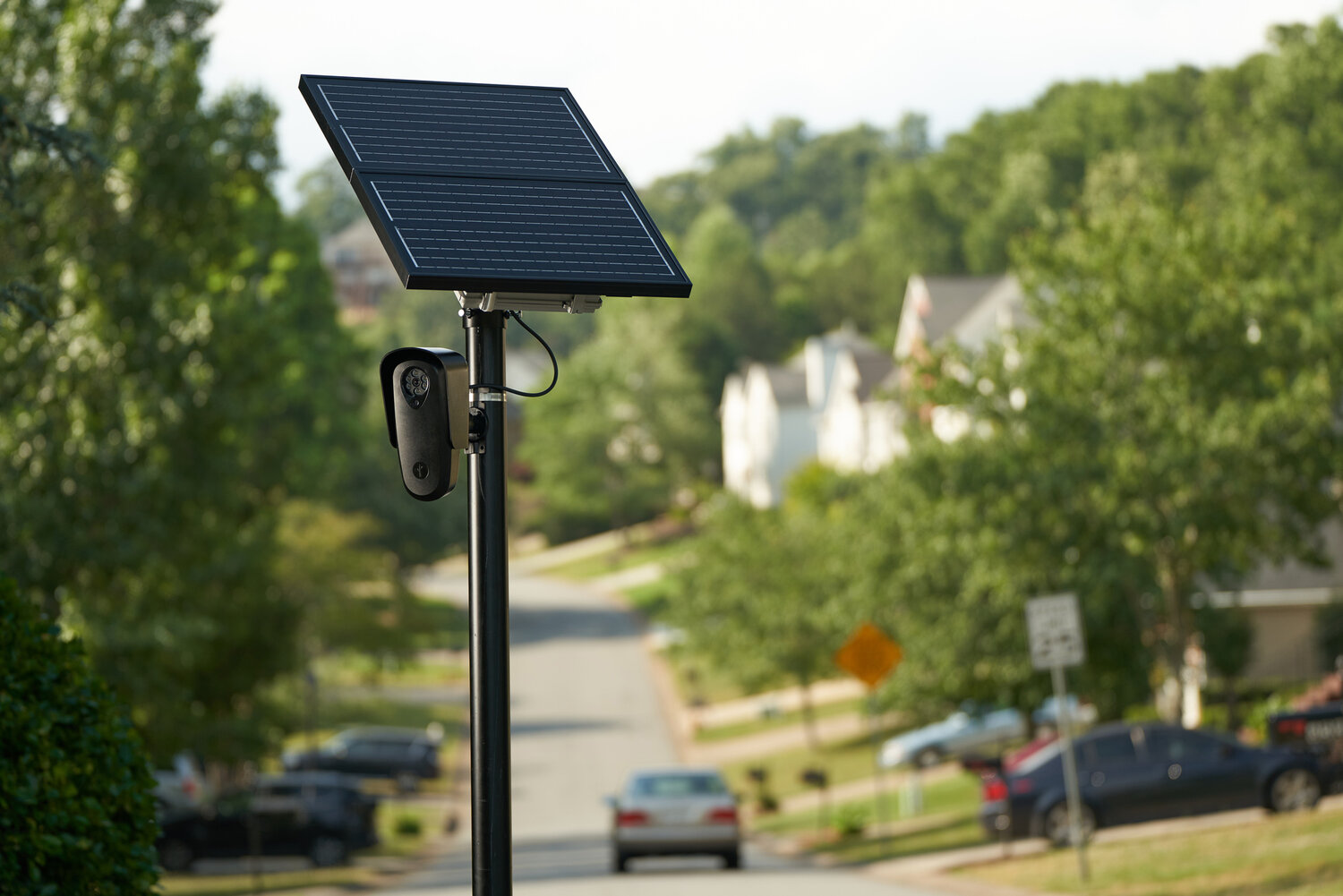 |
Camera do toc do cua HOA de bat phat tai xe vi pham tai mot khu dan cu o Bradenton, Florida, nam 2025. Anh: Bradenton Times
The Inostroza family's experience clearly illustrates the widespread power mechanism of HOAs across the United States.
A 2023 Rocket Mortgage survey of 1,001 Americans living in HOA communities revealed that over half, or 57%, disliked this model, and over 30% believed HOAs wield too much power.
"They operate like 'neighborhood governments,' even overriding existing laws," said Steve Horvath, co-founder of HOA United.
According to Horvath, the root of HOAs lies in the desire of municipal officials to transfer responsibilities typically handled by the government, such as maintaining sidewalks, internal roads, or drainage systems—tasks residents often assume their taxes already cover.
Many homeowners in disputes with HOAs report difficulty finding support from public agencies. Raelene Schifano, co-founder of HOA United, stated that homeowners' only recourse is to sue in civil court, but this path is largely ineffective.
Lawmakers in some states, like Maryland and Florida, have introduced bills to address long-standing homeowner complaints about HOAs, but these have met opposition from the professional management industry.
To date, change primarily stems from homeowners fighting through the court system and seeking to elect a board they believe truly represents them, commented Charlotte Morabito, a financial commentator for CNBC.
By Duc Trung (According to CNBC, AP, USA Today)