Officials across numerous US states are sounding the alarm about the Asian 'jumping worm,' an invasive species known for its destructive impact on ecosystems and its notorious difficulty to eradicate. Accidentally introduced to the US in the late 19th century, these worms have now been detected in a broad range of states, including California, Michigan, Minnesota, Maine, Wisconsin, Iowa, Illinois, Indiana, Tennessee, Ohio, Florida, New Jersey, Nebraska, Oklahoma, Texas, Louisiana, Kentucky, New Hampshire, and Colorado.
Colorado officials first confirmed the worm's presence in October 2025, in Denver's Hilltop neighborhood. Since then, the species has rapidly spread throughout the Midwest, reaching states such as Kansas and Missouri.
Dubbed 'mad worms' by US media, these jumping worms exhibit frenzied defensive behavior when disturbed. They thrash wildly and wriggle rapidly like small snakes, capable of springing up to 30 cm off the ground. Characterized by a smooth, dark gray or brown surface, they feature a distinct milky-white band near their head. In an attempt to escape, they can sometimes self-amputate their tails.
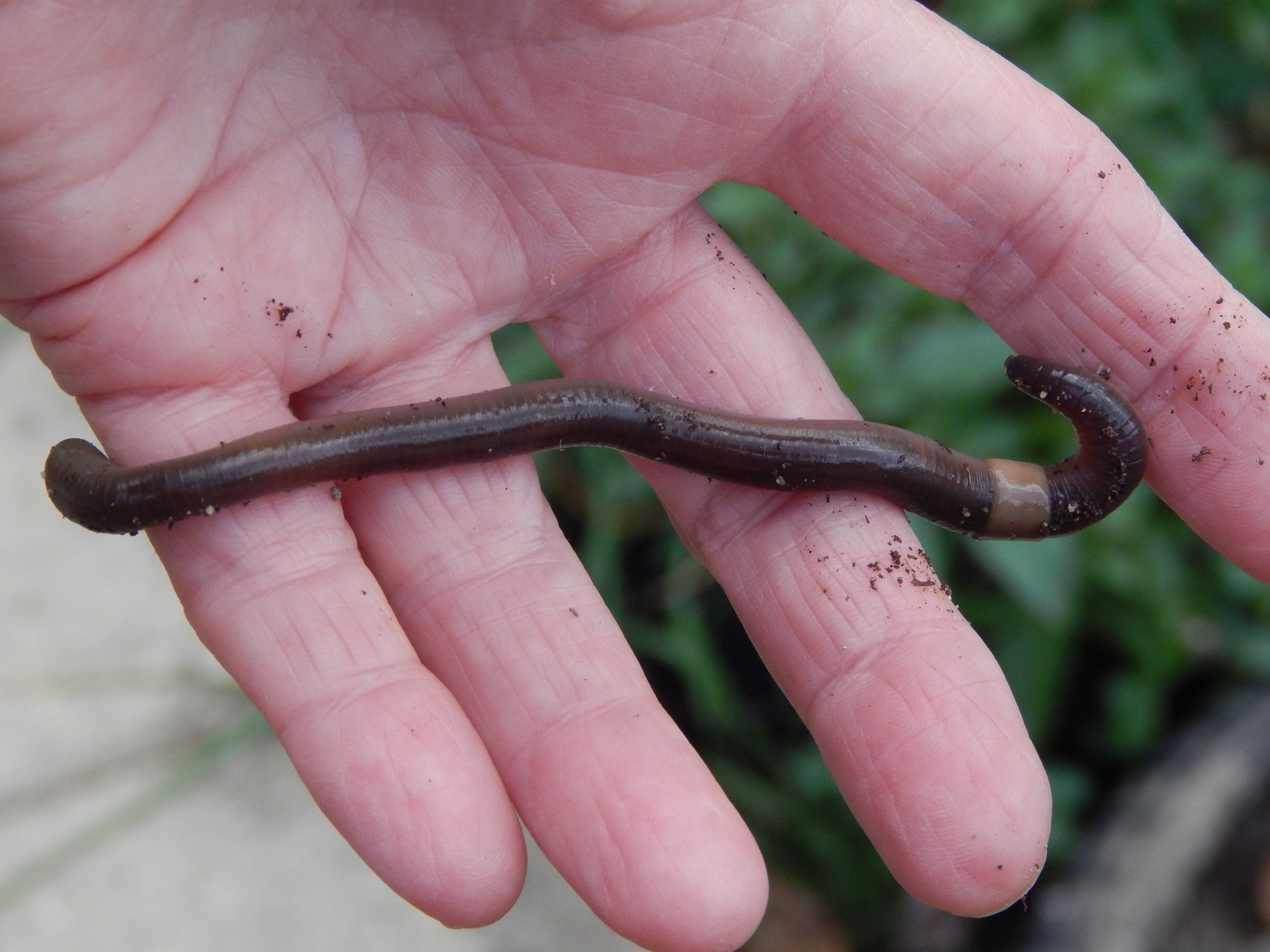 |
An Asian jumping worm in the US. *Photo: Boston Globe*
The worms' excessive activity degrades soil structure, harming plant roots and causing the soil to dry out quickly. This leads to a 'nutrient paradox,' where soil nutrients are present but plants cannot absorb them, potentially worsening drought conditions", the Colorado Department of Agriculture warned on 22/4. California state officials have also urged residents to be vigilant about this invasive species.
A significant concern is their rapid reproductive rate, as these worms can reproduce without mating. Experts caution that a single worm, or even a small cocoon hidden in the soil or at a plant's base, can trigger a new invasive outbreak.
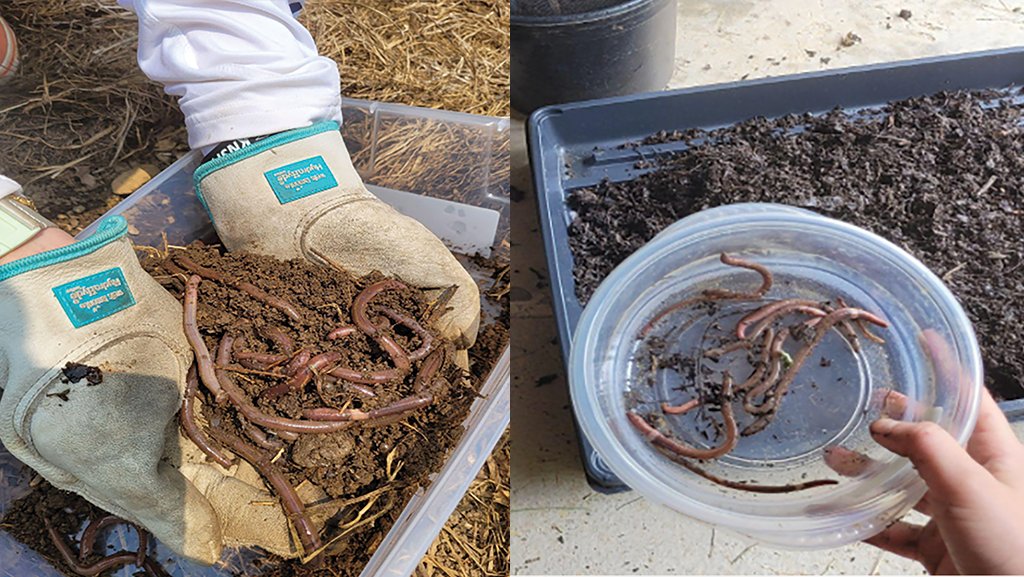 |
Jumping worms in a US home. *Photo: Turf Zone*
Beyond destroying cultivated soil, these worms pose a threat to wildlife. Experts indicate they can be toxic to some bird species and salamanders, disrupting local ecosystems.
Currently, no effective method exists for eradicating these worms. Experts advise that the best way to eliminate them is to seal them in a plastic bag, expose them to the sun for 10 minutes, and then dispose of them in the trash. State officials are urging residents to carefully inspect all materials and soil brought into gardens and to avoid purchasing jumping worms for fishing bait.
Duc Trung (According to NY Post, FOX News, CBS News)