"There are reports that Iran is charging fees for oil tankers passing through the Strait of Hormuz. They should not do that, and if they are, they must stop immediately," US President Donald Trump wrote on social media on 9/4.
In a message posted minutes later, Trump stated that oil tankers would soon resume passage "with or without Iran's assistance." The US president criticized Iran's "very bad, shameful" handling of allowing oil tankers through the Strait of Hormuz. "That was not the agreement we reached," Trump said.
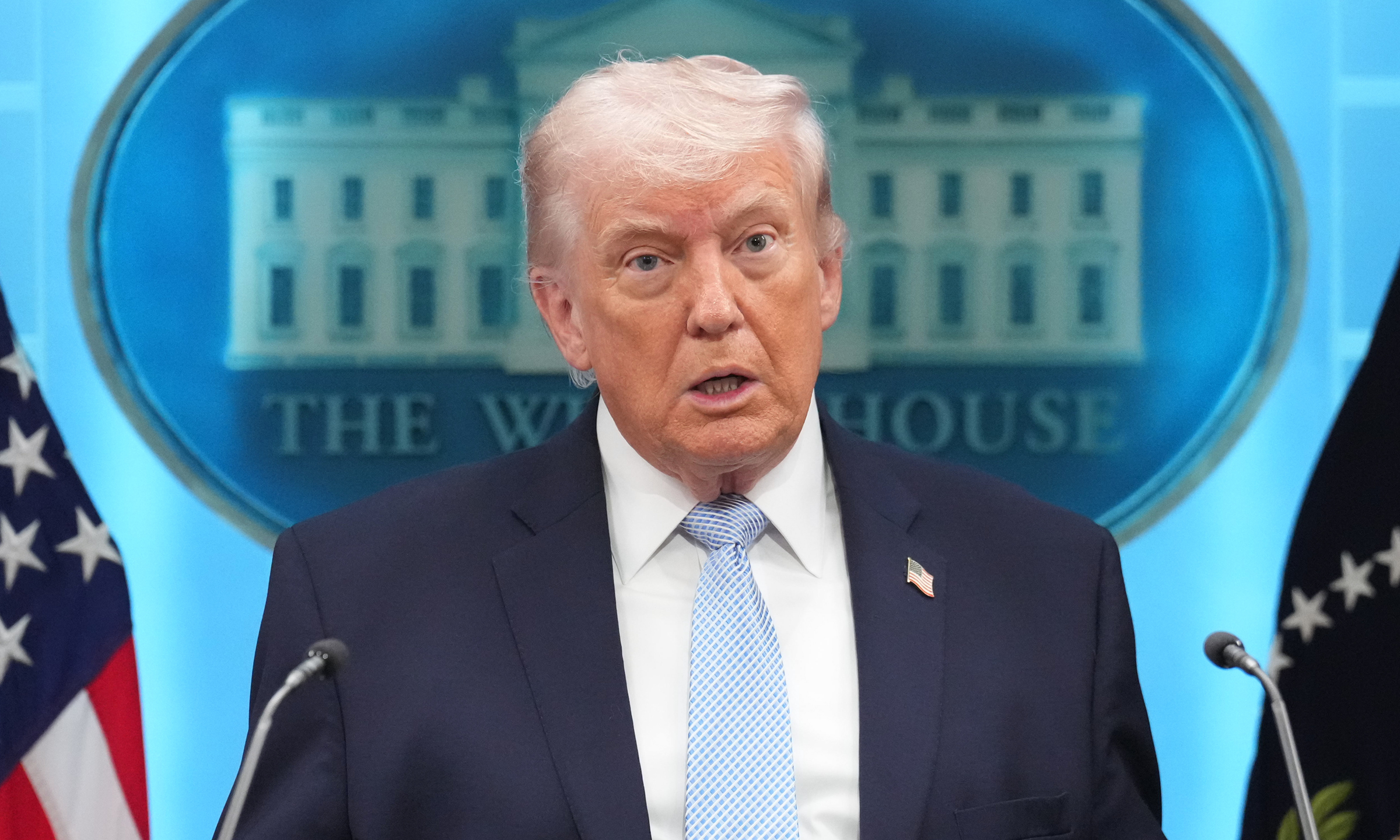 |
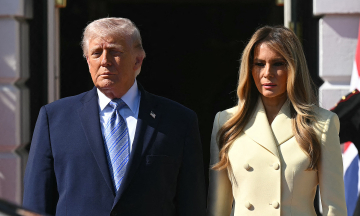
President Trump speaks at the White House on 6/4. Photo: AP |
British officials announced the same day that Prime Minister Keir Starmer and President Trump discussed "practical plans" to restore maritime activity in the Strait of Hormuz as soon as possible.
The messages followed reports by Iranian state television on 6/4, which stated that the country's parliamentary security committee had approved a plan to charge fees for vessels passing through the Strait of Hormuz and to exercise "Iran's sovereign role."
The US and Iran had agreed to reopen the Strait of Hormuz as part of a two-week ceasefire agreement reached on 8/4, but oil shipments through this vital waterway remained largely stalled due to a lack of clear guidance from Tehran, according to CNN.
AFP news agency, citing maritime tracking data collected on 9/4, reported that only 10 vessels had passed through the Strait of Hormuz since the ceasefire took effect in the Middle East.
Under the agreement, Iran consented to reopen the Strait of Hormuz during the ceasefire, but passing vessels would be subject to monitoring by Iranian armed forces and required to comply with certain "technical measures." Tehran informed negotiating intermediaries that it would limit the number of vessels passing through the Strait of Hormuz to about a dozen per day.
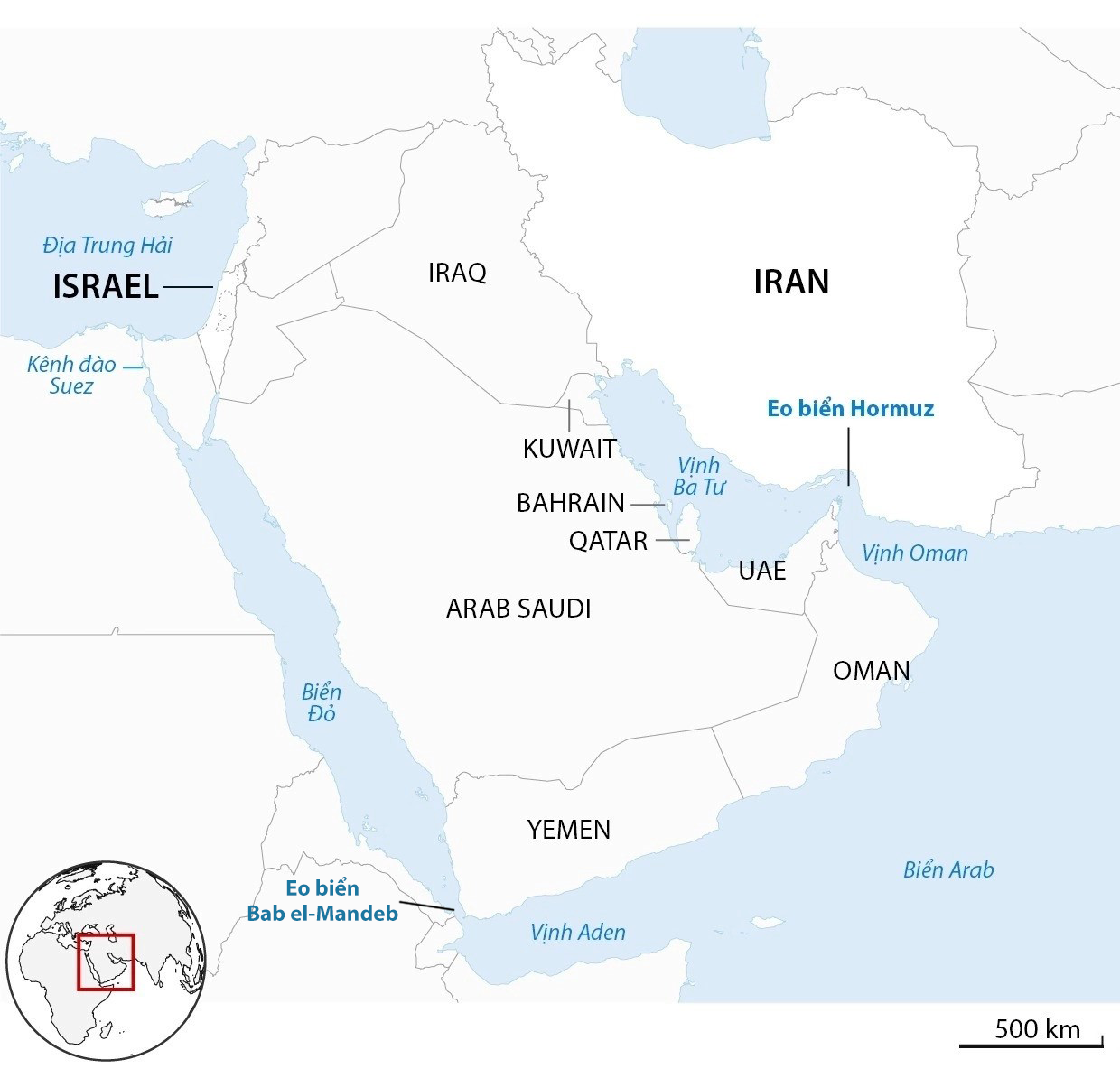 |
Location of the Strait of Hormuz. Graphic: Guardian |
Intermediaries and maritime brokers also stated that Iran required cargo ships to agree on transit fees in advance, to be paid in cryptocurrency or yuan. The fees, which vary based on vessel size, included a basic transit fee, security escort, and administrative processing.
Officials from Gulf Arab states opposed the fee collection measure, arguing that Iran's proposal violated international treaties, such as the United Nations Convention on the Law of the Sea, which guarantees freedom of navigation in areas like the Strait of Hormuz.
Iranian media reported on 8/4 that the country had temporarily closed the Strait of Hormuz in response to Israeli attacks on Lebanon. Meanwhile, US Vice President JD Vance argued that the Lebanon issue was not part of the ceasefire agreement with Iran, calling on Tehran to uphold its promise to keep the Strait open.
Pham Giang (According to AFP, CNN)