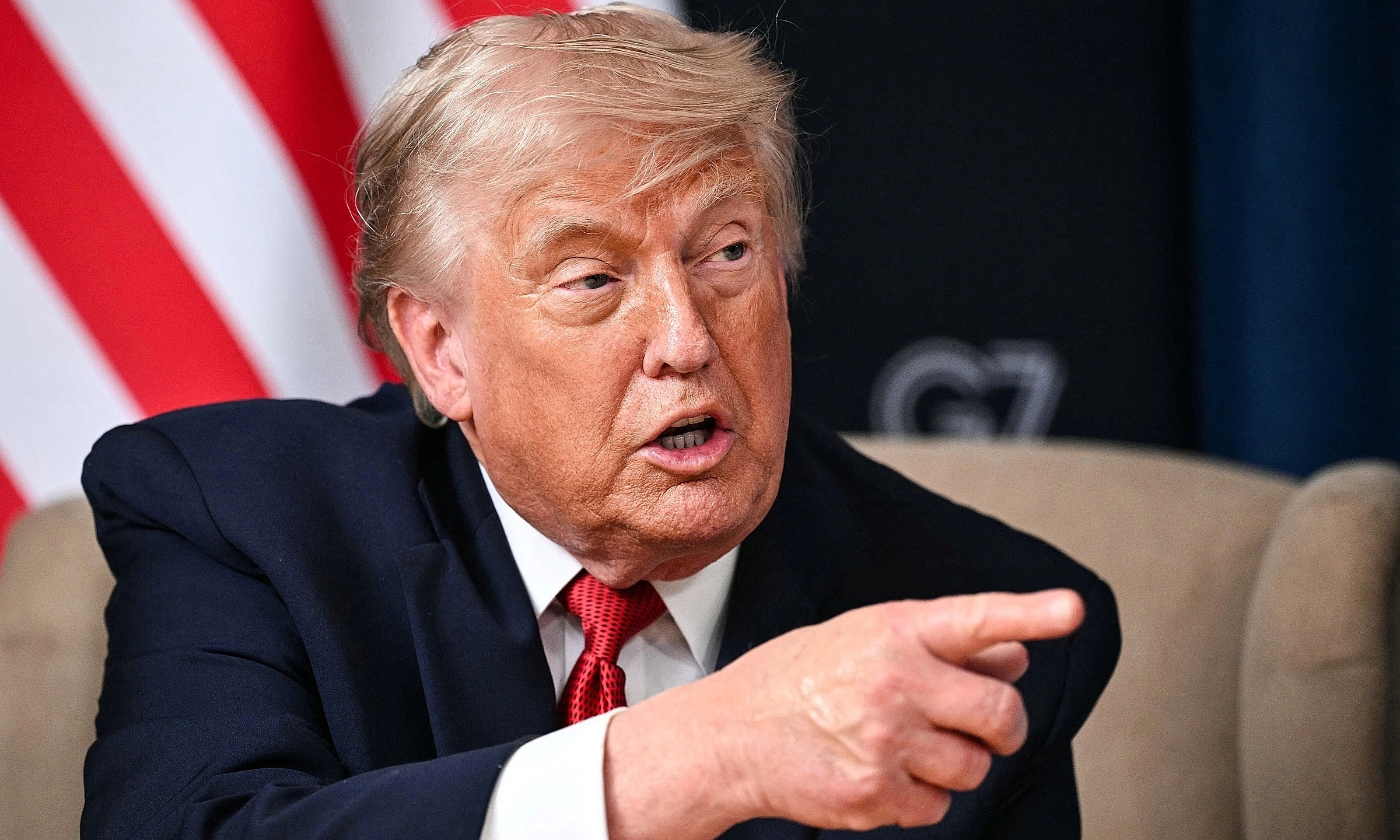
In an interview with Axios published on 18/6, US President Donald Trump stated he decided to reach an agreement with Iran to prevent conflict from causing a global economic crisis.
'There are no limits,' Trump responded when asked what he learned from the conflict regarding the limits of his own power. 'I learned nothing from it,' he added, stating that the conflict with Iran had, in fact, demonstrated US military strength.
'We defeated them militarily, and the memorandum with Iran is probably Tehran's unconditional surrender,' Trump declared. 'Could anyone else impose such a blockade? I implemented a naval blockade that no ship could pass. Some tried, but that did not last very long.'
Democrats in the US Congress repeatedly sought to pass resolutions to tighten President Trump's war powers, but these only passed the House of Representatives and faced opposition in the Senate. Even if the Senate approved such a resolution, Trump could still use his veto power to reject it.
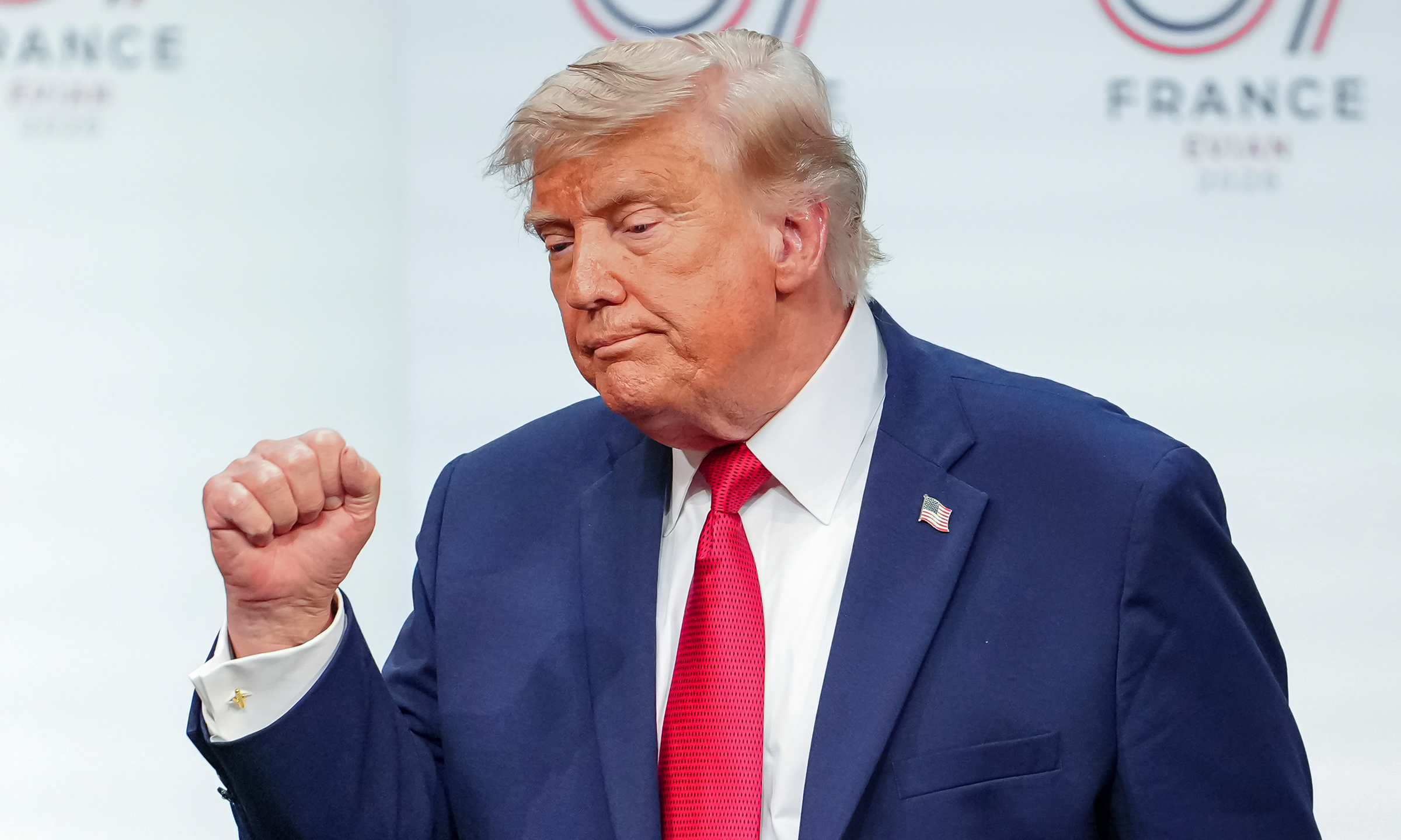 |
US President Donald Trump at the G7 summit in France on 17/6. *AP* |
The US president acknowledged the situation could have worsened if the two countries had not reached an agreement. He expressed annoyance at suggestions from hardline critics who questioned why he was not tougher on Iran.
'The only way I could be tougher is to continue the campaign for two to three more weeks and bomb them heavily. But what would that achieve? The Strait of Hormuz would not be open,' the US president stated.
'We would not have oil for months. As long as bombs are being dropped, that strait would automatically close,' Trump added. 'This is something that could cause a global crisis.'
President Trump declared war on Iran in late February, demanding Tehran's 'unconditional surrender'. After more than three months, he agreed to sign a limited memorandum with Iran.
According to the document recently signed by leaders of both sides, the US and Iran will conduct negotiations within 60 days to reach a final agreement. The document also includes provisions for reopening the Strait of Hormuz and a framework for negotiating nuclear issues. Some of the most challenging issues remain unresolved and will be addressed in subsequent dialogues.
Axios cited an informed source who stated that in private discussions, Trump had expressed concern that global oil reserves were starting to dwindle. He believed a global oil shock could occur if the Strait of Hormuz remained closed.
This vital shipping lane transports about 20% of the global oil and gas supply during peacetime and was almost completely blockaded by Iran after the conflict erupted.
According to Axios, this concern helps explain why the US president accepted the current agreement with Iran, despite having made tough demands both before and after launching the conflict.
Pham Giang (According to Axios, CNBC, CNN)