During a press briefing after a cabinet meeting at the White House on 26/3, President Donald Trump confirmed that "controlling Iran's oil supply" is one of the options US officials have considered. However, he added that he "did not want to comment in detail" on the idea.
Trump compared this option to an agreement the US reached with Venezuela earlier this year, following the campaign to apprehend President Nicolas Maduro on 3/1. He affirmed that the US has "done very well" with Venezuela's oil reserves recently. "We have collected billions of USD. Venezuela is now wealthier, even at its historical best. What is happening is like a joint venture model, in which the US is earning a lot of money," he commented.
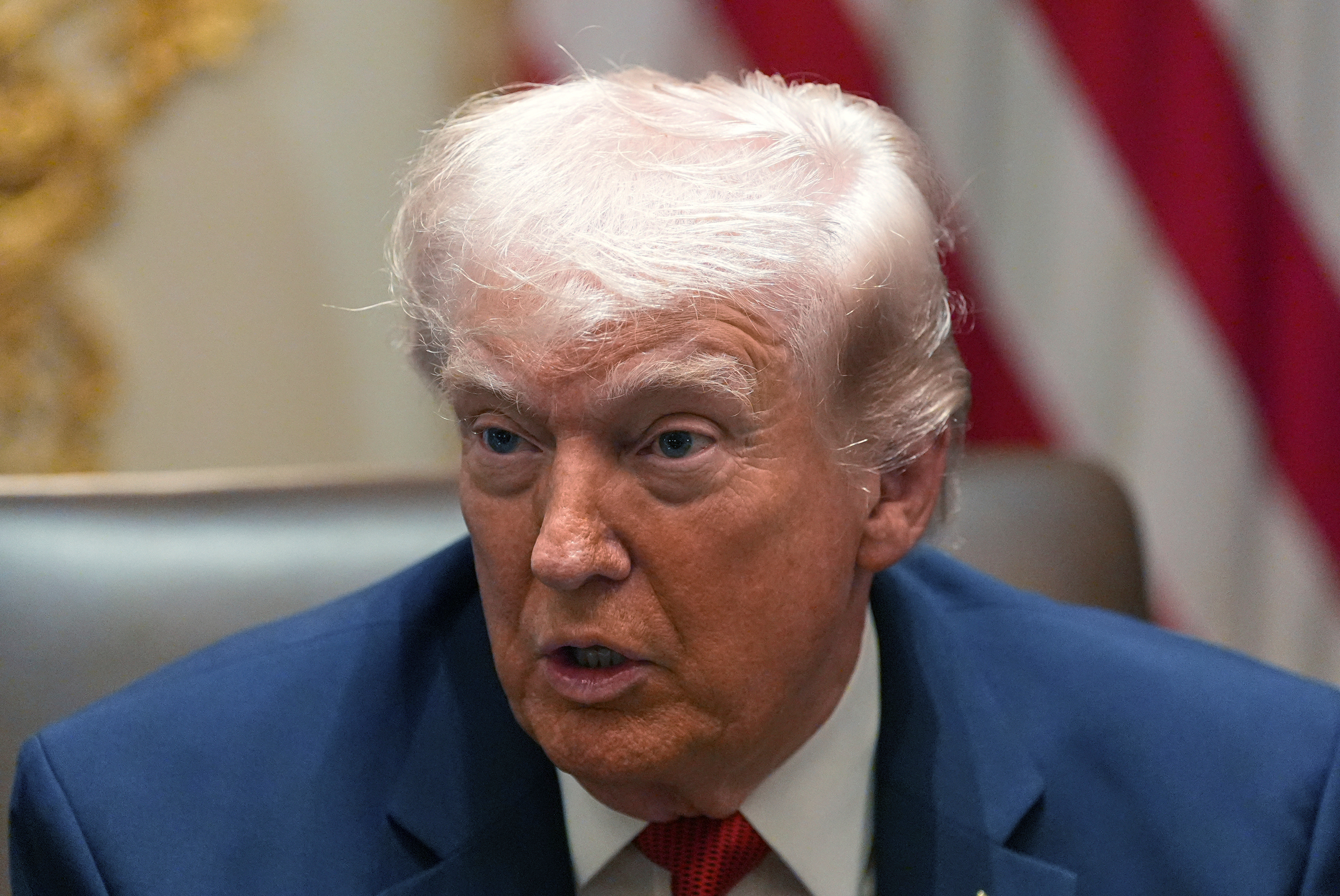 |
President Donald Trump speaks at a cabinet meeting on 26/3 at the White House. *Photo: AP*
President Trump also downplayed the importance of the Hormuz Strait for US energy supply. He asserted that the US does not need this shipping lane, affirming that domestic oil production remains abundant, more than double that of Arab Saudi and Russia, and could soon reach triple that amount.
The US leader called on Iran to completely abandon its nuclear weapons development ambitions, stating that Washington would continue its campaign if Tehran did not change. He emphasized that the nation has an opportunity to "choose a new path" and warned that the US would bring about "the worst nightmare" if Iran did not accept change.
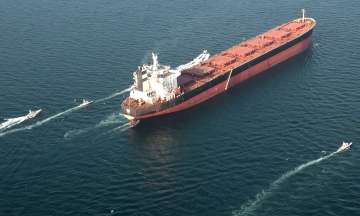
President Trump was firm when reporters questioned the possibility of the US reaching a deal with Iran, declaring that he personally "was not eager and did not care whether negotiations succeeded or not." He emphasized that Washington had other goals before concluding the campaign, suggesting that Tehran was the one "begging for negotiations." The US President revealed that Iran had allowed 8 oil tankers to pass through the Hormuz Strait as "a gift" to demonstrate goodwill for negotiations.
Trump remarked that the campaign against Iran was progressing much faster than planned. He stated that the US military initially estimated 4-6 weeks to achieve its objectives, but had significantly exceeded that pace after 26 days. Also during the meeting, special envoy Steve Witkoff confirmed that the US had sent a 15-point draft agreement to Iran via Pakistan. He also noted some signs of Tehran's readiness to accept a return to negotiations. Iranian officials have not commented on this information.
The conflict between the US - Israel and Iran erupted on 28/2 and shows no signs of de-escalation. President Trump stated on 23/3 that both Washington and Tehran desired to reach an agreement, adding that he was discussing with a senior Iranian leader. However, Iran later denied the information. Iranian media quoted a senior official saying that Tehran had reviewed and rejected Washington's proposal to end the conflict, calling these terms "exorbitant."
Thanh Danh (According to CNN, AFP, Reuters)