The US department of defense on 25/3 announced agreements with defense corporations Lockheed Martin, BAE Systems, and Honeywell Aerospace, aiming to boost the production speed of various missile components, including weapons used to counter ballistic missiles.
"The agreements will put the defense industry into wartime mode", the Pentagon stated.
THAAD missile launching during a test in the Marshall Islands, 8/2019. *Video: MDA*
Under the agreements, Honeywell Aerospace will increase production of components such as: guidance systems, electronic warfare equipment, and flight control units for AIM-120 AMRAAM air-to-air missiles.
Lockheed Martin and BAE Systems also agreed to quadruple production of seekers for Terminal High Altitude Area Defense (THAAD) missiles. THAAD is a key air defense system in efforts to intercept Iranian ballistic missiles. Each THAAD interceptor costs nearly 13 million USD.
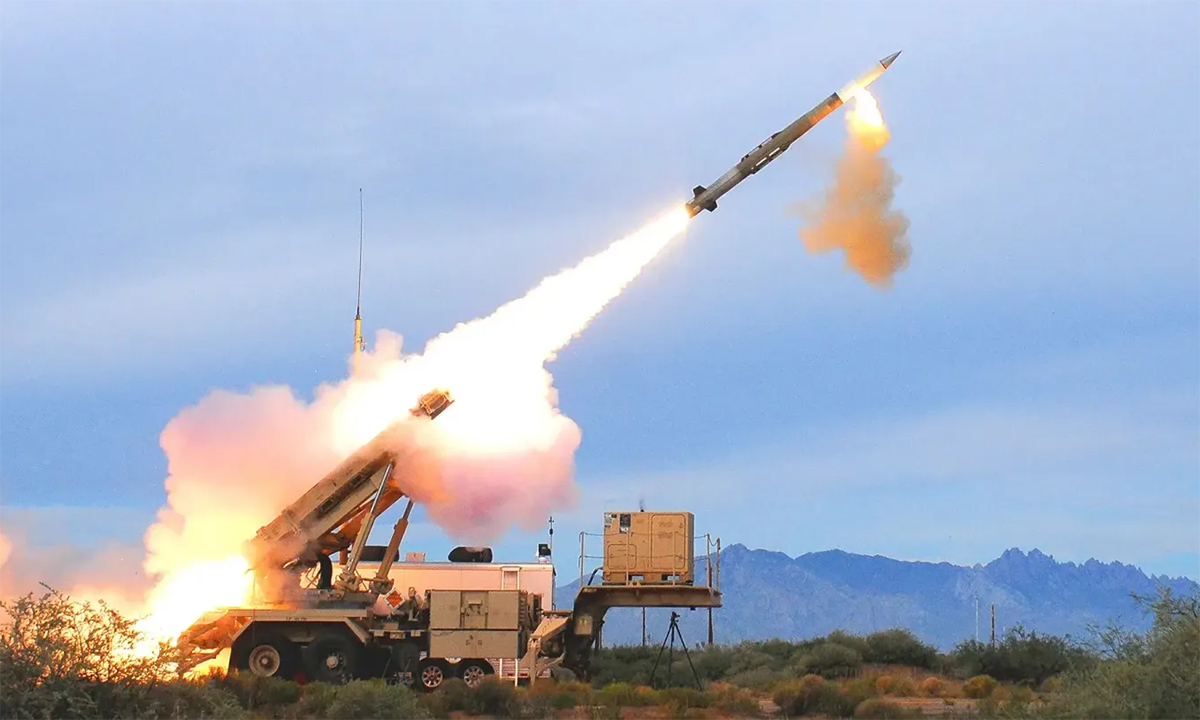 |
PAC-3 MSE missile launching during a test in the US. *Photo: Lockheed Martin*
In january, Lockheed Martin announced plans to increase THAAD missile production from nearly 100 to about 400 per year. The company also anticipates increasing annual production of PAC-3 missiles, used for the Patriot system, from 600 to 2,000 within the next 7 years.
These agreements were signed as US forces and their allies continue to rely on expensive interceptor missiles to down low-cost targets, especially the suicide unmanned aerial vehicles (UAVs) Iran uses in the current conflict.
Estimates suggest Iran can manufacture up to 10,000 Shahed-series UAVs each month. The average cost of a Shahed drone is 35,000 USD, while a PAC-3 interceptor costs 3-4 million USD each, depending on the contract.
US HIMARS launching missiles at Iran in a video released on 4/3. *Video: CENTCOM*
The Pentagon also signed an agreement with Lockheed Martin to accelerate the production of PrSM ballistic missiles, launched from HIMARS rocket artillery, to replace ATACMS missiles. Lockheed Martin announced it will quadruple PrSM production under a contract valued at nearly 5 billion USD awarded by the US army last year.
The PrSM has a 500 km range, carries a 91 kg warhead, and costs about 3,5 million USD per missile. It also has an anti-ship variant capable of striking moving targets at sea. The Middle East conflict marks the first combat use of this missile type.
Nguyen Tien (According to AFP, Defense News, AP)