The Jerusalem Post reported on 26/3 that an Israeli official stated the country's military conducted an airstrike on Bandar Abbas, a key Iranian port city near the Strait of Hormuz. The attack reportedly killed rear admiral Alireza Tangsiri, commander of the Islamic Revolutionary Guard Corps (IRGC) navy.
The Israeli official added that Tangsiri was responsible for operations to blockade the Strait of Hormuz. Neither the Israeli military nor the Iranian government has commented on the incident.
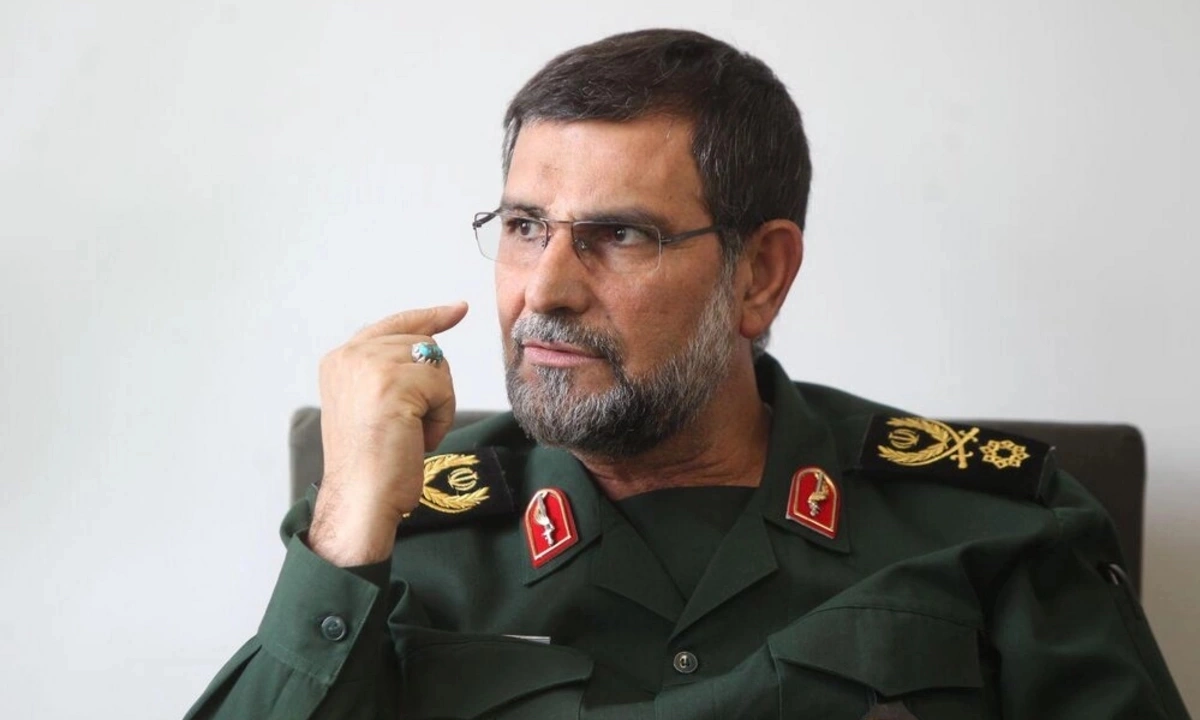 |
Rear admiral Alireza Tangsiri, commander of the Iranian Islamic Revolutionary Guard Corps (IRGC) navy. *Tehran Times* |
The targeting of Tangsiri marks a significant development in the ongoing conflict, especially given the IRGC navy's prominent role in Iran's maritime operations.
The IRGC has been seen as effectively blockading the Strait of Hormuz since hostilities began. It has launched missile and unmanned aerial vehicle (UAV) attacks on dozens of cargo and oil ships traversing the area, crippling this vital maritime lifeline.
According to the Associated Press (AP), some vessels seeking passage through the Strait of Hormuz must now pay fees and provide cargo manifests, detailed crew information, and destination data for inspection by the IRGC navy.
This week, Iran reportedly issued a notice stating that "non-hostile ships" could traverse the Strait of Hormuz if they coordinated with the Tehran government. However, Iran threatened to continue targeting vessels linked to Israel, the United States, and their allies.
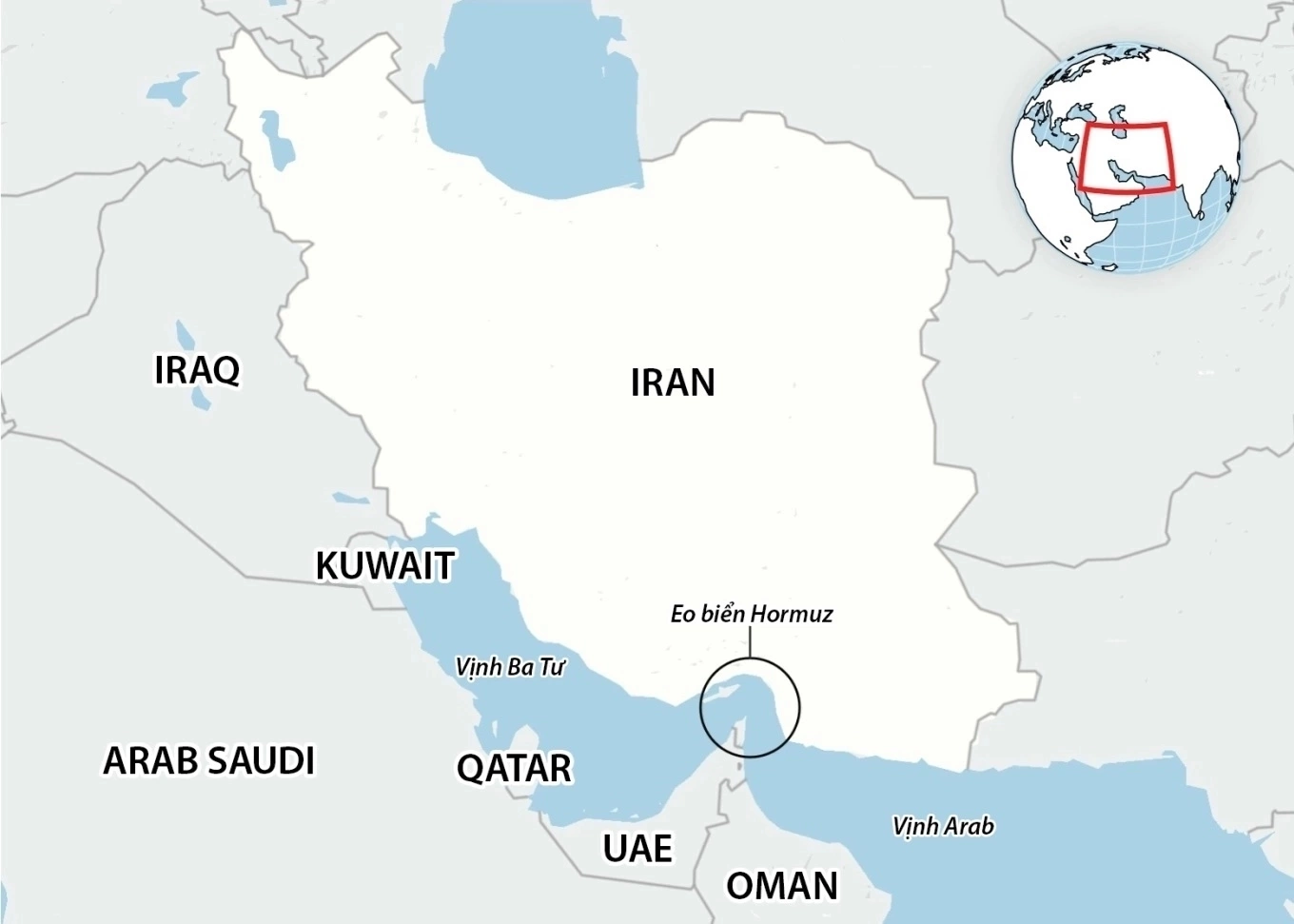 |
Location of the Strait of Hormuz. *Guardian* |
Thai Foreign Minister Sihasak Phuangketkeow stated on 25/3 that a tanker owned by the Bangchak group had safely navigated the strait two days prior, following negotiations with the Iranian Ambassador in Bangkok. On the same day, Indian officials announced that their vessels could move freely through the Strait of Hormuz without obstruction from Iran.
Ngoc Anh (According to The Jerusalem Post, The Times of Israel)