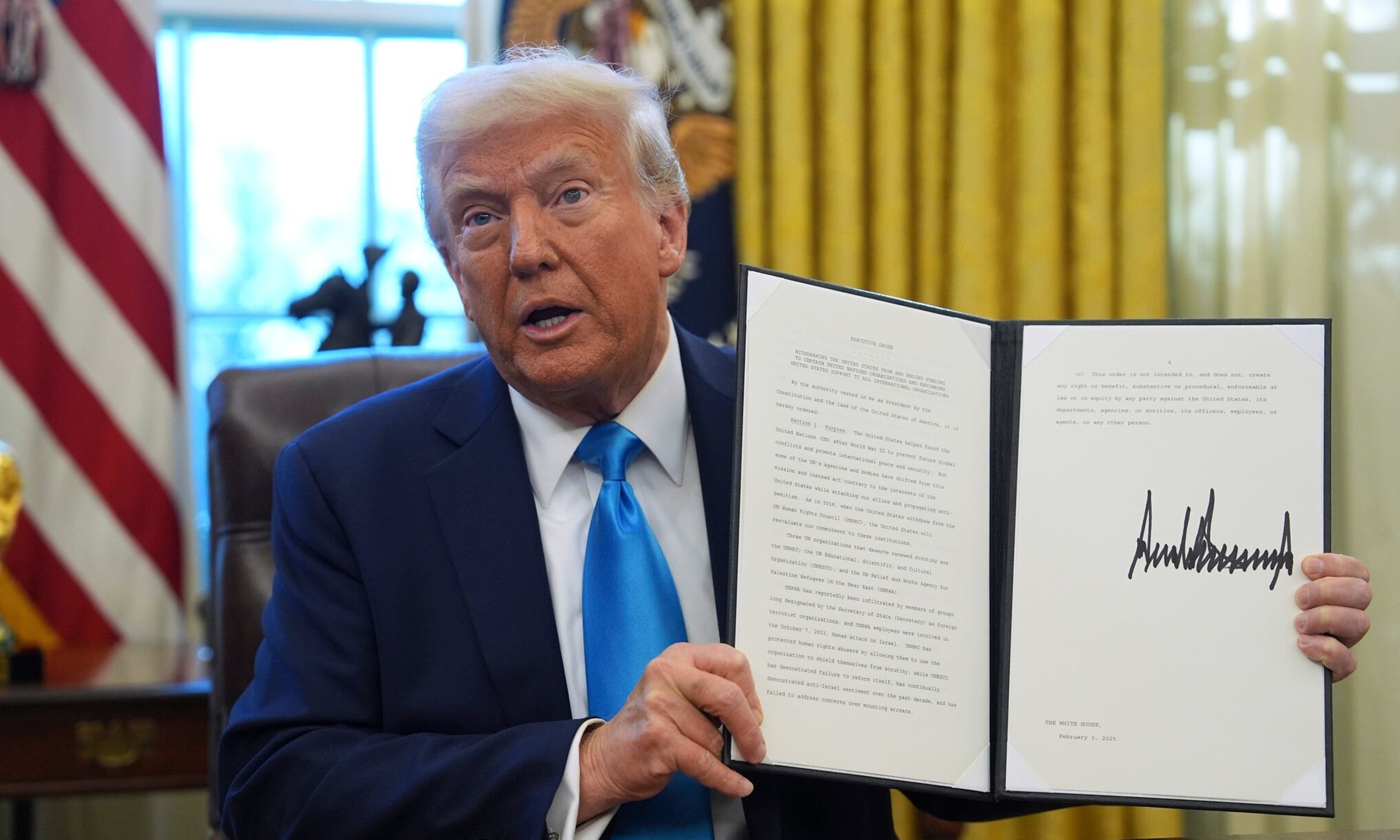
US President Donald Trump delivered news on 26/3 that brought a sense of relief to the international community. He announced that he had "postponed plans to destroy their power plants within 10 days, as of 8 p.m. on 6/4," at Iran's request, and that "dialogue is ongoing."
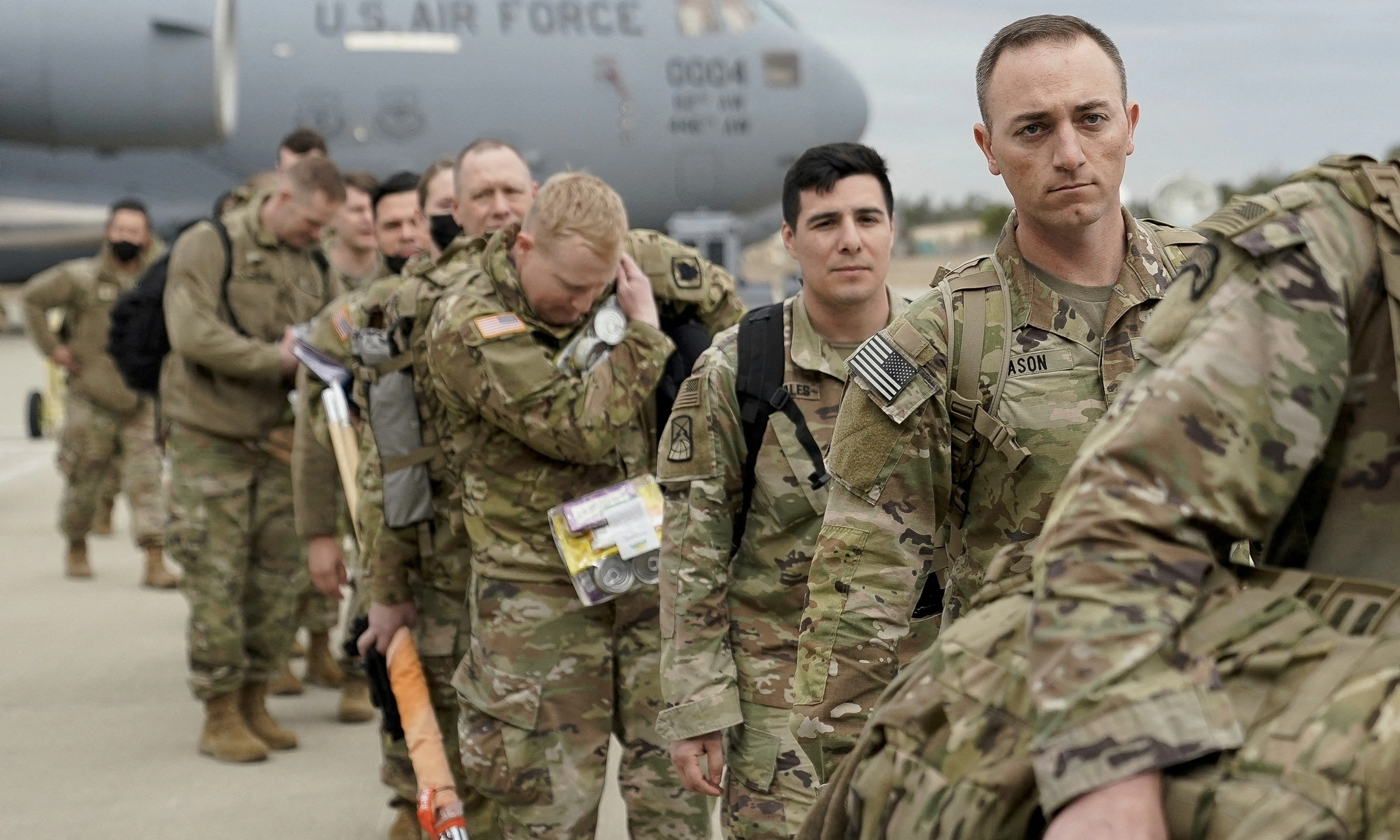
However, shortly after, the Wall Street Journal cited anonymous US Department of Defense officials stating that approximately 10,000 infantry and armored troops were being deployed to the Middle East to reinforce existing forces.
On 23/3, Trump also announced that the US and Iran had engaged in "very good and effective" exchanges to resolve tensions. On 24/3, he further declared that Iran had given the US a "very big gift" related to oil and gas, and Washington believed it was negotiating with "the right people."
A day later, the White House simultaneously urged Iran to accept a deal and threatened to "inflict severe blows" if Tehran refused, increasing ambiguity about Trump's true intentions.
Observers suggest that President Trump's recent messages indicate his growing interest in a way out of the conflict between the US, Israel, and Iran, which has lasted almost a month. However, his contradictory statements reveal that the US President faces two choices and remains uncertain which approach will be effective: further escalation or the pursuit of a peace agreement.
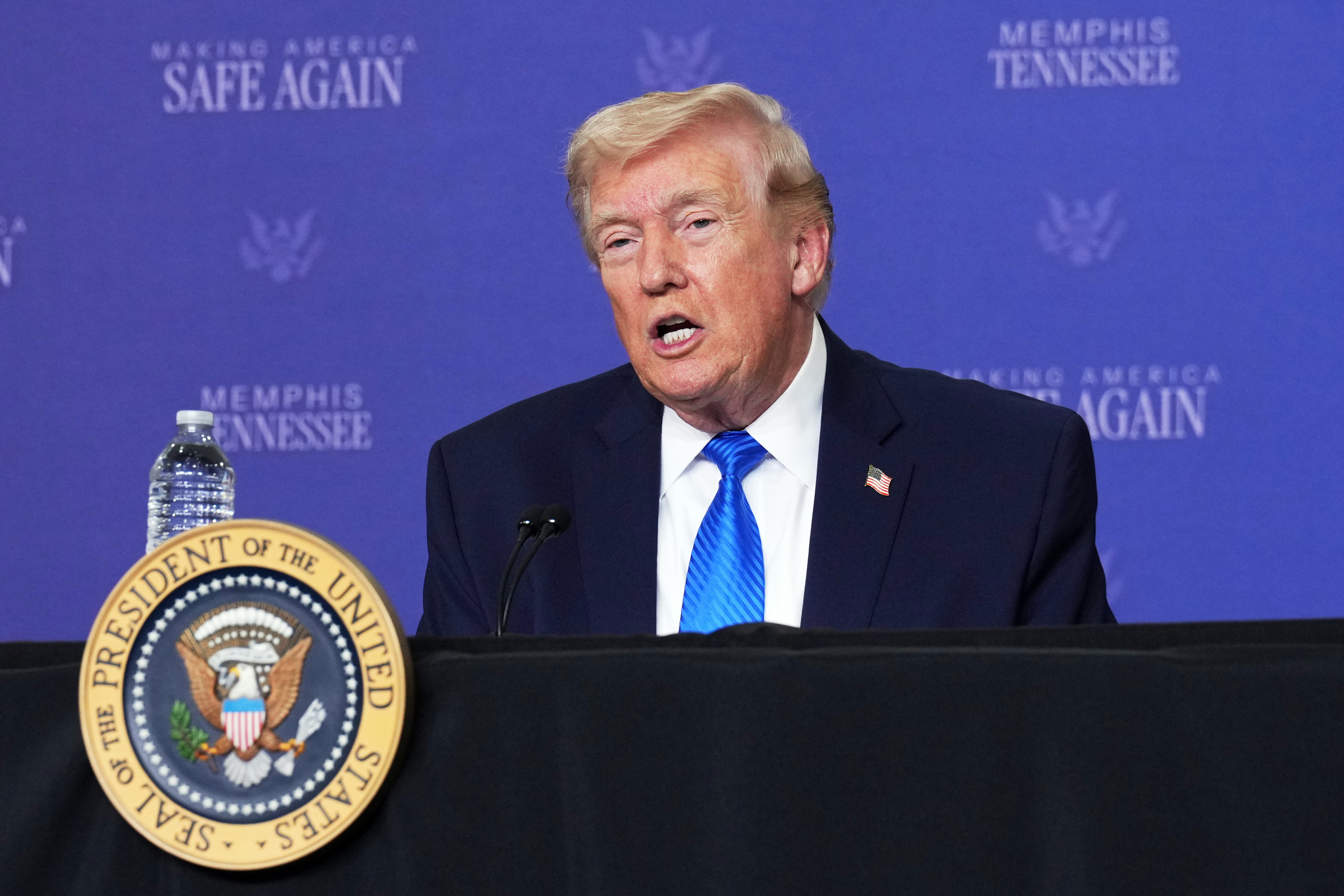 |
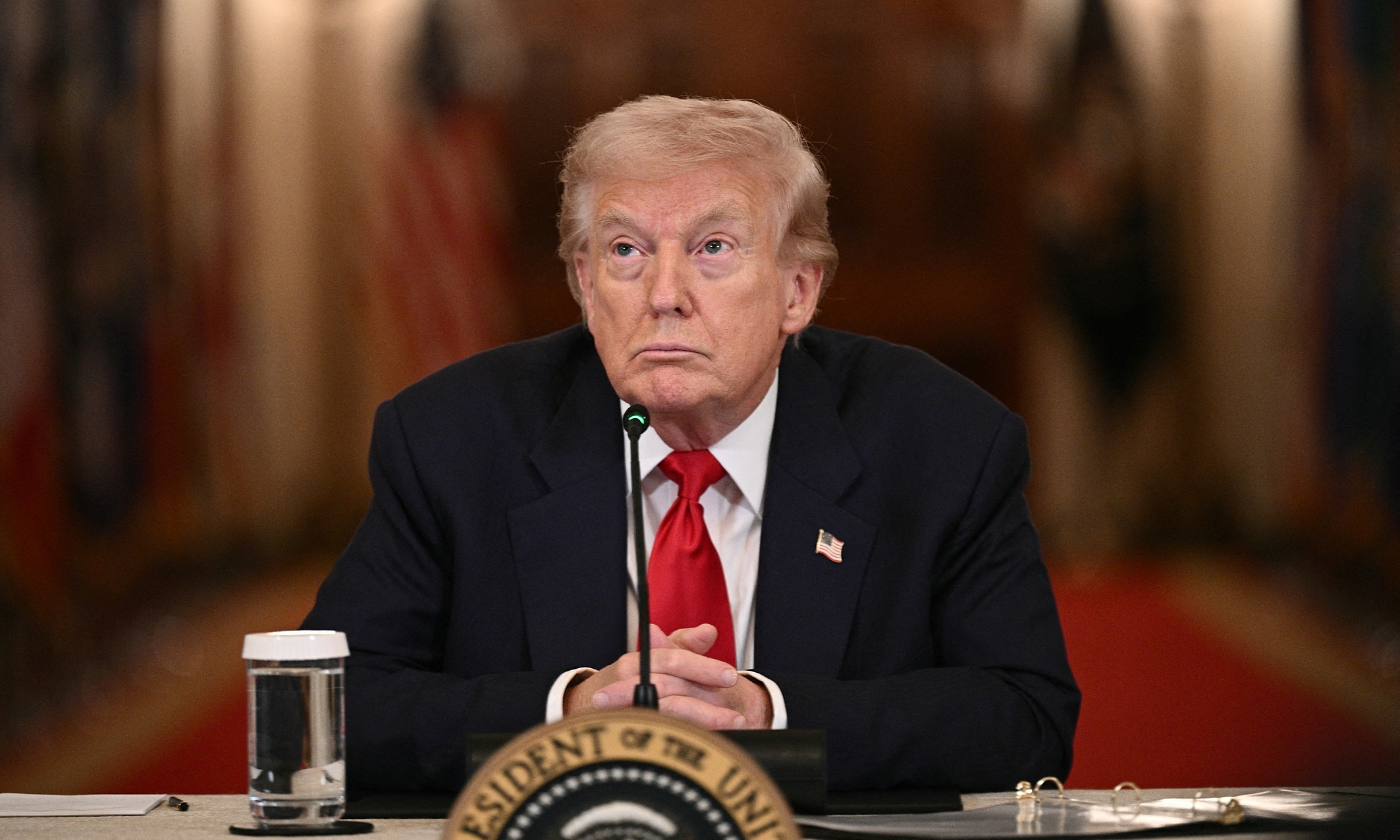
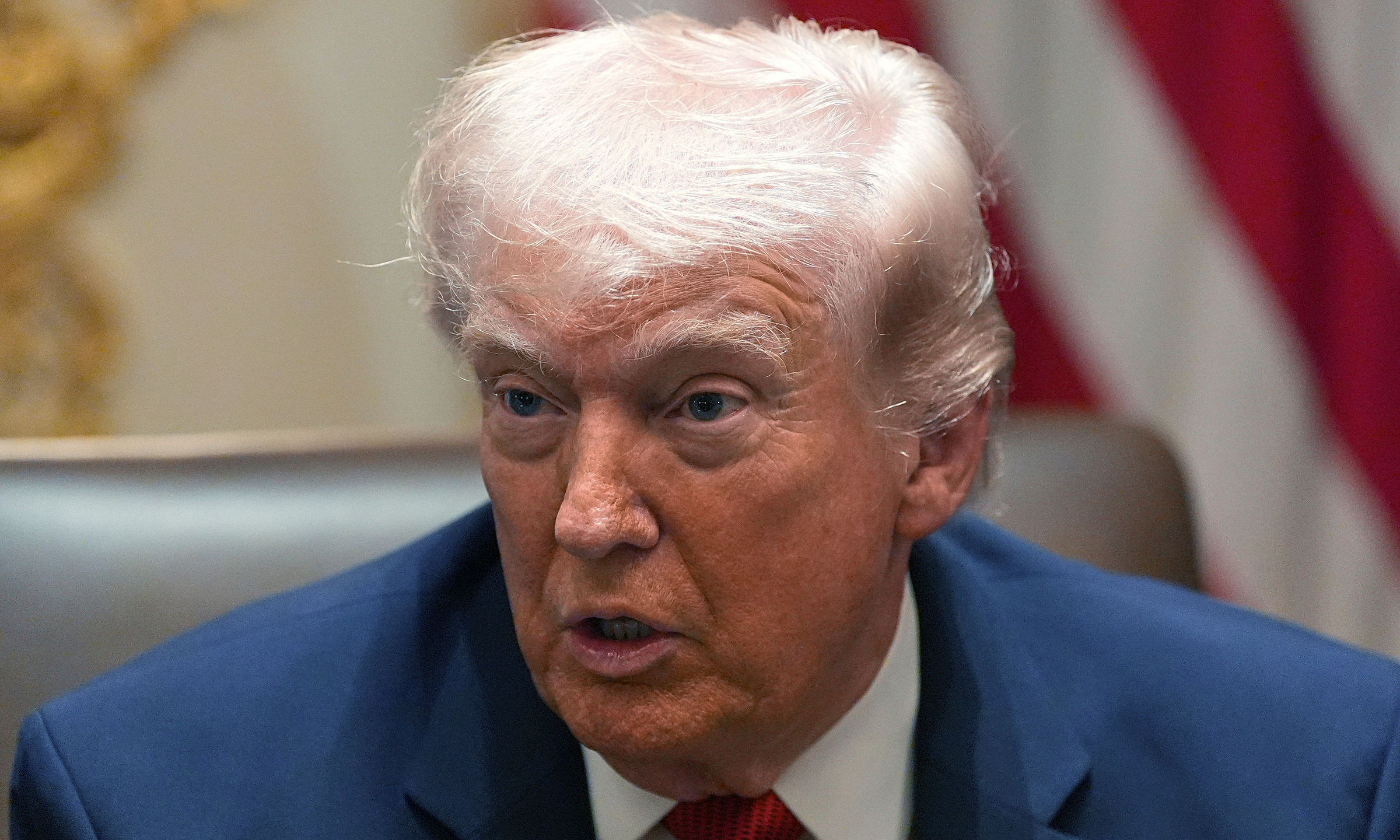
President Donald Trump speaks in Memphis, Tennessee on 23/3. Photo: AP |
Pushing for a ceasefire plan
Middle East envoy Steve Witkoff confirmed that Washington had conveyed a "list of actions" comprising 15 points to Tehran via Pakistani officials. Witkoff noted "strong indications" that Tehran was open to negotiations.
The US list addresses a range of issues, including easing sanctions, civilian nuclear cooperation, reducing Iran's nuclear program, International Atomic Energy Agency oversight, and demands for limits on Iran's missile program, as well as the movement of vessels through the Strait of Hormuz.
This proposal is considered similar to negotiation frameworks Witkoff and Jared Kushner, Trump's son-in-law, previously used in peace talks concerning Gaza and Ukraine. Those plans also featured specific points and adjustments as negotiations progressed. Witkoff and Kushner are reportedly leading the negotiation efforts with Iran.
When this list was leaked to the media, Middle East experts warned that such "maximalist" demands would be immediately rejected by Tehran. Iran is believed to remain wary of US mediation efforts, having been attacked two times during ongoing negotiations, in June 2025 and currently.
Reality unfolded as predicted. Hours after Pakistani officials delivered the US list to Iran, leaders in Tehran flatly rejected it, asserting that a ceasefire would only occur on Iran's terms and timeline.
"Iran will end the war when we decide and when our own conditions are met," state media quoted a senior Iranian official, describing the US proposals as "outrageous." Iran also declared no plans to reopen the Strait of Hormuz to Western vessels allied with the US.
The official also outlined Iran's five conditions for a ceasefire: a complete cessation of "aggressive acts and assassinations," the establishment of specific mechanisms to ensure the war against Iran does not recur, guaranteed war reparations and clear compensation for damages, an end to confrontation on all fronts, including with all of its proxy forces in the region, and assurance that Tehran can exercise sovereignty over the Strait of Hormuz, with its legal rights to the strait recognized.
Tehran's stance suggests it believes it controls the war's trajectory as much as, if not more than, Washington, despite President Trump's claims that the US has gained the upper hand.
Iran's response has raised questions about whether the two countries are genuinely engaged in serious diplomatic talks and how long Trump can persist on the diplomatic path, given the vast differences in their current demands.
Escalating the conflict
Reports of the US continuing to bolster ground forces in the Middle East have led analysts to fear that Trump might view the military option as a parallel path to diplomacy.
Pressure is mounting on Trump, as the US still lacks a solution to ensure the security of the Strait of Hormuz, through which 20% of the world's oil and gas supply passes. Iran has blockaded the area, threatening to attack vessels linked to the US, Israel, and their allies.
Instability in the Middle East and the paralyzed Strait of Hormuz have sent energy prices soaring. Trump's appeals to NATO allies and other partners to deploy forces to open the Strait of Hormuz have not yet yielded a viable solution.
"President Trump's problem is the Strait of Hormuz. If he leaves this area in Iran's hands, it will be very difficult to declare victory," remarked Stephen Hadley, national security advisor to President George W. Bush. This appears to be why Trump keeps the military option open.
The US had previously deployed two amphibious assault groups with approximately 4,500 marines to the Middle East. On 24/3, US media cited sources indicating that the Pentagon was preparing to send an additional 1,000 paratroopers from the 82nd Airborne Division to the Middle East in the coming days.
With these moves, about 15,500 US ground troops will be reinforced in the region near Iran this week or early next week. Military experts believe these forces will likely focus on reopening the Strait of Hormuz, with the most discussed scenario being a US landing to seize Kharg Island, Iran's primary oil export gateway.
Kharg Island spans 20 km2, located in the Persian Gulf, about 25 km off the Iranian coast and over 480 km from Hormuz. Facilities on Kharg can process 7 million barrels of oil daily, and about 90% of Iran's crude oil exports pass through the island.
With Iran's economy significantly dependent on energy exports, Kharg is a vital link for the nation. Therefore, controlling the island would provide Washington with substantial leverage to compel Tehran to open Hormuz.
"Deploying ground forces will give the US significant leverage and help us better control the Strait of Hormuz," said Miad Maleki, a former US Department of the Treasury official who oversaw sanctions enforcement on Iran's oil industry. However, he warned this "will increase risks for US soldiers, and that is the price to pay."
Jason Campbell, a US defense official during Trump's first term, argued that escalating the conflict by deploying ground forces further indicates Washington lacked a clear strategy from the outset. "It's like an improvised match, like 'I'll use whatever units I have now,'" Campbell said.
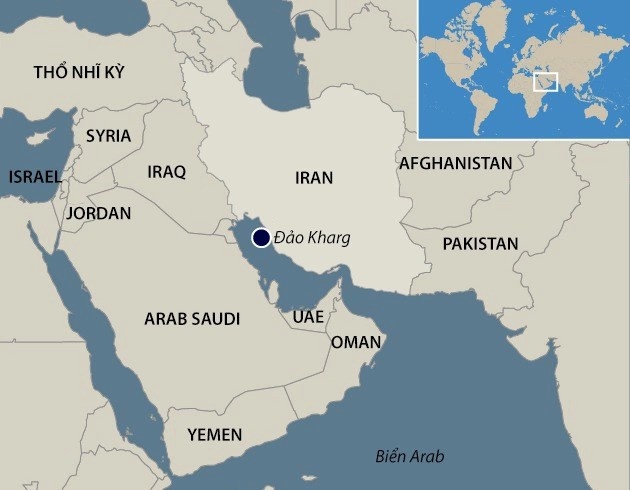 |
Location of Kharg Island. Graphic: CNBC |
The White House announced on 25/3 that the US was still negotiating with Iran, while also warning that Trump was ready to strike forcefully if the two sides failed to reach an agreement. The comment once again highlighted the US President's "two parallel paths" approach.
At a cabinet meeting on 26/3, Trump continued to be vague about his intentions. The President stated that US-Iran negotiations had made significant progress, adding that controlling Iran's oil industry remained an option, but he would not mention it.
"We will see if they are ready to make a deal. If not, we will become their worst nightmare. For now, we will continue to attack without any hindrance," Trump said. "No one can stop us. They are completely helpless. If they had the ability to retaliate, they would have already done so."
Nhu Tam (According to BBC, AFP, Reuters)