On 6/8, US president Donald Trump signed two narrowly focused executive orders aimed at limiting birthright citizenship. This move continues to challenge the long-held interpretation of a clause in the US Constitution, following the Supreme Court's rejection of his previous attempts.
Restricting US birthright citizenship is a top priority in Trump's immigration enforcement agenda. The White House specifically targets "birth tourism," which they describe as pregnant women from abroad traveling to the US to give birth, ensuring their children automatically receive US citizenship.
"They have made a mockery of birthright citizenship," Trump told reporters at the White House. "We are making adjustments because the previous Supreme Court decision was very unjust. Some have even built business models around this. It is shameful. They are using money to buy their way into the United States, and we will not allow that to continue."
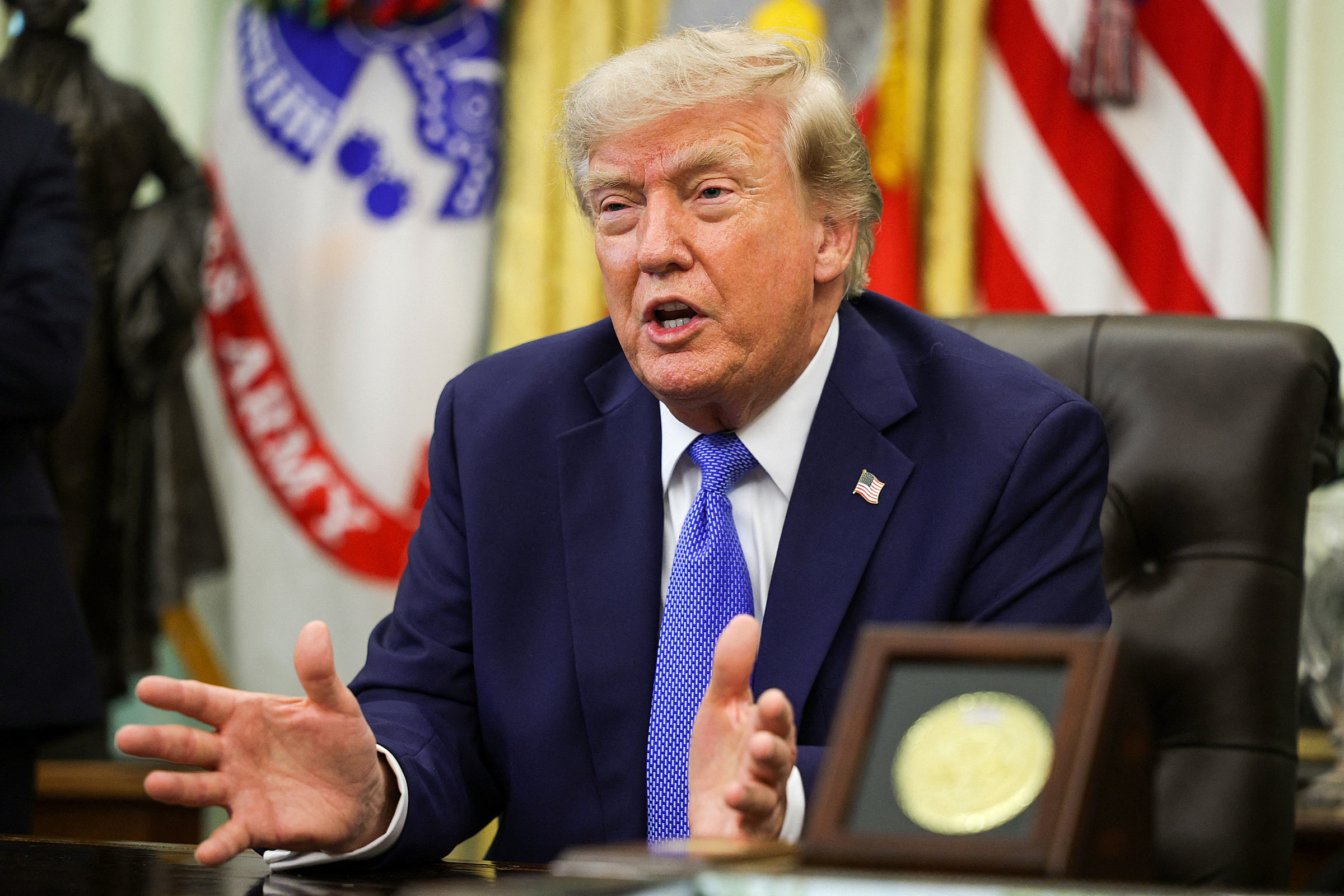 |
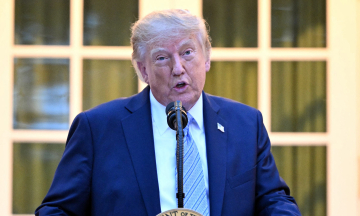
US president Donald Trump at the White House on 6/8. *Photo: AFP*
Stephen Miller, one of president Trump's closest advisors, stated that the new orders also aim to deny birthright citizenship to other groups. These include children of members of organizations the US considers foreign terrorist groups, as well as "many lobbyists and individuals operating on behalf of foreign governments."
According to Miller, the executive orders will ensure that a "large number of individuals who could improperly claim birthright citizenship" will no longer qualify for this benefit. "From the moment this order is signed, birth tourism is officially prohibited," advisor Miller emphasized. "This means no one in the world will be issued a visa for this fraudulent purpose."
Trump's new executive orders are expected to face continued legal challenges in court.
On the first day of his second term, Trump signed an executive order stipulating that the federal government would not issue passports, certificates of nationality, or other documents to children whose mothers were in the US illegally or temporarily, and whose fathers were not US citizens or permanent residents.
Lower courts blocked this action, asserting that nearly everyone born on US territory is a US citizen under the 14th Amendment's Citizenship Clause. In June, the Supreme Court blocked the US president's executive order, upholding the provision that nearly everyone born on US territory has the right to US citizenship.
Following the court's ruling, Trump called on the US Congress to act. However, instead of awaiting legislative action, he chose to issue new executive orders. Unlike laws passed by Congress, executive orders direct how government policy is implemented and are subject to judicial review for their legality.
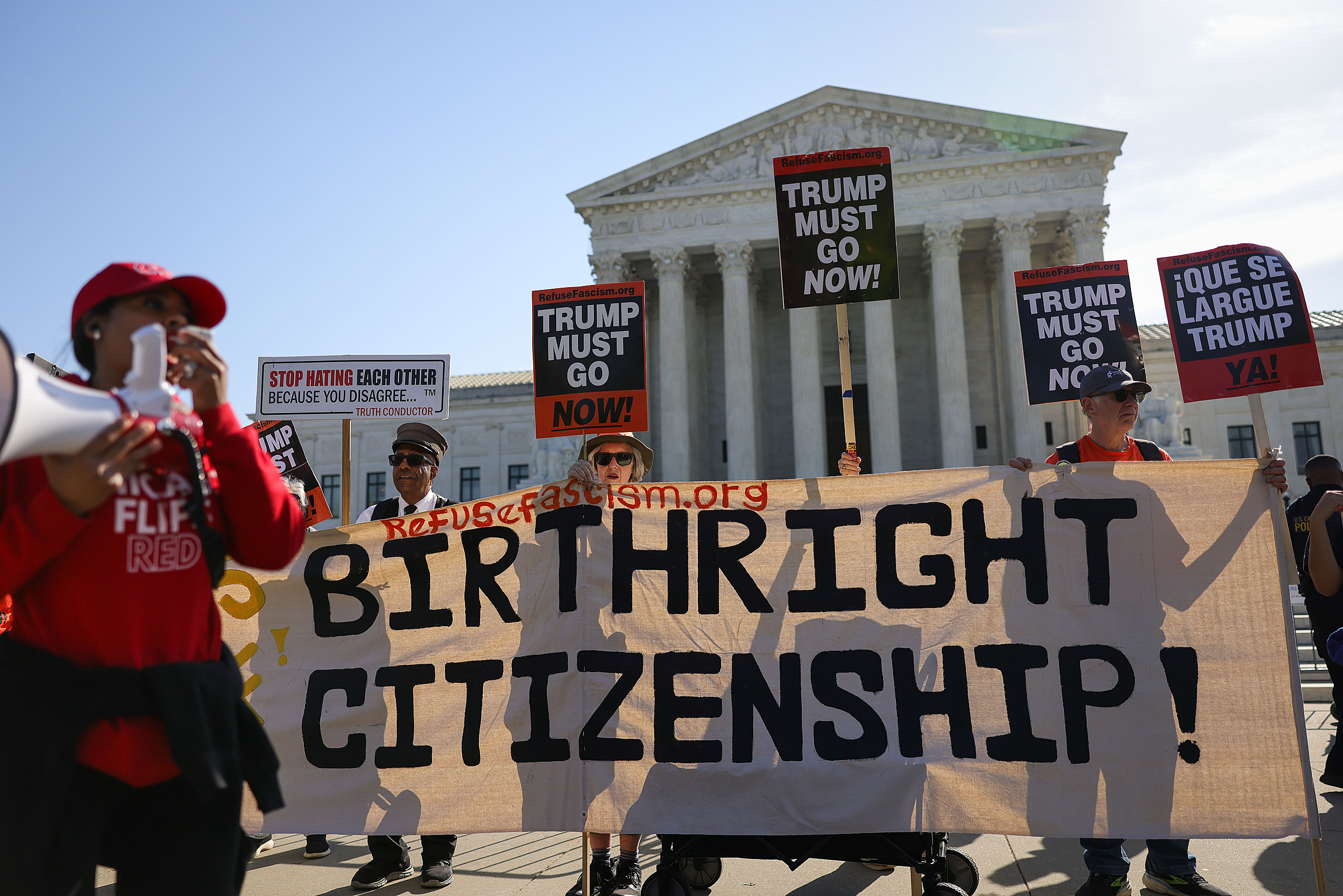 |
A march supporting birthright citizenship outside the US Supreme Court in Washington D.C. in April. *Photo: Reuters*
An analysis by the Center for Immigration Studies (CIS) revealed that between 2016 and 2017, approximately 20,000 to 25,000 women arrived in the country annually to give birth.
The 14th Amendment, ratified by the US Congress in 1868, explicitly states: "All persons born or naturalized in the United States and subject to the jurisdiction thereof, are citizens of the United States and of the State wherein they reside." This policy aimed to ensure that the children of enslaved individuals, brought to the US against their will, would be recognized as US citizens.
This right has since been applied to every child born in the US, regardless of whether their parents are undocumented immigrants or entered the country on tourist or student visas. The provision does not apply to individuals not subject to US jurisdiction, such as children of foreign diplomats.
Currently, no federal law completely prohibits "birth tourism." However, a regulation issued in 2020 during Trump's first term banned the use of tourist or short-term business visas if the primary purpose was to give birth in the US for the child to acquire citizenship. Consular officers have the authority to deny a visa if they believe the applicant's main intention is to travel to the US for childbirth.
Individuals involved in "birth tourism" schemes may face prosecution for fraud or related offenses.
By Huyen Le (According to AFP, Reuters)