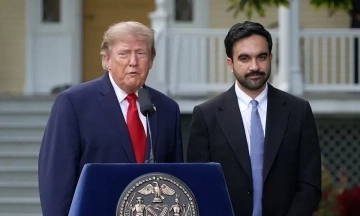
"This is their last chance to sign a good document," US President Donald Trump told reporters at the White House on August 3, stressing that talks with Iran are progressing. "I want to give them one more chance before delivering a decisive blow."
President Trump indicated that the current diplomatic efforts are proceeding at the suggestion of Saudi Arabia, the United Arab Emirates, Qatar, and other nations. He predicted that negotiations would "progress rapidly," potentially allowing maritime activity through the Strait of Hormuz to be fully restored by August 4.
"This is not overly complicated," Trump said, referring to this as "phase one" of the agreement.
According to President Trump, "phase two" involves Iran's denuclearization, which he acknowledged would "take some more time." Both objectives are part of a joint memorandum signed by the US and Iran in June.
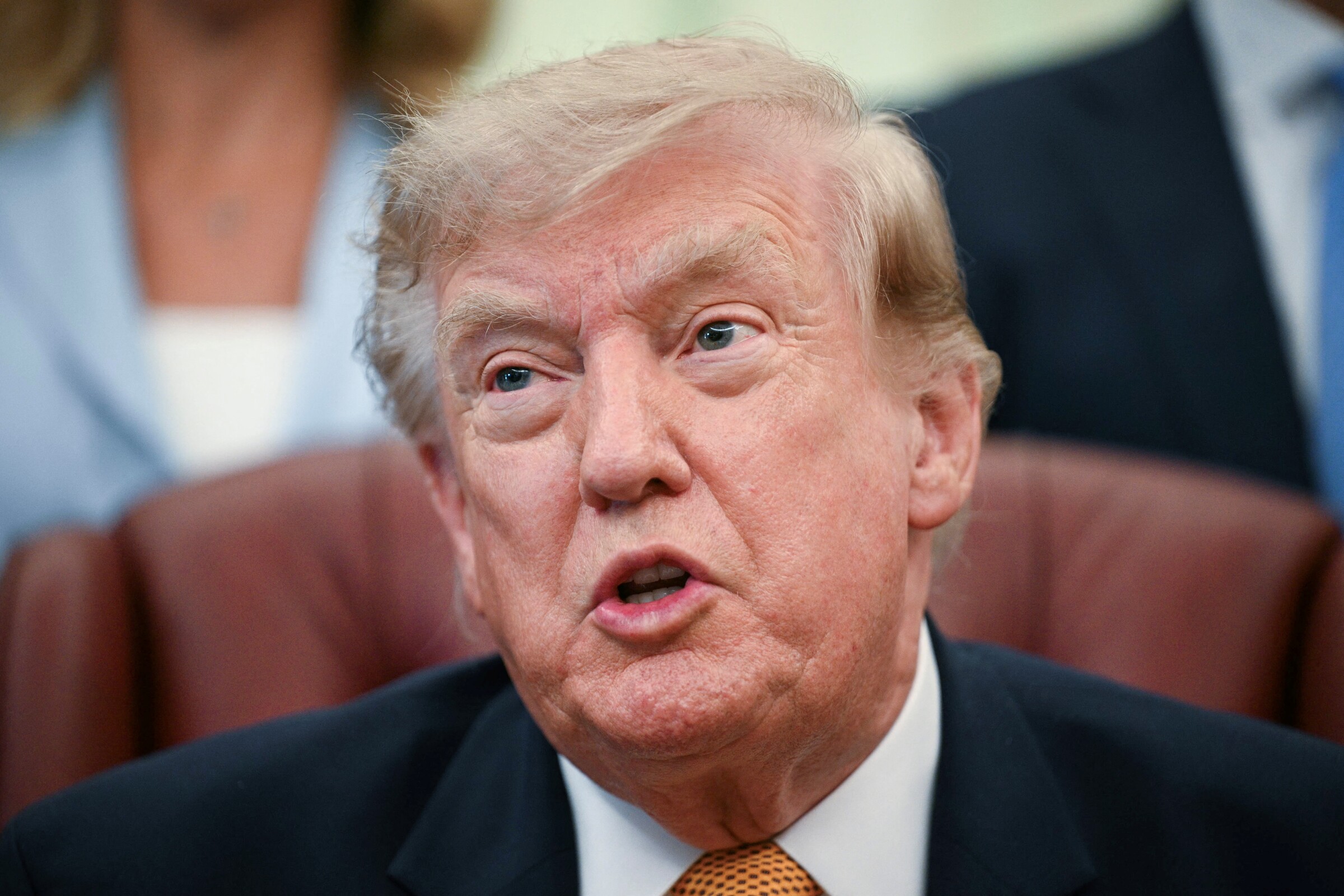 |
US President Donald Trump speaking at the White House on August 3. Photo: AFP |
US President Donald Trump speaking at the White House on August 3. Photo: AFP
Iran had previously denied reports of ongoing negotiations with the US.
"Our discussions are with Oman to ensure transit rights through the Strait of Hormuz," Esmaeil Baqaei, Iran's Foreign Ministry spokesperson, stated at a weekly press conference on August 3. He added that Iran and Oman had discussed the matter "over the past seven to eight days," focusing on establishing a temporary safe passage through the Strait of Hormuz, and both sides made some progress.
President Trump responded with a lengthy social media post, criticizing Iranian leaders as "incredibly dishonest" for allegedly proposing talks with the US, only to renege and claim they were only discussing Hormuz with Oman.
He declared that the US Navy would continue to enforce a blockade on Iranian ports until the two sides reach an agreement or Tehran surrenders.
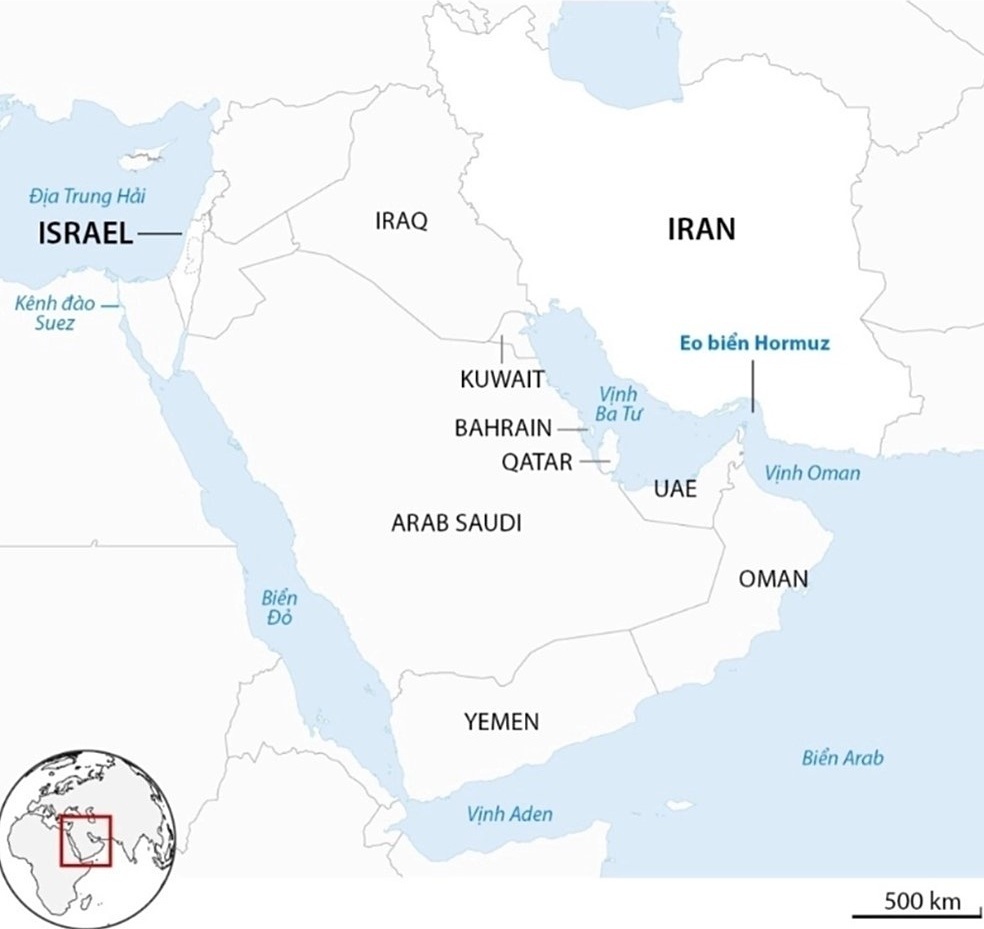 |
Location of the Strait of Hormuz. Graphics: Guardian |
Location of the Strait of Hormuz. Graphics: Guardian
On the evening of August 1, President Trump announced that the US military was "ready to fire" to prepare for an unprecedented attack on Iran. However, he added that Tehran and some parties in the Middle East asked Washington to postpone the attack to allow more time to achieve a "complete agreement."
"If there's a chance to save many lives, I will take that opportunity. I am under no time pressure," he added.
Iranian media on August 2 rejected Trump's statement, asserting that the US President himself must back down.
Jason Campbell, a researcher at the Middle East Institute, noted that it is difficult to ascertain President Trump's true objective and clarify what he referred to as "a good document."
"Is it to restore the signed memorandum or merely an agreement to resume operations through the Strait of Hormuz in exchange for lifting the naval blockade?" Campbell questioned. According to the expert, the White House appears to still view the threat of force or airstrikes as a tool to exert pressure for strategic objectives.
By Nhu Tam (According to AFP, CNN, Al Jazeera)