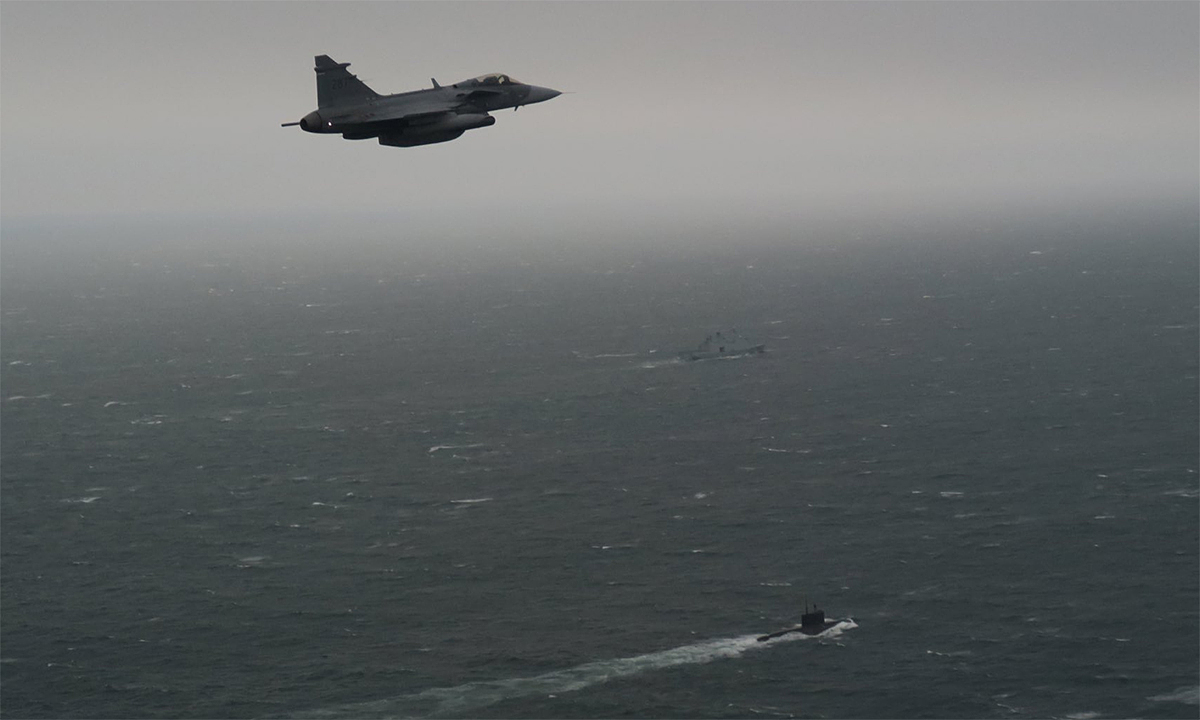
The British military and its allies tracked three Russian submarines for over one month as they operated in the exclusive economic zone north of the UK. These submarines were observed near critical underwater cables and pipelines in the Atlantic Ocean, according to UK Defense Secretary John Healey. He revealed today that one Project 971 attack submarine was deployed to divert attention from two submarines belonging to Russia's Main Directorate of Deep Sea Research (GUGI).
Healey emphasized that the Russian submarines did not enter UK territorial waters. However, their presence in the exclusive economic zone prompted British warships to deploy sonobuoys. This action, Healey explained, "made the Russian submarines understand that they were being tracked and their activities were no longer secret." He added that this helped reduce the risk of damage to subsea infrastructure. Following the UK's actions, the Russian submarines left the area and moved north.
GUGI is among the most secretive agencies within the Russian Ministry of Defense. It is reportedly equipped with vehicles capable of diving to 6,000 meters. The agency also operates the Project 09852 Belgorod submarine, which can deploy mini-submarines and Poseidon nuclear torpedoes.
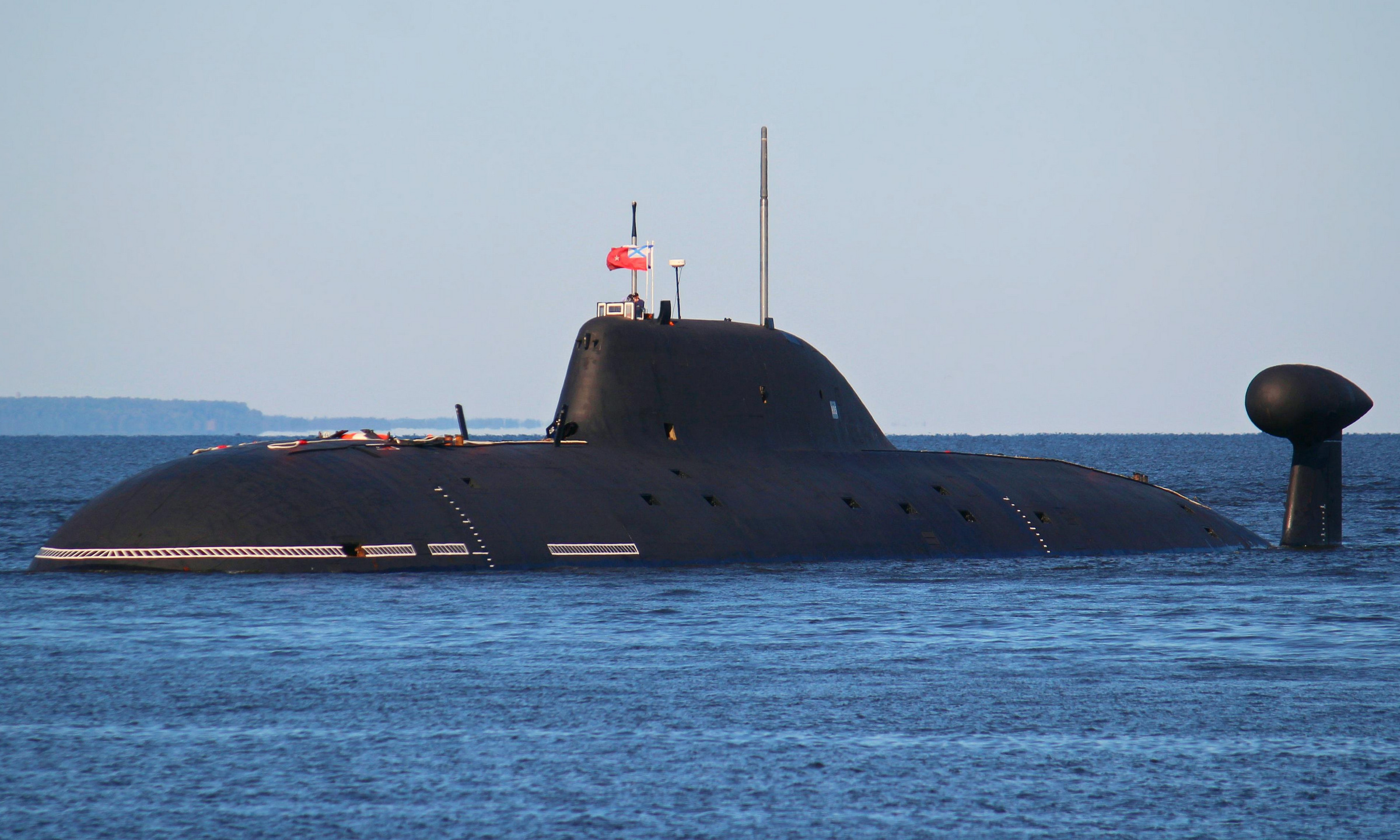 |
Russian Navy's Project 971 Vepr attack submarine. Photo: RIA Novosti |
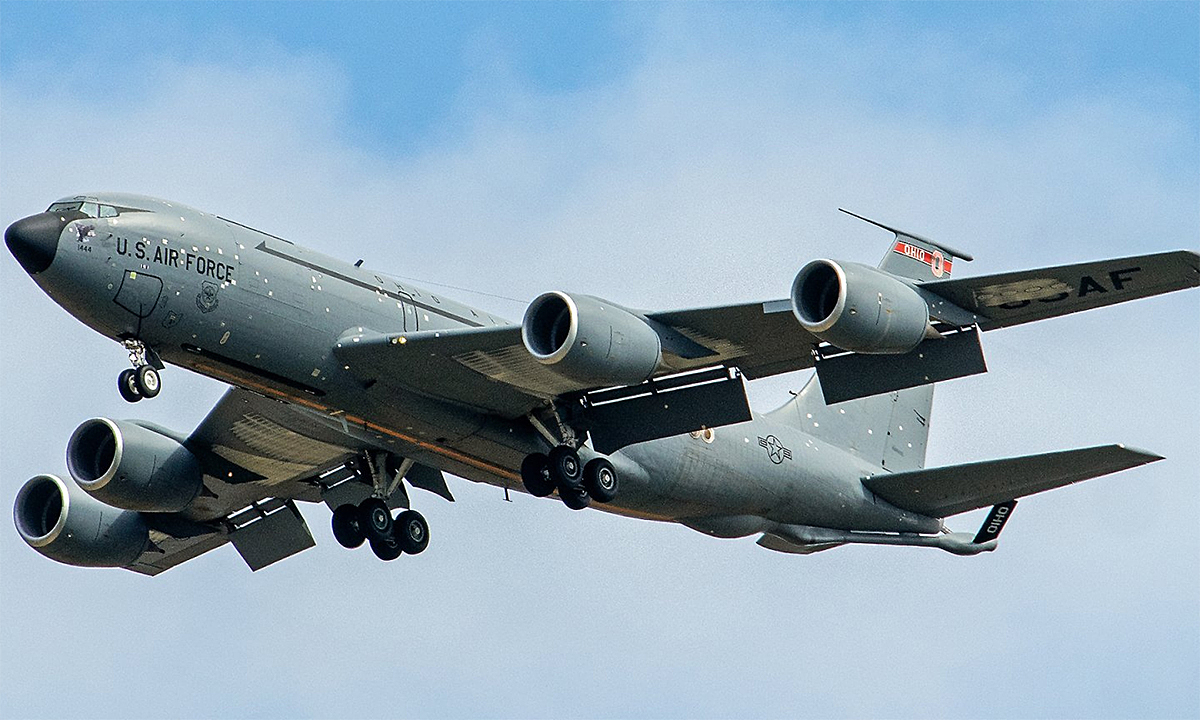
On the same day, Norway's Ministry of Defense announced its participation in a joint operation with the UK in recent weeks. Norway deployed one frigate and a P-8A Poseidon maritime patrol aircraft to "deter Russian submarines."
This joint effort underscores heightened tensions between the UK and Russia, with relations reportedly at an all-time low. Moscow views London as particularly hostile. Russian officials have previously asserted Russia's "right to cut opponents' subsea fiber optic cables," following accusations that the West was complicit in destroying the Nord Stream pipeline.
The UK and Norway formalized their cooperation in 12/2025 by signing a defense treaty. This agreement established a joint fleet dedicated to tracking Russian submarines in the North Atlantic and protecting subsea infrastructure. The fleet comprises 13 anti-submarine warships, with 5 contributed by Norway.
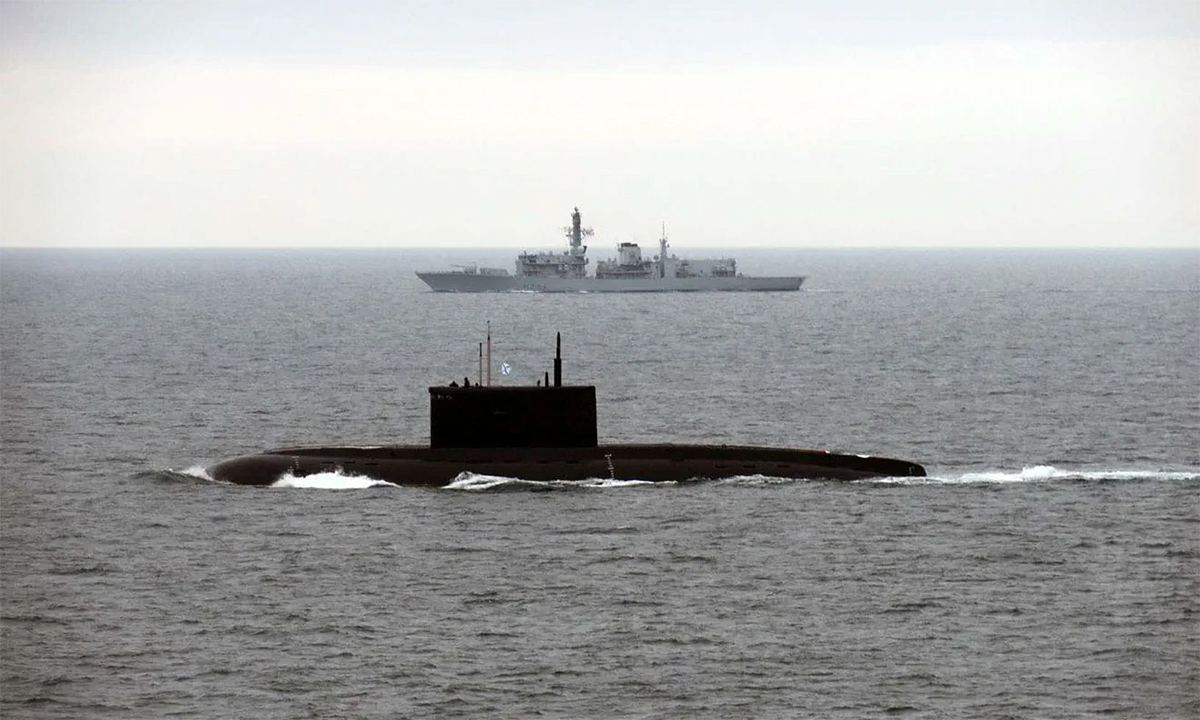 |
British warship trailing a Russian submarine through the English Channel in 12/2024. Photo: UK Ministry of Defense |
The UK relies heavily on its subsea infrastructure for data transmission and the supply of oil and gas through pipelines. The UK National Security Strategy Committee warned in 9/2025 that attacks on these critical systems could cause "catastrophic disruption" to the nation's financial and telecommunications networks.
Defense Secretary Healey also affirmed that this operation highlighted that deploying a majority of the British naval force to the Middle East does not serve national interests. He stated that the UK Navy will increase its efforts to protect subsea infrastructure.
The Russian Ministry of Defense has not commented on the information.
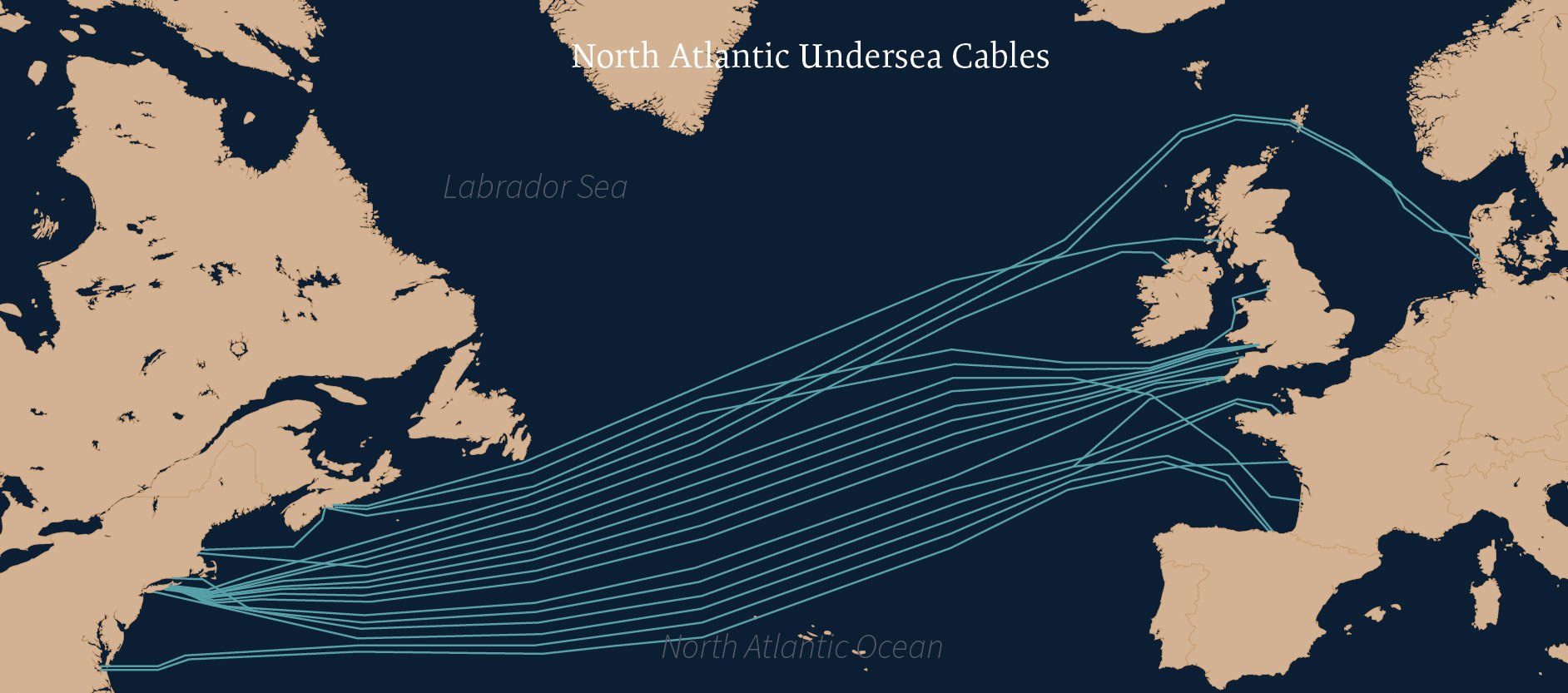 |
Subsea cable network connecting the US and Europe via the North Atlantic. Graphic: CSIS |
Nguyen Tien (According to AFP, AP, Reuters, Telegraph)