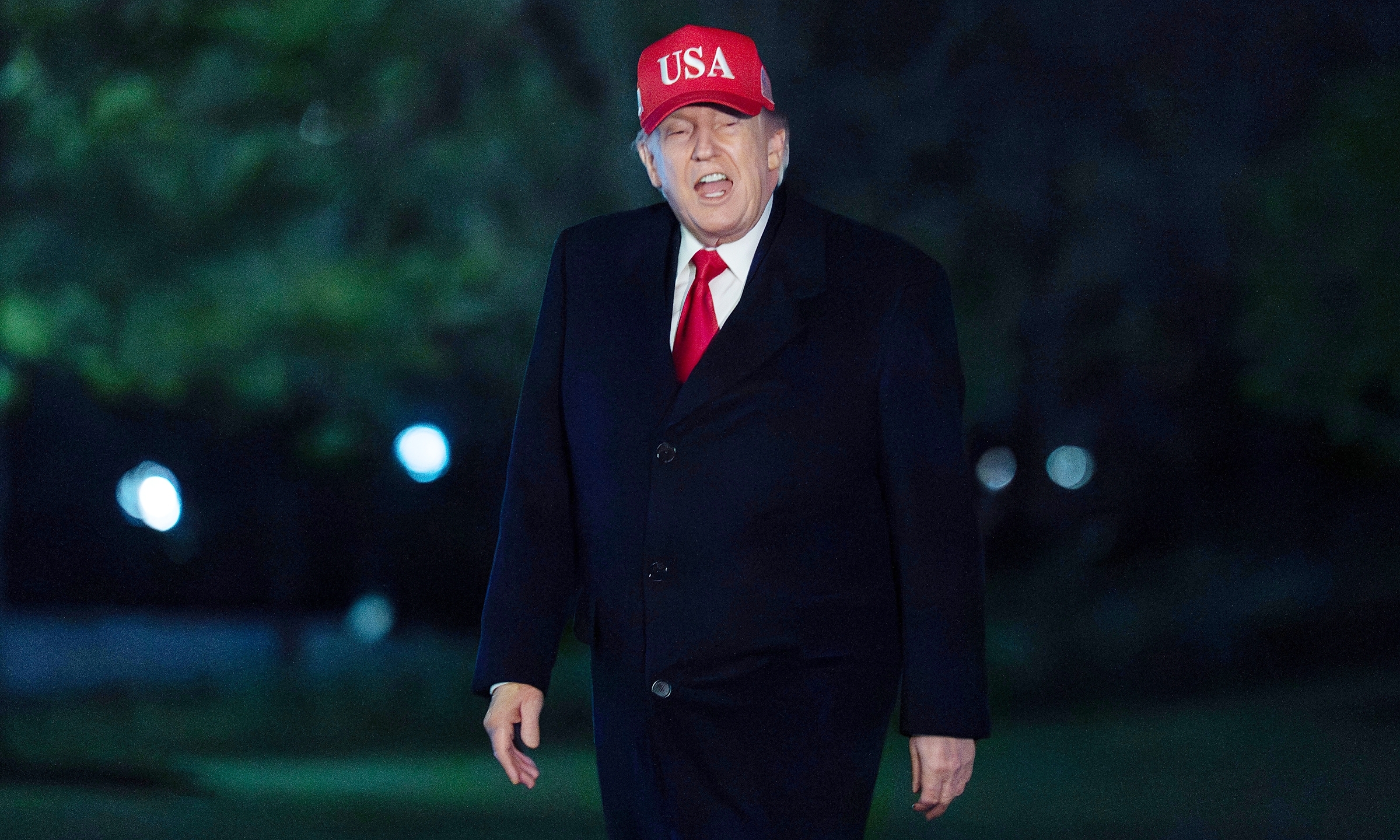
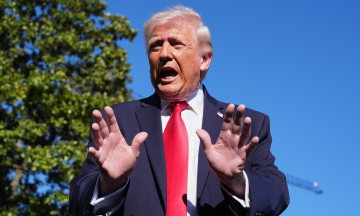
U.S. President Donald Trump indicated on 12/4 that gas prices could remain high, or even slightly increase, staying generally around current levels. His remarks came in response to a question from FOX News reporter Maria Bartiromo about whether U.S. gas prices might decrease before the congressional midterm elections in November.
Trump also commented on the Iran conflict, asserting it "will not last longer." "They have been wiped out, Maria," he added.
This marks a rare admission by the U.S. President that gas prices may not cool down, coming six weeks after he ordered strikes on Iran. The conflict has disrupted global energy markets, causing world oil prices to surge by about 50% and impacting U.S. gas prices, even though the country does not import oil via the Strait of Hormuz. Trump had previously stated multiple times that gas prices would quickly "plummet" once the Iran conflict ended.
According to GasBuddy data, the average price of regular gasoline at U.S. stations exceeded 4 USD per gallon (3,78 liters) for most of April. In February, before the Iran conflict erupted, average U.S. gas prices fluctuated below the 3 USD per gallon mark and had not surpassed 3,25 USD for the past year.
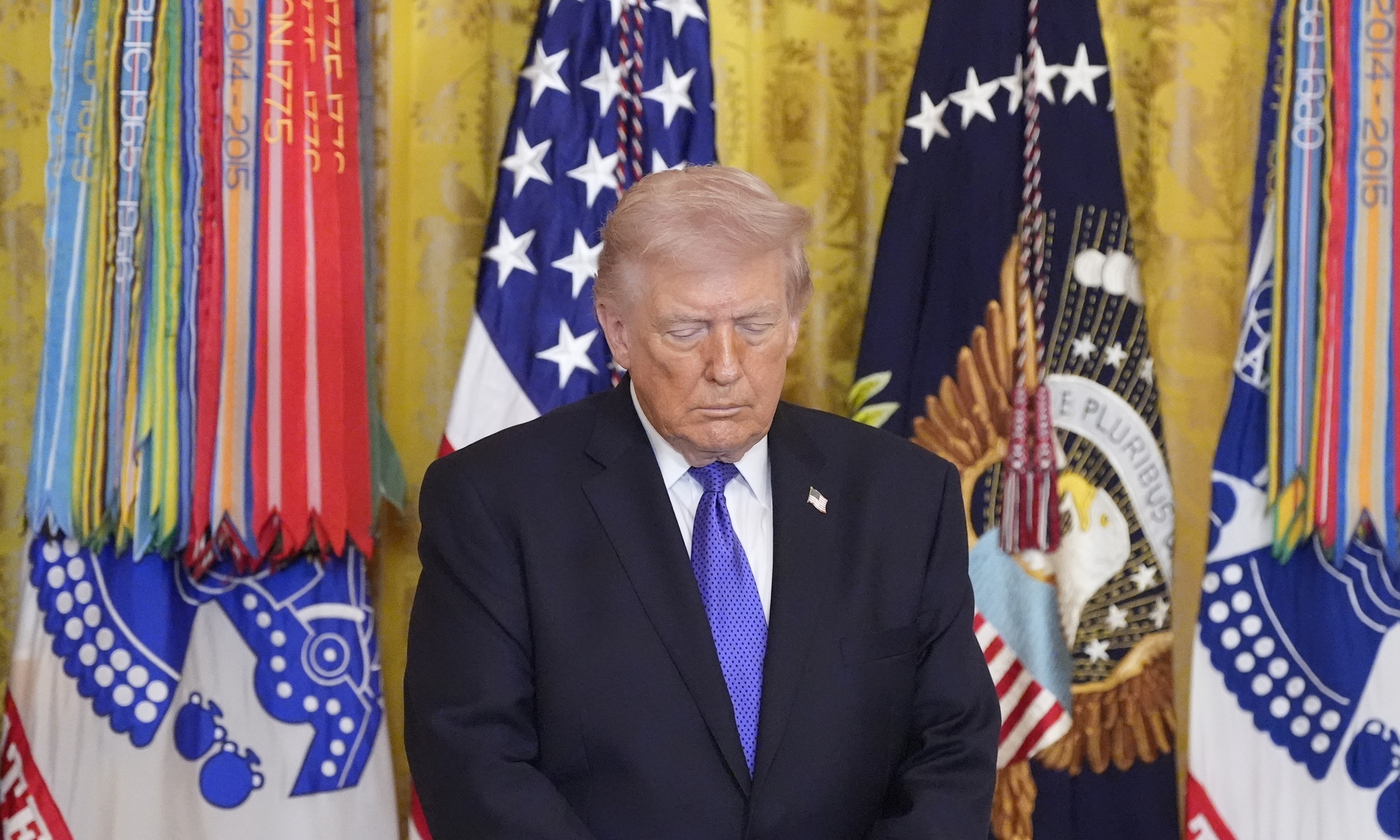 |
U.S. President Donald Trump at a White House ceremony on 2/3. *Photo: AP* |
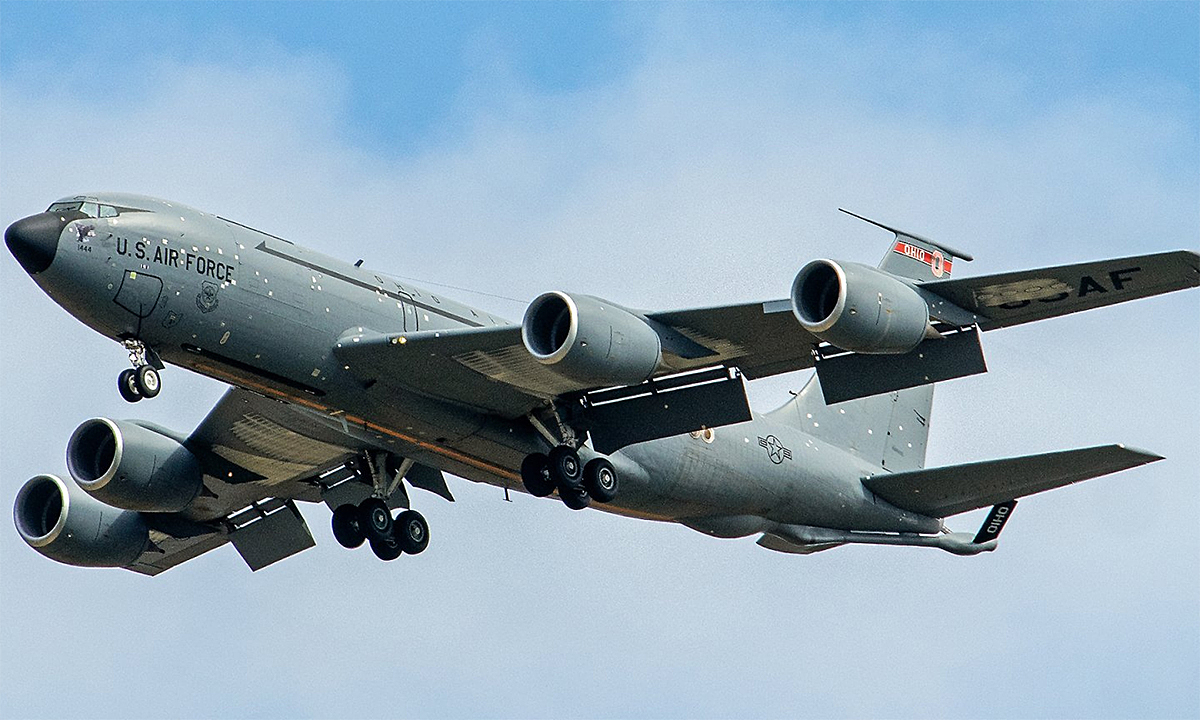
Earlier on the same day, President Trump announced an order for the U.S. Navy to blockade the Strait of Hormuz, following the conclusion of U.S.-Iran negotiations in Pakistan without an agreement.
Central Command (CENTCOM), the agency responsible for U.S. operations in the Middle East, later announced it would only block ships traveling to and from Iranian ports. For vessels from other countries entering and exiting the area, the blockade would be enforced "fairly."
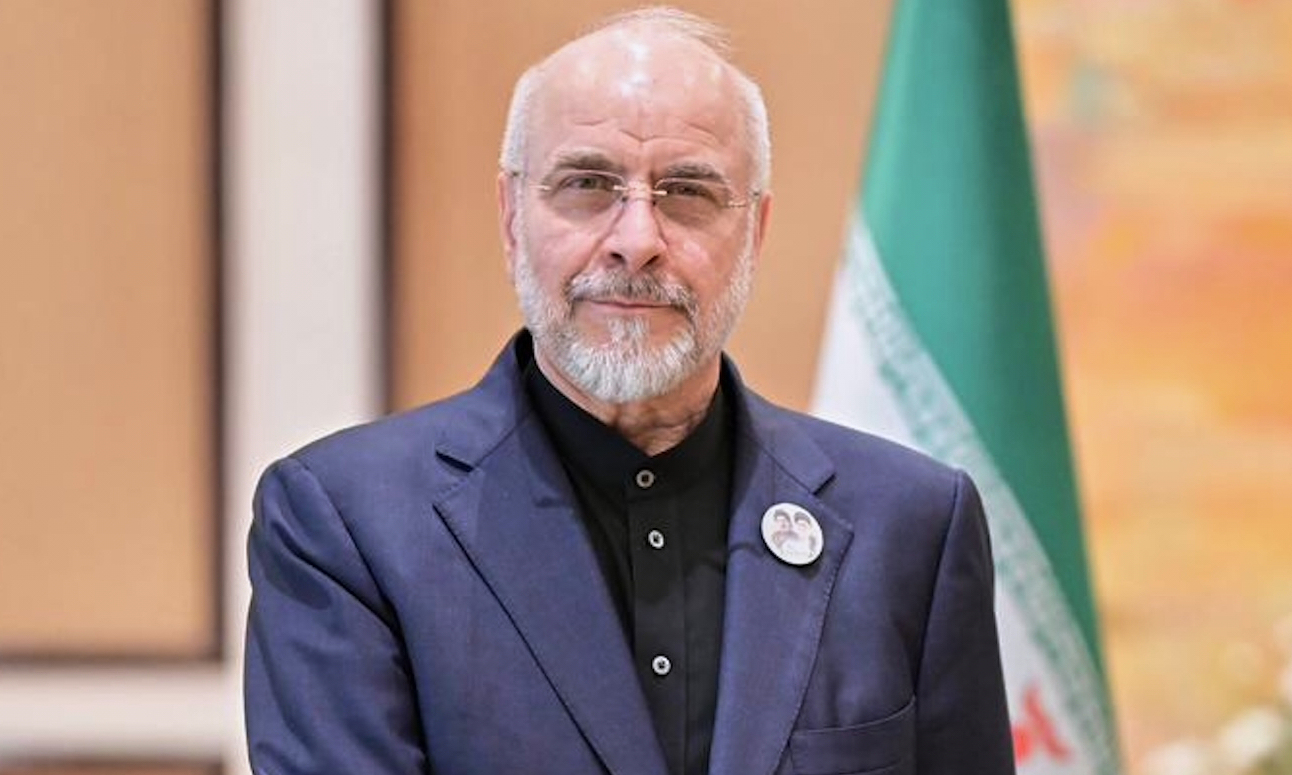
Chairman of the Iranian Parliament Mohammad Baqer Qalibaf, who led Tehran's negotiating delegation, later criticized the blockade, arguing it would drive U.S. gas prices even higher.
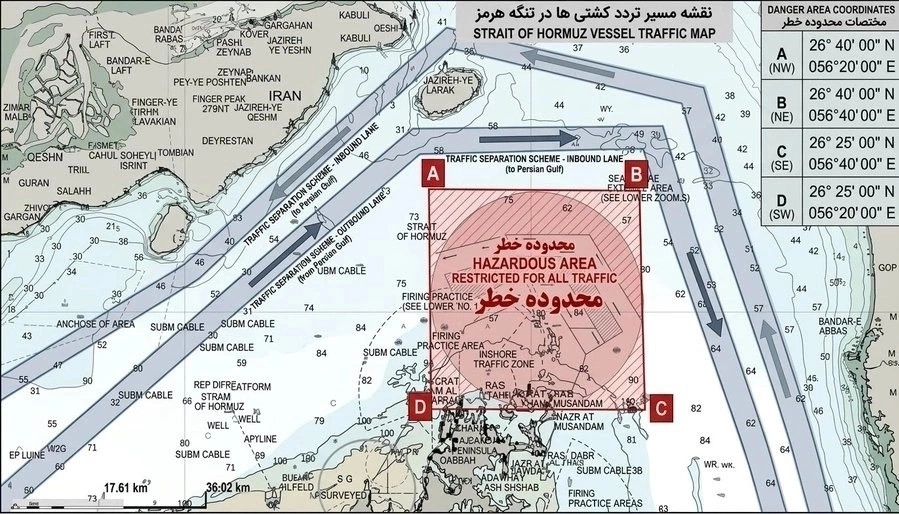 |
Movement routes (gray) and dangerous areas, suspected of containing naval mines (red) in the Strait of Hormuz, as announced by Iran on 9/4. *Photo: IRGC* |
"Enjoy the current prices at the pump," Qalibaf wrote on X, attaching a map of gas prices in Washington. "With this so-called 'blockade,' you will soon miss the days when gas was 4-5 USD/gallon."
Rising gas prices contributed to inflation in the U.S., which had increased by 3,3% in March compared to the same period last year. According to a Pew survey, high gas prices are the consequence of the conflict that Americans are most concerned about. About 69% of Americans polled by Pew in late March responded that they were concerned about gas prices, with 45% extremely concerned.
Duc Trung (According to Reuters, USA Today, NY Times)