On 2/9, a senior Ukrainian air force commander told US news outlet Newsmax that the force is conserving its limited air-to-air missile reserves. This severe depletion means Ukrainian F-16 pilots are restricted to daytime missions, primarily using 20 mm cannons to engage Russian cruise missiles and unmanned aerial vehicles (UAVs). The air force command is also closely monitoring missile aid shipments "minute by minute" as they cross borders, with the primary concern being whether these weapons will arrive before Russia launches large-scale attacks.
Phantom, commander of Ukraine's 107th Independent Air Wing, confirmed the critical situation. When asked about a severe F-16 missile shortage, he stated, "Every aircraft is useless without weapons. The top priority target is Russian cruise missiles, and we also focus on countering UAVs." This aligns with remarks made last month by Ukrainian air force command spokesperson Yuri Ignat, who acknowledged a shortage of various interceptor weapons and fighter jet missiles, beyond just Patriot ammunition issues, though he did not specifically mention the F-16 fleet at that time.
Images released by the Ukrainian air force in late 2025 further illustrate the problem: F-16 fighter jets are equipped only with older AIM-9L/M short-range air-to-air missiles, produced in the 1970s-1980s. They no longer carry the most modern AIM-120B/C medium-range or AIM-9X ammunition supplied by the US during the initial phase of the conflict. This reliance on older technology indicates a significant reduction in capability.
Ukrainian pilots are resorting to desperate measures, including reusing "dud" missiles that failed in previous interceptions, hoping they will fire successfully after maintenance. The use of the 20 mm M61A1 rotary cannon also forces F-16s to approach targets at close range to ensure tracking and engagement. Western experts consider this approach wasteful of aircraft and life-threatening for pilots, as fighter jets risk damage from exploding UAV debris and friendly fire from ground-based air defense. Ukraine has lost several fighter jets, including at least 4 F-16s, while engaging Russian long-range UAVs.
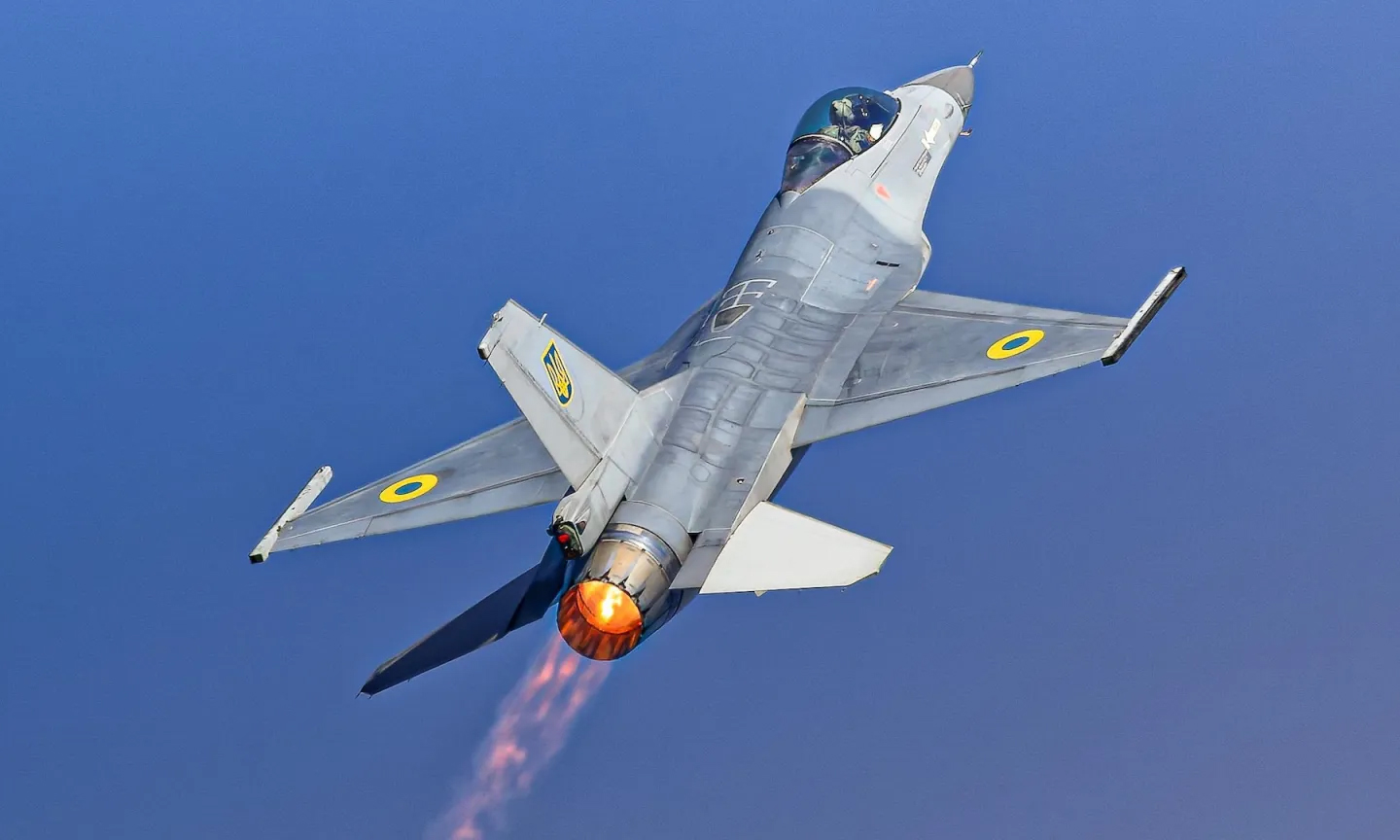 |
Ukrainian F-16 fighter jet in a photo released on 18/8. Photo: Ukrainian Air Force |
Another anti-UAV weapon Phantom did not mention is the Advanced Precision Kill Weapon System II (APKWS II), which consists of Hydra 70 rockets fitted with laser guidance kits. These are cheaper than traditional air-to-air missiles. Ukrainian F-16 fighter jets first deployed APKWS II in February, but the total number of rockets supplied by the US and current inventory levels are unknown. Phantom appealed to Western partners for more missile aid: "We need more defense assets, such as Patriot, AIM-9, and AIM-120 missiles. Simply delivering more aircraft is not enough; we need a stable, sustainable supply of weapons to maintain their combat effectiveness."
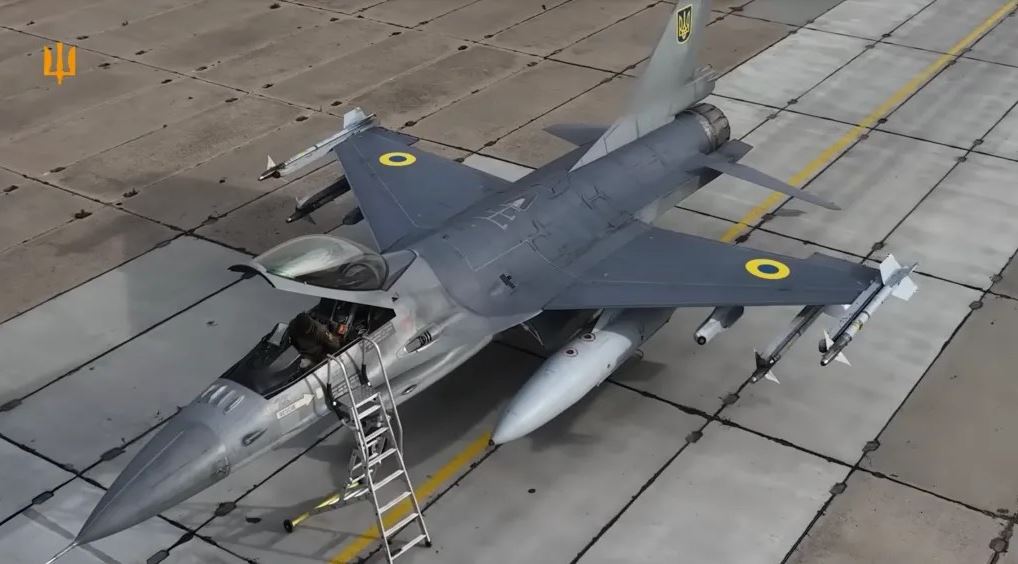 |
Ukrainian F-16 fighter jet with four AIM-9L/M short-range missiles on its wings. Photo: Ukrainian Air Force |
The missile depletion results from Ukraine expending large quantities of air defense weapons to counter Russia's extensive attacks. The country also faces competition from massive demand in the Middle East and globally, while current production cannot meet needs. Phantom emphasized the need for long-term solutions: "At a minimum, we need to increase missile production and allow Ukraine to localize the manufacturing process for domestic production or in other European countries."
Nguyen Tien (According to War Zone, AFP, Newsmax)