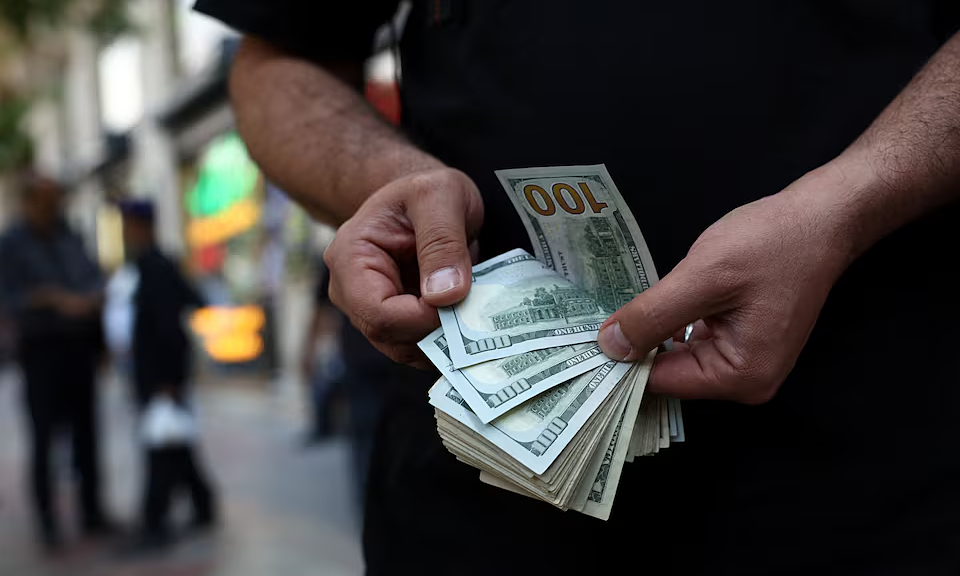
Iranian Parliament Speaker and chief negotiator Mohammad Bagher Ghalibaf, speaking on live television today, urged citizens to reduce gasoline consumption. He acknowledged that while the industry bears some responsibility for high consumption, reducing usage remains a clear necessity.
He emphasized that fuel conservation "requires the consensus and wisdom of the entire community, and certainly the cooperation of citizens."
"If used rationally, we can meet demand with domestically produced gasoline," Ghalibaf stated.
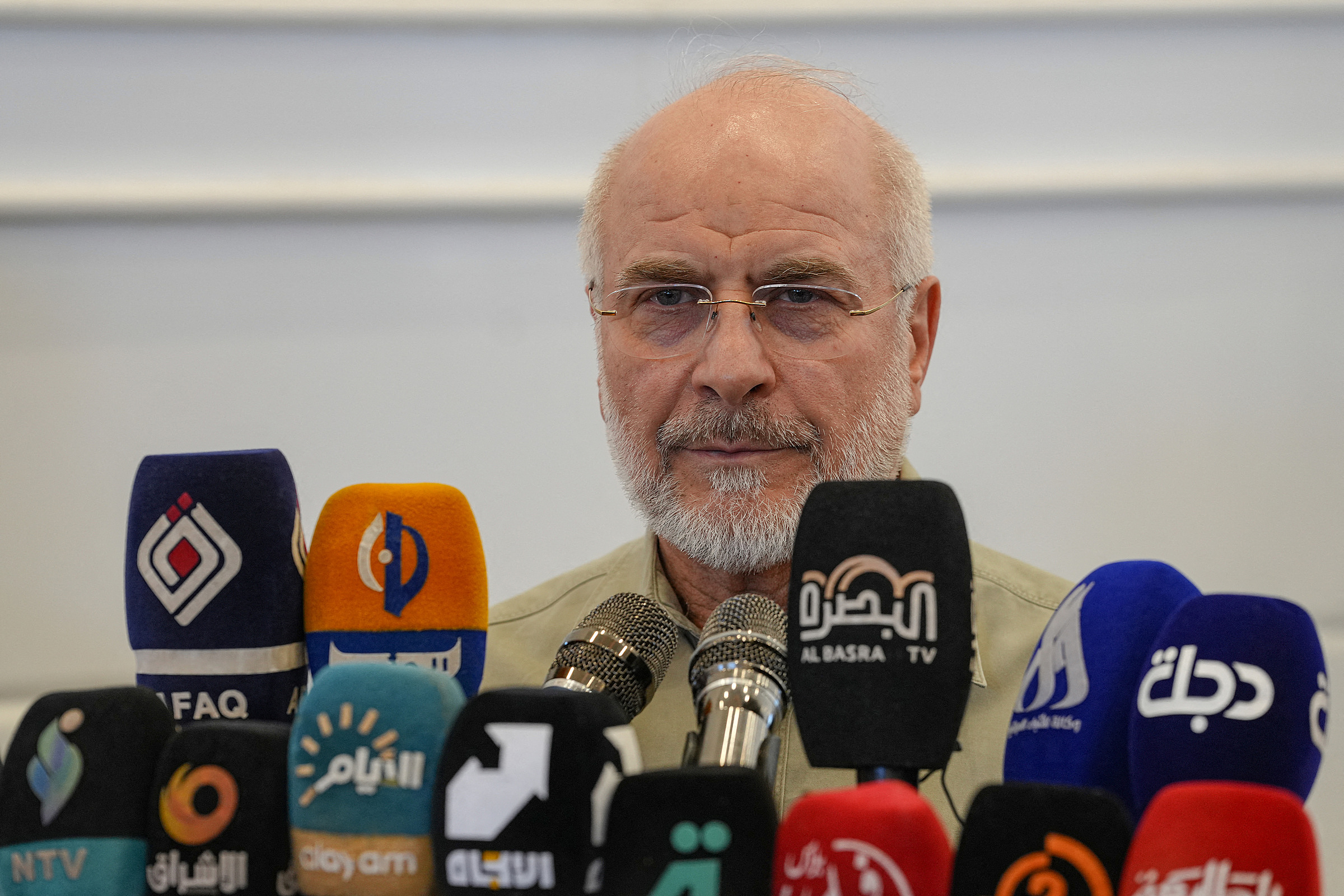 |
Iranian Parliament Speaker Mohammad Bagher Ghalibaf in Iraq on 21/8. *Photo: AFP* |
The call follows Vice President Mohammad Jafar Ghaempanah's statement on 26/8, confirming that a US blockade has prevented Iran from importing gasoline. "Gasoline production is insufficient," he noted.
Iranian citizens have recently faced long queues at gas stations. Ghaempanah criticized Iran's heavily subsidized fuel distribution, arguing it disproportionately benefits multi-vehicle owners.
"Domestic gasoline distribution is unfair. Vehicle owners benefit from subsidies, unlike those without vehicles," he emphasized.
Iranian President Masoud Pezeshkian announced on 28/8 that the nation's exports and imports fell by 25-35% in recent months, attributed to a US seaport blockade. To counter the resulting trade deficit and budget shortfall, Pezeshkian suggested a review of gasoline prices.
Iran's gasoline prices are structured by varying consumption quotas. As a major oil producer, Iran has subsidized fuel for many years, maintaining exceptionally low prices. However, changes to gasoline prices often trigger political instability.
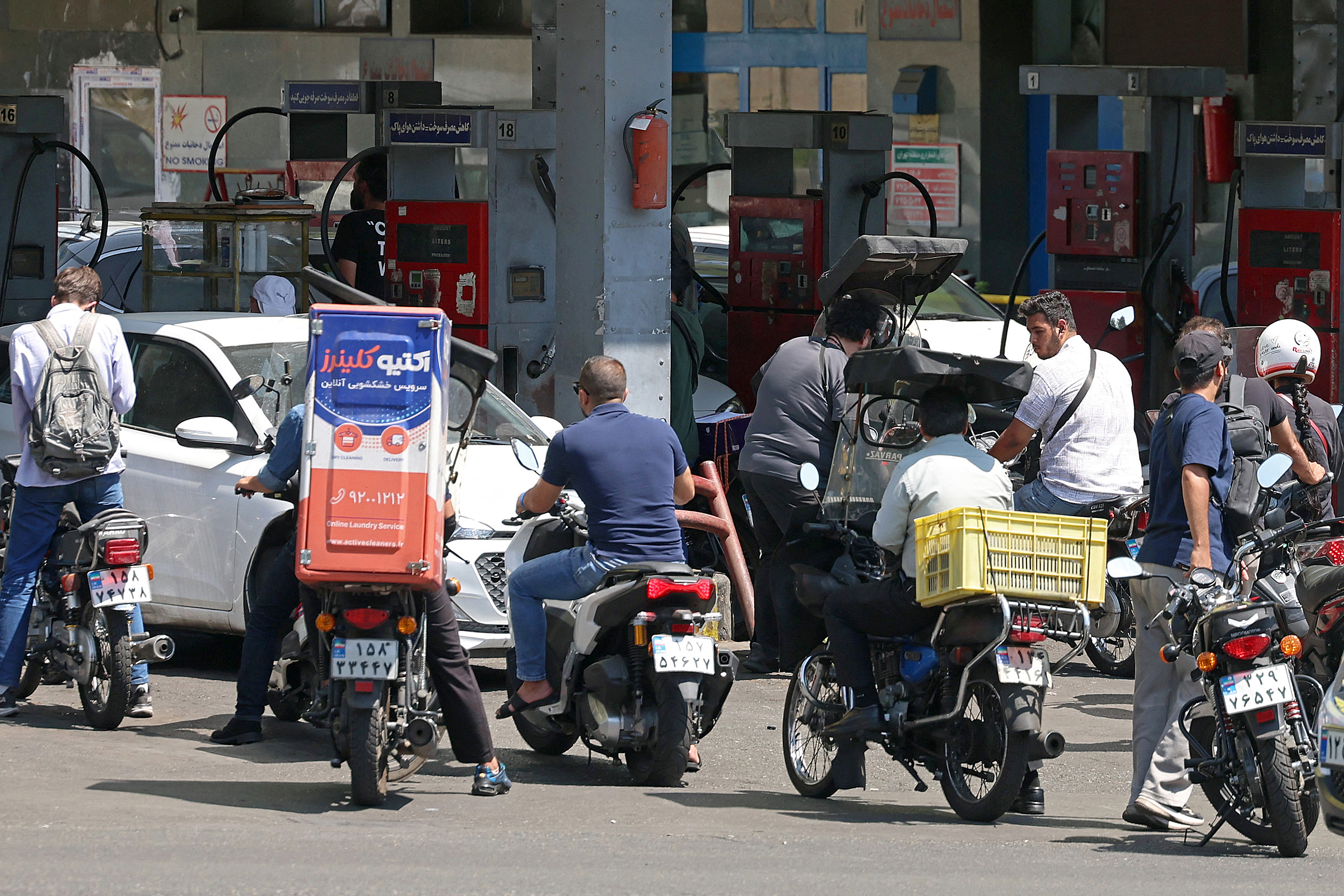 |
A gas station in Iran's capital Tehran on 25/8. *Photo: AFP* |
The conflict between Iran and the US began on 28/2. Since then, Tehran has asserted control over the strategic Strait of Hormuz, while Washington has enforced a naval blockade on Iranian ports.
On 24/8, US Treasury Secretary Scott Bessent unveiled a plan to "strangle Iran's economy," issuing warnings to nations not complying with Washington's campaign. This initiative extends a series of sanctions imposed by the US and its allies since 2018, the year President Donald Trump withdrew from the nuclear agreement signed by global powers and Tehran.
Iran promptly threatened retaliation, vowing to expand attacks on regional oil-producing nations and European countries, while also implying the potential to develop nuclear weapons.
By Huyen Le (According to AFP)