U.S. Central Command (CENTCOM) announced that "self-defense strikes" began at 5 p.m. on 9/6 U.S. Eastern time (4 a.m. on 10/6 Hanoi time). CENTCOM described these as a "proportionate response to unprovoked aggression from Iran" following the downing of an AH-64 Apache helicopter the previous day.
Iranian media reported multiple explosions in the coastal city of Sirik. Mehr news agency stated that explosions also occurred in Bandar Abbas and Qeshm Island, areas near the Strait of Hormuz. CNN, citing U.S. officials, reported that the strikes hit several Iranian radar and air defense systems.
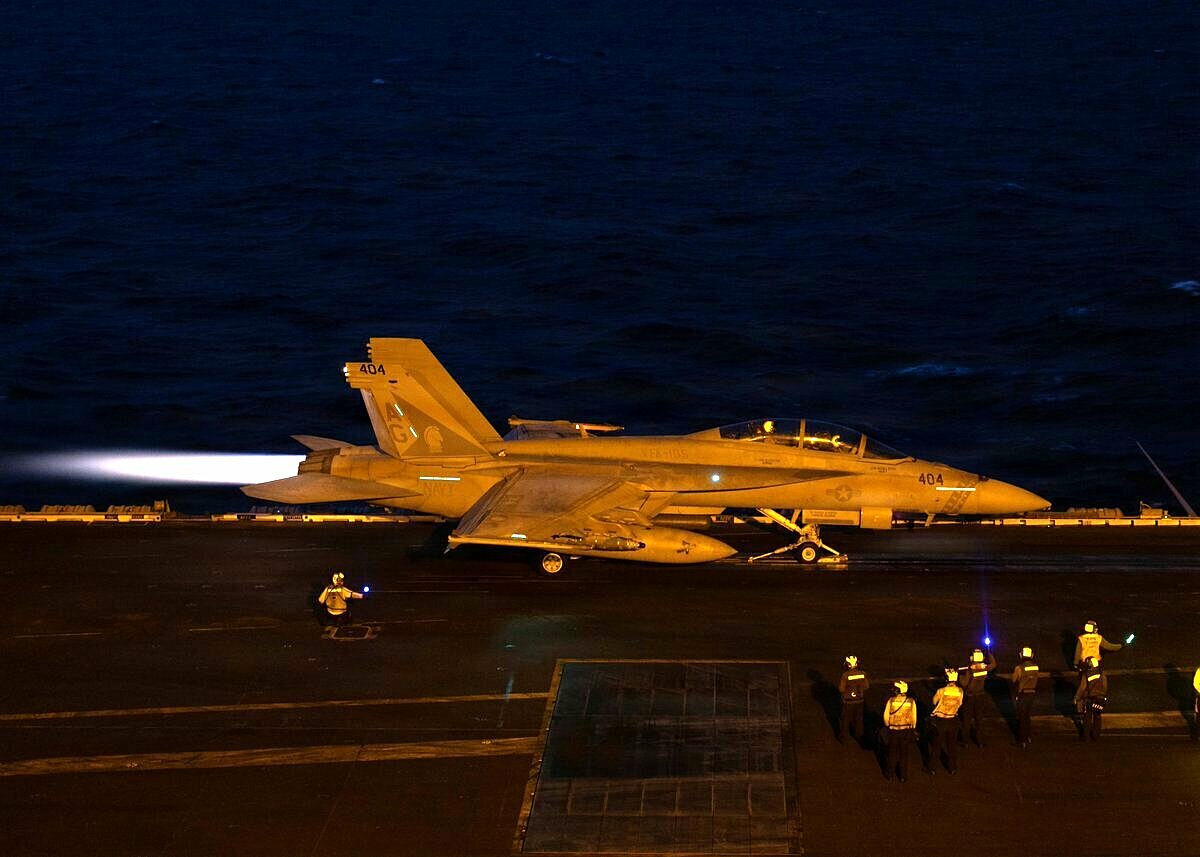 |
A U.S. fighter jet takes off from the aircraft carrier USS George H.W. Bush operating in the Middle East, in an image released by CENTCOM on 30/5. Photo: X/CENTCOM |
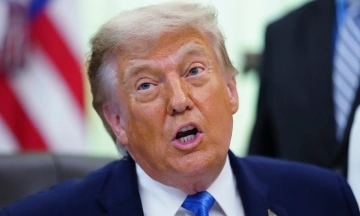
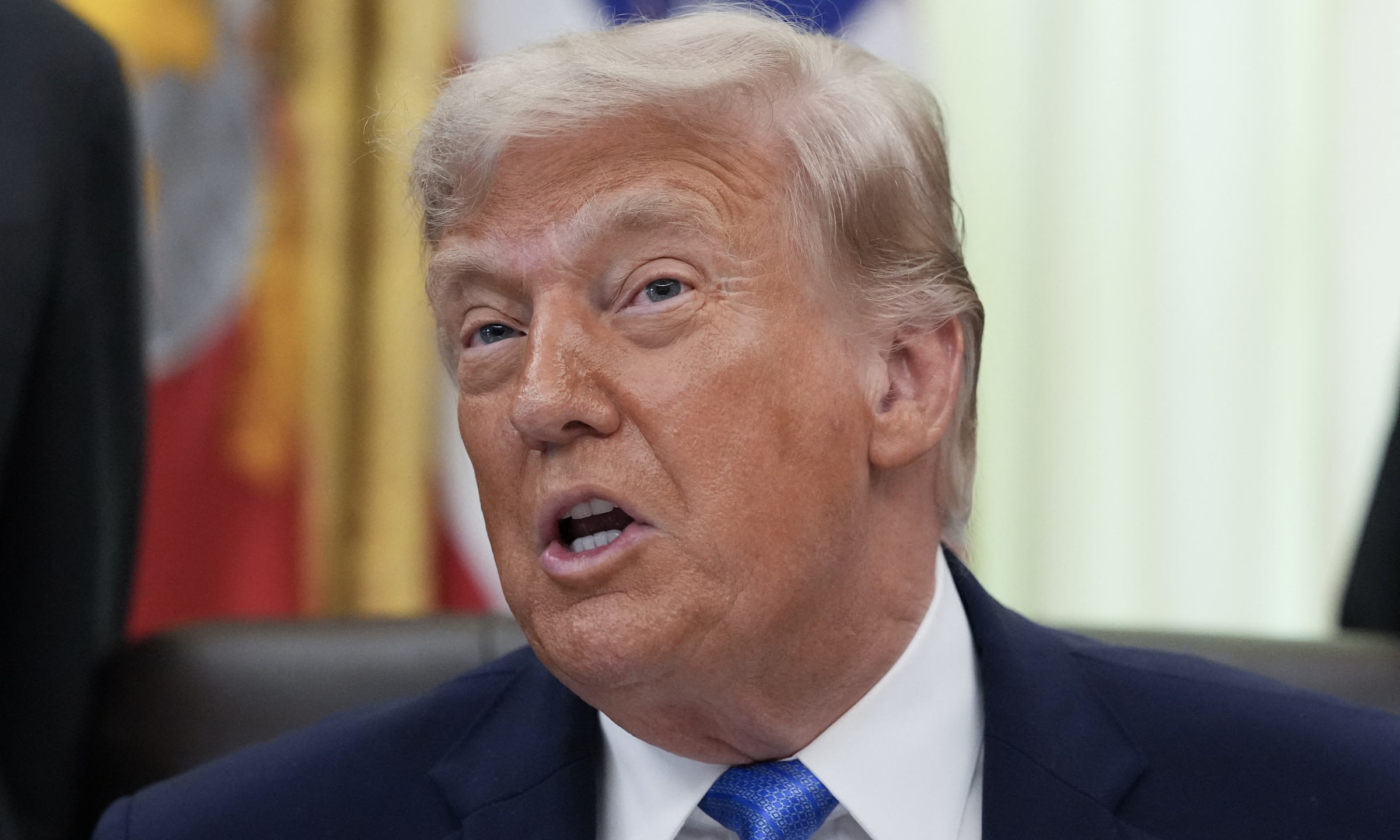
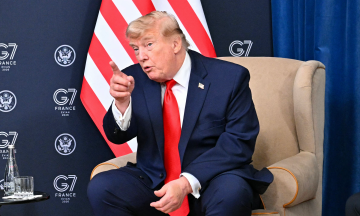
U.S. President Donald Trump had earlier affirmed that Washington would respond strongly and decisively after Iran downed a U.S. helicopter for the first time in this conflict. "It is important that we respond. They shot down a helicopter, so we need to respond forcefully," he stated.
U.S. officials believe an Iranian Shahed unmanned aerial vehicle (UAV) hit the Apache. Washington is still assessing whether the UAV deliberately targeted the U.S. helicopter or if the incident was unintentional. The two pilots on the Apache were not injured and were rescued by an unmanned surface vessel approximately two hours after the incident.
Following the U.S. strikes, Iranian Foreign Minister Abbas Araghchi declared that Tehran would retaliate, warning the U.S. to leave the region if it truly wanted to be safe. Iran's Islamic Revolutionary Guard Corps (IRGC) also announced it had fired missiles and drones targeting several U.S. objectives in the area.
"Despite battlefield failures, the United States still decided to challenge our resolve. Iran's powerful armed forces will not overlook any attack or threat," he wrote on social media platform X.
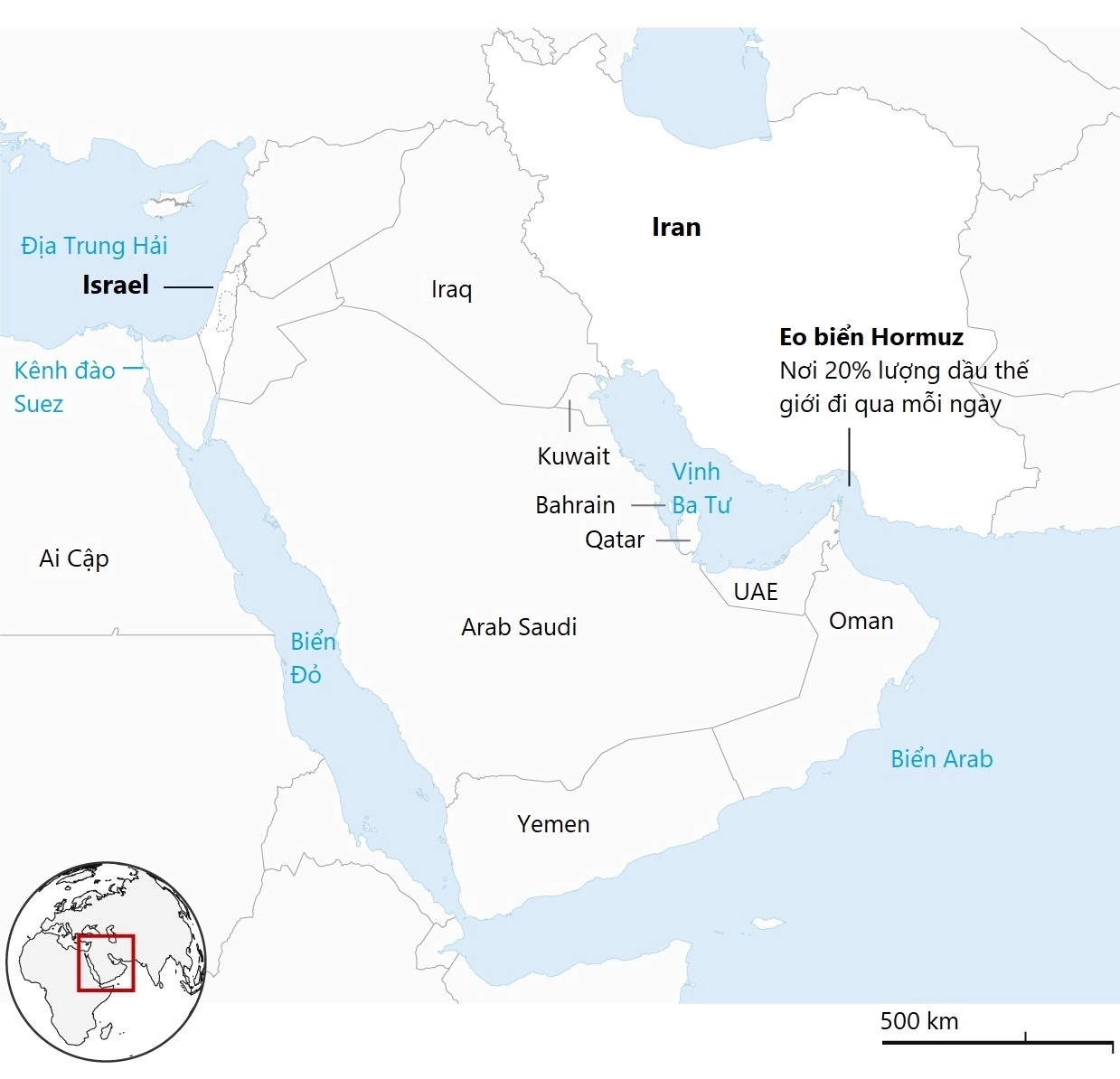 |
Location of Iran and the Strait of Hormuz. Graphic: Guardian |
Despite escalating tensions, Vice President JD Vance believes Washington is still very close to a deal with Tehran. He suggested the deal could be reached within one week, but it might also take several more months.
"I believe we will reach a good deal for the United States economically and resolve the Iran nuclear issue in the long term," Vance said, expressing confidence that this process would be completed before the midterm elections in November.
One U.S. official revealed to CNN that this retaliatory campaign was merely a "warning shot" to Tehran. Washington believes the series of strikes will not derail negotiations aimed at ending hostilities.
By Thanh Danh (Source: CNN, Axios, BBC)